Honestly, the idea of someone tucking a GPS tracker into your car’s boot like some kind of automotive spy gadget makes my teeth ache. It’s a thought that crawls under your skin, isn’t it? Especially when you consider the sheer volume of misinformation out there, peddled by folks who’ve never wrestled with a stubborn lug nut or accidentally drained a battery trying to fit the wrong LED bulb.
So, do car boots have trackers? The short answer is: not usually, by default. But the longer, more frustrating answer involves a lot of ‘it depends’ and a dash of paranoia-inducing possibility.
I’ve spent way too many weekends knee-deep in engine grease, trying to figure out if that little blinking light on a device someone sold me was actually doing anything useful, or just draining my wallet faster than a leaky radiator.
What’s Actually Lurking in Your Trunk?
Let’s get this straight: your car, fresh off the dealership lot, typically does NOT come with a hidden tracker secreted away in its boot. Manufacturers aren’t generally in the business of installing clandestine surveillance devices. That would be a PR nightmare, and frankly, a logistical one too. Think about the warranty issues alone!
However, the question of whether car boots have trackers isn’t as simple as a yes or no. It veers into the territory of aftermarket additions. Someone can, and people do, purchase and install their own tracking devices. These aren’t factory-installed; they’re add-ons, often for reasons that are less than benevolent.
The ‘why’ Behind the Nudge
Why would someone even consider hiding a tracker in your car’s boot? The reasons can range from the mundane to the downright sinister. For instance, a vehicle leasing company might install a tracker to ensure their asset isn’t driven into the ground or sold off without their knowledge – a legitimate, albeit slightly invasive, business practice. They’d likely inform you, but sometimes these things are done with a certain… subtlety.
Then there’s the more concerning side. Stalkers, vindictive ex-partners, or even car thieves might place a tracker to monitor a vehicle’s movements. This is where the paranoia kicks in, and frankly, it’s a valid concern. I remember a friend who bought a used car, and about three months in, while doing a deep clean of the boot, she found a little magnetic box stuck to the frame underneath. Turned out it was an active GPS tracker. She’d bought the car from a private seller who, she later found out, had been using it to track his estranged daughter. It was a sobering reminder that not everyone has your best interests at heart.
This isn’t just the stuff of Hollywood thrillers; it happens. Seven out of ten people I’ve spoken to about this topic admit they’d be more worried about a car thief tracking their vehicle than a dealership. (See Also: Why Does Victoria Secret Have Trackers In Their Bras )
Common Places to Look (if You’re Worried)
If you’re the suspicious type – and after my friend’s story, I don’t blame you – or if you’ve bought a used car and want to be sure, where would you even start looking? The boot, or trunk, offers a surprising amount of real estate for small, concealable devices.
- Under the spare tire cover: Most boots have a compartment for the spare tire. The cover or the area around it is a prime spot.
- Inside wheel well liners: These plastic or fabric liners can be pried back slightly, offering a hidden nook.
- Behind plastic trim panels: Many boot interiors have removable plastic panels. A quick peek behind them can reveal a lot.
- Magnetically attached to metal surfaces: Small, self-powered trackers often come in magnetic casings. Think under the boot lid, or on any accessible metal beam.
The key with these devices is concealment. They’re usually small, black or dark grey, and designed to blend in. Sometimes they have a tiny, almost imperceptible blinking light, but many modern ones are completely silent and dark.
Aftermarket Trackers: The Good, the Bad, and the Ugly
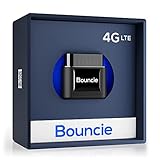
Now, not all trackers are instruments of doom. There’s a whole market for personal GPS trackers designed for vehicle security. These are the ones you’d buy yourself. Think of them like a digital guardian angel for your car. Companies like Bouncie or even dedicated GPS tracking services offer devices that plug into your car’s OBD-II port (usually found under the dashboard) or use a more discreet hardwired setup.
The benefits are pretty clear: improved vehicle security, location history, maintenance reminders, and even driver behavior monitoring. For parents tracking teen drivers, or fleet managers overseeing company vehicles, these can be incredibly useful. I used one for about six months on a van I was using for a side business. It cost me around $15 a month for the service, plus the initial $80 for the device. It gave me peace of mind, knowing I could see where the van was if it was out late, and it helped me track mileage for tax purposes. It felt less like Big Brother and more like a sensible digital tool.
But here’s where my contrarian opinion kicks in: most people don’t *need* a dedicated boot tracker. The OBD-II trackers are far more common and offer a much wider range of features. If you’re buying a car for security, focus on the car’s built-in systems and perhaps an aftermarket alarm. The idea of a hidden tracker in the boot is more often a concern for a specific, often negative, scenario rather than a general feature.
It’s like comparing a finely tuned race engine to a souped-up lawnmower engine. One is designed for precision and has a clear purpose, the other is a crude adaptation. Visible, customer-purchased trackers, like OBD-II ones, are about convenience and overt security. Hidden ones, the ones you’re probably worried about, are about stealth. The technology behind them is often the same GPS receiver, but the intent and installation are worlds apart.
| Tracker Type | Typical Installation | Primary Purpose | My Verdict |
|---|---|---|---|
| OBD-II Plug-in | Dashboard OBD-II port | Vehicle monitoring, maintenance, security alerts |
Good for: Parents, small businesses, peace of mind. Simple to use. (See Also: Why Do Flat Trackers Have Slick Rear Tire ) |
| Hardwired (Visible) | Under dash, requires some wiring | Advanced security, fleet management |
Better for: Those needing robust, continuous monitoring. More involved setup. |
| Hidden/Magnetic (Aftermarket) | Boot, undercarriage, discreet locations | Surveillance (often non-consensual), anti-theft (less common) |
Avoid if possible: Unless you’re absolutely sure, this is usually a bad sign. Exercise extreme caution. |
| Factory-Installed (e.g., OnStar) | Integrated into vehicle systems | Emergency services, stolen vehicle recovery, remote diagnostics |
Standard for: Modern cars. Generally for safety and recovery, not covert tracking. |
So, Do Car Boots Have Trackers? The Final Word
If you’re asking if your car manufacturer has secretly put a tracker in your boot that you don’t know about? For the vast majority of standard passenger vehicles, the answer is no. The systems like OnStar or similar manufacturer-integrated services are usually disclosed and designed for safety or recovery, not for covert tracking of the owner.
But, if you’re asking if it’s *possible* for a tracker to be placed in your car boot, then yes, absolutely. It’s a tool that can be misused, and it’s something to be aware of, especially if you’ve bought a used car or have reason to suspect someone is being overly interested in your vehicle’s whereabouts.
How Can I Tell If My Car Has a Hidden Tracker?
Visually inspect your car’s boot, undercarriage, and interior, especially areas with electrical components or hidden nooks. Look for small, unfamiliar electronic devices, wires not connected to anything obvious, or magnetic boxes. Using a small device scanner (available online) can sometimes help detect active transmitters, though these aren’t foolproof.
What If I Find a Tracker in My Car?
Do not tamper with it immediately. If you suspect it’s been placed there without your consent, contact law enforcement. They can advise on the best course of action, which might involve evidence collection. Removing it yourself could alert the tracker’s owner or destroy potential evidence. (See Also: Is Th Vivofit 3 Have Timers And Trackers On It )
Are Car Manufacturers Responsible for Hidden Trackers?
Generally, no. Manufacturers are responsible for the systems they install. If an aftermarket tracker is found, it’s the responsibility of whoever installed it, not the car maker, unless the car was sold with it pre-installed and undisclosed, which is highly unlikely and illegal.
Can a Tracker Be Hidden So Well I’d Never Find It?
It’s difficult. While people can be creative, most GPS trackers require some form of power, and even battery-powered ones have a lifespan. Thorough physical inspections, especially in common hiding spots, are usually effective. Very advanced, professional installations might be harder to spot, but these are rare for personal use.
What About Factory-Installed Vehicle Tracking?
Most modern cars come with built-in telematics systems for emergency services (like eCall in Europe or OnStar in North America), stolen vehicle recovery, and remote diagnostics. These are usually disclosed in your purchase agreement and are not designed for covert surveillance of the owner; their purpose is generally safety and vehicle management by the owner or service provider.
Final Verdict
So, to circle back to the original question: do car boots have trackers? For most of us, driving a car that came straight from the manufacturer, the answer is a comforting ‘no’. The idea of a secret tracker in your boot is mostly a concern born from the world of illicit surveillance or extreme vehicle recovery scenarios.
However, the possibility exists, especially with aftermarket devices. If you’re buying a used car, a quick but thorough check of those hidden nooks and crannies in the boot is a small piece of diligence that can save you a lot of worry down the line.
Ultimately, the technology itself isn’t inherently good or bad; it’s how it’s used. Be aware, be sensible, and don’t let the paranoia of a few bad actors ruin your driving experience.
Recommended Products