Car dealerships. You walk in, deal with the shiny showroom, the sales pressure, and then you drive off in your new set of wheels, right? Seems straightforward. But then a little voice in the back of your head starts whispering… do car dealerships have trackers on cars?
Probably not. I mean, why would they? It’s not like they’re selling you a stolen goods special. Or maybe… maybe they are? That nagging question about hidden devices, about whether your car is broadcasting your every move back to some dusty office, is a legitimate one.
Honestly, after years of tinkering with vehicles, I’ve learned one thing: assume nothing, and always question the shiny veneer. Especially when it comes to buying a car. Think about it: if there’s a way to glean more information, more control, more money, someone’s probably figured it out.
The Big Question: Do Car Dealerships Have Trackers on Cars?
Let’s cut the crap. Do car dealerships install GPS trackers on the cars they sell? The short answer is: sometimes, and it’s usually tied to financing. It’s not some universal, shadowy plot to monitor your joyrides. This isn’t about tracking your mileage so they can charge you for late returns on a leased car you’ve already bought out; that’s a different, less common scenario. We’re talking about devices installed before the ink dries on the purchase agreement.
Here’s the deal. If you’re financing a car through the dealership or a finance company they work closely with, especially if your credit isn’t stellar, there’s a solid chance they might put a tracker on it. This isn’t about stalking you; it’s about collateral protection. If you stop making payments, they need to be able to find the car. It’s a business decision, albeit one that feels a bit invasive.
I remember buying my first used truck from a small independent lot. The guy was pushing this super cheap financing, like, suspiciously cheap. I ended up with a payment plan that seemed almost too good to be true. A few months in, I was driving home from a late shift, feeling pretty pleased with myself, and suddenly my radio cut out, followed by the engine sputtering to a halt. Totally dead. Turns out, the finance company had remotely disabled it because I was two days late on a payment. Two days! I spent around $350 on a tow and had to pay a hefty reconnection fee. That’s when I learned that ‘dealership financing’ can sometimes mean more than just a payment schedule; it can mean control.
So, when people ask, ‘do car dealerships have trackers on cars?’, the context is almost always about finance. It’s not standard practice for every single car that rolls off the lot. If you’re paying cash or securing your own loan from your bank, the likelihood of a tracker being installed is near zero. The risk for the dealer is minimal; they have your money. The risk they’re trying to mitigate is a buyer disappearing with their collateral.
Why the Worry? What Are Dealership Trackers Really for?
It boils down to risk management, plain and simple. For dealerships and their finance partners, cars are assets. If you default on a loan, especially a subprime loan where the buyer’s credit history indicates a higher risk of default, the lender wants a way to recover their investment. A GPS tracker is a pretty efficient way to locate a vehicle that’s gone AWOL.
Consider it like this: if you lend a neighbor a really expensive tool, and they’re a bit flaky with payments on other things, you might feel more comfortable if you knew where that tool was. It’s not about distrusting them *personally*, it’s about protecting your property. The scale is just vastly different with a car that can be worth tens of thousands of dollars. (See Also: Why Does Victoria Secret Have Trackers In Their Bras )
This practice is more common with Buy Here Pay Here (BHPH) dealerships. These places specialize in in-house financing, often for buyers who can’t get traditional loans. Because they’re taking on more risk, they employ more aggressive recovery methods, and that includes devices that can monitor and even disable the vehicle.
The Consumer Financial Protection Bureau (CFPB) has looked into these practices, and while they don’t outright ban trackers, they do require transparency. You should be informed if a tracking device is installed, and you should know its capabilities. That said, ‘informed’ can sometimes mean a tiny clause buried deep in a stack of paperwork that nobody actually reads. I’ve seen contracts thicker than a phone book, and who has the time to dissect every single word?
Are They Everywhere? Types of Dealership Tracking Devices
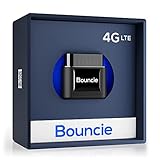
Not all trackers are created equal, and not all are the ‘black box’ you might imagine. Some are sophisticated GPS units that offer real-time location tracking. Others are simpler devices, sometimes called ‘starter interruptors’ or ‘kill switches.’ These are often linked to the ignition or the fuel pump. Miss a payment, and boom – the car won’t start. It’s a hard stop, and it feels like a slap in the face when you’re just trying to get to work.
The physical installation can vary. Some are discreetly wired into the car’s electrical system, hidden under the dashboard or behind panels. Others might be smaller, more like a standard GPS unit you’d buy for personal use, but activated and monitored by the finance company. I once found a small, magnetic box stuck to the underside of a frame rail on a car I bought used – it was clearly an aftermarket addition, and I immediately ripped it off. You can bet I didn’t finance that one through the dealer.
Beyond the basic location and starter-interruption functions, some advanced systems can also monitor mileage, driving behavior (like excessive speeding or hard braking), and even battery voltage. This data can be used to assess risk or, again, to enforce loan terms. It’s a level of oversight that feels more like probation than ownership, frankly. The sheer amount of data collected is staggering; it’s like having a digital leash on your vehicle.
| Tracker Type | Primary Function | Common Use Case | My Verdict |
|---|---|---|---|
| GPS Tracker | Real-time location | Loan default recovery, theft recovery | The most common type for financing. Essential for lenders, annoying for buyers. |
| Starter Interrupter | Remote engine disable | BHPH financing, immediate payment enforcement | Aggressive. Feels punitive. I’d avoid any deal requiring this. |
| Mileage/Behavior Monitor | Data collection on usage | High-risk loans, lease agreements (less common for purchase) | Intrusive. It’s like they’re grading your driving. |
| ‘Black Box’ (Combined) | Multiple functions | Comprehensive risk management for lenders | The ‘all-in-one’ solution for dealers. Most invasive. |
So, you’ve found the car, you’re ready to sign, and then the finance manager drops the bomb: ‘We need to install a tracker.’ What do you do? First, don’t panic. Remember, this is usually tied to financing terms, not a standard feature on every car.
Your primary leverage is your ability to secure alternative financing. If you have a good relationship with your bank or credit union, try to get a pre-approved loan from them. Presenting this to the dealership can often negate the need for their financing and, consequently, their trackers. I’ve walked out of dealerships that insisted on their financing-plus-tracker combo, only to get a better rate and no tracker from my credit union a few hours later. It felt like winning a small war.
If you absolutely *must* use dealership financing and they insist on a tracker, read that contract with a magnifying glass. Understand exactly what the device does, who has access to the data, and what triggers its activation or reporting. Ask them to point out the clause in the paperwork. If they’re vague or evasive, that’s a massive red flag. According to the Federal Trade Commission (FTC), consumers have rights regarding the sale and financing of vehicles, including clear disclosure of terms and conditions. (See Also: Why Do Flat Trackers Have Slick Rear Tire )
Here’s a contrarian opinion: while many people will tell you to just walk away if they demand a tracker, I think sometimes there’s a middle ground if the car is *exactly* what you need and the price is right. If you can negotiate the price down significantly to offset the ‘inconvenience’ of the tracker, or if the tracker’s capabilities are strictly limited to post-default recovery and don’t involve remote disabling, it might be a calculated risk. But that’s a gamble, and I lean towards avoiding that gamble whenever possible.
What about those stories of finding trackers on cars you bought used, with no financing involved? That’s a different beast. Sometimes, dealerships might not fully remove devices from trade-ins. Or, more nefariously, some less scrupulous outfits might install them on inventory without disclosing it, hoping a buyer will default so they can repo it easily. It’s a shady practice, and not one that represents the majority of dealerships, but it happens. The smell of old coffee and desperation in some used car lots can be overwhelming; you never know what corners are being cut.
If you buy a used car and suspect a tracker, a thorough inspection by a trusted mechanic is your best bet. They can check the undercarriage, the engine bay, and the interior for any unauthorized electronic devices. Think of it like a pre-flight check for your vehicle’s privacy. I had a friend who bought a used SUV and found a small, blinking red light under the passenger seat. It turned out to be an old recovery device from a previous owner’s repo situation. He yanked it out, no harm done, but it was a stark reminder.
Knowing do car dealerships have trackers on cars is one thing; preventing them from being on *your* car is another. Always ask directly. Don’t just assume. Ask, ‘Does this vehicle have any GPS tracking devices installed by the dealership or its finance partners?’ Get the answer in writing if you can. If they’re cagey, it’s time to re-evaluate the deal. Your peace of mind, and your data, are worth more than a slightly lower monthly payment.
Do Car Dealerships Always Install Trackers?
No, not all car dealerships install trackers on all cars. It’s typically a practice reserved for situations where the dealership or a partner finance company is taking on significant risk, particularly with subprime loans or Buy Here Pay Here financing. If you’re paying cash or using your own external financing, the likelihood of a tracker being installed is very low.
Can Dealerships Disable My Car Remotely?
Yes, some tracking devices, particularly those used by Buy Here Pay Here dealerships, are equipped with starter interruptors that allow the finance company to remotely disable the vehicle’s engine if payments are missed. This is a common feature in high-risk financing scenarios.
How Can I Check If My Car Has a Tracker?
You can visually inspect common hiding spots like under the dashboard, behind panels, or under the vehicle’s chassis. For a more thorough check, especially if you suspect a device, have a trusted mechanic inspect the car. They have the tools and expertise to find hidden electronics.
Is It Legal for Dealerships to Put Trackers on Cars?
In most places, it is legal for dealerships to install trackers, but it must be disclosed to the buyer. Laws vary by region, but generally, transparency is required. You should be informed about the presence and function of any tracking device before signing the purchase agreement. The FTC offers guidance on consumer rights in vehicle sales. (See Also: Is Th Vivofit 3 Have Timers And Trackers On It )
What If I Find a Tracker After Buying the Car?
If you discover a tracker on a car you purchased, especially if it wasn’t disclosed, you have grounds to take action. Contact the dealership immediately and demand its removal. If they refuse or if you suspect illegal activity, consult with a consumer protection lawyer or report the issue to your local consumer affairs agency or the Better Business Bureau. You may also want to review your purchase contract carefully.
The Bottom Line on Dealership Trackers
Look, nobody likes feeling like they’re being watched, especially when it’s on something as personal as their car. The simple fact is that do car dealerships have trackers on cars, and the answer leans towards ‘yes, under certain financing conditions.’ It’s not a conspiracy; it’s a business practice driven by risk, primarily for the lender.
My advice? Be proactive. Get pre-approved for financing elsewhere if you can. Read every single word of your contract. Ask direct questions and demand clear answers. If a dealership is unwilling to be transparent about tracking devices, that’s your cue to walk away. There are plenty of other cars and plenty of other dealerships out there that operate with more integrity.
Don’t let the allure of a good deal blind you to potential strings attached. Your car is your freedom; don’t let a hidden device turn it into a tether. A little vigilance upfront can save you a whole lot of headaches – and potentially hundreds of dollars in fees and towing charges, as I learned the hard way.
Verdict
So, to circle back to the initial question: do car dealerships have trackers on cars? Yes, they do, but mostly when the financing is directly tied to them and the risk is deemed high. It’s less about spying on your daily commute and more about ensuring they can recover their investment if you stop paying.
My personal experience with that remote engine disablement taught me a brutal lesson about the fine print. It felt like a betrayal of trust, and honestly, it soured me on any financing that felt too easy. Always, always, *always* scrutinize the loan terms. If they’re pushing a tracker, see if you can get your own financing or at least negotiate that tracker clause out of the deal.
If you’re buying used and aren’t financing through the dealer, the risk is lower but not zero. A quick visual check, or a mechanic’s inspection, could save you from an unpleasant surprise down the road. Be smart, be informed, and don’t be afraid to ask the tough questions. It’s your money and your car.
Recommended Products