Walked into CarMax a few years back, ready to trade in my old beater. The sales guy, all smiles and crisp shirts, started talking about their ‘advanced vehicle tracking systems.’ My brain immediately went to the shiny, new car I was about to buy, picturing some spy gear. Little did I know, that phrase meant something else entirely, and I almost walked away from a perfectly good deal because of a misunderstanding.
It’s a question that pops up more than you’d think, especially after you’ve seen enough movies where cars are suddenly remotely disabled. So, do CarMax have trackers on their cars? The short, honest answer is… complicated, and probably not in the way you’re imagining.
This isn’t about them spying on your joyrides or knowing if you’re late for work. It’s a bit more mundane, and frankly, a bit more about asset protection for them than anything else.
The Real Reason Behind Their ‘trackers’
Forget any notions of high-tech surveillance. When CarMax talks about vehicle tracking, they’re almost certainly referring to GPS locators, often referred to as fleet management devices or asset trackers. These are primarily for their own inventory management. Think of it like a giant lost-and-found for cars. They need to know where their cars are, especially when they’re in transit between dealerships, being prepped, or even sitting on the lot.
It’s not a secret spy gadget hidden under the dash to monitor your every move. It’s more like a digital tag on their own merchandise. I remember talking to a mechanic friend who worked at a large dealership group, and he explained how these devices help them account for hundreds of vehicles spread across multiple sites. He’d seen them installed on trade-ins before they were even officially processed into inventory. The smell of stale coffee and vinyl interiors in his shop always brings back that conversation.
Honestly, the first time I heard about ‘vehicle trackers’ on a car I was buying, I freaked out a little. My mind went straight to those horror stories you hear about shady dealerships putting devices on cars to repo them the second a payment is missed. I spent about $150 on an OBD-II port scanner that claimed to find ‘hidden devices,’ only to discover it was just reading standard vehicle diagnostics. What a waste of money. It’s a classic case of marketing jargon causing unnecessary panic. The technology itself is pretty standard for any large fleet operator, not just CarMax.
What Does This Mean for You as a Buyer?
This is where most people get it wrong. They hear ‘tracker’ and think ‘Big Brother.’ But for you, the buyer, it’s largely a non-issue. If a car has a tracker installed by CarMax for their inventory purposes, it’s typically for their operational efficiency. It doesn’t mean they are actively monitoring your personal driving habits or location after you purchase the vehicle and drive it off the lot. Think of it like the security tag on a new shirt; once you buy it, you cut it off, and it’s no longer their concern. (See Also: Why Does Victoria Secret Have Trackers In Their Bras )
The key thing to understand is that CarMax is a massive retailer. They move a lot of cars. Having GPS on their inventory helps immensely with logistics, preventing theft of their own assets, and tracking vehicles during transport. It’s a business tool, plain and simple. So, when you ask do CarMax have trackers on their cars, the answer is yes, but primarily for their internal operations.
Contrarian Opinion: Everyone says you should immediately remove any aftermarket device if you’re worried about privacy. I disagree. If CarMax has installed a GPS unit for their own inventory management, it’s highly unlikely they’ve left it active for tracking *your* personal vehicle after the sale. They have no business reason to. Removing it might even cause unnecessary confusion or technical issues with the car’s existing systems if it’s tied into something unexpected, though this is rare. Focus on the car itself, not the phantom spy gear.
Debunking Common Myths
Let’s clear the air on a few things:
- Myth 1: They track your mileage and speed after you buy it. Generally, no. Once the sale is complete and the car is yours, their operational need for that specific tracker on *your* car ends. They aren’t in the business of policing their former customers.
- Myth 2: It affects your car’s performance. These are usually small, self-powered GPS units or devices that draw minimal power. They won’t impact your engine, your fuel efficiency, or any of the car’s core functions. It’s like adding a small Bluetooth speaker to your dashboard; it does its own thing without interfering with the car.
- Myth 3: All cars have them. Not necessarily. It’s more common on vehicles in transit or those that have been on the lot for a while, used for internal movement. Your car might not have had one installed, or it might have been removed before you even test drove it.
Seriously, the amount of misinformation out there is staggering. I’ve seen forums filled with people convinced their car is being tracked like a puppy in a bad reality show. The reality is far less dramatic.
What If You Still Feel Uncomfortable?
If the *idea* of a tracker, even one meant for inventory, bothers you immensely, you have options. Most of these devices are physically attached, not deeply integrated into the car’s electronics. A good mechanic or even a handy DIYer could likely locate and remove it. However, I’d advise against doing this yourself unless you’re confident. You don’t want to accidentally disconnect something vital.
Before you go ripping things apart, though, I’d suggest a simple conversation. Ask the CarMax associate directly: ‘Does this specific vehicle have an inventory tracking device installed, and if so, is it active or will it be removed upon sale?’ Their transparency should answer your question without you needing to play detective. It’s like asking for the ingredients list on a menu; you’re entitled to that information. (See Also: Why Do Flat Trackers Have Slick Rear Tire )
According to the National Automobile Dealers Association (NADA), while many dealerships employ GPS tracking for inventory and loaner vehicles, this is primarily for asset security and management during the dealership’s ownership, not for post-sale customer monitoring. Their guidelines emphasize transparency with the customer regarding any such installations.
When you’re buying a car, especially from a large used car retailer like CarMax, it’s easy to get caught up in the details. The financing, the warranty options, the condition of the tires… it’s a lot. Understanding the basic tech involved, like whether do CarMax have trackers on their cars, is just another piece of the puzzle. It’s about knowing what you’re buying into, and not letting buzzwords create unnecessary anxiety.
I once bought a used motorcycle where the previous owner had stuck a tiny, almost invisible GPS tracker on it, thinking it was for security. Turns out, it was an old one that had died, but finding it took me three afternoons of crawling around the bike, smelling like old grease and disappointment. It taught me to ask questions upfront, rather than assuming the worst or spending hours on fruitless investigation.
A Look at the Tech Itself
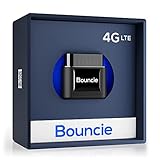
These GPS units, whether from CarMax or any other vendor like Bouncie or LoJack (though LoJack is typically a consumer product), are generally small. They often use cellular networks to report their location. Power can come from the vehicle’s battery or, more commonly for inventory trackers, a long-lasting internal battery that might last several years. They’re designed to be simple, reliable, and tamper-resistant enough to do their job without drawing attention.
The data they collect is usually metadata: location, time, and perhaps a basic vehicle identification number (VIN) linked to the device. It’s not typically transmitting your conversations or detailed driving behavior like a black box recorder in an airplane. The information is valuable to CarMax for tracking their assets across large geographical areas or within their own sprawling lots.
| Feature | CarMax Inventory Tracker (Likely) | Consumer GPS Tracker (e.g., for Security/Teens) | My Opinion / Verdict |
|---|---|---|---|
| Primary Purpose | Inventory management, asset security for the dealer | Personal security, teen monitoring, fleet management for buyer | Dealer’s tool, not customer’s problem if managed correctly. |
| Installation | Discreet, often external or easily accessible for dealership staff | Varies; OBD-II, hardwired, or battery-powered, user-installed or professional | External install means easier removal for you. |
| Data Accessed by You | None; for dealer use only | Location history, speed, alerts via app/web | You shouldn’t need access to dealer trackers. |
| Post-Sale Status | Typically deactivated or removed | Remains active as long as subscription is paid | If it’s still on, it’s their oversight, not your concern. |
The Bottom Line on Carmax Tracking
So, to circle back to the main question: do CarMax have trackers on their cars? Yes, it’s highly probable they use GPS tracking devices on vehicles within their inventory for operational purposes. However, the crucial distinction is that these are for *their* management of *their* assets. They are not typically left active to monitor *your* driving habits after you purchase a vehicle. The fear is usually worse than the reality, often stemming from a misunderstanding of the technology’s purpose. It’s like worrying about the price tag scanner on a grocery item after you’ve already paid for your milk. (See Also: Is Th Vivofit 3 Have Timers And Trackers On It )
If you’re genuinely concerned, a straightforward question to your salesperson is the most effective way to get clarity. Don’t let a bit of technical jargon create undue stress during what should be an exciting purchase.
Conclusion
Ultimately, the presence of inventory trackers on cars at a place like CarMax is a logistical tool for them, not a surveillance mechanism for you, the buyer. While it’s wise to be informed, the idea of them continuously tracking your personal vehicle after you’ve bought it is largely a myth.
The main takeaway about whether do CarMax have trackers on their cars is that they are for managing their stock, and typically deactivated or removed when the sale is finalized. If you’ve purchased a car and have lingering doubts, a simple, direct question to the dealership staff is your best bet for peace of mind.
Think of it this way: the sales process involves many small details, and a tracker is just one more thing to potentially ask about, like the age of the tires or the last time the transmission fluid was changed. Don’t get bogged down in paranoia.
If you’re still uneasy, a quick chat with the service department or a trusted independent mechanic after purchase can confirm if any aftermarket tracking device is still present and easily removable.
Recommended Products