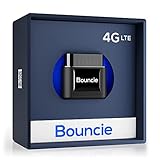
Stopped dead on the side of the road, engine ticking ominously, I’d just blown another several hundred bucks on what the internet swore was the “best” diagnostic tool. Turns out, that little blinking light wasn’t some advanced communication system, but a cheap OBD-II dongle trying to track my driving habits for a discount I never saw. Honestly, the whole industry is built on smoke and mirrors sometimes.
So, do cars have trackers? The short answer is: it depends, and it’s way more complicated than a simple yes or no. You’ve probably wondered if your new whip is secretly broadcasting your every move.
Let’s cut through the noise about whether cars have trackers, who’s putting them there, and what you can actually do about it.
Are You Being Tracked Right Now?
Okay, let’s get this straight. When you buy a new car, it’s not typically rolling off the assembly line with a secret spy device. However, the question of ‘do cars have trackers?’ gets murky fast. Modern vehicles are essentially rolling computers, and many of them are equipped with systems that *can* track your location, speed, and driving behavior. It’s less about a clandestine operation and more about features you might not even realize are active.
Think about those connected services – the ones that let you start your car with an app, monitor its health remotely, or even offer roadside assistance. These services rely on GPS modules and cellular modems built right into the car’s electronics. The manufacturer uses this data, and so can third-party companies if you sign up for their services.
The Manufacturer’s Game
Most major automakers now embed telematics systems in their vehicles. These systems are designed to do a few things: provide driver assistance, collect diagnostic information, and, yes, track the car’s location. It’s how they offer features like stolen vehicle recovery, remote diagnostics, and even personalized insurance rates. I remember when my buddy’s brand-new SUV got stolen; the police were able to ping its location within minutes thanks to the built-in tracking service the dealership had upsold him on. Saved him a whole lot of heartache, and probably the car.
But here’s the rub: the data collected isn’t just for your benefit. Manufacturers often use this data for product development, understanding how their vehicles are driven in the real world, and sometimes, with your consent, to market other products or services. You’ve probably seen those privacy policies that are longer than my arm; buried in there are clauses about data collection and usage. It’s why understanding if your car has trackers, and what data they collect, is so important. (See Also: Why Does Victoria Secret Have Trackers In Their Bras )
Everyone says you need to read every single line of the car’s terms and conditions. I disagree, and here is why: most people don’t have the legal background to interpret them. Instead, focus on the services you actively sign up for and the obvious features that require location data.
What About Aftermarket Trackers?
Beyond the factory-installed stuff, there’s a whole separate world of aftermarket GPS trackers. These are usually small devices you can plug into your car’s OBD-II port (that little diagnostic port usually under the dashboard) or hardwire discreetly. People use them for all sorts of reasons: fleet management for businesses, keeping tabs on teenage drivers, or even for personal security if they’re worried about their car being stolen.
I learned this the hard way when I was trying to track down a classic car I’d loaned to a cousin who had a tendency to… ‘forget’ where he parked. I bought one of those cheap OBD-II trackers, thinking it would be foolproof. It cost me about $70, plus a $20 monthly subscription. Turns out, my cousin figured it out in two days, disabled it, and I spent another week playing detective. That $90 lesson taught me a lot about the limitations of relying on consumer-grade gadgets for serious tracking.
The physical act of plugging one of these in is surprisingly simple, almost anticlimactic. You just find the port, push it in, and the little LED starts blinking, a tiny beacon broadcasting your location. It feels like something out of a spy movie, but most of the time, it’s just a parent checking up on their kid.
Who Else Might Be Tracking Your Car?
Beyond the manufacturer and the devices you install yourself, there are other entities that can potentially track your vehicle. Law enforcement, with a proper warrant, can access data from manufacturers or request real-time location information. Insurance companies might offer telematics programs where you install a device or use an app to track your driving for potential discounts. While often framed as beneficial, these programs essentially track your driving habits. Some people even opt for hidden trackers for personal reasons, like tracking a leased vehicle or in contentious situations, though legality and ethics are significant considerations there.
It’s like a digital breadcrumb trail, and depending on who’s looking and what they’re looking for, that trail can be accessed. Understanding the capabilities of your car’s built-in systems and the implications of third-party devices is key to managing your privacy. (See Also: Why Do Flat Trackers Have Slick Rear Tire )
| Device Type | Primary Purpose | Potential for Tracking | Opinion/Verdict |
|---|---|---|---|
| Manufacturer Telematics (e.g., OnStar, FordPass) | Vehicle features, diagnostics, safety | High | Convenient for security and remote features, but data privacy is a concern. Read the terms carefully. |
| Aftermarket OBD-II Trackers | Personal tracking, fleet management, teen monitoring | Very High | Effective for specific needs, but subscriptions add up and devices can be discovered. Best for clear, defined use cases. |
| Insurance Telematics Programs | Driving behavior analysis for discounts | High | Can save money if you’re a safe driver, but expect constant monitoring. Data usage is key. |
Can You Stop Them?
This is where things get tricky, and frankly, frustrating. If your car has manufacturer-installed telematics, completely disabling them is often impossible without voiding warranties or significantly impacting the car’s functionality. The systems are deeply integrated. You can sometimes opt-out of *certain* data sharing programs through the manufacturer’s portal or by contacting customer service, but the core location-reporting hardware usually remains. It’s like trying to remove the engine from a car without taking the whole thing apart.
For aftermarket devices, disabling them is usually straightforward – unplugging the OBD-II device or cutting wires if hardwired. But if you’re concerned about someone else installing a tracker on your car without your knowledge, that requires a physical inspection. Look under the dash, in the wheel wells, and around the chassis for any unfamiliar devices. Sometimes you can hear a faint electronic hum if you listen closely in a quiet garage.
A thorough physical inspection is your best bet. I once found a tiny, magnetic tracker stuck under the rear bumper of a car I bought used. It looked like it had been there for months, camouflaged against the grime. Pulling it off felt like a victory, even though I had no idea why it was put there in the first place. It’s a good reminder that vigilance is sometimes necessary.
Do Cars Have Trackers If They Are Older?
Generally, older cars, especially those manufactured before the mid-2000s, are far less likely to have built-in tracking capabilities. Their electronic systems were not as sophisticated. However, any car can have an aftermarket tracker installed by a previous owner or for various purposes.
Can a Car Tracker Be Detected?
Yes, car trackers can often be detected. Factory-installed telematics are integrated components. Aftermarket trackers, especially those plugged into the OBD-II port, are visible. For hidden trackers, a physical inspection or specialized detection equipment might be necessary.
Is It Illegal for Someone to Put a Tracker on My Car?
In most jurisdictions, placing a GPS tracker on a vehicle without the owner’s consent or a warrant is illegal, especially if done for surveillance or harassment purposes. Laws vary, but generally, it’s considered a violation of privacy. (See Also: Is Th Vivofit 3 Have Timers And Trackers On It )
How Can I Find Out If My Car Has a Tracker?
Check your vehicle’s manual for information on telematics or connected services. If you have a newer car, it likely has them. For aftermarket devices, inspect the OBD-II port, under the dashboard, and the exterior of the vehicle for any unusual add-on devices.
Conclusion
So, do cars have trackers? Yes, many modern cars do, thanks to built-in telematics systems for convenience and safety features. Then there are aftermarket devices designed for specific tracking needs, ranging from parental monitoring to business fleet management. It’s not usually a secret conspiracy, but a feature set that often comes bundled with the vehicle or offered as an add-on.
The key takeaway is to be aware of what you’re signing up for, whether it’s a manufacturer’s service or an independent tracking gadget. Understanding the capabilities of your car’s electronics and performing occasional physical checks can give you peace of mind and control over your vehicle’s data.
If you’re genuinely concerned about privacy, a good first step is to review your car’s owner’s manual and any service agreements you’ve signed. Look for sections detailing ‘telematics,’ ‘connected services,’ or ‘data privacy.’ Knowing what’s already there is half the battle.
Recommended Products