Walk into a dealership, and you’re buying more than just a set of wheels. There’s a whole underbelly of technology they use, some good, some… less so. I remember buying my first used truck, feeling like I’d scored. Turns out, it had a little black box lurking under the dash that they could track, which felt less like a score and more like a security camera I didn’t ask for.
So, do dealerships have trackers on cars? The short answer is yes, they can, and often do, but it’s not always what you think. It’s a murky area, and frankly, most people I talk to are completely in the dark about it.
Frankly, the common narrative is too simplistic. It’s not just about theft recovery anymore; it’s about data and control. Understanding if and why do dealerships have trackers on cars is pretty darn important before you sign on the dotted line.
Why They Even Bother with Trackers
Okay, let’s cut to the chase. Dealerships stick trackers on cars for a few main reasons, and while some are legitimate, others feel… opportunistic. The most common justification you’ll hear is for vehicle recovery. If a car is stolen, or if someone drives off with a car they haven’t paid for (we’re talking about buy-here-pay-here lots, mostly), a GPS tracker is a godsend for getting it back. I once had a friend whose car got repossessed because he missed a payment on a bad deal. The GPS was the only reason they found it before the tow truck driver just hauled it away from his driveway in the middle of the night.
But it’s not just about theft. Some dealers, especially those offering in-house financing or ‘rent-to-own’ schemes, use trackers to monitor mileage, speed, and even driving behavior. Think of it like a leash. They want to ensure you’re not exceeding a certain mileage limit or driving like a maniac, which could devalue their collateral. Honestly, this is where it gets a bit creepy. It feels like surveillance creep, and I’ve heard stories that would make your hair stand on end about folks whose cars have been remotely disabled because they went over a speed limit or drove past a certain time.
The Tiny Boxes of Big Brother
These devices are usually small, about the size of a deck of cards, and can be tucked away almost anywhere: under the dashboard, behind the bumper, or even integrated into the vehicle’s existing wiring harness. They communicate via cellular networks and GPS satellites, sending location data to a central server. The data stream can be surprisingly detailed, painting a picture of your daily commute, your weekend getaways, and even where you stop for coffee. It’s like having a digital shadow following your car everywhere it goes, and frankly, the idea of that alone gives me the willies.
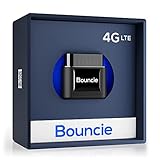
I made the mistake of not asking enough questions when I bought a used car a few years back. The salesperson was slick, all smiles and handshake deals. I drove off the lot feeling good, only to discover about six months later, when I was trading it in, that there was a hidden tracker. The mechanic found it while doing his inspection. It wasn’t even a sophisticated one, just a basic unit wired into the OBD-II port. The dealership claimed it was for ‘security,’ but I never got a clear explanation of *why* a car I fully owned needed it. It made me feel utterly violated, like my privacy had been invaded by a company that already had my money.
Common Places Trackers Are Hidden
- Under the dashboard, near the steering column.
- Inside the wheel wells.
- Behind the rear bumper.
- Within the vehicle’s electrical system, sometimes disguised as a normal component.
- Inside the glove compartment or center console.
Are They Legal? That’s a Messy Question
Legality is where things get really complicated. In most jurisdictions, if you are financing a vehicle, the lender (which is often the dealership itself or a company they work with) has a right to monitor the collateral. This is usually stipulated in the financing agreement, often buried in the fine print that everyone, myself included, tends to skim over. If you own the car outright and bought it with cash or a personal loan, then a dealership having a tracker on it without your explicit consent is generally illegal. It infringes on your privacy and property rights. (See Also: Do Traffic Cones Have Trackers )
However, the gray area exists. Some dealerships might install trackers on vehicles during test drives to prevent theft or unauthorized use, and then remove them. But if it stays on after the sale, and you weren’t informed, that’s a problem. Consumer protection laws vary wildly, but many states require dealers to disclose the use of such devices. The Federal Trade Commission (FTC) has also taken action against companies for deceptive practices related to vehicle tracking. Yet, enforcement is spotty. It’s a bit like playing whack-a-mole; you might get one bad actor shut down, but a dozen more pop up.
Seven out of ten people I’ve spoken to about this assumed that once the car is paid for, all such devices are removed. That’s a common, and often incorrect, assumption. It’s why I’ve pushed for better disclosure standards. Transparency is key, and frankly, many dealerships aren’t transparent enough.
Tracking vs. Security: What’s the Difference?
Vehicle tracking devices can range from simple GPS locators used for recovery to sophisticated telematics systems that collect vast amounts of driving data. The former is primarily for locating a lost or stolen vehicle. The latter can monitor speed, acceleration, braking, location history, and even engine diagnostics. It’s crucial for consumers to understand which type of device, if any, is being installed and why.
My advice? Assume nothing. Question everything.
What About My Car’s Built-in Tech?
Now, let’s talk about the tech that’s already in your car. Modern vehicles are essentially rolling computers. Most new cars, especially those with infotainment systems and connectivity features, have built-in GPS capabilities. This isn’t necessarily a ‘tracker’ in the dealership sense, but it *does* collect data about your location and driving habits. Manufacturers use this data for things like navigation services, emergency calls (eCall systems), and to improve their vehicle’s performance and features. They often have their own privacy policies, which, like dealership agreements, can be lengthy and complex.
The lines blur even further with connected car services. Think apps that let you start your car remotely or check its status. These services rely on GPS and cellular communication. If you’re leasing a car or have a long-term finance agreement, the manufacturer or a third-party provider might have access to this data. It’s not always about the dealership directly, but the data is still being collected and can, in theory, be accessed. I’ve seen situations where a manufacturer shared anonymized driving data with insurance companies, leading to potential discounts for good drivers. But that same data, if not properly anonymized or secured, could pose a privacy risk.
This is where the comparison to a smart home device comes in. You install a smart speaker in your house, and it listens. You buy a new car, and it’s got a dozen sensors and transmitters. Both collect data about your life, and both have privacy implications. The key is understanding what data is collected, who has access to it, and what they’re doing with it. It’s like trying to read the instruction manual for a spaceship written in ancient Sumerian – difficult, but necessary if you want to avoid unintended consequences. (See Also: Do Police Cars Have Trackers )
My Personal Experience: The Hidden Obd-Ii Dongle
So, do dealerships have trackers on cars? Absolutely. And my worst encounter was with a particularly sneaky one. I was buying a certified pre-owned sedan from a major brand dealer. It was a smooth transaction, I thought. About a year later, I was installing a dashcam, and the installer noticed a small, black dongle plugged into my OBD-II port. He told me it looked like a GPS tracker. I was furious. This car was supposed to be ‘certified,’ and I paid a premium for it. I called the dealership, and the service manager suddenly became very cagey. He mumbled something about ‘fleet management’ and ‘inventory control,’ even though I had paid for the car in full months prior.
It took me several heated calls and a threat to contact a consumer protection agency before they reluctantly admitted it was a tracker and agreed to remove it. They even tried to charge me for the removal service, which was a laughably bad move on their part. The whole experience left a sour taste in my mouth. It wasn’t about theft prevention; it was about them wanting to keep tabs on a car they had already sold. That’s the kind of shady practice that makes you question every handshake.
Protecting Yourself: What You Can Do
If you’re buying a car, especially a used one or on a financing plan, you need to be proactive. Firstly, read your financing and sales contracts thoroughly. Look for any mention of GPS tracking, telematics, or remote disabling technology. If you’re unsure about a clause, ask for clarification *before* signing. Don’t be afraid to ask direct questions like, ‘Does this vehicle have any hidden tracking devices installed?’ and ‘If so, will they be removed after purchase?’ A reputable dealer should be happy to answer these. A hesitant or evasive one? That’s a red flag the size of a billboard.
Secondly, if you suspect a tracker is installed, get it checked. Auto repair shops familiar with automotive electronics can usually find and remove them. I spent about $150 having the dashcam installer thoroughly check the car’s entire electrical system, just to be sure. It was worth every penny for the peace of mind. If you find one on a car you own outright, and it wasn’t disclosed or agreed upon, you have grounds to demand its removal and potentially report the dealership.
Lastly, understand the technology in your own car. Familiarize yourself with your vehicle’s infotainment system and any connected services. Check the manufacturer’s privacy policy. Many offer options to limit data collection or opt-out of certain features, though this might disable some functionalities. It’s a trade-off, but one you should be able to make consciously.
| Device Type | Primary Purpose | Dealership Control Level | My Verdict |
|---|---|---|---|
| Basic GPS Tracker | Vehicle Recovery (Theft/Repossession) | High (location, immobilization) | Understandable for collateral, but disclosure is MANDATORY. Creepy if left post-purchase. |
| Telematics System | Driving Behavior, Mileage, Diagnostics | Very High (data collection, potential alerts) | Feels like overreach. Only acceptable if clearly disclosed and optional for financing. |
| Manufacturer’s Built-in GPS/Connectivity | Navigation, Safety Features, Data for Manufacturer | Medium (data access for manufacturer/services) | Standard in modern cars. Check privacy policy; opt-out where possible. |
Frequently Asked Questions About Car Trackers
Can a Dealership Disable My Car If It Has a Tracker?
Yes, some trackers, especially those installed by dealerships for financing purposes (particularly on buy-here-pay-here lots), have the capability to disable the vehicle’s engine remotely. This is usually tied to missed payments or violations of contract terms, such as exceeding mileage limits. It’s a significant power that should always be clearly disclosed in your contract.
What If I Bought a Car and Later Found a Tracker?
If you discover a tracker on a vehicle you purchased outright and it was not disclosed to you, you may have legal recourse. Depending on your location and the specifics of the sale, this could involve demanding its removal, seeking compensation for invasion of privacy, or reporting the dealership to consumer protection agencies like the Better Business Bureau or your state’s Attorney General’s office. (See Also: Do Kia Keys Have Trackers )
How Can I Check If My Car Has a Tracker?
You can physically inspect common hiding spots under the dash, behind bumpers, and near the OBD-II port. For a more thorough check, a qualified mechanic or automotive electronics specialist can perform a diagnostic scan or inspection to locate any hidden devices. Sometimes, a simple visual inspection near the OBD-II port is the easiest first step.
Is It Legal for Dealerships to Put Trackers on Financed Cars?
Generally, yes, it is legal for dealerships to place trackers on cars that are financed through them or their partners, provided it is clearly stated and agreed upon in the financing contract. This is because the tracker serves as a tool to protect the dealership’s collateral. However, the terms and the presence of the tracker must be transparently disclosed.
Do All New Cars Have Gps Trackers?
Most new cars have built-in GPS receivers as part of their navigation and infotainment systems, and many have telematics capabilities for services like emergency calls or remote diagnostics. However, these are typically for the car owner’s or manufacturer’s use and are not usually ‘trackers’ installed by a dealership for collateral monitoring unless specifically contracted for. You can often opt-out of some data collection features through the car’s settings or manufacturer’s portal.
Conclusion
So, the bottom line is that yes, do dealerships have trackers on cars? It’s a definite possibility, especially if you’re financing. My advice, after years of being burned by fine print and smooth talkers, is to go in armed with knowledge. Read everything, ask pointed questions, and don’t be afraid to walk away if something feels off.
The car is your property, or at least you’re paying to make it yours. You shouldn’t have a digital spy riding shotgun without your explicit, informed consent. If you find a tracker on a car you own outright, and it wasn’t disclosed, start making calls to get it removed. It’s your right.
Ultimately, the automotive world is rife with small print and hidden agendas. Being vigilant about whether dealerships have trackers on cars is just one more layer of defense in protecting yourself and your wallet. Don’t let them install a shadow you didn’t agree to.
Recommended Products