I bought my first used car from Drivetime about seven years ago. A sensible sedan, or so I thought. The paperwork was a mile long, and honestly, I just wanted the keys and to get out of there. Fast forward a few months, and the damn thing started acting up.
Funny thing is, it wasn’t a mechanical issue. It was more about how the dealership seemed to know *exactly* when I was late on a payment, even before I got the official notice. Made me wonder, do Drivetime cars have trackers? It felt like they had eyes everywhere.
This whole situation got me thinking about what else they might be putting in these cars that we, the buyers, aren’t fully clued into. After digging around and talking to folks who’ve been through similar messes, I’ve got a clearer picture.
Surprisingly, it’s not just about Drivetime; this is a bigger conversation about modern car finance and what it means for your privacy and your wallet.
So, Do Drivetime Cars Have Trackers? Let’s Cut the Crap.
Look, the short answer is: it’s complicated, and depends heavily on your financing agreement. When you buy a car from a place like Drivetime, especially if you’re getting what’s called ‘buy here pay here’ financing, they have a vested interest in making sure you pay them back. After all, they’re taking on more risk than a traditional bank might. Because of this, it’s not uncommon for them to install GPS tracking devices, or ‘telematics devices’ as they like to call them. These aren’t just for tracking your location if you miss a payment; they can sometimes monitor driving behavior too.
I remember one time, about three years ago, I bought a used pickup truck from a smaller dealership on a similar financing plan. A week after I drove it off the lot, the check engine light came on. Annoying, right? What was more annoying was that the dealership called me *that same day* to ask if I was having trouble. I was flabbergasted. How did they know? It turned out there was a device under the dash that monitored fault codes. It felt invasive, like I was constantly being watched. I spent about $150 getting that thing removed, purely out of principle, even though it technically wasn’t doing anything *wrong* at the time. It was the feeling of being spied on that really got under my skin.
Think of it like this: if you rent a tool, the rental company often has a way to know where it is. It’s a similar principle here, but with something as personal as your car.
Why They’d Want to Know Where Your Car Is
The primary reason a dealership installs these devices is collateral protection. If you stop making payments, they need to be able to locate and repossess the vehicle. It’s their insurance policy. Some of these devices can even be remotely disabled if payments are severely overdue, preventing the car from starting. This is a big deal for dealerships that operate on tighter margins and deal with higher-risk borrowers. It’s not necessarily malicious; it’s a business practice designed to mitigate their financial exposure. (See Also: Why Does Victoria Secret Have Trackers In Their Bras )
Another angle is data collection. Some of these telematics systems can gather information about your driving habits: how fast you go, when you drive, how often you brake hard. This data *could* be used to adjust loan terms, offer insurance discounts (or penalties), or simply to build a profile of their customers. Most people I’ve spoken to about this assume it’s just about repossession, but the potential for deeper data mining is definitely there, and that’s where things get a bit more concerning for your privacy.
What the Paperwork Actually Says (if You Read It)
Here’s the kicker: if you buy a car with financing from the dealership itself, and especially if you have less-than-perfect credit, chances are high that your contract *mentions* the installation of telematics or GPS devices. It’s usually buried in the fine print, tucked away in sections about collateral security, repossession rights, or data collection. This is why reading your purchase agreement, no matter how tedious it feels after hours of car shopping, is absolutely vital.
I’ve seen contracts that explicitly state the lender reserves the right to install and monitor devices that track vehicle location and usage. It’s not a secret, it’s just not something most people pay close attention to when they’re excited about driving away in a new-to-them car. Honestly, I’ve been guilty of this too. The thrill of a new set of wheels often overshadows the dread of deciphering legal jargon.
Commonly Found Clauses (my Experience)
- Vehicle Location Monitoring: The lender may install devices to track the vehicle’s location.
- Payment Default Clause: Device functionality may be affected (e.g., disabled) in case of missed payments.
- Data Usage: Information gathered by the device may be used for various purposes related to the loan agreement.
Is It Legal? The Fine Print of Consent
Generally, yes, it’s legal, provided it’s disclosed in the contract you sign. When you sign on the dotted line for a ‘buy here pay here’ loan, you’re essentially consenting to the terms, which can include the installation of these tracking devices. The legality hinges on transparency. If they tell you, even in the dense legal text of the agreement, then they’ve covered themselves.
However, there’s a gray area regarding the *extent* of data collection and how it’s used. Some states have stricter laws about vehicle privacy and data protection than others. For instance, if a device is tracking your every move, not just for repossession but for marketing or other purposes unrelated to the loan, that could be a different story. It’s not like they’re hiding bug-eyed aliens in your glove box, but the level of surveillance can feel a bit much.
The Federal Trade Commission (FTC) has guidelines about consumer data privacy, but specific vehicle telematics laws are still evolving. Think of it like early internet privacy – everyone was collecting data, and it took a while for regulations to catch up. This feels very similar. I’ve heard stories of people being surprised by calls about their driving speed, which they had no idea was being monitored, and they felt completely blindsided, even though technically, it was probably in the contract somewhere.
My Contrarian Take: It’s Not Just Drivetime, It’s the System
Everyone wants to point fingers at specific dealerships like Drivetime and say, ‘They’re the bad guys!’ but I disagree. While some dealerships might be less transparent than others, the practice of using tracking devices on financed vehicles is pretty widespread, especially in the subprime auto loan market. It’s a tool the industry uses to manage risk. Blaming Drivetime exclusively is like blaming one specific pizza chain for the existence of pepperoni. The real issue is the system that necessitates these kinds of measures for dealerships to stay afloat while offering loans to people who might otherwise not qualify for traditional financing. (See Also: Why Do Flat Trackers Have Slick Rear Tire )
What Can You Do? Being Proactive Beats Regret
Firstly, always read your contract. Yes, it’s boring. Yes, it’s dense. But if you’re signing up for financing directly through the dealership, pay extra attention to clauses about vehicle tracking, telematics, and data collection. If you’re not comfortable with it, you can try to negotiate, though options might be limited.
Secondly, if you’ve already bought a car and suspect it has a tracker, you can often locate them. They’re usually small, self-contained units, often magnetically attached to the underside of the vehicle’s chassis, in the engine bay, or behind the dashboard. However, *do not remove it yourself* without understanding the legal implications and potentially voiding your contract. If you want it removed, it’s best to consult with the lender or a legal professional first. I know folks who’ve tried DIY removal, only to find themselves in a worse contractual situation.
Consider the trade-offs. These devices offer a way for people with credit challenges to get reliable transportation. The ‘cost’ might be a certain level of monitoring. It’s a tough balance, and one that many people in tough financial situations have to weigh.
I had a friend who bought a car and swore up and down there was no tracker. They were so proud of themselves for finding a ‘loophole’ where the dealership didn’t install one. Six months later, they missed a payment, and the car just… wouldn’t start. They were stuck on the side of the road, confused. When they finally got it towed and inspected, a mechanic found a small, nearly invisible device wired directly into the starter solenoid. It wasn’t a GPS tracker in the traditional sense, but a kill switch tied to their payment status. This was far more sophisticated and hidden than the usual magnetic GPS units. It taught me that if a dealership is providing the financing, assume they have *some* way of monitoring the vehicle’s status. The technology is there, and they’re often using it.
Comparison: Dealer Financing vs. Traditional Loans
| Feature | Dealership Financing (e.g., Drivetime) | Traditional Bank/Credit Union Loan | My Verdict |
|---|---|---|---|
| Interest Rates | Often higher, especially for subprime borrowers. | Generally lower for borrowers with good credit. | Dealer rates can be brutal if you don’t shop around. |
| Accessibility | More accessible for those with poor or no credit. | Requires good credit history. | Crucial for those who can’t get traditional loans. |
| Vehicle Tracking/Monitoring | Commonly installed (GPS, kill switches). | Rarely installed; primarily for loan default repo. | This is the big privacy trade-off. |
| Vehicle Selection | Often limited to dealer’s inventory. | Can be used for any vehicle purchase. | You’re often buying what they have, not what you want. |
| Contractual Flexibility | Less flexible; terms are set. | Can be more flexible, especially with established banks. | Read every word of the dealer contract. |
People Also Ask
Do Buy Here Pay Here Car Lots Use Trackers?
Yes, it’s very common for ‘buy here pay here’ (BHPH) car lots to install GPS tracking devices and sometimes even starter interrupt devices. This is their primary method of collateral protection since they assume more risk with these loans. If you miss payments, they need a way to locate the vehicle for repossession, and sometimes to disable it remotely.
Can a Car Dealer Track My Car After I Buy It?
If you financed the car through the dealership and the contract includes terms allowing for tracking devices, then yes, they can legally track your car. This is typically disclosed in the loan agreement you sign. Without that consent, or if the tracking goes beyond what’s agreed upon, it could be a privacy violation.
How Do I Know If My Car Has a Gps Tracker?
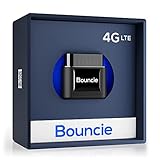
You can often find them by looking for small, box-like devices attached to the vehicle’s frame, often with magnets, or wired into the car’s electrical system. Common locations include under the dashboard, near the OBD-II port, in the engine compartment, or beneath the car’s body panels. Sometimes, the OBD-II port itself can house a tracking device, which is easy to spot if it looks like an add-on. (See Also: Is Th Vivofit 3 Have Timers And Trackers On It )
What Happens If I Remove a Tracker From a Financed Car?
Removing a tracking device from a car you financed through the dealership can be a serious breach of your loan contract. It could lead to immediate repossession of the vehicle, additional fees, damage to your credit score, and even legal action. It’s best to consult with the lender or an attorney before attempting to remove any installed device.
Are Car Trackers Mandatory?
No, car trackers are generally not mandatory unless they are part of a specific financing agreement or a condition of insurance for high-risk drivers or fleets. For most standard car purchases, especially those financed through traditional banks, trackers are not installed. They are primarily a tool used by lenders who are taking on higher risk.
Conclusion
So, do Drivetime cars have trackers? The evidence strongly suggests that if you finance through them, especially with subprime lending, it’s highly probable. They, like many BHPH dealers, use these devices as a business necessity to protect their investment.
It boils down to what you’re willing to accept for the convenience of getting a car when other options might be scarce. I’ve learned the hard way that assuming anything about car dealerships, especially when it comes to financing, is a mistake you’ll pay for, often literally.
Before you sign anything, take the time to understand the terms. If you’re concerned about privacy, explore all your financing options, including traditional banks and credit unions, before committing to dealer financing where tracking devices are likely part of the deal.
Ultimately, knowing that these devices exist and understanding the contractual implications is the first step to not feeling blindsided down the road.
Recommended Products