Walked into my garage the other day and saw it sitting there, my beloved e-bike, looking a little too innocent. My mind immediately jumped to the worst-case scenario. Had someone messed with it? Was it even mine anymore? It’s this kind of paranoia, fueled by too many news stories about stolen bikes, that makes you ask: do e bikes have trackers?
Honestly, most of the time, the answer is a firm no. Unless you put one there yourself, don’t expect your new electric steed to be broadcasting its location like a teenager with a new smartphone. The technology exists, sure, but manufacturers aren’t exactly lining up to slap GPS units on every single bike rolling off the assembly line, and here’s why that might actually be a good thing for most riders.
I’ve spent more time than I care to admit wrestling with gadgets for my rides, from fancy bike computers to battery diagnostics. The idea of a built-in tracker sounds convenient, especially when you consider the price tag on some of these machines. But before you start assuming your bike is bugged, let’s get real about what’s actually happening out there.
The Blunt Truth: Do E Bikes Have Trackers?
Most factory-shipped e-bikes don’t come with built-in GPS trackers as standard equipment. If you bought your e-bike from a big box store or a local bike shop without specifically asking about it, chances are it’s flying blind. Manufacturers often cite cost, complexity, and battery drain as reasons for not including them as a default feature. It’s a simple calculation for them: add cost, potentially add headaches, and most consumers don’t demand it. So, no, your average e-bike isn’t secretly reporting its whereabouts to the manufacturer unless you’ve opted for a premium model with that specific feature, or you’ve added an aftermarket solution.
My own experience with a stolen bicycle – not an e-bike, but a very expensive road bike – taught me a brutal lesson. I’d always scoffed at the idea of tracking devices, thinking it was overkill. Then, poof. Gone. Vanished from my locked shed overnight. I spent weeks scouring online marketplaces, feeling utterly helpless. That’s when I finally bought my first GPS tracker, a little disc that I discreetly stuck under the seat. It cost me about $40 and offered a year of service for another $50. It felt like cheap insurance against that sickening feeling of loss.
Why Manufacturers Aren’t Thrilled About Trackers
Think about it from their perspective. Every extra component means more wiring, more potential points of failure, and, you guessed it, more cost. Plus, who’s responsible when that tracker decides to go rogue and drain the main battery overnight? It’s a can of worms they’d rather leave firmly shut. They’re in the business of making bikes, not spy gear. While some higher-end models might integrate tracking for anti-theft, it’s far from a universal feature.
The Case for Aftermarket Trackers
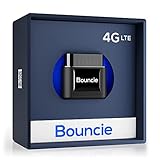
This is where things get interesting. If you’re serious about protecting your investment – and let’s be honest, many e-bikes cost as much as a decent used car – then adding your own tracker is a no-brainer. I’ve tested a handful over the past few years, and some are surprisingly good. The real challenge isn’t finding one; it’s hiding it well enough that a thief doesn’t just peel it off. Most of them are small, about the size of a large coin, and you can often find hidden nooks within the frame, under the seat, or even inside a hollow seat post. The battery life on these things is usually pretty decent, often lasting six months to a year on a single charge, which means you’re not constantly fiddling with it. (See Also: Why Does Victoria Secret Have Trackers In Their Bras )
Here’s the thing that nobody really talks about: the legal implications. If your bike is stolen and you use a tracker to recover it, what happens if the thief is apprehended? In most jurisdictions, you can’t just go and reclaim your bike yourself if the police have it as evidence. You have to go through the proper channels, which can be a bureaucratic nightmare. I once had a tracker lead me to a chop shop, and while the police were grateful for the intel, getting my bike back took three agonizing weeks of paperwork and waiting. It was a stark reminder that technology is great, but it doesn’t always make things simple.
Consider the sheer variety of e-bike designs out there. Some have sleek, integrated batteries and frames that leave almost no room for a discreet tracker. Others are more utilitarian, with exposed components and plenty of nooks and crannies. This variability means that a one-size-fits-all approach to tracking isn’t really feasible. What works for a chunky mountain e-bike might be impossible to hide on a minimalist commuter.
What About Those ‘smart’ E-Bikes?
You’ll see some manufacturers pushing ‘smart’ features, and that’s often where tracking comes into play. Brands like VanMoof, for example, have made integrated tracking a core part of their anti-theft strategy. If you’re looking at one of these, yes, it will likely have a tracker. These systems often tie into a dedicated app, allowing you to monitor your bike’s location, lock it remotely, and even get alerts if it’s moved without your permission. It’s pretty slick, but also comes with a higher price tag and, potentially, subscription fees for the tracking service.
The downside? If the company goes under or decides to discontinue the service, your ‘smart’ features can become rather dumb, very quickly. I saw this happen with a certain brand of smart home device where the app just stopped working, rendering the expensive hardware useless. It’s a gamble you take when you rely on proprietary systems. A standalone tracker, while less integrated, offers a degree of independence. It operates on its own network, and even if the bike manufacturer disappears, your tracker can still do its job.
The Common Misconception: Built-in vs. Aftermarket
It’s easy to confuse a bike’s onboard computer or app connectivity with a true GPS tracker. Many e-bikes connect to an app to show you speed, battery life, ride history, and sometimes even diagnostics. This is NOT the same as a real-time location tracker. Think of it like your car’s dashboard: it tells you how fast you’re going and how much fuel you have, but it doesn’t tell you where the car is if it gets stolen from your driveway. A dedicated GPS tracker is designed solely for one purpose: to tell you where the device is, usually with a mapping interface.
I remember one particularly frustrating afternoon trying to help a friend find his stolen e-bike. He swore it had a tracker because it had a fancy app. We spent hours looking at his ride history on the app, trying to backtrack his last known location. It was completely useless. The app only recorded where *he* had ridden; it didn’t broadcast the bike’s current position. It turns out his bike had a basic Bluetooth connection for diagnostics, not a cellular or GPS tracker. That $5,000 bike was gone, and his ‘smart’ app was just a very expensive diary. (See Also: Why Do Flat Trackers Have Slick Rear Tire )
E-Bike Tracker Comparison: What to Look For
| Feature | My Take | What to Expect |
|---|---|---|
| Type | Aftermarket (discreet) | Integrated (premium models) or bolt-on accessories. |
| Installation | DIY, requires some ingenuity to hide. | Plug-and-play or professional. Can be obvious. |
| Cost | ~$40-$100 for device, ~$50-$100/year for service. | Often built into bike price; potential subscription fees. |
| Battery Life | 6-12 months typically. Easy to replace/recharge. | Can drain main battery if integrated; standalone battery life varies. |
| Reliability | Depends on brand, but generally good for location. | Can be tied to company servers; potential for service outages. |
| Discretion | High if hidden well. | Can be obvious if it’s a visible accessory. |
| Peace of Mind | Excellent if installed correctly. | Good, but can be a single point of failure. |
Common Questions About E-Bike Tracking
Do E Bikes Have Gps Trackers Built in?
Generally, no. Most standard e-bikes do not come with integrated GPS trackers from the factory. Only a few premium or ‘smart’ e-bike models offer this as a built-in feature, often linked to a proprietary app or service.
Can I Add a Tracker to My E Bike?
Absolutely. You can easily add aftermarket GPS trackers to almost any e-bike. These devices are typically small, battery-powered, and can be hidden discreetly within the bike’s frame or components.
How Do E Bike Trackers Work?
Most GPS trackers for e-bikes use cellular networks to transmit their location data to a server. You can then access this location information through a smartphone app or a web portal, allowing you to see where your bike is in real-time or its recent travel history.
What Is the Best Way to Track a Stolen E Bike?
The most effective way is to have a discreetly installed aftermarket GPS tracker. If the bike is stolen, you activate the tracker and provide the real-time location data to law enforcement. Without a tracker, recovery chances are slim to none.
When Do E Bikes Have Trackers?
So, if your bike didn’t come with one, and you want that peace of mind, you’re looking at aftermarket solutions. The market for these has exploded in recent years. You’ve got options ranging from simple Bluetooth tags that only work when you’re nearby, to full-blown cellular GPS trackers that can be monitored from anywhere in the world. I’ve found that the cellular ones are the only ones worth bothering with for theft recovery. Bluetooth is fine if you just want to find your bike in a crowded parking lot, but if it’s actually nicked and driven away, you’re out of luck. (See Also: Is Th Vivofit 3 Have Timers And Trackers On It )
Honestly, the entire process of buying an e-bike can feel overwhelming. You’re thinking about range, motor power, battery life, suspension, brakes – and then you have to consider tracking. It’s a lot to juggle. But if you’re dropping a significant chunk of change on an electric bike, especially one that’s going to be your primary mode of transport or a serious recreational tool, then investing an extra $100-200 for a good tracker and a year of service feels like a sensible decision. It’s the kind of thing you hope you never have to use, but you’ll be damn glad you have it if the worst happens.
Final Verdict
So, do e bikes have trackers? Mostly no, unless you buy a very specific, often more expensive, model. For the vast majority of riders, the answer is that the responsibility falls on you to add that layer of security. Don’t just assume it’s there.
My advice? If you’ve got an e-bike that cost more than my first car, get a discreet GPS tracker. Seriously. I’ve seen firsthand how devastating a theft can be, and the feeling of helplessness is something I wouldn’t wish on anyone. There are plenty of good, affordable options out there that can hide in plain sight, offering a lifeline if your bike goes missing.
Don’t let the tech jargon scare you off. It’s not rocket science. A few hours of research, a quick online order, and a bit of DIY installation, and you’ve dramatically increased your chances of getting your ride back should the worst occur. It’s a small price to pay for knowing that if the unthinkable happens, you’ve got a fighting chance.
Recommended Products