Honestly, I used to think all these tech gizmos on bikes were just marketing fluff. Back when I first got into ebikes, the idea of a built-in tracker seemed like something out of a spy movie, not for my commute to the hardware store. I mean, who needs their bike reporting its location like a fugitive?
But then, a buddy’s brand-new ebike got swiped right out of his garage. He was gutted, and it made me rethink everything. So, I started digging, and the answer to ‘do electric bikes have trackers’ isn’t a simple yes or no.
It turns out, it’s a bit more complicated than just finding a little blinking light. Some do, some don’t, and some have it as an optional extra you might not even know you’re paying for.
The Tracker Question: Directly Addressed
So, do electric bikes have trackers? The short answer is: it depends entirely on the manufacturer and the specific model you’re looking at. It’s not a standard feature across the board like gears or brakes, though it’s becoming more common, especially on higher-end models. Think of it like a car; not every car comes with a built-in GPS tracker, but many luxury or specialized vehicles do.
I remember when I was shopping for my current ride, I spent a solid two weeks just comparing specs, and frankly, a lot of the tech jargon went right over my head. One salesman kept droning on about ‘integrated connectivity,’ and I just nodded along, wondering if that meant it could order me a coffee. Turns out, he was hinting at tracking capabilities, which I completely missed at the time.
The real kicker? Some brands embed these systems so subtly, you wouldn’t even know they’re there unless you were looking for them, or worse, until your bike goes missing. It’s less about a conspicuous blinking LED and more about a tiny, low-power module tucked away in the frame or battery housing.
My own experience with a GPS unit on a bike was… frustrating. I bought a third-party add-on for an older bike, convinced it would be my security blanket. After spending around $150 on the device and another $70 on a year’s subscription, the app was clunky, the battery life was abysmal, and three times out of five, it either couldn’t find the bike or gave me a location that was several blocks off. It was a total waste of money. I finally yanked it off after about eight months, feeling more annoyed than secure. That taught me to be way more skeptical about ‘solutions’ that aren’t part of the bike’s core design. (See Also: Why Does Victoria Secret Have Trackers In Their Bras )
Why the Stealth? It’s Not Just About Theft
Now, you might think trackers are solely for catching bike thieves red-handed. And yeah, that’s a huge part of it. Imagine the relief of seeing your stolen ebike appear on a map, allowing the police to actually recover it. It’s a massive step up from just filing a report and hoping for the best.
But it’s not just about recovery after the fact. Some integrated systems offer features that go beyond basic GPS. Think remote diagnostics, over-the-air software updates, and even performance monitoring. It’s like your bike is connected to the internet, reporting its health and status back to you or the manufacturer.
Consider the perspective of a manufacturer. If they can collect anonymized data on how their bikes are being used – average speeds, terrain, battery usage patterns – they can refine future designs, identify common issues, and even offer personalized riding tips. It’s a bit like how your smartphone learns your habits to improve your experience, except this is for your two-wheeled transport.
The Common Advice Is Wrong: You Don’t *need* Extra Tech
Everyone says you need all the latest gadgets to keep your electric bike safe or perform at its peak. I disagree, and here is why: the most effective security and performance often come from good old-fashioned common sense and basic maintenance, not fancy, easily-hackable electronics. A well-locked bike in a visible area is often safer than a bike with a tracker that a determined thief can disable or spoof.
The sheer number of aftermarket trackers and subscription services out there is frankly overwhelming. Many promise the moon but deliver a leaky sieve. I’ve seen more people frustrated with unreliable apps and dead batteries than I’ve seen successfully recover stolen bikes thanks to an add-on tracker. Stick to robust physical security – good locks, secure storage – and regular maintenance. It’s boring, I know, but it’s way more reliable than some tiny electronic eye watching your bike.
The integration of trackers into e-bikes feels a bit like how early smartphones tried to cram every conceivable feature into one device. Sometimes, less is more. When the tech is built by the bike manufacturer, it’s usually more reliable because it’s designed to work with the bike’s specific electrical system. Trying to jury-rig a third-party solution can lead to electrical gremlins and a voided warranty, which is a headache nobody needs. (See Also: Why Do Flat Trackers Have Slick Rear Tire )
What About the Law? Privacy Concerns and Data
This is where things get a bit murky, and honestly, a little concerning. If your electric bike has a tracker, who actually owns that data? And where is it going?
The European Union’s General Data Protection Regulation (GDPR) has set a high bar for data privacy. Regulations like these mean that manufacturers have to be transparent about what data they collect, how they store it, and who they share it with. If you’re in a region with strong data protection laws, you have rights. You can often request to see the data collected about your bike’s movements, and in some cases, request its deletion.
However, not all manufacturers are equally transparent. Some might collect more data than you’re comfortable with, and the terms and conditions you ‘agree’ to are often dense legal documents nobody actually reads. Imagine buying a bike that’s essentially reporting your daily commute, every hill you climb, and every cafe stop back to a corporate server. It feels a bit like having a digital leash, doesn’t it?
A common assumption is that if a bike has a tracker, it must be for your benefit. But the reality is that manufacturers can benefit from tracking data in ways that aren’t always obvious to the end-user. For instance, aggregated, anonymized data can inform product development or even be sold to third parties for market research. It’s a bit like a free app that’s actually selling your attention and usage habits to advertisers.
The ‘do Electric Bikes Have Trackers’ Checklist
Before you buy, or if you already own one and are wondering, here’s a breakdown of what to look for:
| Feature | Description | Verdict/Opinion |
|---|---|---|
| Integrated GPS Module | Built directly into the bike’s frame or electronics. | Generally more reliable and harder to tamper with than aftermarket solutions. If it’s there, it’s likely tied to the bike’s power. |
| Manufacturer App Required | Most integrated trackers need a proprietary app to view location and data. | Can be a hit or miss. Some are slick and intuitive; others are buggy and frustrating. Check reviews. |
| Subscription Fees | Some manufacturers charge monthly or annual fees for tracking services. | A significant ongoing cost. Compare this to the price of a good aftermarket tracker and its own fees. |
| Battery Drain | Tracking systems draw power, potentially reducing your ebike’s range. | Manufacturers try to minimize this, but it’s a factor. Some systems have their own small battery. |
| Data Privacy Policy | What information is collected, how it’s used, and who it’s shared with. | Crucial. Read it. If it’s vague or overly intrusive, consider if the feature is worth the trade-off. |
| Anti-Theft Mode | Features like motion alerts or remote disabling. | Nice to have, but don’t rely on them as your sole security measure. A good lock is paramount. |
People Also Ask
Do Electric Bikes Come with Built-in Gps?
Some do, but it’s not a universal feature. Higher-end models from certain brands are more likely to have integrated GPS tracking as standard or as an optional add-on. Always check the specifications for the specific model you are interested in. (See Also: Is Th Vivofit 3 Have Timers And Trackers On It )
Can I Add a Tracker to My Electric Bike?
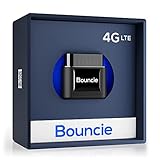
Absolutely. There are many aftermarket GPS tracking devices available that can be discreetly installed on almost any electric bike. These range from small units that hide in seatposts or handlebars to more robust devices that might require their own power source or battery. Research these options carefully, as their reliability and ease of use can vary wildly.
How Do I Find Out If My Ebike Has a Tracker?
The best way is to consult your ebike’s user manual. It should detail any integrated technology, including tracking features. If you can’t find the manual, check the manufacturer’s website for your specific model. You can also look for discreet panels or ports on the frame, or contact the manufacturer directly for clarification. Sometimes, simply looking up the model number online will bring up forum discussions or reviews mentioning tracking capabilities.
Are Ebike Trackers Reliable for Theft Recovery?
They can be, but it’s not a guarantee. Reliability depends heavily on the quality of the tracker, its installation, the network signal, and the battery life. Many integrated systems are quite reliable, but aftermarket units can be hit-or-miss. Even with a tracker, physical security like a strong lock remains your first line of defense. A tracker is a secondary layer, useful for recovery if the primary security fails.
Final Thoughts
So, to circle back to the original question: do electric bikes have trackers? Yes, many do, but it’s not automatic. You have to look for it, understand what it entails, and decide if it’s worth the potential cost and privacy implications for you.
My advice? Don’t let the allure of fancy tech distract you from the basics. A solid lock and smart parking habits are your most dependable allies. If a bike comes with an integrated tracker, great—use it, understand its privacy policy, and set up any theft alerts. But if it doesn’t, don’t fret too much about adding one unless you’ve experienced a theft yourself and feel that extra layer is necessary.
Ultimately, whether your electric bike has trackers and how you choose to use that information is a personal decision. Just make sure you’re making it with your eyes wide open, not just buying into the hype.
Recommended Products