Forget the slick brochures and corporate jargon for a second. Let’s talk about what’s actually going on under the hood, or rather, under the dashboard. For years, I’ve seen companies pour money into systems that promised the moon and delivered… well, a lot of blinking lights and confusing reports.
So, do enterprise vehicles have trackers? Yes, most of them do. But the real question isn’t *if* they have them, it’s *why* and *how* they’re used, and whether that’s good for you or just good for the bottom line.
Chalk it up to my own dumb mistakes, but I’ve spent more than I care to admit on fleet management gizmos that turned out to be more hassle than help. Learning which ones are genuinely useful and which ones are just glorified paperweights is a hard-won skill.
This isn’t about abstract concepts; it’s about the greasy reality of keeping a fleet moving and making sure you’re not getting fleeced or, worse, being tracked in ways you never expected.
Why Companies Actually Put Trackers in Your Work Car
Honestly, it boils down to two main things: money and control. When a company hands you the keys to a vehicle, especially if it’s a bunch of them, it’s a significant investment. They want to know where that investment is. Think of it like this: would you let someone borrow your $50,000 tool without knowing where it is or how it’s being used? Probably not.
GPS tracking systems, or telematics as the corporate types call them, give managers eyes on everything. They can see if drivers are sticking to approved routes, how long they’re idling (which burns fuel, remember), and even how aggressively they’re driving – think hard braking or speeding. For a fleet of, say, 30 vans, those little savings add up faster than you’d think. I once worked for a small outfit where the owner swore up and down about fuel efficiency, only to find out half the drivers were taking suspiciously long “lunch breaks” miles away from the office. Once the trackers went in, those detours vanished faster than free donuts on a Monday morning.
My Own Dumb Mistake with Fleet Tech
Years ago, I was convinced I could outsmart the system. My company had just implemented this new GPS tracker. They said it was for “safety and efficiency.” I heard “Big Brother is watching.” So, I decided to do what any sensible mechanic would do: try to find a way to disable it. I spent a good weekend fiddling under the dash of my company car, convinced I was a genius. I ended up accidentally shorting something, and for about three days, my car’s entire electrical system was on the fritz. The repair bill? Around $450. The company, of course, knew exactly what happened because, you guessed it, the tracker was still transmitting data even when the car was off, showing its location and the erratic power draw. I looked like a complete idiot, cost myself a chunk of change, and learned a valuable, albeit expensive, lesson: these things are usually harder to mess with than you think, and they often report even when you think they’re dead. (See Also: Why Does Victoria Secret Have Trackers In Their Bras )
It was a humbling experience, to say the least. That $450 felt like a thousand bucks when I was trying to explain it to my boss.
The Truth About Privacy and Work Vehicles
Everyone asks, “do enterprise vehicles have trackers?” and then immediately follows up with “Am I being spied on?” The short answer is, yes, to an extent. Companies argue it’s for legitimate business purposes: optimizing routes, ensuring driver safety, verifying service calls, and preventing unauthorized use. But let’s be blunt: they can see where you are, when you stop, how long you stop for, and how fast you’re going. If you’re using a company car for personal errands after hours and your employer doesn’t have a clear policy on that, you could be in for a surprise. Think of it less like a detective on your tail and more like a meticulously detailed logbook of your every movement in that vehicle.
The key here is company policy. A well-run company will have a written document outlining what data is collected, how it’s used, and when it’s accessed. If you haven’t seen one, ask for it. It’s your right to know. I’ve seen situations where drivers assumed they had free rein, only to get a call from HR about their “unscheduled stop” at a bar at 2 PM on a Tuesday. It’s not about catching you doing something wrong; it’s often about accountability and understanding operational costs. From a business perspective, knowing that a vehicle is in traffic for two hours when it should take 30 minutes helps identify potential issues, whether it’s a driver problem or a route problem.
Are Trackers Overrated? My Honest Take
Okay, here’s where I go against the grain. Everyone talks about how these trackers are a “must-have” for efficiency. I disagree, and here’s why: the *quality* of the data and the *insight* you get from it are far more important than the mere presence of a tracker. I’ve seen systems that churn out mountains of data, but it’s so poorly presented or requires a PhD in data analytics to decipher that it’s practically useless. It’s like having a toolbox filled with every wrench imaginable but no screwdriver – you have the tools, but you can’t actually fix anything.
True efficiency doesn’t just come from knowing a vehicle is moving; it comes from understanding *why* it’s moving the way it is. Are drivers stuck in predictable traffic jams? Is there a better way to route deliveries? Is the vehicle spending too much time at job sites because the technician is inefficient, or because the customer keeps adding last-minute requests? A good telematics system should help answer these questions, not just log miles. The hardware itself is often the easy part; the software and how a company interprets the data make all the difference. I’ve dealt with systems that made my eyes glaze over with endless spreadsheets, and others that presented a simple, clear dashboard that immediately flagged areas for improvement.
What Happens If You Mess with It?
Let’s talk about the real-world consequences. Tampering with a company-installed GPS tracker is, in 99% of cases, a fireable offense. It signals a complete lack of trust and a deliberate attempt to hide something. Companies aren’t fools; these devices are designed to be tamper-resistant, and many report their own status. If a tracker suddenly goes offline or its signal is interrupted in a way that’s not consistent with normal operation (like driving through a tunnel), it raises an immediate red flag. (See Also: Why Do Flat Trackers Have Slick Rear Tire )
Furthermore, modern systems often integrate with other company resources. If your work phone suddenly loses GPS signal simultaneously with the vehicle tracker, it paints a pretty clear picture. The cost of replacement, liability for accidents that might occur when you’re trying to disable the tracker, and the professional repercussions far outweigh any perceived benefit of avoiding it. It’s like trying to hide from your boss by duct-taping your eyes shut. You might not see them, but they can certainly still see you.
Comparing Tracking Solutions: What’s Actually Out There
When we talk about enterprise vehicle tracking, it’s not just one thing. There are several approaches, each with its own pros and cons. Here’s a quick rundown, with my two cents on each:
| Type of Tracker | How it Works | Pros | Cons | My Verdict |
|---|---|---|---|---|
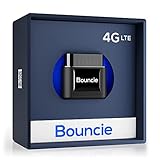
| OBD-II Plug-in | Plugs directly into the vehicle’s On-Board Diagnostics port. | Easy to install/remove, captures engine diagnostics. | Can be easily unplugged by the driver, data can be limited. | Good for basic tracking and driver behavior, but easily defeated. |
| Hardwired | Professionally installed, connected directly to vehicle power. | More secure, less likely to be tampered with, often more robust data. | Requires professional installation, potentially costly upfront. | The go-to for serious fleet management where security is key. |
| Battery-Powered/Asset Tracker | Small, self-contained unit, often adhered or hidden. | Versatile for trailers, equipment, or company assets not always powered. | Battery life is a factor, may not capture real-time engine data. | Excellent for non-powered assets or specific tracking needs. |
| Smartphone App | Uses the driver’s company-issued smartphone’s GPS. | Low hardware cost, leverages existing devices. | Privacy concerns, reliant on driver keeping app active, less reliable for vehicle-specific diagnostics. | A budget option, but fraught with potential issues and resistance. |
Do Enterprise Vehicles Have Trackers? Frequently Asked Questions
Can My Employer Track My Personal Phone If It’s Used for Work?
If your employer provides you with a phone, they can almost certainly track its location and usage for business purposes. If you use your personal phone for work, it gets trickier. Many companies use mobile device management (MDM) software that allows them to track location and data usage, but this should be clearly outlined in their policy. Without explicit consent or a clear policy, tracking personal devices is a legal minefield.
What If I’m Just Driving to a Job Site and the Tracker Shows I Stopped for Coffee?
This is where company policy and common sense collide. Most systems allow for some flexibility or reporting of unscheduled stops. A good fleet manager will look at the overall pattern. One quick coffee stop isn’t usually an issue, especially if you make up the time. However, if these “quick stops” become frequent or significantly delay your work, it will be flagged. The data provides a starting point for a conversation, not necessarily an automatic punishment.
Does a Tracker Affect My Car’s Performance or Battery?
A properly installed OBD-II or hardwired tracker should have a negligible impact on your vehicle’s performance or battery life. They are designed to draw minimal power. However, a faulty installation or a poorly designed device could potentially cause issues. My own battery mishap was entirely my fault for trying to hack it, not a product defect.
Can the Police Access My Company Vehicle’s Gps Data?
Typically, law enforcement needs a warrant or a court order to access data directly from a private company’s tracking system. However, if your vehicle is involved in a crime and law enforcement seizes it, they will likely access any data the vehicle’s onboard systems (including trackers) can provide. The data belongs to the company, not you, so their policies on data sharing with authorities are what matter. (See Also: Is Th Vivofit 3 Have Timers And Trackers On It )
Conclusion
So, do enterprise vehicles have trackers? Yes, almost certainly. It’s not a matter of if, but how they’re implemented and for what purpose. Remember my $450 screw-up? That’s the kind of surprise you get when you assume you know better than the tech.
Understanding the basics of how these systems work, what data they collect, and what your company’s policy is can save you a lot of headaches, and potentially a lot of money. Don’t just accept it; ask questions. Know what’s being logged and why.
If you’re in a position where you’re managing a fleet, invest in systems that give you actionable insights, not just raw data. For drivers, be aware of what’s happening, follow policy, and save yourself the trouble of trying to outsmart technology that’s often smarter than you are.
Recommended Products