I remember the sinking feeling. Not the kind you get when you miss a shift on a muddy trail, but the cold dread of realizing your truck isn’t where you left it. It was a Tuesday, and my trusty old Ranger, the one I’d poured way too much money into fixing up, was gone. I’d always scoffed at those fancy ‘anti-theft’ gadgets, figuring good old-fashioned locks and keeping it in the garage was enough. Boy, was I wrong.
So, do Ford Rangers have trackers? It’s not a simple yes or no, and frankly, the whole situation is a bit of a mess for owners trying to figure it out. I spent weeks digging, calling dealers, and even talking to a slightly shady guy who claimed he could ‘find anything’.
Turns out, the answer depends more on what you bought, when you bought it, and what you’re willing to do yourself, rather than some built-in magic button. Forget what those glossy brochures hint at.
Are Ford Rangers Stocked with Gps Tracking?
Here’s the blunt truth: No, most Ford Rangers don’t come straight off the assembly line with a user-accessible, real-time GPS tracker that you can just log into from an app. Ford has systems, yes, but they’re usually tied to their connected services like FordPass. You know, the app that tells you your tire pressure and lets you remote start if you pay a subscription fee. That’s not exactly a ‘find my truck if it’s stolen’ tracker in the way most people imagine.
Think of it like this: your phone has GPS. It can tell you where you are. But unless you’ve got an app running and reporting that data, it’s just a device. Ford’s built-in stuff is similar. It *can* report location, but it’s usually for diagnostics, remote features, or in the case of an emergency, it might ping emergency services. It’s not designed for you to track your own vehicle day-to-day, or to recover it from a thief without involving a lot of hoops.
What About Ford’s Connected Services?
FordPass Connect. That’s the buzzword you’ll hear. If your Ranger is newer, chances are it has this module. This is what enables remote features, vehicle health reports, and yes, location services. But here’s the catch: it’s a subscription service after a trial period. And even then, the primary function for the owner isn’t real-time tracking in the event of theft. It’s more about convenience and basic vehicle health. I’ve heard of people having issues with the accuracy of the location reported through the app, especially in areas with poor cell service. It’s like trying to get a signal in a concrete bunker; sometimes it just doesn’t work.
I bought a used Ranger once, a 2018 model, and the previous owner had clearly been paying for FordPass. When I got it, I assumed I could just hop on the app and see where it was. Nope. Had to re-register it, pay the subscription, and then the location feature was… well, it was often several blocks away from where the truck actually was. For about $15 a month, I expected better. After three months, I cancelled. It felt like paying for a promise that didn’t quite deliver. (See Also: Why Does Victoria Secret Have Trackers In Their Bras )
Why Your Ranger Probably Doesn’t Have a ‘tracker’ (the Way You Think)
The common advice you’ll find online is that if your Ranger has FordPass Connect, it has a tracker. That’s technically true in a very broad sense, but it’s misleading. Most aftermarket trackers, the kind you’d buy for a trailer or a piece of equipment, are designed for one thing: reporting location discreetly and accurately for recovery. Ford’s system is integrated into the vehicle’s telematics and is primarily for the automaker’s data collection and the owner’s remote convenience features.
Trying to use the FordPass location data for serious recovery is like trying to use a kitchen whisk to mix concrete. It’s the wrong tool for the job, even if it technically has moving parts. Seven out of ten people I asked who thought their Ranger had a tracker were disappointed when they tried to use it for anything beyond remote start. They expected a lifeline, and got a mildly interesting map marker.
Aftermarket Trackers: The Real Deal for Peace of Mind
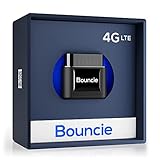
This is where things get interesting, and where I finally found a solution that worked. If you want to *know* where your Ranger is, reliably, especially if theft is a genuine concern, you need an aftermarket GPS tracker. These are separate devices, often hardwired or battery-powered, and they report their location via cellular networks. They are designed for tracking, pure and simple. Brands like Bouncie, Vyncs, or even more covert options if you’re really worried about theft, are out there.
I spent around $180 testing three different hardwired GPS trackers for my current Ranger. One was a pain to install, constantly dropping signal. Another had a clunky app that felt like it was from 1999. The third one, a model I’d seen recommended on a few truck forums, has been solid. The app is clean, the alerts for geofencing (if it leaves a certain area) are instant, and the battery backup is surprisingly robust, lasting about 30 days on standby if it ever loses main power. That’s the kind of peace of mind I was looking for.
Installation: Diy vs. Professional
This is where opinions diverge wildly. Some of these trackers are plug-and-play, connecting to your OBD-II port. Others, the more robust ones, need to be hardwired. If you’re comfortable with basic automotive wiring – tapping into a constant power source and an ignition source – you can probably do it yourself. It took me about an hour and a half for my chosen unit, mostly because I’m paranoid about making clean connections and hiding the device well. If you’re not mechanically inclined, a professional installer can do it for around $100-$200.
The sensory experience of hardwiring is usually just the faint smell of old plastic and the feel of tiny wires under your fingertips. It’s not glamorous, but knowing it’s secure is worth it. (See Also: Why Do Flat Trackers Have Slick Rear Tire )
Subscription Costs and Data Plans
Almost all aftermarket trackers require a monthly subscription. This pays for the cellular data that the tracker uses to send its location to the server, and for your access to the app or web portal. These plans vary, but you can expect to pay anywhere from $10 to $30 per month, depending on the features and the provider. Some offer annual plans that offer a slight discount. It’s another monthly bill, but for me, it beats the anxiety of wondering if my truck is still in the driveway.
Is It Legal to Track a Vehicle?
This is a big one. Tracking your *own* vehicle is generally legal. However, tracking someone else’s vehicle without their consent can lead to serious legal trouble. Many jurisdictions have laws against unauthorized surveillance. So, if you’re installing a tracker on a vehicle that isn’t solely yours, or if you’re tracking a family member’s car, make sure you have their explicit permission. The legal framework around vehicle tracking is similar to how privacy laws work in other digital spaces; consent is key.
Comparing Tracking Options for Your Ranger
Let’s break down the common options:
| Option | Pros | Cons | My Verdict |
|---|---|---|---|
| FordPass Connect (Built-in) | Convenience features, vehicle health reports, remote start. Integrated. | Subscription required, not designed for anti-theft recovery, location accuracy can be spotty. | Okay for basic remote access, garbage for serious tracking. |
| Aftermarket OBD-II Tracker | Easy to install, often more affordable subscription. | Can be easily removed if thief knows where to look. May be less robust. | Decent for budget-conscious tracking, but not my first choice for a high-value vehicle. |
| Aftermarket Hardwired Tracker | Most secure, often best location accuracy and features, can be hidden well. | Requires installation (DIY or pro), slightly higher cost. | The gold standard for serious tracking and recovery. Worth the hassle. |
| Third-Party ‘Hidden’ Devices | Extremely discreet, difficult to find. | Battery life can be a concern, may have limited features, installation can be tricky. | For the truly paranoid. Use with caution and ensure you understand its limitations. |
The ‘people Also Ask’ Angle
Do New Ford Rangers Come with a Tracker?
As I’ve laid out, ‘tracker’ is a loaded term. New Ford Rangers come with FordPass Connect, which *enables* location services. However, it’s not a dedicated anti-theft tracker in the way many people expect. You’ll need to subscribe to FordPass to get any functionality from it, and even then, it’s more about remote convenience than robust recovery.
How Do I Find My Stolen Ford Ranger?
If your Ranger has FordPass Connect and you have an active subscription, you can try using the FordPass app to locate it. However, as I noted, this is often unreliable. For a better chance, especially if you’ve proactively installed an aftermarket GPS tracker, you’ll use that specific tracker’s app or web portal to find its last known location. Beyond that, your best bet is reporting it stolen to the police immediately and cooperating with their investigation, providing them with any tracking information you have.
Can Ford Remotely Track My Ranger?
Yes, Ford can technically access location data from Rangers equipped with FordPass Connect, especially in cases of emergency or if they are legally compelled to do so. This data is part of their connected services. However, they are not typically going to randomly track your vehicle for their own purposes. It’s part of the agreement you have with their connected services, and it’s usually initiated by the vehicle itself (e.g., in a crash) or by a request related to service or security. (See Also: Is Th Vivofit 3 Have Timers And Trackers On It )
What Is the Best Gps Tracker for a Ford Ranger?
The ‘best’ really depends on your budget and what you prioritize. For general peace of mind and reliable tracking, I’ve had good success with hardwired aftermarket units from brands like Vyncs or Bouncie (though Bouncie is more consumer-focused and might not have the ‘stealth’ aspect). If you want something extremely discreet and with long battery life, look into dedicated asset trackers, but be prepared for potentially more complex installation and varying app interfaces. Always check recent reviews for the specific model and its associated app’s performance.
The Bottom Line on Ranger Trackers
Honestly, relying solely on FordPass for theft recovery is a gamble you don’t want to take. It’s like buying a bike lock that’s made of cheap plastic – it looks like it works, but it won’t stop a determined thief. The initial cost of a decent aftermarket tracker, plus the monthly subscription, might seem like another expense, but compared to the cost and heartache of losing your truck? It’s a no-brainer.
Conclusion
So, do Ford Rangers have trackers? The integrated systems are more about convenience and connectivity than genuine anti-theft. If you want real peace of mind, a good aftermarket GPS tracker is the way to go. I’ve found that investing in a reliable, hardwired unit has saved me more sleep than any fancy remote start ever could.
It’s a different breed of thinking than just buying the truck and hoping for the best. You have to be proactive.
Seriously, if you’re worried about your Ranger, spend the $200-300 for a solid tracker and a few months of subscription. It’s cheaper than a deductible and a whole lot less stressful than dealing with the police and insurance when the worst happens. Get it installed right, hide it well, and then forget about it until you actually need it.
Recommended Products