I remember the first time I pulled a transmission out of a pickup truck. It was a beast, a heavy, greasy monster that felt like it wanted to fight me every step of the way. And putting it back in? Even worse. I was young, cocky, and pretty sure I knew better than the manual. “Torque specs are for wimps,” I thought. Fast forward a few weeks, and I was staring at a puddle of ATF on my driveway, wondering what went wrong. This brings me to the million-dollar question for anyone getting their hands dirty: do I have to torque the transmission bolts?
The short answer, based on my less-than-stellar experience and a whole lot of learned humility, is a resounding hell yes. Ignoring torque specs on something as vital as a transmission is just asking for trouble, big, expensive trouble.
It’s not just about getting the bolts tight; it’s about getting them correctly tight. There’s a science to it, and while I’m not a rocket scientist, I’ve definitely become a believer in letting the engineers tell us the right way to do things.
Why Snug Isn’t Good Enough: The Science of Transmission Bolt Torque
Look, I get it. You’re under the vehicle, covered in grease, and you just want to get that transmission bolted back up so you can get your ride running again. You tighten those bolts until they feel good and snug, maybe give them a little extra grunt for good measure. It feels secure, right? Wrong. The truth is, when it comes to something as important and complex as a transmission, ‘snug’ is a dangerous word. It’s a recipe for leaks, warpage, and eventual catastrophic failure. So, to answer the burning question: do I have to torque the transmission bolts? Absolutely. And here’s why.
Transmissions are complex assemblies. They have delicate sealing surfaces, intricate internal components, and they operate under significant pressure and thermal expansion. When you bolt the transmission case together, or when you attach it to the engine block, those bolts aren’t just holding things together; they’re precisely clamping mating surfaces. These surfaces need to be held with a specific, even pressure across the entire flange. If some bolts are too tight and others are too loose, you create uneven stress. This can lead to the transmission case itself flexing or warping. Imagine trying to seal a leaky gasket with a bent piece of metal – it’s not going to work for long.
The pressure distribution is key. Manufacturers spend a fortune on engineering these components, and the torque specifications are not arbitrary suggestions.
They are calculated values designed to make sure the sealing surfaces meet with uniform pressure. This uniform pressure is what prevents fluid leaks, both internal and external.
A leak isn’t just annoying; it can lead to low fluid levels, overheating, and damage to clutches, bands, and other vital components. I once had a customer bring in a car where the transmission was weeping fluid from the bell housing. Turns out, the shop that replaced the clutch hadn’t torqued the bell housing bolts to spec, and one side was slightly loose. The resulting leak caused the transmission to overheat and burn out a solenoid pack.
That was a $2,500 repair bill that could have been avoided with a torque wrench.
Furthermore, materials expand and contract with temperature changes. The specified torque values take this into account. They are designed to maintain the correct clamping force throughout the operational temperature range of the transmission. Over-tightening can lead to stripped threads in the aluminum transmission case or even crack the housing when it heats up and expands. Under-tightening, as we’ve seen, leads to leaks and potential separation of components.
This is why a torque wrench is as key as a socket set when you’re dealing with a transmission. It’s not just a tool; it’s a precision instrument that makes sure you’re applying the exact clamping force the engineers intended. It’s the difference between a reliable repair and a ticking time bomb. The process of torquing isn’t complicated, but it requires attention to detail and the right tools.
The Right Way to Tighten: Bolt Pattern and Torque Sequence
So, you’ve got your new seal, your fresh fluid, and you’re ready to bolt it all back up. You’re probably thinking, ‘Okay, I need to torque these bolts, but how?’ This is where things get a little more nuanced than just spinning a wrench. The order and pattern in which you tighten the bolts are just as important as the final torque value. Get this wrong, and you’re back to square one with uneven stress and potential leaks, even if you’re using a torque wrench.
Most automotive components, especially those with large mating surfaces like transmission cases or bell housings, require a specific tightening sequence. This sequence is usually a spiral or criss-cross pattern, starting from the center and working your way outwards. Think of it like tightening the lug nuts on a wheel. You don’t just go in a circle; you go in a star pattern. This makes sure that the surfaces are drawn together evenly, preventing any one section from being pulled too tight before the rest has made contact.
Why does this matter so much? Imagine tightening bolts like you’re pulling a tablecloth taut. If you pull one corner all the way tight, the rest of the cloth will be bunched up and uneven. But if you pull all the corners just a little bit, then come back and tighten them a bit more, you can get it smooth and flat. That’s the principle behind the torque sequence. The goal is to bring the two mating surfaces together gradually and uniformly. (See Also: Do You Need Torque Caliper Bolts )
Here’s a general approach, though you should always consult your vehicle’s service manual for the exact sequence and torque values:
- Cleanliness is Key: Before you even think about tightening bolts, make sure all mating surfaces are perfectly clean. Remove any old gasket material, oil, or debris. A clean surface is key for a proper seal.
- Lubricate Threads (Sometimes): Some torque specifications are for dry threads, while others are for lubricated threads. Oiling the threads can affect the actual clamping force achieved, so always check your manual. If lubrication is recommended, use the specified type of oil or anti-seize.
- Install Bolts Finger-Tight: Get all the bolts started by hand to make sure they’re properly threaded and not cross-threaded.
- Follow the Sequence – Step 1: Begin tightening the bolts in the specified sequence, but only to a preliminary torque value. This might be 25% of the final torque. Work your way around the pattern, bringing all the bolts up to this initial value.
- Follow the Sequence – Step 2: Go around the pattern again, tightening the bolts to a higher intermediate torque value, perhaps 75% of the final specification.
- Final Torque: Finally, go around the pattern one last time, tightening each bolt to the full specified torque value. It’s important to achieve the final torque on every single bolt.
This multi-stage tightening process, combined with the correct sequence, makes sure that the transmission housing or bell housing is clamped evenly and without stress. It’s a bit more time-consuming, but it’s the difference between a repair that lasts and one that fails prematurely. My first attempt at a transmission rebuild skipped this detailed sequencing, and within a month, I was dealing with a persistent leak that no amount of tightening could fix. I ended up having to pull it apart again, this time meticulously following the manual’s sequence. Lesson learned the hard way.
| Symptom | Likely Cause | Verdict |
|---|---|---|
| Fluid Leaks (Bell Housing, Pan) | Uneven bolt torque, stripped threads, or improper seating of sealing surfaces. | Common, especially if torque specs are ignored. Often leads to more expensive damage. |
| Grinding or Shuddering during Shifting | Internal components not seated correctly due to uneven clamping force. | Serious. Indicates potential internal damage or misalignment. |
| Transmission Slipping or Not Engaging Gears | Internal seals compromised by warpage or separation of components due to incorrect torque. | Catastrophic. Requires a full rebuild or replacement. |
| Cracked Transmission Case | Over-tightened bolts causing material stress and failure, especially during thermal expansion. | Rare, but devastating. The transmission case needs replacement. |
Common Mistakes and How to Avoid Them
You’d think that with something as straightforward as tightening bolts, there wouldn’t be many ways to screw it up. But trust me, I’ve seen and done them all. When you’re elbow-deep in transmission fluid, tired, and just want to finish the job, your attention to detail can waver. Knowing the common pitfalls is half the battle. So, let’s talk about the screw-ups you absolutely want to avoid when dealing with transmission bolts.
The first big mistake is relying on feel. I’ve already confessed to this. That feeling of “tight enough” is incredibly subjective and varies wildly based on the tool you’re using, your grip strength, and even the angle you’re approaching the bolt from. A torque wrench provides a measurable, repeatable value. Don’t guess. The temptation to just crank on it is strong, especially if you’ve had a bolt that felt like it was spinning freely. That spinning usually means the threads are stripped, and more force is just making it worse.
Another common error is using the wrong torque wrench. Cheap torque wrenches, especially click-type ones, can be surprisingly inaccurate, particularly at the lower end of their range. If you’re torquing small bolts on a transmission pan to, say, 10 Nm (about 7 ft-lbs), a heavy-duty clicker wrench designed for lug nuts might not even register that low, or it might be wildly off. Investing in a decent quality torque wrench, and getting it calibrated periodically, is not optional for this kind of work.
I learned this after a few instances where I thought I was torquing correctly, only to find oil weeping from places it shouldn’t be. Turns out, my budget wrench was reading about 5 Nm higher than it should have been on the low end. That’s enough to cause issues.
Forgetting to check the service manual is a cardinal sin. Every vehicle, and often different transmission models within a manufacturer’s lineup, will have specific torque values and sequences. They are not universal. What’s correct for a Ford F-150 might be completely wrong for a Honda Civic. You need the exact specs. I once had a friend help me out, and he was using specs he remembered from his old Chevy truck. We ended up with a transmission pan that wouldn’t seal properly, and it took us hours to figure out why. It was a classic case of assuming the specs were the same.
Cross-threading is another silent killer. When you’re trying to get a bolt started, especially in an awkward spot, it’s easy to accidentally start it at an angle. This damages the threads in both the bolt and the receiving hole. If you feel significant resistance when threading a bolt in by hand, stop immediately. Back it out and try again, making sure it’s going in straight. Once you start tightening, if you encounter unexpected tightness, back it off and re-seat it. A cross-threaded bolt can strip the threads in the transmission case itself, which is a much more involved repair, often requiring thread inserts like Heli-Coils or Time-Serts, or even case replacement.
Lastly, rushing the process. Transmission work is not a race. You need patience. Double-check your work. Make sure every bolt is accounted for. Make sure you’ve completed all the tightening stages. Rushing leads to mistakes, and mistakes on a transmission are expensive.
Do I Have to Torque the Transmission Bolts to the Exact Spec?
Yes, you absolutely have to torque the transmission bolts to the exact specification provided in your vehicle’s service manual. These specifications are not suggestions; they are precisely calculated values that make sure the integrity of the seals, prevent warping of the transmission case, and guarantee proper clamping force for all internal components. Deviating from these specs, even slightly, can lead to leaks, premature wear, and potentially catastrophic failure of the transmission.
When ‘good Enough’ Isn’t: Real-World Consequences
We’ve talked about the science and the process, but let’s bring it back to reality. What actually happens when you ignore torque specs on transmission bolts? I’ve seen it firsthand, and it’s rarely pretty. It’s not just a minor inconvenience; it’s often the start of a cascade of problems that can turn a DIY repair into an expensive professional job.
One of the most common outcomes is fluid leakage. A transmission pan that isn’t torqued correctly will almost inevitably weep ATF. This might start slowly, a small drip here and there, but it’s a sign of impending doom.
Low transmission fluid levels lead to increased friction and heat, which cooks the fluid and damages internal components like clutch packs and valve bodies. I had a friend who swore up and down his transmission pan gasket was “good enough” after he overtightened a few bolts and snapped one off. He topped up the fluid religiously for a few months, but eventually, the transmission started slipping badly. When it was finally opened up, the clutches were burnt, and the valve body had fluid passages clogged with burnt fluid debris. (See Also: Do I Need Special Replacement Bolts For Car Engines )
The cost to repair far exceeded the cost of simply replacing the gasket correctly in the first place.
Beyond leaks, uneven torque can cause the transmission housing itself to warp. This is especially true for aluminum cases, which are common. When the case warps, it can compromise the sealing surfaces for internal components.
Imagine the transmission splitting slightly between sections due to uneven clamping. This can allow internal fluid pressure to escape where it shouldn’t, or worse, allow debris to get into important areas. This kind of damage is often irreparable without replacing the entire transmission case, which is a massive undertaking.
I remember working on a mid-90s minivan where the transmission had been rebuilt by a less-than-reputable shop. The owner complained of intermittent shifting problems and a strange whining noise. Turns out, the bell housing wasn’t perfectly seated due to uneven torque. It had allowed the torque converter to run slightly off-center, chewing up the input shaft seal and causing premature wear on the torque converter itself.
Another several thousand dollars down the drain.
Stripped threads in the transmission case are another common consequence of over-enthusiastic tightening or re-tightening without proper care. Once those threads are gone, you’re looking at either drilling and tapping for larger bolts (if there’s enough material), or installing a thread insert.
While thread inserts can be a strong repair, they add complexity and cost, and if not done perfectly, can themselves become a point of failure. I had a customer whose transmission pan started leaking again after a repair.
We discovered that a previous mechanic had installed a Heli-Coil, but it hadn’t been seated perfectly flush, and the gasket wasn’t sealing properly. It was a mess, and we had to remove the transmission to properly fix the damaged ear on the pan and the botched thread repair.
The ultimate consequence, of course, is transmission failure. This can manifest in many ways: a complete loss of power, the transmission locking up, or grinding noises that signal internal components are no longer aligned or engaged correctly. When this happens, you’re usually looking at a full transmission rebuild or a replacement unit, which can easily run into the thousands of dollars. All because someone decided that torquing bolts was a waste of time.
Do I Have to Torque the Transmission Bolts? The Tools You Need
Alright, you’re convinced. You understand why it’s important to torque your transmission bolts. Now, what do you actually need to get the job done right? It’s not a huge list, but having the right tools makes a world of difference. Trying to improvise here is like trying to perform surgery with a butter knife – you might technically be able to do something, but the outcome is likely to be disastrous.
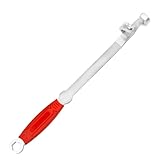
First and foremost, you absolutely need a torque wrench. There are a few types, and for transmission work, a good quality click-type or beam-type wrench that covers the torque range specified in your manual is key. Many transmission pan bolts require relatively low torque values (often in the 8-15 ft-lb range, or 10-20 Nm). Make sure your wrench is accurate in this lower range. Some mechanics prefer a digital torque wrench for their precision, but a well-maintained clicker or beam wrench can get the job done perfectly well. I have a couple of clicker wrenches that I use regularly, and I get them checked for calibration every couple of years. It’s a small investment for peace of mind.
You’ll also need a good set of sockets and extensions. Transmission bolts can be in awkward places, and you’ll need various socket sizes, often including 10mm, 13mm, 15mm, and sometimes even larger ones for the bell housing bolts. Extensions are important for reaching bolts that are recessed or obstructed by other components. A universal joint can also be a lifesaver for getting at bolts at odd angles.
A breaker bar can be useful for loosening stubborn bolts, but be careful not to overdo it. Your torque wrench is for tightening to spec, not for breaking loose incredibly tight fasteners. A breaker bar gives you more use for initial loosening. (See Also: Can You Use A Torque Wrench To Break Bolts Loose )
A good set of gasket scrapers or a gasket removal tool is vital for cleaning off old gasket material from mating surfaces. You want those surfaces to be perfectly smooth and clean for a proper seal. A wire brush or Scotch-Brite pad can also be useful for final cleaning, but be careful not to scratch delicate aluminum surfaces.
Penetrating oil (like PB Blaster or Kroil) is your friend if you encounter bolts that are seized or rusted. Apply it liberally and let it soak in for a while before attempting to loosen them. Sometimes a little heat from a propane torch can help, but be extremely careful not to damage the transmission case or surrounding components with excessive heat.
Finally, and perhaps most importantly, you need the vehicle’s service manual. This is a must. It will provide the exact torque specifications, tightening sequences, and any specific procedures for your make and model. Without it, you’re basically guessing, and as we’ve established, guessing with transmission bolts is a bad idea. You can often find these manuals online from sources like Haynes, Chilton, or even manufacturer-specific forums. Investing in the correct manual is cheaper than repairing a mistake.
People Also Ask:
What Happens If Transmission Bolts Are Too Loose?
If transmission bolts are too loose, the mating surfaces of the transmission case and its components will not be held together with adequate and uniform pressure. This is a primary cause of fluid leaks, as the gasket or seal will not be properly compressed. More critically, it can lead to components shifting, internal seals failing, and potentially the transmission itself beginning to come apart under operation. This can quickly result in significant internal damage and costly repairs.
What Happens If Transmission Bolts Are Too Tight?
If transmission bolts are too tight, you risk stripping the threads in the transmission case, which is a difficult and expensive repair. Overtightening can also cause the transmission housing to warp or crack, especially as the metal expands with heat during operation. This warping can compromise internal seals and lead to leaks or component misalignment. In severe cases, it can lead to immediate failure of the transmission case itself.
Can You Reuse Transmission Bolts?
In most cases, yes, transmission bolts can be reused if they are in good condition. They should be inspected for any signs of stretching, thread damage, or corrosion. Some manufacturers may recommend replacing certain important bolts, especially if they are stretch bolts designed for single use, but this is less common for general transmission housing bolts. Always check your service manual; if it specifies replacing them, do so.
How Do You Torque Transmission Bolts Without a Torque Wrench?
It is strongly advised against trying to torque transmission bolts without a torque wrench. Relying on “feel” is highly inaccurate and can lead to overtightening or undertightening, both of which have severe consequences. If a torque wrench is absolutely unavailable, you would need to follow a very precise multi-stage tightening sequence, tightening bolts incrementally in a specific pattern to achieve as even a clamping force as possible, but this is a very risky approach and not recommended for important components like transmissions.
Transmission Bolt Torque Faqs
How Tight Should Transmission Bolts Be?
Transmission bolts should be tightened to the specific torque value listed in your vehicle’s service manual. These values are typically measured in foot-pounds (ft-lbs) or Newton-meters (Nm) and are important for making sure a proper seal and preventing damage. For example, transmission pan bolts might be specified at around 10 Nm, while bell housing bolts could be much higher, like 30-50 Nm. Always consult your manual for the exact figures for your vehicle.
Does the Torque Spec Change If I Use Sealant Instead of a Gasket?
Yes, often the torque specification or the tightening procedure can change if you are using a liquid sealant instead of a traditional gasket. Sealants have different compressibility and flow characteristics than gaskets. The service manual will detail the correct procedure and torque values for the specific sealant recommended or used by the manufacturer. Using the wrong torque with a sealant can lead to improper curing, leakage, or damage.
Can I Torque Bolts in Stages?
Yes, it is very common and often required to torque transmission bolts in stages. This involves tightening the bolts to a lower torque value first, following a specific pattern, and then going back around to tighten them to the final specified torque. This multi-stage process makes sure that the mating surfaces are drawn together evenly and that the clamping force is distributed uniformly across the entire assembly, preventing warping and leaks.
Verdict
So, to circle back to the original question: do I have to torque the transmission bolts? A thousand times, yes. I’ve learned the hard way that skimping on this step is a fool’s errand. It’s not about showing off your brute strength; it’s about respecting the engineering that went into your vehicle and making sure your repair lasts.
Invest in a decent torque wrench, get the right manual for your car, and take your time with the sequence. It might seem like a hassle, but compared to the cost of a failed transmission, it’s a bargain. Trust me, your wallet and your sanity will thank you for it.
Don’t be the guy who ends up with a transmission leak a month after a supposedly ‘fixed’ job. Get it done right the first time.