Finally, someone asked the real question: do Turo cars have trackers? It’s a fair thought, especially when you’re handing over your hard-earned cash for a rental. I’ve been there, squinting at the dashboard, wondering if the owner is watching my every move.
Honestly, the whole process can feel a bit like a black box sometimes, especially when you’re renting from a stranger. You just want to get from point A to point B without any drama, right?
So, let’s cut through the noise. This isn’t about corporate speak or what Turo’s terms of service *technically* say. This is about what’s actually going on, from someone who’s rented dozens of these cars and even considered listing a few myself.
The Simple Answer: Usually, but Not Always
So, do Turo cars have trackers? The straightforward answer is: it’s complicated, but leaning towards yes for many. Most owners aren’t installing discreet GPS units like spies, but they are often using technology to protect their investment. Think of it less like a police chase movie and more like a digital security blanket for their vehicle.
This isn’t some secret conspiracy. Turo itself has some tracking capabilities built into the platform to monitor trip data, location, and ensure adherence to their rules, like no off-roading or smoking. But the real question most people are asking is about the *owner’s* specific tracking. And that’s where things get interesting. I once rented a car where I swore I heard a faint, almost imperceptible hum from somewhere under the dash. Turned out, it was just the AC fan acting up, but for a solid hour, I was convinced I was being tracked like a fugitive. That was my stupid mistake; I’d spent $200 on a fancy Bluetooth OBD-II scanner kit trying to figure out if the previous owner had hidden a tracker, only to find out it was just a dodgy relay. Waste of money and a good lesson.
Why Owners Might Use Trackers
Look, if you own a car and you’re letting strangers drive it, you’re taking on a certain level of risk. People can be… unpredictable. Some might drive it like they stole it, others might try to use it for illicit purposes, and a few might even try to ditch it or claim it was stolen to avoid paying. For owners, a GPS tracker is a tool to mitigate these risks. It’s not about spying on your vacation plans; it’s about knowing where their multi-thousand-dollar asset is at all times. According to the National Insurance Crime Bureau, vehicle theft is a persistent issue, and for rental car owners, the stakes are even higher with increased usage and potential for misuse.
The smell of stale cigarette smoke clinging to the upholstery after a trip is a common complaint among Turo hosts, and a tracker can help pinpoint if a car has been taken to a prohibited area or used in a way that violates the rental agreement. It’s about accountability. If a car is reported stolen, a tracker can aid law enforcement in its recovery. For owners who depend on this income, a stolen or damaged car is a direct hit to their livelihood. (See Also: Why Does Victoria Secret Have Trackers In Their Bras )
Types of Trackers You Might Encounter
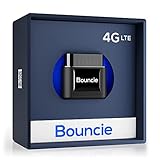
Not all trackers are created equal. Some are sophisticated, hardwired units that draw power directly from the car’s battery and are almost impossible to find without tearing the car apart. Others are simpler, battery-powered devices that might need to be recharged or replaced periodically. These might be hidden in the glove compartment, under a seat, or even in the trunk. The most basic form is often just a smartphone or a cheap dedicated GPS device stashed somewhere discreetly, relying on its own battery life.
Think of it like this: if you’re selling a house, you might put up a security camera, right? It’s not that you don’t trust the potential buyers, but you want to know who’s been in your house and what they’ve been up to. A tracker on a Turo car is the automotive equivalent. Some are as obvious as a motion-activated alarm, while others are as subtle as a tiny, blinking LED you might miss if you weren’t looking for it.
What About Turo’s Own Systems?
Turo has its own data-gathering mechanisms. When you book a trip, the platform logs a lot of information. This includes where the car is driven, how it’s driven (speed, acceleration, braking patterns), and adherence to mileage limits. So, even if an owner hasn’t installed a personal tracker, Turo itself has a degree of visibility into the trip. This is largely for their own operational purposes and to enforce their community guidelines. It’s not exactly surveillance, but it’s certainly not blind faith either.
The data Turo collects is often used to settle disputes or investigate issues. For instance, if a car is returned with significantly more miles than agreed upon, Turo can verify this with their system logs. Likewise, if there’s an accident or a violation of the terms of service, their data can provide a factual basis for investigation. This level of oversight is fairly standard in the digital rental economy.
The Legality and Ethics of Tracking
This is where it gets murky. In most places, it’s perfectly legal for a vehicle owner to track their own property. The owner bought the car, they own it, and they have a right to know where it is. The ethical considerations, however, are a different story. Is it ethical for an owner to track a renter’s every move, even if it’s legal? Many people would say no, that it infringes on privacy. However, others would argue that the renter is essentially borrowing someone else’s expensive asset and should expect some level of monitoring.
The line gets blurry if the tracker is used for purposes beyond protecting the vehicle, like tracking a renter’s personal life or using the data for something unrelated to the rental agreement. The Federal Trade Commission (FTC) has guidelines on consumer privacy, and while they may not specifically address Turo car trackers, the underlying principles of transparency and consent are relevant. Most owners would likely tell you they use it for safety and security of the car, not to snoop on your life. But you never *really* know for sure, do you? It’s like that feeling you get when you’re walking down the street and you feel like someone’s watching you, even though you can’t see anyone. That vague unease. (See Also: Why Do Flat Trackers Have Slick Rear Tire )
| Tracking Method | Owner’s Motive | Rental Experience Impact | My Verdict |
|---|---|---|---|
| Turo Platform Data | Trip monitoring, rule enforcement, dispute resolution | Minimal; ensures adherence to terms. | Standard and expected. Provides a baseline of accountability. |
| Owner-installed GPS Tracker (Hardwired) | Theft recovery, misuse prevention, peace of mind | Potentially high; can feel intrusive if overused or if privacy is a major concern. Might encourage more responsible driving. | A practical, albeit sometimes unsettling, security measure for owners. Essential for protecting valuable assets. |
| Owner-installed GPS Tracker (Battery-powered) | Theft recovery, misuse prevention, requires less installation effort | Moderate; depends on placement and battery life. Could be discovered more easily. | Good balance for owners who want tracking without complex installation. Still feels a bit like being watched. |
| Hidden Smartphone/Device | Low-cost tracking, quick setup | Variable; discovery can lead to significant distrust and potential dispute. | Sketchy. Feels like a breach of trust and less professional. Best avoided by owners who want repeat business. |
What to Do If You’re Concerned
If you’re really worried about trackers, there are a few things you can do. Before you rent, read the car’s description carefully. Some owners might mention if they use tracking devices. You can also message the owner directly and ask. A straightforward question like, “Does the car have any GPS tracking devices installed?” might get you an honest answer, or it might not. If they’re cagey, that’s a red flag.
During the rental, if you’re particularly concerned, you can do a thorough visual inspection of the car’s interior. Check under seats, in the glove compartment, the center console, and even the trunk. Listen for any unusual sounds. While it’s unlikely you’ll find a sophisticated hardwired tracker this way, you might spot a loose device or a hidden phone. My rule of thumb? If I don’t feel entirely comfortable or if the communication with the owner feels off, I’ll usually look for a different car. There are too many options out there to settle for one that gives you a bad vibe. It’s better to spend a few extra minutes finding a car you trust than to spend the whole trip wondering.
Do Turo Cars Have Trackers? The Bottom Line
Ultimately, the question of do Turo cars have trackers isn’t a simple yes or no. It depends on the owner and their specific needs and comfort level. Most owners are probably not trying to be Big Brother, but they do want to protect their property. Turo itself has systems in place that monitor trips. If you’re renting, it’s wise to assume some level of tracking is happening, either by the owner, Turo, or both. Be honest, drive responsibly, and you’ll likely never have an issue.
Can Turo Track My Location?
Yes, Turo’s platform collects trip data, including location information, to monitor trip progress, enforce mileage limits, and for dispute resolution. This is part of their standard operational procedure for all rentals.
Is It Legal for Turo Hosts to Put Gps Trackers on Their Cars?
Generally, yes. Vehicle owners have the right to track their own property. However, the legality can vary by region, and there are ethical considerations regarding renter privacy that owners should be mindful of.
What Happens If I Remove a Tracker From a Turo Car?
Removing or tampering with a tracker, whether installed by the owner or part of Turo’s system, would likely be a violation of the rental agreement. This could result in significant fees, penalties, or even a ban from the platform. (See Also: Is Th Vivofit 3 Have Timers And Trackers On It )
How Can I Check If a Turo Car Has a Tracker?
You can read the car’s description, message the owner directly to ask, or perform a visual inspection of the car’s interior and hidden compartments. However, sophisticated trackers can be very difficult to locate.
Should I Be Worried About Privacy When Renting on Turo?
While it’s understandable to be concerned about privacy, most owners use tracking for legitimate reasons like vehicle security and preventing misuse. Driving responsibly and adhering to the rental agreement minimizes potential issues related to tracking data.
Conclusion
So, when it comes down to it, do Turo cars have trackers? The honest answer is that it’s a mixed bag, but you should operate under the assumption that *some* form of tracking is in play. Owners want to protect their asset, and Turo has its own monitoring systems.
My personal experience suggests that for most rentals, as long as you’re upfront, follow the rules, and don’t try any funny business like taking the car off-road or smoking in it, you won’t have any issues. The owners I’ve dealt with who *do* use trackers are usually just trying to keep their vehicles safe and in good condition for the next renter.
If privacy is a major concern for you, have that conversation directly with the owner before booking. A clear question upfront can save a lot of potential anxiety down the road. Don’t be afraid to ask.
Recommended Products