Frankly, the first time I rented a U-Haul, my biggest worry was getting it back clean and on time, not whether my every move was being logged. Who even thinks about that? Turns out, a lot of people do, and honestly, I get it now.
After a spectacularly bad moving day involving a rental truck that felt like it was held together with duct tape and hope—a story for another time—I started wondering about the little details. Things like, do U-Hauls have trackers?
The whole idea of a tracker on a rental truck feels a bit dystopian, doesn’t it? Like they’re watching to make sure you don’t take an unscheduled detour to a beach town. Or worse, checking if you’re hauling more than just your sad collection of IKEA furniture.
But here’s the thing: the reality is far less Hollywood and a lot more practical, at least from their end.
The Lowdown on U-Haul Tracking: What’s Actually Going on?
Let’s cut to the chase. Do U-Hauls have trackers? Yes, they do, but probably not in the way you’re imagining. It’s not some black-ops GPS system designed to spy on your spontaneous road trip to see the World’s Largest Ball of Twine. The primary reason U-Haul, and other rental companies, use tracking technology is for fleet management and, frankly, to protect their assets.
Think about it from their perspective. They have thousands of trucks and vans crisscrossing the country. Knowing where their vehicles are helps them with logistics, maintenance scheduling, and, yes, recovering vehicles if they’re stolen or abandoned. I once rented a van for a cross-country move that ended up being three days late because the previous renter decided to “borrow” it for a week-long fishing trip in the Rockies. That cost them, and it would have cost me if I’d needed it longer. Their system isn’t about micromanaging your every mile; it’s about keeping tabs on a massive, mobile inventory.
One time, I was about 50 miles past my return point, and my phone rang. It was U-Haul. Not angry, not accusatory, just a calm voice asking if everything was okay and if I was aware I was past my return window. They just wanted to know if I needed more time or if there was an issue. It felt less like surveillance and more like customer service, albeit a very, very proactive kind.
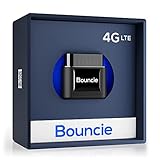
The technology itself isn’t usually a discreet little chip you can’t see. It’s often integrated into the vehicle’s onboard diagnostics system (OBD-II port) or a more robust GPS unit installed by the company. This isn’t necessarily a secret; it’s just not something you’re likely to notice unless you’re specifically looking for it. Unlike the fancy, almost invisible trackers you might see on high-value personal vehicles, these are functional, practical devices. They’re not designed to be a covert listening post; they’re there to transmit location data.
Seriously, the wires might be a bit thicker than you’d expect, or the unit might look like it was added as an afterthought by a moderately competent mechanic. It’s not sleek. It’s functional. This technology helps them understand usage patterns, too. For instance, they can see if a truck is consistently driven outside of normal operating hours or in areas that might indicate unauthorized use, like being parked for days in a remote spot that isn’t a storage facility or a designated parking area. This data helps them optimize their fleet and, theoretically, keep pricing down by managing their assets efficiently. (See Also: Why Does Victoria Secret Have Trackers In Their Bras )
The scent of stale coffee and disinfectant wipes always hits me when I first climb into a U-Haul, a familiar mix of other people’s travels. Knowing there’s a tracker somewhere in that cabin doesn’t change that sensory experience, but it does add a layer of transparency to the transaction.
So, What Exactly Are They Tracking?
When you ask ‘do U-Hauls have trackers,’ the next logical question is ‘what information are they collecting?’ Primarily, it’s your location. Standard GPS data: coordinates, speed, direction of travel, and timestamps. They’re not usually recording your conversations or watching through some hidden camera, despite what conspiracy theories might suggest. The data is logged and transmitted at intervals. It’s about the ‘where’ and ‘when’ of the truck’s journey, not the ‘who’ or ‘what’ of your personal life.
This data can also give them insight into how their vehicles are being used. Are you driving it like you stole it? Are you taking it off-road when it’s clearly meant for pavement? Are you exceeding mileage limits or operating it in unauthorized areas? They can track idling times, which impacts fuel efficiency and wear and tear. I once borrowed a friend’s truck for a local move, and he got a call because the truck had been left idling for nearly two hours. Apparently, the rental company’s system flagged excessive idle time. He just waved it off as a hiccup, but it showed me the granular level of oversight.
There are also concerns about privacy, and rightly so. However, U-Haul, like most companies, has privacy policies outlining how this data is used. Generally, it’s for operational purposes. They’re interested in the vehicle’s whereabouts and condition, not your personal travel itinerary. However, the interpretation of ‘operational purposes’ can be broad. For example, if a truck is reported stolen or goes significantly overdue, law enforcement might be given access to the tracking data to aid in recovery. This is a standard procedure for leased or rented vehicles.
The data is often stored for a period. How long? That’s usually buried in the terms and conditions you agree to when you rent. I spent about $35 on a previous rental because I accidentally returned it three hours late. The app notification popped up almost immediately after the grace period. It wasn’t a phone call; it was an automated charge notification, suggesting the system is quite active in monitoring return times. This granular tracking allows for swift financial adjustments if you miss deadlines, whether intentional or not.
Imagine this: you’re driving through a national park, enjoying the scenery. The truck’s GPS is logging every turn, every stop. U-Haul’s system sees this. Is it judging your choice of scenic route over the most direct one? Probably not. It’s more likely concerned if you’re venturing onto unpaved roads that could damage the vehicle or if you’re deviating drastically from your stated return location without notification. This is why understanding your rental agreement and communicating any changes is key. The tech itself is agnostic; it’s how the company interprets and acts on that data that matters.
It’s like having a very stern, silent co-pilot who only cares about the truck’s well-being and its timely return to the mothership. This is why U-Haul can offer different pricing structures for different distances or durations; they have the data to back up those models. They can analyze average mileage for specific job types or geographical areas. It’s data-driven business, plain and simple.
| Feature | U-Haul Truck | My Take |
|---|---|---|
| GPS Tracking | Yes, for fleet management and recovery. | Expected. Useful for them, potentially a bit intrusive for users if abused. |
| Camera/Audio Recording | No known internal cameras/microphones. | Good. I don’t want my rental truck to be Big Brother. |
| Speed Monitoring | Likely, as part of operational data. | A bit unnerving if they flag every minor speeding ticket. But also, don’t speed in a rental. |
| Fuel/Idle Monitoring | Yes, to manage operational costs. | Fair. They pay for the fuel, they should monitor usage. |
Why the Tracking Matters to You (and Them)
So, do U-Hauls have trackers? Yes. And while it might feel like an invasion of privacy at first blush, understanding *why* they’re there can actually be reassuring. It’s not about watching you pack your belongings; it’s about managing a massive fleet. (See Also: Why Do Flat Trackers Have Slick Rear Tire )
For U-Haul, the data from these trackers is invaluable. It allows them to monitor the health of their vehicles, track maintenance needs before they become major issues, and respond quickly if a truck goes missing. The Federal Motor Carrier Safety Administration (FMCSA) has regulations for commercial vehicles, and while a U-Haul rental might fall into a gray area depending on usage, having robust tracking systems helps ensure compliance and safety. They can even track things like engine hours or mileage, allowing them to proactively schedule oil changes or other service, preventing breakdowns that could strand customers like me in the middle of nowhere.
For you, the renter, the tracker’s presence means a few things. Firstly, it means the company has a vested interest in its vehicles’ safety and whereabouts. If your truck breaks down, they have a better chance of pinpointing its location to send help. Secondly, it means accountability. If you’ve agreed to certain terms—like returning the truck by a specific time or within a certain radius—the tracker provides objective data. I learned this the hard way when I was charged an extra $75 because I thought my return was ‘close enough’ to the original drop-off location. The GPS data proved otherwise. It was a brutal, but effective, lesson in reading the fine print and respecting the clock.
This objective data is also what allows U-Haul to offer specialized services. For instance, they can analyze the typical routes and mileage for different types of rentals and offer more accurate pricing or suggest the right-sized truck for your specific needs. The data collected isn’t just for punitive measures; it’s also for optimization. They might see that trucks used for local moves tend to get returned with a quarter-tank of gas on average and adjust their fuel policy or recommendations accordingly. It’s a data loop that benefits their operations.
Honestly, the biggest surprise for me wasn’t that they have trackers, but how readily available the information seemed to be via their app and customer service. The immediate notification of a late return or an unexpected charge felt more like a direct line to the truck’s status than a clandestine surveillance operation. It also means that if you *do* have an issue with a rental, like a breakdown in a remote area, U-Haul’s customer service can often access the truck’s last known location to better assist you. This transparency, though sometimes financially inconvenient, is a genuine benefit in a pinch.
Think of it this way: you wouldn’t rent a valuable tool without some form of accountability. A tracker is U-Haul’s way of ensuring that accountability extends to their entire fleet, from the smallest cargo van to the largest trailer. It’s a tool for them, and a mechanism that keeps you honest, whether you like it or not. The sheer volume of vehicles they manage means they have to rely on technology to keep everything running smoothly. It’s a constant digital hum behind the scenes of your moving day.
Do U-Hauls Have Gps Trackers?
Yes, U-Haul trucks are equipped with GPS tracking systems. These are primarily used for fleet management, vehicle recovery, and to ensure adherence to rental agreements regarding location and return times.
Can U-Haul See My Location?
U-Haul can see the location of their rental trucks through the GPS tracking systems. This data is typically used for operational purposes, such as managing the fleet and recovering vehicles. It’s important to review their privacy policy for detailed information on data usage.
What Happens If I Drive a U-Haul Too Far?
Driving a U-Haul beyond the agreed-upon mileage limits or outside the designated return area specified in your rental agreement will typically result in additional charges. The GPS tracking system helps U-Haul monitor these parameters and automatically apply late fees or per-mile charges based on your contract. (See Also: Is Th Vivofit 3 Have Timers And Trackers On It )
Is My Personal Information Tracked by U-Haul?
The tracking systems focus on the vehicle’s location and operational data, not typically on your personal conversations or activities within the truck. However, the location data itself is tied to your rental agreement. U-Haul’s privacy policy outlines how they handle the data collected from their vehicles.
Final Thoughts
So, to circle back to the burning question: do U-Hauls have trackers? Yes, they do. It’s not a secret, and it’s not some clandestine operation. It’s a practical tool for managing their extensive fleet, ensuring their vehicles are accounted for, and maintaining a level of accountability with renters.
My own experiences, from getting that gentle nudge about an overdue return to seeing how they can pinpoint a breakdown location, have shown me that while the tracker is there, its primary function is operational. You’re not being spied on for fun; you’re renting a piece of equipment that needs to be managed.
If you’re planning a move, just be mindful of your rental agreement. Know your return time, your mileage limits, and your designated drop-off point. Communicate any changes beforehand. It’s far easier and cheaper to call ahead than to deal with an unexpected charge that comes directly from the truck’s GPS report.
Ultimately, understanding the tech behind the rental truck helps you rent smarter. It means the company can keep its fleet in better condition and, hopefully, keep those rental costs somewhat reasonable by not having vehicles go missing or get abused. Just remember, the truck is working for you, but it’s also reporting back to base.
Recommended Products