I remember assembling my first piece of flat-pack furniture. The instructions were clear, the Allen wrench was provided, and I felt like a DIY god. Then came the bolts. The manual said ‘tighten firmly.’ I did. And then I heard it – that sickening little
crack
. The particleboard split, and I was left with a wobbly shelf and a valuable lesson: not all tightening is created equal.
This is where the whole conversation around torque bearing bolts really starts for folks like you and me. It’s easy to just crank down on a bolt until it feels ‘right,’ but what if ‘right’ is actually too much, or worse, not enough? So, do you need torque bearing bolts? Let’s get real about it.
When ‘tight Enough’ Isn’t
Look, I’m not going to lie. For 90% of the stuff I put together in my garage – shelves, a basic workbench, even that questionable shed I built in a weekend – I just used my eyes and my knuckles. If it felt solid, it was good enough.
I’ve probably wasted more money on cheap, flimsy hardware over the years than I’d care to admit, only to have things loosen up or, like that particleboard disaster, fail completely. That’s the rub with fasteners; they’re small, unassuming, but they’re the backbone of pretty much everything that holds together. If they don’t do their job, the whole thing goes sideways. And when we talk about vibration, heavy loads, or anything that’s going to see some real stress, just guessing ‘tight’ is a recipe for a headache, or worse, a safety hazard.
This is precisely why understanding specialized fasteners, like torque bearing bolts, becomes a relevant question.
The core idea behind a torque bearing bolt, or more accurately, the use of torque specifications for any bolt, is that there’s an optimal amount of clamping force that needs to be applied. Too little, and the joint can loosen due to vibration or thermal expansion. Too much, and you can stretch the bolt beyond its elastic limit, permanently deforming it, or worse, damage the components being joined. I’ve seen bolts stretch and snap like cheap rubber bands when someone’s gone a bit overboard with the wrench. It’s a fine line, and for important applications, guessing just doesn’t cut it anymore. You need to know the magic number.
So, what’s the deal with ‘torque bearing bolts’? It’s a bit of a misnomer, really. The bolt itself doesn’t ‘bear’ torque; it’s designed to withstand shear forces and provide clamping force when tightened to a specific torque value.
The torque wrench is the tool that applies the precise rotational force (torque) to achieve the desired clamping force. Some bolts might have specific features, like serrated flanges, that help resist loosening after they’ve been torqued correctly, but the fundamental principle remains: you need to tighten them to a spec. For example, when working on my motorcycle, the manual will list torque specs for almost every single fastener. Forget one, and you might be looking at a part falling off at 70 mph.
That’s not a situation I’m eager to repeat.
How Torque Actually Works Its Magic
Let’s cut through the jargon. When you tighten a bolt, you’re basically stretching it. Think of it like a spring. As you turn the nut or the bolt head, the threads engage, and the bolt starts to elongate slightly. This elongation creates tension, which pulls the two surfaces you’re joining together. This pulling force is called clamping force, and it’s what keeps your parts from rattling apart. Now, torque is the rotational force you apply to create that stretch. It’s measured in units like foot-pounds (ft-lbs) or Newton-meters (Nm). The higher the torque, the more you’re stretching the bolt and, ideally, increasing the clamping force.
The catch is that the relationship between torque and clamping force isn’t perfectly linear. A significant portion of the torque you apply is used up overcoming friction – friction between the bolt threads and the nut threads, and friction between the bolt head (or nut) and the surface it’s pressing against. Typically, friction can account for anywhere from 80% to 90% of the applied torque. That means only about 10% to 20% of the torque you’re applying actually goes into stretching the bolt and creating that all-important clamping force. This is why even slight variations in thread condition, lubrication, or the surface finish can drastically change the actual clamping force you achieve, even if you’re using a torque wrench.
This is where the concept of a torque specification becomes so vital for anything beyond casual DIY. Manufacturers put a lot of engineering into determining the ideal torque for a specific bolt size, grade (material strength), and application. They’ve figured out the thread pitch, the material properties of the bolt and the connected parts, and often the expected operating conditions (vibration, temperature changes). They then calculate the torque needed to achieve a clamping force that’s high enough to prevent loosening under those conditions but low enough not to damage the bolt or the components. (See Also: Do You Need Torque Caliper Bolts )
It’s a balance, and a torque wrench is the only way to reliably hit that sweet spot. I learned this the hard way when a custom exhaust system I installed kept leaking.
Turns out, I hadn’t torqued the manifold bolts to spec, and the constant vibration was enough to let exhaust gases escape. A cheap torque wrench and a few minutes of precise tightening fixed it right up.
What to Look for in a Torque Wrench (and When to Bother)
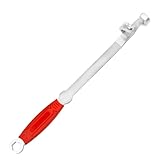
So, if you’ve decided you do need to be precise, what kind of torque wrench are we talking about? The most common and generally accessible type for home mechanics and serious DIYers is the click-type torque wrench.
You set the desired torque value on the handle, and when you reach that setting, the wrench makes an audible click and often a slight tactile release. It’s straightforward and effective for most common applications. For finer adjustments or more important tasks, you might look at beam-type torque wrenches (they have a needle that shows torque as you apply it) or electronic torque wrenches, which provide a digital readout and often an audible or visual alert when you hit the target. Honestly, for most tasks around the house, a decent click-type wrench that goes up to about 100 ft-lbs is more than enough.
You can find them from around $30 for a basic one to $150+ for a really well-made one.
When should you actually bother with a torque wrench? My general rule of thumb is: if the manufacturer provides torque specifications in their manual, use them. This applies heavily to automotive work (engine components, suspension, wheels), motorcycles, bicycles (especially carbon fiber parts), and anything involving power tools where over-tightening can damage the tool or the workpiece. Appliances, furniture, and general construction projects usually don’t require this level of precision unless you’re dealing with specific structural components or materials that are known to be brittle or easily damaged. For example, assembling a basic bookshelf from IKEA? Probably not. Installing a important suspension component on your car? Absolutely yes.
I’ll admit, I used to scoff at the idea of a torque wrench for my home projects. It seemed like overkill. But after stripping out a few threads on some expensive components and seeing how much better things held up when I did follow specs, my tune changed.
It’s not just about preventing damage; it’s about making sure reliability and safety. Think about it: the wheels on your car are held on by just a few bolts. If they loosen up, you’re in serious trouble. That’s a situation where you don’t want to guess.
The initial investment in a good torque wrench pays for itself pretty quickly in peace of mind and avoiding costly repairs from fastener-related failures. For example, a decent 3/8-inch drive click-type torque wrench might set you back around $50-$80, which is a small price to pay for knowing your car’s wheels are properly secured.
The Common Mistakes People Make
The biggest mistake I see people make, hands down, is not using a torque wrench when they should. They either guess, or they just tighten until it ‘feels right.’ That vague feeling is often not precise enough, especially when dealing with different bolt grades, materials, or lubricants. Another common error is not understanding the torque specification itself. Is it in foot-pounds or Newton-meters?
Does it specify dry or lubricated torque? Applying a lubricated torque value to a dry fastener will result in over-tightening and potential damage.
I remember a buddy of mine who was building a custom rifle. He was so meticulous about everything else, but he just guessed the torque on the scope mount screws. The scope slipped under recoil, and he was baffled. A quick check revealed he’d over-tightened them, deforming the scope tube.
Oops. (See Also: Do I Need Special Replacement Bolts For Car Engines )
Another pitfall is improper use of the torque wrench itself. People often pull the wrench at an angle, or they jerk it instead of applying smooth, steady pressure. This can lead to inaccurate readings. Also, a lot of folks don’t realize that torque wrenches need to be recalibrated periodically. Even good ones can lose their accuracy over time, especially if they’re stored with the spring loaded (most click-type wrenches recommend setting them to the lowest setting when not in use). I sent a couple of my older torque wrenches out for recalibration after about five years of use, and one of them was significantly off. It made me realize how important it is to keep them in good condition.
Finally, people often forget about the impact of lubrication. Thread locker compounds, anti-seize, or even just plain old oil can drastically alter the friction in the threads. Manufacturers often specify whether a torque value is for dry threads or lubricated threads. If it’s for lubricated threads, applying that same torque to dry threads will result in significantly higher clamping force, potentially stretching or breaking the bolt. Conversely, using a dry torque value on a lubricated fastener will result in less clamping force than intended, potentially leading to loosening. It’s a detail that’s often overlooked but can have huge consequences. I always check the manufacturer’s specs for any lubrication requirements before torquing down important fasteners.
Real-World Scenarios: Where Torque Matters Most
Let’s get down to brass tacks. Where does this precise tightening actually make a difference? Automotive is the big one. Wheel lug nuts? Absolutely. Over-tightening can warp brake rotors and make lug nuts nearly impossible to remove later. Under-tightening is obviously a recipe for disaster, leading to wheels coming off. Engine components, like head gaskets or manifold bolts, have very specific torque sequences and values to make sure even clamping pressure and prevent leaks or blown gaskets. I’ve personally seen a blown head gasket on a relatively new car that the mechanic traced back to improperly torqued head bolts during an earlier repair. Cost the owner thousands.
Motorcycles are another area where torque is king. From engine internals to suspension components and brake calipers, the vibration and forces involved mean that specifications are most important. A loose brake caliper bolt could mean loss of braking power. A loose engine mount could lead to catastrophic failure. I once helped a friend rebuild a motorcycle engine, and we spent hours meticulously torquing every single fastener to the exact spec in the service manual. It ran perfectly, smooth as butter, and has held up for thousands of miles since. That level of reliability comes from precision.
Bicycles, especially those with carbon fiber frames or components, are another prime example. Carbon fiber can be easily crushed or cracked by over-tightening. Many bicycle components have very low torque specifications, often in the single digits for Newton-meters. A standard torque wrench might not even have a setting that low. This is where specialized torque wrenches for bicycles, often in the 2-20 Nm range, become key. Forgetting to torque your seatpost clamp or handlebar stem properly can lead to a dangerous slip or, worse, a cracked frame. Here’s a quick look at how some common applications stack up:
| Application | Torque Importance | Verdict |
|---|---|---|
| Car Wheel Lug Nuts | Extremely High | Use a torque wrench. A must for safety. |
| Bicycle Handlebar Stem | High | Use a low-torque wrench. Important for control and safety. |
| IKEA Furniture Assembly | Low | Hand-tighten is usually fine. Over-tightening can strip threads. |
| Motorcycle Engine Bolts | Extremely High | Follow manufacturer specs religiously. Failures can be catastrophic. |
| Deck Railing Posts | Medium | Firm tightening is good; torque wrench not usually needed unless specified for specific fasteners. |
Even in home improvement, there are times. Installing heavy-duty shelving brackets, mounting significant weight to walls, or working with specialized construction materials might require specific torque settings for the fasteners to make sure structural integrity and prevent collapse. It’s about matching the fastener’s capability to the load it’s expected to bear, and torque is the mechanism to achieve that reliably. The fastener’s ultimate tensile strength is important, but it’s useless if you don’t achieve adequate clamping force through proper torquing.
The Contradiction: When Overthinking Hurts
Now, here’s where I go against the grain a bit. Everyone – the internet, the forums, the guys at the auto parts store – will tell you to torque everything. And for most important applications, they’re right. But for the average homeowner doing basic repairs or assembly, constantly reaching for a torque wrench can actually be a hindrance. I’ve seen people get so bogged down in finding the exact torque spec for a cabinet hinge or a simple shelf bracket that they spend three times as long on the job and end up stripping the screw anyway because they’re so focused on the wrench and not the feel. Sometimes, ‘snug’ really is good enough.
My contrarian take is this: don’t torque things that don’t need it. Overthinking it leads to analysis paralysis and can even cause damage through improper use. If a manufacturer hasn’t specified a torque value for a component – and for a lot of everyday items, they haven’t – then using common sense and a feel for what’s firm and secure is usually perfectly adequate.
Trying to find a torque spec for a bolt holding a picture frame or assembling a simple garden bench is just silly. You’re more likely to mess it up by fumbling with a torque wrench than by just tightening it by hand until it feels right. It’s about context. A bolt holding a load-bearing beam in a house?
Torque spec is probably a good idea. A bolt holding a plastic cover on a small appliance? Probably not.
The danger here is that the ‘torque is everything’ mentality can make people less likely to tackle DIY projects because it feels too complicated. It’s like telling a beginner cook they must use a thermometer for every piece of meat; sometimes, just knowing how to tell by touch is faster and perfectly fine.
For the vast majority of household tasks – assembling furniture, basic plumbing, hanging curtains – you don’t need a torque wrench. You need a screwdriver that fits the screw head properly and a bit of common sense. The key is to identify when the stakes are high enough that guessing is no longer an option.
That’s when you bring out the specialized tools. But for the everyday stuff, don’t let the pursuit of perfect torque stop you from getting things done. You’ll do more harm than good by overcomplicating simple fixes. (See Also: Can You Use A Torque Wrench To Break Bolts Loose )
Practical Tips for Proper Fastening
When you do need to torque, here are a few things I’ve learned that make a difference. First, always start with clean threads. Dirt, debris, or old thread locker can throw off your torque readings significantly. A quick clean with a wire brush or brake cleaner can save you headaches.
Second, be mindful of lubrication. If the spec is for dry threads, make sure they are dry. If it’s for lubricated threads, apply the specified lubricant (often just a light oil) evenly. Never assume.
I learned this the hard way when assembling a new engine. I used a bit of anti-seize on everything, assuming it would help. Turns out, the torque specs were for dry threads, and I ended up over-stretching some important bolts, leading to a costly rebuild. Always read and understand the spec.
Third, use the right tool for the job. A 1/2-inch drive torque wrench won’t be very accurate for a small 1/4-inch bolt. Match the drive size of your torque wrench to the fastener you’re tightening. Also, make sure your torque wrench is in good condition. Check for damage, and if you’re unsure about its accuracy, get it calibrated. Most manufacturers recommend calibration every 5,000 cycles or annually. Store your click-type torque wrench at its lowest setting to preserve the spring tension. This might seem like overkill, but it’s cheap insurance for accurate results. I keep a small dial indicator torque wrench for checking my clicker’s accuracy occasionally.
Finally, pay attention to torque sequences. For components like cylinder heads, intake manifolds, or wheel hubs, the order in which you tighten the bolts matters. This is usually a crisscross or spiral pattern.
Tightening bolts in the wrong sequence can lead to uneven clamping, warping of the parts, or stress concentrations that can cause failure. The service manual will always detail the correct sequence and often specifies stages of tightening (e.g., torque to 20 ft-lbs, then to 40 ft-lbs, then final torque). Don’t skip these steps. It’s like building a house; you start with a solid foundation and work your way up.
The sequence is the foundation for even stress distribution. I’ve found that marking the bolts with a paint pen in the correct sequence order can be a lifesaver during the process.
Frequently Asked Questions About Torque Bearing Bolts
What Is the Difference Between Torque and Horsepower?
Torque is a rotational force, basically a twisting force, that makes things turn. It’s measured in foot-pounds (ft-lbs) or Newton-meters (Nm). Horsepower, on the other hand, is a measure of power, which is the rate at which work is done. Horsepower is derived from torque and engine speed (RPM). Think of torque as the grunt that gets things moving, and horsepower as how quickly it can keep moving.
Do I Need a Torque Wrench for Car Wheels?
Absolutely, yes. Properly torquing your wheel lug nuts is important for safety. Under-tightening can lead to a wheel coming off, while over-tightening can damage the studs, warp brake rotors, and make them impossible to remove later. Always follow the manufacturer’s specified torque value for your vehicle.
Can I Just Use an Impact Wrench to Tighten Bolts?
An impact wrench delivers a rapid series of hammer blows to tighten fasteners. While fast, they are very difficult to control for precise torque. They are generally not recommended for achieving specific torque values unless they are specifically designed for torque-limited applications or used with torque-limiting extensions. For important fasteners, a torque wrench is the proper tool.
How Do I Know the Correct Torque Spec for a Bolt?
The best source is always the manufacturer’s service manual or assembly instructions for the specific product or component. If you’re working with a generic bolt in a non-important application, general torque charts based on bolt size, grade, and thread pitch are available, but always prioritize manufacturer specifications when they exist.
What Is a Torque Limiting Extension?
A torque-limiting extension is an accessory used with an impact wrench or air ratchet that is designed to break or slip at a predetermined torque value. This helps prevent over-tightening when using powered tools on fasteners that require specific torque settings.
Final Thoughts
So, do you need torque bearing bolts? The short answer is, it depends entirely on what you’re building or fixing. For most everyday tasks – assembling furniture, hanging shelves, simple repairs around the house – you’re probably fine just using your judgment and a bit of elbow grease. Trying to torque every single screw can be overkill and might even lead to mistakes.
However, if you’re working on anything involving vehicles, bicycles, heavy machinery, or structural components where failure could lead to injury or significant damage, then yes, investing in a good torque wrench and understanding torque specifications is not just recommended; it’s key. It’s the difference between a job done right and a potential disaster waiting to happen.
My advice? Start by identifying the important components in your projects. If the manufacturer provides specs, pay attention. For the rest, trust your gut and the feel of a solid connection. But when in doubt, especially for safety-related parts, err on the side of precision. Do you need torque bearing bolts? Only when the consequences of guesswork are too high.