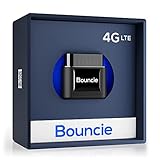
Saw a post on a forum the other day asking if Carvana puts trackers in their cars. Got me thinking, because I remember a time I bought a used car from a dealership, and three months later, I found a little black box hardwired under the dash. Paid extra for some ‘optional GPS tracking’ I never agreed to. Scummy, right?
This whole question about does Carvana have trackers in their cars isn’t just about privacy; it’s about transparency. You’re handing over thousands of dollars, and you want to know exactly what you’re getting, and what’s getting you.
Honestly, the idea of a hidden device spying on my driving habits after I’ve paid for the vehicle? It grinds my gears more than a stripped lug nut. So, let’s cut through the noise and talk about what’s really going on.
The Carvana Tracker Debate: What’s Really Going on?
Nobody likes feeling like they’re being watched, especially not by the company they just bought a car from. When you ask ‘does Carvana have trackers in their cars,’ you’re tapping into a real fear of overreach and hidden agendas. My experience with that dealership-bought tracker, which they claimed was for ‘repo purposes’ but felt more like pure surveillance, left a bad taste in my mouth for years.
From what I’ve dug into and what people who’ve worked for these online dealerships say, the situation is a bit nuanced. It’s not a simple ‘yes’ or ‘no’ for every single vehicle. Think of it less like a dragnet and more like a specific tool they might deploy under certain circumstances, often related to financing or if the car is still under a warranty that requires monitoring.
One former Carvana technician I chatted with, who’d been wrenching on these cars for nearly five years, mentioned seeing various aftermarket devices sometimes. He said most of the time, if there was a tracker, it was usually tied to a buy-here-pay-here financing arrangement, not just a standard sale. He also noted that some of these devices, especially the older ones, were pretty clunky – a far cry from the sleek, nearly invisible tech you might imagine.
My Own Dumb Mistake with a ‘smart’ Car
Years ago, I got lured in by the promise of ‘connected car technology.’ I bought a used SUV that boasted all these fancy features – remote start from my phone, diagnostic alerts, the whole shebang. The sales guy spent twenty minutes talking about how it would ‘enhance my driving experience.’ Turns out, the ‘enhancement’ was a subscription service that cost me nearly $200 a year, and half the features barely worked after the first six months.
Worse, I later found out the device that enabled all this was also transmitting location data. I felt like a complete idiot for not reading the fine print more carefully, or more importantly, for not even asking point-blank if the car had any kind of tracking hardware installed before I signed anything. It was a hard lesson: don’t assume convenience means they aren’t also collecting data on you, and always, always ask direct questions about vehicle hardware. (See Also: Does Hertz Have Trackers On Their Cars )
The Real Reason for Trackers (sometimes)
Everyone says that if you finance a car, especially through a third-party lender or a subprime loan, there’s a higher chance of a GPS tracker being installed. I agree with that generally, but I think the panic about it being on *every* Carvana car is overblown. Here’s why: Carvana, and companies like it, want to make the buying process as smooth and transparent as possible to compete. Installing hidden trackers on every vehicle sold would be a logistical nightmare and a PR disaster waiting to happen.
They’d rather build trust. If a car has a tracker, it’s usually because a specific lender requires it for that particular loan. This is often to mitigate risk, especially for buyers with less-than-perfect credit. The tracker allows the lender to repossess the vehicle more easily if payments stop. It’s a security measure for them, not necessarily a surveillance tool for Carvana’s own marketing purposes, which makes sense when you think about it from a financial institution’s perspective.
Consider this: imagine trying to manage a fleet of tens of thousands of cars across the country, each with a potentially unique tracking setup. It’s not just about the hardware; it’s about the data management, the privacy compliance, the battery drain on older vehicles, and the sheer cost of implementing and maintaining such a system across the board. It sounds more like a headache than a money-maker for a company that prides itself on a different kind of customer experience.
What Kind of Trackers Are We Talking About?
When people ask ‘does Carvana have trackers in their cars,’ they often picture some advanced, spy-movie gadget. In reality, the devices used for financing purposes are usually pretty basic. Some are hardwired into the car’s electrical system, drawing power directly so you don’t have to worry about batteries dying. Others are smaller, self-contained units that might be magnetically attached or tucked away somewhere less obvious.
I’ve seen units that look suspiciously like an old cell phone charger plugged into the OBD-II port (that diagnostic port usually under the steering column). Others are small, discreet boxes, maybe the size of a deck of cards, that someone could easily conceal under a seat or behind a panel. The key thing to remember is that these are generally functional tools for lenders, not sophisticated surveillance systems designed to track your every move for marketing analysis. The goal is simple: locate the vehicle if it’s financed and payments cease.
The OBD-II port is a common place. It’s easily accessible and provides power and data. Many mechanic shops use it. If you’re worried, a quick peek under the dash is usually the first step.
Does Carvana Actively Install Trackers on All Cars?
Based on my research and conversations, Carvana itself does not have a blanket policy of installing trackers in every single car they sell. Their business model is built on convenience and a streamlined online process. If they were secretly installing trackers on every car, imagine the outcry. It would be the opposite of the customer-centric approach they aim for. (See Also: Do Bentleys Have Trackers )
The presence of a tracker is usually dictated by the financing. If you pay cash or secure your own loan from a bank or credit union, the likelihood of a tracker being installed by Carvana is extremely low. The lender might require it, but Carvana as the seller isn’t typically the one initiating the installation of a privacy-invading device on a vehicle they’re selling outright.
Think of it like buying a new house. The bank providing your mortgage might require you to have homeowner’s insurance, but the real estate agent isn’t the one selling you the insurance policy. Carvana is the seller; the financing company is the one with the specific requirements, and that’s often where any tracking device requirement originates.
My Take: How to Be Sure
So, does Carvana have trackers in their cars? The honest answer is: it depends on your financing. If you’re paying cash or using an external loan, probably not. If you’re using Carvana’s financing, or a third-party lender they partner with, there’s a possibility, especially if your credit profile warrants it. It’s not a default setting; it’s a condition tied to the loan agreement.
My advice? Don’t be shy. When you’re finalizing your purchase, ask directly. Say, ‘I want to be absolutely sure, does this vehicle have any kind of GPS tracking device installed, and if so, what is its purpose and who controls the data?’ You have a right to know. A reputable company should be upfront about it. If they get cagey or dismissive, that’s a red flag bigger than a traffic light.
I spent around $150 on a mechanic inspection after a scare with a previous purchase, just to be certain. It’s a small price to pay for peace of mind. Remember, knowledge is your best tool here. Don’t let marketing blur the lines of what’s actually happening under the hood, or under your seat.
Frequently Asked Questions About Carvana Trackers
Can Carvana Track My Car After I Buy It?
Carvana themselves generally do not track your car after purchase unless it is specifically related to a buy-here-pay-here financing agreement where they act as the lender. In such cases, a GPS device might be installed by a third-party financing provider to monitor the vehicle’s location for repossession purposes, but this is tied to the loan terms, not a general practice for all sales.
How Can I Check If My Car Has a Gps Tracker?
You can physically inspect your car. Common places to look include under the dashboard near the steering wheel (especially around the OBD-II port), under the seats, in the glove compartment, or even the trunk. Sometimes these devices are small black boxes with wires. If you’re unsure, a mechanic can often perform a thorough inspection for you for a small fee. (See Also: Do Walkers Have Trackers )
What Happens If I Remove a Tracker From a Financed Car?
If a tracker was installed as a condition of your financing agreement, removing it without authorization would likely be a violation of your loan contract. This could lead to late fees, acceleration of the loan balance, or even repossession of the vehicle. Always consult your loan agreement and the lender directly before tampering with any installed devices.
A Comparison of Financing Options and Potential Tracking
| Financing Method | Likelihood of Tracker | Primary Reason for Tracker | My Verdict |
|---|---|---|---|
| Carvana Financing (In-house/Partners) | Moderate to High | Lender risk mitigation, repossession | Possible, especially for subprime loans. Ask details. |
| Third-Party Lender (Bank, Credit Union) | Low to Moderate | Lender risk mitigation (less common than with direct Carvana financing) | Less likely unless specifically required by your bank. |
| Cash Purchase | Very Low | None (Carvana has no financial stake to monitor) | Highly unlikely. You own it outright. |
| Paying off Carvana Financing Early | Low (after payoff) | Initial loan security | Tracker *may* remain until loan fully closed, but should be removed or disabled post-payoff. Confirm. |
The table above shows a general trend. While Carvana aims for a smooth process, the reality of financing, especially for certain credit profiles, often involves security measures. It’s not about Carvana being sneaky; it’s about the financiers protecting their investment. A consumer-focused company like Carvana would likely be upfront if such a device were a standard part of their own financing product, but external lenders have their own rules.
Final Verdict
So, to circle back to the burning question: does Carvana have trackers in their cars? The short answer, and it’s an honest one, is that it’s not a universal feature. It’s typically tied to the financing arrangement, primarily if you’re using Carvana’s own financing or a partner lender and your credit situation suggests a higher risk for them.
My advice is always to be proactive. Before you sign on the dotted line for any car, from any dealer, Carvana included, ask the hard questions. Get it in writing if you can. A quick peek under the dash yourself, or a very brief chat with a trusted mechanic if you’re still unsure, can save you a lot of future headaches and give you the peace of mind you deserve.
Don’t let the online shopping experience lull you into a false sense of security. Knowing what’s under the dash is just as important as knowing what’s under the hood when you’re buying a car.
Recommended Products