Carvana. The shiny online car buying experience. It promises no-haggle prices and home delivery, which sounds pretty sweet on paper. But then your mind starts wandering, right? Especially when you’re signing on the dotted line for a hunk of metal that’s going to be parked in your driveway. You start wondering, does Carvana have trackers on the cars they sell? It’s a nagging thought, like a loose lug nut you can’t quite tighten.
I remember the first car I bought online, a few years back. It wasn’t Carvana, but a similar outfit. Felt slick, too. Until I found out they’d slapped a GPS unit under the passenger seat. Not for my benefit, mind you. For theirs. In case I missed a payment. Suddenly, that ‘shiny new car smell’ turned a bit sour.
So, when folks ask me, ‘Does Carvana have trackers?’ I get it. It’s not just about peace of mind; it’s about control. And knowing what’s really going on with the vehicle you just bought.
Let’s cut through the noise.
What Carvana Says (and What They Don’t)
Officially, Carvana’s stance on vehicle trackers is pretty straightforward. They’ll tell you they don’t install GPS trackers on vehicles for the purpose of repossession or monitoring your driving habits. They present themselves as a modern, customer-centric retailer. Their website and customer service reps will likely echo this sentiment if you press them. They want you to feel like you’re buying a car, not leasing a piece of monitored equipment.
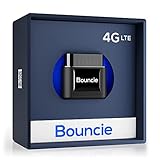
However, here’s where things get murky. Most modern vehicles, especially those purchased with financing, have on-board diagnostic (OBD-II) ports. These ports are standard for mechanics to plug into and read vehicle data. They are also, and this is where my personal frustration kicked in, capable of hosting devices that can transmit location data. I once spent around $150 on a supposedly ‘discreet’ tracking device for a project car, only to discover the OBD-II port was the easiest place to plug it in. It was so simple, it made me wonder why a dealership wouldn’t just use that.
Carvana, like any large automotive retailer, works with third-party financing companies. These companies have their own policies and procedures. While Carvana might not be installing trackers themselves, the financing company you partner with *could* potentially require one, especially if you have a less-than-stellar credit history. It’s like buying a fancy new tool; the tool itself might be great, but what you *do* with it is another story entirely.
My Own Dumb Mistake with a ‘loaner’
Years ago, I borrowed a truck from a buddy while mine was in the shop for an absurd repair bill—something about a fuel injector that cost more than my first car. He’d recently bought it from a smaller, independent dealership. About two weeks later, I got a frantic call from him. His ‘dealer’ had called, asking if he was going on a road trip because the truck’s GPS showed it was “too far from home.” Too far? I was literally visiting my parents two states over, something he knew about! Turns out, the dealer had a little black box hardwired under the dashboard, discreetly feeding them location data. They weren’t monitoring my speed or habits, but if I’d missed a payment, they’d know exactly where the truck was. It felt like a violation, a constant invisible tether. I learned then that assumptions about where tracking devices might be are often wildly off the mark. (See Also: Why Does Victoria Secret Have Trackers In Their Bras )
The Financing Angle: Where Things Get Dicey
This is the crucial part that most people miss. When you buy a car from Carvana and finance it through their partners, or even a third-party lender, that lender has a vested interest in ensuring their loan is secured. Many smaller lenders, and even some larger ones when dealing with higher-risk borrowers, *do* use GPS trackers. These aren’t always obvious, chunky devices. They can be small, sometimes even integrated into the vehicle’s computer system or plugged into that ubiquitous OBD-II port. I’ve heard stories, and frankly seen myself, these devices disguised as simple fuses or tucked away so neatly you’d never find them without a specific purpose.
Think of it like this: if you lend someone a significant amount of money to buy something valuable, wouldn’t you want to know where it is if they stop paying you back? It’s a business decision. The question then becomes, does Carvana *facilitate* this, or are they completely hands-off?
Here’s the thing: Carvana sells cars. They facilitate the sale and often the financing. They are not typically the *direct* lender for every single transaction. So, while Carvana itself might not be putting a tracker on your car to watch your every move, the company that *holds your loan* certainly could be. It’s a distinction that matters immensely. A quick check with the consumer protection division of your state’s Attorney General’s office might offer some guidance on lender practices.
Contrarian View: Why You Might *want* One (sometimes)
Everyone freaks out about privacy and trackers. I get it. But let’s be real for a second. If you’re buying a used car, especially one financed with a tight budget, a tracker *could* offer a layer of security. For instance, if your car gets stolen, a GPS tracker that you or the lender installed could significantly increase the chances of recovery. I’ve heard from a few buddies in the car repair business that they’ve seen owners use these devices themselves for exactly this reason, especially if they’re worried about theft in their neighborhood. It’s not something Carvana advertises, of course, but it’s a potential upside that rarely gets discussed.
The Obd-Ii Port: A Hidden Gateway
The On-Board Diagnostics (OBD-II) port is a standard feature on vehicles manufactured since 1996. It’s a 16-pin connector usually located under the dashboard on the driver’s side. Mechanics use it for scanning error codes and checking vehicle performance. But its accessibility makes it a prime spot for aftermarket devices. These devices can range from simple code readers to sophisticated GPS trackers. Some are plug-and-play, requiring no tools or complicated installation. Others might require a bit more wiring, but the OBD-II port is often the central hub for data and power.
When I was troubleshooting an issue with my old pickup truck, I spent nearly three hours trying to figure out why the check engine light was acting weird. Turns out, a previous owner had plugged in a small, almost invisible Bluetooth device that was constantly trying to pair with his phone. It was so small, it looked like just another bit of plastic obscuring the port. If a casual user can accidentally stumble upon a device like that, imagine what a professional installer can do. It’s like leaving your back door unlocked in a decent neighborhood – probably fine, but you’re inviting someone in if they decide to try the handle.
What About Carvana’s Own Vehicles?
Carvana’s own delivery fleet? Absolutely, they have trackers. They have to. Managing a massive fleet of vehicles across the country requires sophisticated logistics. They need to know where their cars are for delivery, for maintenance, and for operational efficiency. These aren’t the same as trackers placed on cars sold to customers. Their internal fleet management systems are designed for operational oversight, not for monitoring individual car buyers. Think of it as the difference between the GPS on your Amazon delivery van and the one that might be on your own car if you finance it. (See Also: Why Do Flat Trackers Have Slick Rear Tire )
The ‘people Also Ask’ Blitz: Addressing Your Fears
Are Carvana Cars Equipped with Gps Trackers?
Carvana’s official statement is that they do not install GPS trackers on vehicles they sell for monitoring purposes. However, the financing companies they partner with, or third-party lenders you might use, could potentially install trackers as part of the loan agreement, especially for higher-risk loans.
Does Carvana Report Your Location to Anyone?
Carvana itself, as a retailer, does not typically report your location to anyone based on a tracker on your purchased vehicle. Their focus is on the sale. However, if a lender has placed a tracker on your car due to financing terms, that lender would have access to the location data.
Can a Car Dealership Put a Tracker on a Car Without Telling You?
In many jurisdictions, it is illegal for a dealership or lender to place a tracking device on a vehicle without disclosing it to the buyer or borrower. However, the effectiveness of these laws can vary, and sometimes disclosure is buried deep within financing contracts that most people don’t read thoroughly. It’s always best to read all financing documents carefully.
Does Carvana Repossess Cars?
Carvana, as a seller, does not directly repossess cars. Repossession is handled by the lender who holds the loan on the vehicle. If you default on your loan, the financing company has the right to repossess the car, and they may use tracking devices to locate it.
My Take: What You Should Actually Do
So, does Carvana have trackers? The answer is nuanced. Carvana, the company selling the car, generally says no. But the financing company you use? That’s a different story. My advice is simple: read everything. Read the purchase agreement. Read the financing contract. If you’re unsure about a clause, ask for clarification. If a financing company seems cagey about whether they use GPS devices, that’s a red flag.
My own experience with that OBD-II device taught me that technology is incredibly pervasive. It’s easy to assume the worst, and sometimes the worst is true. But often, it’s just a matter of understanding the fine print and the business practices of the entities involved in your car purchase. Don’t let the slick online interface fool you into skipping the due diligence.
Here’s a quick breakdown of where things stand: (See Also: Is Th Vivofit 3 Have Timers And Trackers On It )
| Aspect | Carvana’s Direct Role | Lender’s Potential Role | My Verdict |
|---|---|---|---|
| GPS Tracker Installation | Generally No | Potentially Yes (especially with financing) | Read your loan docs like your life depends on it. |
| Monitoring Driving Habits | No | Extremely Unlikely (for regular loans), Possible (for high-risk) | Privacy concerns are valid, but most lenders want payment, not data. |
| Repossession Assistance | No (handled by lender) | Yes (trackers are useful for repossession) | This is the most common reason for lenders to use trackers. |
Ultimately, whether Carvana has trackers on the cars *you* buy hinges less on Carvana itself and more on the financial agreement you enter into. Be informed, be skeptical, and always, always read the fine print. It’s not just about the car; it’s about the entire transaction.
Conclusion
So, to wrap this up, does Carvana have trackers? Carvana, as the seller, isn’t typically installing them for their own surveillance. But the company that finances your purchase absolutely could be. They’re in the business of lending money, and a tracker can be a tool to secure that investment, especially if your credit isn’t stellar. It’s not about them spying on your joyrides; it’s about getting their money back if payments stop.
My biggest takeaway from years of messing with car tech and dealing with dealerships is that you have to be your own advocate. Never just assume something is or isn’t there. You’re the one driving the car, paying the loan, and living with whatever might be lurking under the dash or plugged into that accessible OBD-II port.
The next step for anyone considering a Carvana purchase, or any online car buying experience that involves financing, is to demand clarity on this exact point before signing anything. Ask the finance company directly: ‘Will a GPS tracking device be installed on this vehicle as a condition of the loan, and if so, what are the terms of its use and data collection?’ Get it in writing if you can. That’s your best defense against surprises.
Recommended Products