I’ve seen some wild advice online, especially when it comes to tackling DIY disasters. One of the weirder ones I stumbled across recently was whether or not Downy fabric softener can actually remove wallpaper. Honestly, my first thought was, ‘Are you kidding me?’ But then, the DIYer in me, the one who’s probably wasted more money on useless gadgets and bad ideas than I care to admit, started to wonder. I’ve spent countless hours scraping, steaming, and swearing at stubborn wallpaper. So, does Downy fabric softener remove wallpaper? Let’s get down to brass tacks.
I’ve been around the block a few times with home renovations, and let me tell you, wallpaper removal is often the bane of my existence. It’s the part of the job that can turn a quick weekend project into a week-long nightmare. So, when I heard this… peculiar suggestion, I figured it was worth looking into, not just for you, but for my own sanity.
Why Anyone Would Think Downy Works on Wallpaper
Alright, let’s address the elephant in the room. Why on earth would someone even think about using Downy fabric softener to strip wallpaper? The logic, if you can call it that, usually boils down to the fact that fabric softener is designed to break down the bonds in fabrics, making them softer and easier to manage. Some folks, bless their hearts, extrapolate this to mean it could break down the adhesive holding wallpaper to the wall. It’s a leap, for sure, but I get the… thinking behind it, I guess. They figure if it can soften stiff towels, maybe it can soften stubborn glue.
The active ingredients in most liquid fabric softeners are quaternary ammonium compounds, often called ‘quats.’ These are cationic surfactants, meaning they have a positive charge. They work by binding to negatively charged fabric fibers, reducing static cling and making fabrics feel softer. The idea is that these same positive charges might interact with the adhesive, weakening its grip.
It’s a chemical reaction, sort of. But here’s the kicker: wallpaper paste isn’t fabric. It’s typically a starch-based or vinyl-based adhesive, and while it’s designed to stick, it’s also usually designed to be water-soluble or at least susceptible to specific removers. The chemistry involved in softening a cotton t-shirt is a world away from dissolving dried-on wallpaper paste.
My first attempt with a generic fabric softener brand (because I was too cheap to grab Downy specifically for this experiment) left me with a sticky mess and wallpaper that looked like it had been crying. Literally, streaks of splotchy goo ran down the wall. It was, frankly, embarrassing. I learned that day that not all softeners are created equal, and more importantly, not all adhesives respond to softening in the same way.
I remember one particularly frustrating job in my old apartment. The previous tenant had apparently glued wallpaper on with superglue and hope. I tried everything – hot water, steam, dedicated stripper solutions.
Nothing was making a dent. In a moment of sheer desperation, I grabbed a bottle of some floral-scented fabric softener I had lying around. I diluted it, sprayed it on, and waited.
Nothing. Well, not nothing. It made the wallpaper smell vaguely like a cheap motel air freshener, and it created a thin, slippery film on the surface.
But the adhesive? It just sat there, mocking me. It was a stark reminder that while improvisation can be a DIYer’s best friend, sometimes you just need the right tool for the job.
Thinking Downy is a magic bullet for wallpaper is like trying to hammer a nail with a screwdriver – it’s the wrong approach, plain and simple.
The Science (or Lack Thereof) Behind It
Let’s talk turkey about what’s actually in your Downy bottle and why it’s generally a terrible idea for wallpaper. The main players are those ‘quats’ I mentioned – like distearoylethyl hydroxyethylmonium methosulfate or similar long, scary-sounding names. Their job is to coat fibers and reduce friction, making things feel smooth. When you use it on clothes, it’s great. It coats the fabric, making it less clingy and softer. But wallpaper adhesive is a different beast. It’s designed to create a strong bond, often using starches, vinyl polymers, or even acrylics, depending on the age and type of wallpaper.
These adhesives are usually designed to be softened by water, or sometimes by specific chemical agents found in dedicated wallpaper removers. Fabric softener’s chemical makeup isn’t optimized for dissolving these types of glues. It might make the surface of the wallpaper feel slicker, and perhaps slightly loosen the paper itself, but it’s not going to break down the underlying adhesive bond effectively.
Think about it: would you use dish soap to strip paint? Probably not. It’s a cleaner, but it’s not formulated for that specific job. Fabric softener is for fabric. (See Also: Does Judarn Wallpaper Remove Easily )
Wallpaper stripper is for wallpaper adhesive. It’s really that simple.
I once saw a forum thread where someone swore by using fabric softener for cleaning leather. I tried it on a pair of old boots, and all I got was a waxy residue that attracted dirt like a magnet and made the leather feel stiff and strange. Lesson learned: stick to what products are actually designed for.
Here’s a little table to illustrate the mismatch. It’s not a hard-and-fast scientific breakdown, but more of a ‘gut feeling’ verdict based on years of messing with this stuff.
| Product | Primary Function | Effect on Wallpaper Adhesive (General Verdict) |
|---|---|---|
| Downy Fabric Softener | Coat fabric fibers, reduce static, add scent | Poor to None. Might slick the surface, won’t dissolve glue. |
| Hot Water/Steam | Penetrates paper, softens water-soluble adhesives | Good for many older papers. Slow but effective. |
| Dedicated Wallpaper Stripper Solution | Formulated chemicals to break down specific adhesives | Excellent. Designed for the job. |
| Vinegar (Diluted) | Mild acid, can sometimes help | Marginal. Better than nothing, but not ideal. |
The ‘common advice’ you might see online about using fabric softener often comes from a place of misunderstanding or, frankly, desperation. People try a little bit of everything when they hit a wall (literally and figuratively) with wallpaper removal. If, by some miracle, a tiny corner does start to peel after using fabric softener, it’s likely because the wallpaper was already poorly adhered or was a type that readily releases with moisture alone.
The softener was probably just a co-star, not the lead actor. I’ve seen this happen with other makeshift solutions too – like using a bit of cooking oil to loosen a stuck lid, and then someone claims cooking oil is the universal lubricant for everything. Not so much.
The Risks and What to Watch Out For
Beyond the fact that it probably won’t work, using Downy fabric softener on your walls comes with a host of other potential problems. For starters, you’re likely to create a sticky, goopy mess that’s even harder to clean up than the original wallpaper adhesive. That residue?
It’s going to cling to your walls, your floors, your tools, and probably your hair. You’ll end up scrubbing for hours, trying to get this slick, filmy gunk off, and you might even damage the drywall underneath in the process. I’ve had to do more than one rescue job where someone tried a ‘clever trick,’ and I ended up having to skim coat the entire wall because the texture was ruined by some bizarre concoction.
Another big issue is the potential for damaging the wall surface itself. Many drywall finishes, especially if they’re old or have been painted over multiple times, are not designed to be soaked in anything other than water.
Fabric softener, with its chemical additives, could potentially break down the paint, weaken the drywall paper, or even cause discoloration. Imagine spraying this stuff, letting it sit, and then realizing your pristine drywall now looks like it has water damage, even though it’s from a liquid softener.
I once tried using a very dilute solution of something similar on a painted piece of wood trim, thinking it would clean it. It left behind a faint, greasy sheen that no amount of regular cleaner would touch. It was a permanent, subtle slickness that I still notice every time I look at that trim. So, on a larger, more porous surface like drywall?
I’d be very, very wary.
Furthermore, you might be dealing with a significant smell. Downy is known for its strong, lingering fragrances. While some people love it, a whole wall saturated in that scent, especially if you’re sensitive to fragrances or if it mixes with the musty smell of old wallpaper and glue, can be incredibly unpleasant. It’s not exactly the fresh, clean scent you’re going for when you’re trying to refresh a room.
And let’s not forget about the actual wallpaper itself. If you happen to be dealing with a valuable antique wallpaper, or even just a nicely patterned paper you want to salvage for a craft project, soaking it in fabric softener is a surefire way to ruin its integrity and appearance. It’s just not designed for that kind of treatment. (See Also: Does Peel And Stick Wallpaper Damage Walls When Removed )
The common advice to try simple household items is often good, but this is where the line gets crossed from helpful to harmful.
Real-World Wallpaper Removal Strategies That Actually Work
Okay, so we’ve established that Downy is probably not your friend in this battle. So, what does work? You need products and methods designed for the specific task of wallpaper removal. The most tried-and-true method, and often the most effective for older, strippable papers, is hot water.
Seriously. Get a pump sprayer (you can find decent ones at any hardware store for around $15-$20), fill it with hot water, and go to town. Let it soak for a few minutes – long enough to really penetrate the paper. Then, use a good quality wallpaper scraper (a metal one with a sharp blade, not a flimsy plastic thing) to get under the edge and peel.
You’ll be amazed at how much comes off with just hot water. The key here is patience and a lot of soaking time.
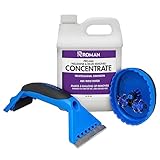
For tougher jobs, or for vinyl-coated wallpapers that don’t let water through easily, you’ll want a dedicated wallpaper stripper solution. Brands like DIF or Chomp are readily available and work wonders. These are specifically formulated to break down the adhesives.
You mix them with water (follow the instructions religiously – they’re usually quite potent) and apply them just like the hot water. You’ll find they work much faster and more effectively. I remember tackling a kitchen wallpaper that had been up for at least fifteen years, subjected to steam from cooking and god knows what else. Hot water alone was taking forever.
I broke down and bought a bottle of DIF, mixed it up, and it was like magic. The paper just started to slough off in sheets.
It saved me hours, maybe even a whole day of scraping. It cost me about $12 for the bottle, and it was worth every penny.
Steamers are another excellent tool, especially for stubborn, multiple layers of wallpaper or very old adhesives. You can rent them from most home improvement stores for a reasonable fee, or buy a decent home-use one for around $70-$100. A wallpaper steamer uses heat and moisture to soften the adhesive. You hold the steam plate against the wall for a minute or two, then scrape.
It’s effective, but you need to be careful not to over-steam and damage the drywall. Always work in small sections and be mindful of the moisture. If you’re dealing with a large area, a steamer can be a lifesaver, but it’s definitely a more involved process than just spraying and scraping. For a single room, a good stripper solution and a sharp scraper might be all you need.
I bought a steamer once for a massive job in my parents’ old house, and it was a beast. It took down three layers of paper like a champ, but the setup and clean-up took almost as long as the actual stripping. So, consider the scale of your project.
Here’s a quick rundown of what I’d recommend:
- For Most Jobs: Hot water, pump sprayer, sharp metal scraper, and patience.
- For Tougher Papers: Dedicated wallpaper stripper solution (like DIF) with a pump sprayer and scraper.
- For Stubborn Walls & Multiple Layers: Wallpaper steamer (rent or buy) with a scraper.
Never, ever underestimate the power of a good, sharp scraper. A dull blade will just tear the paper and make your life miserable. Invest in a quality scraper; it’s one of those tools that makes a world of difference. I bought a cheap plastic one once, and it was useless. I ended up nicking the wall more than I removed paper. Spent another $15 on a metal one and the job went from torture to manageable. It’s about having the right tools and knowing how to use them. This is where the common advice often falls short – suggesting a shortcut that isn’t a shortcut at all. (See Also: Can You Use Removable Wallpaper On Desk )
What to Look for in a Wallpaper Removal Product
When you’re actually in the store, staring at aisles of cleaning supplies and DIY products, what should you be looking for? Forget the fabric softener; that’s off the table. You want something specifically labeled as a ‘wallpaper remover’ or ‘wallpaper stripper.’ These products are formulated with ingredients designed to break down the types of adhesives used in wallpaper paste. Look for solutions that mention they work on ‘vinyl, coated, and complex wallpapers,’ as these are often the trickiest to remove. The active ingredients in these are usually a blend of surfactants and sometimes mild solvents that target the glue, not the paper or the wall.
Read the labels carefully. Most reputable wallpaper removers will tell you what type of wallpaper they are effective on and how to use them. Some are concentrates that you mix with water, while others are ready-to-use sprays. Pay attention to the recommended dilution ratios if it’s a concentrate. Using too much or too little can impact its effectiveness. Also, consider the form: spray-on solutions are generally the easiest to apply evenly, especially on vertical surfaces. If you have very high ceilings, a pump sprayer is your best friend. Avoid anything that promises ‘miracle’ results or claims to work instantly without soaking. Wallpaper removal, even with the right products, requires some dwell time.
I’ve used a couple of different brands over the years, and honestly, they all perform pretty similarly if you follow the instructions. The key is the application and dwell time. A product that costs $10 or $25 is likely to do the same job if applied correctly.
The more expensive ones might have a slightly nicer scent or a bit of a thicker formula that clings better, but fundamentally, they’re all attacking the same problem. I used a brand called ‘Royale’ once that worked just as well as the pricier ‘Chomp’ brand, and it was about half the cost. What you don’t want to look for is anything that sounds like it’s trying to be a jack-of-all-trades cleaner.
A multi-surface cleaner or an all-purpose degreaser is not a wallpaper stripper. They might have different chemical profiles entirely.
Also, consider the environmental impact and safety. Some wallpaper strippers are more eco-friendly than others. If you have respiratory issues or are concerned about harsh chemicals, look for biodegradable or low-VOC options. Always make sure you have good ventilation when using any chemical product, even those marketed as ‘safer.’ You’re basically introducing a chemical agent to a large surface area, and you want to be able to breathe freely. Open windows, use fans, and wear gloves to protect your skin. It’s a dirty job, but it doesn’t have to be a hazardous one.
The Downy Debate: Separating Fact From Fiction
The whole idea of using Downy fabric softener to remove wallpaper is one of those persistent DIY myths that just won’t die. It pops up on forums, in comment sections, and occasionally gets passed around as ‘clever’ advice. But the overwhelming consensus, from seasoned pros to folks who’ve just tackled a few rooms, is that it’s a non-starter. It might work in theory for some incredibly specific, loosely adhered wallpaper types, but for the vast majority of situations, it’s just a waste of time and effort. The chemistry just doesn’t align.
My contrarian opinion here is that while most people are wrong about Downy working, there’s a tiny, almost infinitesimal chance that in a very specific, weak adhesive scenario, it might help a tiny bit. But I would never, ever recommend it. It’s like saying a butter knife can be used to cut through a steak. Technically, you can saw away at it, but it’s going to be a miserable experience, and you’ll probably end up with shredded meat and a sore wrist. The specialized tools and solutions exist for a reason. They’re efficient, effective, and designed to do the job without making a bigger mess.
The ‘People Also Ask’ section often throws up questions like “Can you remove wallpaper with vinegar and water?” or “What is the fastest way to remove wallpaper?” And yes, vinegar and water can sometimes help loosen older wallpaper because of its mild acidity. It’s a better alternative than fabric softener, though still not as effective as dedicated strippers. The fastest way? Honestly, it’s using the right tool for the job. For most people, that’s going to be a dedicated stripper solution applied with a pump sprayer, or a steamer for the really tough stuff. There’s no magic shortcut that bypasses the need for softening the adhesive and then scraping. Anyone who tells you otherwise is either lucky or selling something.
When I did my research for this piece, I looked for any official guidance or manufacturer statements. While no one is going to officially endorse using fabric softener on walls, the makers of wallpaper adhesives and removers consistently point to water, steam, or specialized chemical strippers as the go-to methods. Procter & Gamble, the makers of Downy, certainly don’t list wallpaper removal as a use for their product. They’d likely tell you to use it on clothes. It’s important to trust the intended purpose of products and to use tools designed for specific tasks. Trying to get Downy fabric softener to remove wallpaper is just a recipe for frustration and a mess.
Conclusion
So, to answer the burning question directly: does Downy fabric softener remove wallpaper? The short, blunt answer is: no, not effectively, and it’s probably going to make things worse. You’ll end up with a sticky, smelly mess and wallpaper that’s still firmly attached, possibly even more stubborn thanks to the weird coating you’ve applied. My advice? Save your Downy for your laundry. For wallpaper removal, invest in the right tools and solutions. A good pump sprayer, a sharp scraper, and a dedicated wallpaper stripper are your best bet. They’re designed for the job, they work, and they’ll save you a ton of heartache.
Honestly, I’ve learned the hard way that cutting corners or trying to use household items for tasks they weren’t designed for usually costs more time and money in the long run. I once spent $40 on a ‘miracle’ paint thinner that was supposed to remove old caulk, only to find out that a simple razor blade and some patience worked ten times better and cost virtually nothing. This is one of those situations. You’re better off sticking to tried-and-true methods or products specifically made for wallpaper removal. Don’t fall for the fabric softener myth. You’ll thank me later when you’re not scrubbing goop off your baseboards.
The next time you’re facing a wall of stubborn wallpaper, remember this. Grab a dedicated stripper, a good scraper, and maybe some earplugs if you know you’re going to be swearing a lot. That’s the real path to a clean wall, not a bottle of fabric softener. What’s the worst DIY tip you’ve ever tried and regretted?