I remember staring at the ghastly floral wallpaper in my first apartment. It was a shade of mustard yellow that seemed to actively offend sunlight. The landlord said it was ‘vintage chic.’ I said it was a crime against eyeballs. My first thought? Rip it off. My second thought? How? I’d heard whispers about using fabric softener and vinegar, some kind of DIY magic potion to loosen the glue. Does fabric softener and vinegar remove wallpaper? It’s a question that pops up when you’re facing a wall that needs serious intervention and your wallet is screaming for mercy. Let’s just say, my initial wallpaper removal battle involved more frustration than finesse.
I’d seen online forums buzzing about it, promising a miracle cure for stubborn adhesives. But as someone who’s personally battled everything from peeling edges to wallpaper that seemed to be cemented to the plaster, I’ve learned that not all DIY advice is created equal. Some of it is just… wishful thinking packaged as a hack. So, does it really work, or is it just another internet myth destined to waste your time and leave you with a sticky mess?
The Science (or Lack Thereof) Behind the Softener-Vinegar Mix
Alright, let’s get down to brass tacks. The idea behind using fabric softener and vinegar to remove wallpaper isn’t entirely without a shred of logic, though calling it ‘science’ might be stretching it. Fabric softener, at its core, is designed to coat fabric fibers, making them feel smoother and reducing static. It often contains quaternary ammonium compounds, which are surfactants. Surfactants are molecules that reduce the surface tension of liquids, allowing them to spread more easily and penetrate materials. In theory, this could help the solution seep into the wallpaper paste and the paper itself, breaking down the bond with the wall.
Vinegar, specifically white distilled vinegar, is acidic. Its primary active ingredient is acetic acid. Acidity can help break down certain types of glues and adhesives. Think about how vinegar can be used to clean mineral deposits or even some rust – it’s because of its ability to dissolve these substances. So, the hypothesis is that the surfactant action of the fabric softener helps the acetic acid in the vinegar to get to the wallpaper paste more effectively, basically creating a more potent, penetrating stripper.
I remember my first attempt, armed with a bucket of this concoction and a prayer. The floral nightmare from hell was supposed to yield.
It… didn’t exactly peel off in sheets. It got a bit soggy, sure, and maybe a little easier to scrape in some spots. But it was far from the effortless removal promised. It felt like I was just making a wet, slightly scented mess.
The wallpaper was still clinging on for dear life in most places. I ended up resorting to a dedicated wallpaper steamer, which, while more effort, actually did the job.
So, while the ingredients sound plausible, the real-world effectiveness is… let’s just say, debatable. It’s not a magic bullet. The type of wallpaper, the adhesive used, and how long it’s been on the wall all play a massive role. This DIY mix might offer marginal help for very old, dry paste on certain paper types, but for most modern wallpapers and their industrial-strength glues, it’s a bit of a pipe dream.
Fabric Softener vs. Vinegar: What’s Actually Doing the Work?
So, if this mixture is supposed to work, which component is the heavy hitter? My money’s on the vinegar, with the fabric softener playing a supporting, and frankly, often unnecessary, role. Vinegar’s acidity is its superpower here. Acetic acid is known for its ability to break down adhesives. It’s a common household cleaner for a reason. Think about trying to remove sticker residue or grease – vinegar often comes to the rescue. It works by interfering with the chemical bonds that hold the adhesive together and to the surface. (See Also: Does Judarn Wallpaper Remove Easily )
The fabric softener? That’s where things get murky. While it contains surfactants, the specific types and concentrations in household fabric softeners aren’t optimized for wallpaper paste. They might help the liquid spread a bit better, which is a minor advantage.
However, they can also leave behind a residue. I’ve had fabrics come out of the wash feeling… weirdly slick after using too much softener. Imagine that residue on your walls. It’s an extra cleaning step you might not need.
Some people swear by fabric softener because they think it makes the paper softer, making it easier to tear. Honestly, soaking the paper with water alone will make it softer. The added chemicals of the softener don’t offer much beyond a potential scent, which is often the last thing you want lingering when you’re trying to get rid of something unpleasant.
I’ve experimented with just vinegar and water, and honestly, it performed pretty much the same as the vinegar-and-fabric-softener mix, minus the potential for waxy residue. The only real benefit I’ve noticed with the fabric softener is if you’re dealing with a very, very old house where the paste might be brittle and water-soluble, and the softener helps it rehydrate and break down.
But even then, a dedicated wallpaper stripper or a good steamer is usually more efficient. When I tried to tackle a particularly stubborn section of vinyl wallpaper with just the softener-vinegar mix, it was like trying to dissolve concrete with diluted lemon juice. It just sat there, mocking me.
I learned pretty quickly that sticking to tried-and-true methods, or at least understanding what each ingredient actually does, is key to saving yourself a headache.
The Common Mistakes People Make (including Me)
Let’s talk about the absolute rookie mistakes I’ve made, and you probably will too, if you’re not careful. The biggest one? Expecting miracles. You see a quick YouTube video of someone peeling off wallpaper effortlessly with a magical spray, and you think, ‘Easy peasy!’ That’s rarely the reality. Most wallpaper isn’t designed to come off that easily, especially if it’s vinyl or has been up for a decade or more. The paste used nowadays is usually pretty solid.
Another huge mistake is not preparing the wall properly. Before you even think about spraying anything, you need to score the wallpaper. If it’s vinyl or has a washable top layer, you need to create tiny holes so the stripper can actually penetrate the paper and reach the glue underneath. I once skipped this step on a section of heavily coated paper, and it was like water bouncing off a duck’s back. The fabric softener and vinegar solution just beaded up and dripped down, doing absolutely nothing. I learned the hard way that scoring is a must for anything other than maybe old, porous, single-ply paper. (See Also: Does Peel And Stick Wallpaper Damage Walls When Removed )
Then there’s the dilution ratio. People often eyeball it, or just dump a glug of each into a bucket. Too much vinegar can be overkill and potentially damage the drywall underneath if left too long. Too little, and you’re just spraying scented water.
A common recommendation is a 1:1 ratio of white vinegar to warm water, and then maybe a tablespoon or two of fabric softener per quart of solution. But even that can be too strong or too weak depending on the situation.
I’ve also seen people use way too much liquid, soaking the drywall to the point of no return. You want the paper wet, not the wall dissolving. The goal is to saturate the wallpaper, not to turn your drywall into papier-mâché. My first apartment’s bathroom drywall still has some faint water stains from my overzealous wallpaper removal attempts.
Real-World Effectiveness: When It Might Help (and When It Won’t)
Okay, let’s be brutally honest here. Does fabric softener and vinegar remove wallpaper? Sometimes, maybe, a little bit. It’s not a universal cure-all. Where might it actually lend a hand? For very old, paper-backed wallpaper that’s already starting to peel at the edges and has a paste that’s long past its prime, this mixture might help rehydrate and soften that old glue enough to make scraping a bit easier. Think of it as a mild lubricant for the scraping process.
I once helped a friend tackle a tiny, decorative border in a Victorian house. It was old, dry, and brittle. The fabric softener-vinegar mix, applied sparingly and allowed to soak for a bit, did make it easier to gently peel away with a putty knife. It wasn’t like it melted off, but it was definitely less of a fight than just scraping dry paper. The key there was that the wallpaper itself was already compromised, and the paste was ancient and likely water-soluble.
However, for anything modern – vinyl-coated wallpaper, strippable or peelable papers (which are often designed to come off in one piece without a stripper), or even standard pasted wallpaper that’s been up for a few years – this DIY solution is going to fall flat. The adhesives used today are designed to be tenacious. They’re formulated to hold up against moisture and time. Trying to dissolve them with diluted household acids and surfactants is like trying to bail out a sinking ship with a teaspoon.
You’ll end up frustrated, sticky, and possibly with damaged walls from excessive scraping or prolonged moisture exposure. I’ve seen people spend hours with this mix on tough wallpaper, only to give up and end up buying a proper stripper or renting a steamer anyway. It’s often a false economy.
Alternatives That Actually Work (and Save Your Sanity)
If you’re staring down a wall that needs de-papering, and you’re considering the fabric softener and vinegar route, I’m going to urge you to reconsider. While it sounds cheap and easy, the time and frustration it can cost often outweigh the minimal savings. My personal experience has taught me that there are better, more reliable ways to get that old wallpaper off without turning your living room into a chemical experiment gone wrong. (See Also: Can You Use Removable Wallpaper On Desk )
First up, the humble wallpaper steamer. You can rent these from most hardware stores for a reasonable fee, often around $20-30 a day. They pump hot steam into the wallpaper, which loosens the paste effectively. It’s messy, yes, and you still need to scrape, but the wallpaper usually comes off in much larger, more manageable pieces. It’s a big deal compared to endless spraying and scraping with a flimsy putty knife. I bought one for a major renovation job a few years back, and it paid for itself within the first room. It was a noisy, steamy affair, but seeing those huge sheets of paper peel away was incredibly satisfying.
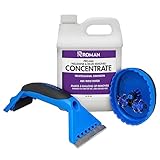
Alternatively, there are dedicated wallpaper removers. These come in liquid or powder form, you mix them with water, and they are specifically formulated to break down wallpaper paste. They’re not prohibitively expensive, often costing about $15-25 for a container that can handle several rooms. The chemical composition is designed for the job, unlike a kitchen staple like vinegar or a laundry staple like fabric softener. I used a liquid wallpaper remover on a particularly stubborn patch of textured wallpaper once, and it was night and day compared to my DIY attempts. It made the paste gooey and slack, allowing for much easier scraping. Here’s a quick rundown of the options:
| Method | Pros | Cons | Verdict |
|---|---|---|---|
| Fabric Softener & Vinegar Mix | Cheap ingredients, readily available | Often ineffective on modern paste, time-consuming, can leave residue | Use only as a last resort for very old, brittle paper. Expect limited results. |
| Wallpaper Steamer (Rental) | Highly effective on most papers, faster removal | Requires rental fee, can be physically demanding, still requires scraping | Excellent choice for large areas or stubborn wallpaper. Worth the rental cost. |
| Dedicated Wallpaper Remover (Liquid/Powder) | Specifically formulated for paste breakdown, effective | Costs money, requires mixing and application, still requires scraping | A reliable and efficient option for most wallpaper jobs. Good balance of cost and effectiveness. |
Ultimately, when you’re battling wallpaper, you want a tool designed for the task. My advice? Save your energy, save your time, and invest a little in a product or tool that’s proven to work. You’ll thank yourself later, and your walls will too.
Faq: Your Burning Wallpaper Removal Questions
Will Fabric Softener Make Wallpaper Easier to Remove?
Fabric softener might make wallpaper slightly easier to remove in some very specific, old-house scenarios due to its surfactant properties. These can help the liquid penetrate the paper and reach the paste. However, for most modern wallpapers and adhesives, its effect is minimal. It’s not a guaranteed solution and often less effective than dedicated removers or steamers.
Is Vinegar or Fabric Softener Better for Removing Wallpaper?
Vinegar, due to its acidity, is generally more effective at breaking down adhesives than fabric softener. The fabric softener primarily acts as a surfactant, potentially helping the vinegar penetrate better, but its direct adhesive-dissolving power is limited. Many find that vinegar mixed with warm water alone is just as, if not more, effective than adding fabric softener, and it avoids potential residue.
Can I Just Use Hot Water to Remove Wallpaper?
Hot water alone can be surprisingly effective, especially on older, water-soluble pastes. It works by softening the paste, allowing you to scrape it away. However, for vinyl-coated or heavily laminated wallpapers, hot water alone won’t penetrate effectively unless the surface is scored. It’s a good starting point but often needs a little something extra for tougher jobs.
How Long Should I Let the Fabric Softener and Vinegar Solution Soak?
If you’re using the fabric softener and vinegar mix, let it soak for about 10-15 minutes. The goal is to saturate the wallpaper, not the drywall. Too long, and you risk damaging the plaster or drywall underneath. For tougher papers, you might need to reapply the solution multiple times. Always remember to score vinyl or washable papers first to allow the solution to penetrate.
Final Verdict
So, the verdict on whether fabric softener and vinegar remove wallpaper? It’s a qualified ‘maybe, but probably not well enough.’ While the ingredients have properties that could theoretically help break down paste, in my experience, it’s rarely the hero solution people hope for when tackling stubborn old wallpaper. You’re often left with a sticky, damp mess and the realization that you’ve wasted a lot of time and elbow grease for minimal progress.
My honest advice, based on years of battling papered walls and wasting money on ‘miracle’ solutions? If you’re facing a wall that’s been wallpapered for more than a few years, especially if it’s vinyl or has any kind of coating, reach for a dedicated wallpaper steamer or a proper chemical wallpaper remover. These tools and products are designed specifically for the job and will save you a mountain of frustration. It might cost a little more upfront, but the time and sanity you’ll save are well worth it.
Don’t let the promise of a cheap, easy fix lure you into a wallpaper removal nightmare. Consider renting a steamer or buying a good quality remover. You’ll get the job done faster and with much better results, leaving you with a clean canvas for your next decorating project, rather than a half-stripped, gummy mess.