So, you’re staring at a wall plastered with ancient, peeling wallpaper, contemplating your life choices and the sheer amount of elbow grease required to strip it. I’ve been there. More times than I care to admit. And amidst the desperation, the internet whispers about using fabric softener.
Fabric softener? For wallpaper?
My initial thought was, ‘Are you kidding me?’ I’ve spent a small fortune on fancy removers that promised miracles and delivered headaches. This whole fabric softener idea felt like another one of those ‘life hacks’ that ends up being more trouble than it’s worth.
But as I stood there, armed with a scraper and a growing sense of dread, I started to wonder: does fabric softener help remove wallpaper, or is it just another myth?
The Scent of Desperation: Why People Try Fabric Softener
Let’s be blunt: wallpaper removal is a dirty, tedious job. You’ve got adhesive that’s basically fossilized, multiple layers of paper and vinyl, and a healthy dose of ‘what were they thinking?’ when you uncover the pattern underneath. Most dedicated wallpaper removers come in a bottle, smell vaguely chemical, and cost a pretty penny. You might need to mix them with hot water, soak the walls for ages, and then scrape until your arms ache. It’s a process that leaves you feeling like you’ve wrestled a bear.
So, when someone suggests something as common and cheap as fabric softener, your ears perk up. The logic, I gather, is that the softening agents in fabric softener might break down the adhesive’s grip on the wall.
It’s the same reason people swear by it for loosening tough stains or even as a general cleaner for some surfaces. The idea is that these surfactants and cationic agents, designed to lubricate fabric fibers, might also lubricate and weaken wallpaper paste.
It sounds plausible enough when you’re exhausted and just want the damn wallpaper gone. I remember one particularly stubborn floral monstrosity in a rented flat – layers upon layers of it. I’d tried scoring, steaming, and a store-bought stripper that smelled like a chemical factory explosion.
Nothing was making a significant dent. That’s when a friend, bless her heart, mentioned her aunt swore by fabric softener. ‘Just a capful in hot water,’ she said.
I rolled my eyes so hard I thought they might get stuck, but later that night, after another failed attempt with the steamer, I found myself staring at my laundry room, wondering if a bottle of Downy could be the unlikely hero.
The allure is simple: accessibility and cost. A gallon of fabric softener is way cheaper than a specialized stripper, and most people already have it. Plus, it smells nicer than most chemical removers. It’s the ‘why buy expensive when you can use what you have?’ argument, and in DIY, that’s a powerful siren song. But here’s the kicker: just because something can be used for something doesn’t mean it’s good at it, or the best way to do it. You can hammer a nail with a shoe, but a hammer is a lot better. (See Also: Does Judarn Wallpaper Remove Easily )
How Fabric Softener might Work (and Why It’s Usually Not Enough)
The basic premise behind using fabric softener for wallpaper removal hinges on its chemical composition. Fabric softeners are designed to coat fabric fibers with a thin layer of lubricating agents, typically quaternary ammonium compounds (often called ‘quats’). These compounds have a positive electrical charge, which attracts them to the negatively charged fibers of your clothes. This coating reduces friction, making fabrics feel softer and reducing static cling. They can also help to slightly emulsify or break down certain substances.
When it comes to wallpaper paste, the idea is that these same softening agents might penetrate the paste and weaken the bond between the paper and the wall. The ‘lubrication’ effect could, in theory, make the paste less sticky and more prone to sliding off. Some anecdotal evidence suggests that the scent of some fabric softeners, particularly those with key oils, might also help mask the unpleasant smell of old paste or mold, which is a bonus if you’re dealing with a particularly stinky situation. It’s a bit like using dish soap on greasy dishes – the surfactants help lift and break down the grease. Fabric softener’s surfactants are designed for a different job, but the principle of breaking down a sticky substance is there.
However, here’s where the wheels often come off. Wallpaper paste is designed to be sticky. Seriously sticky.
It needs to hold paper to a vertical surface, often in humid environments like kitchens and bathrooms, for years, sometimes decades. It’s not just a simple sugar-and-water concoction; it’s a complex adhesive formulated for durability. While fabric softener might offer a slight softening effect, it’s rarely potent enough to break down the full strength of aged, stubborn wallpaper paste. Think of it like trying to unglue a postage stamp with just a bit of spit.
It might loosen it a tiny bit, but you’ll still need to work at it. I learned this the hard way.
I mixed up a bucket, liberally applied it, and waited. The paper felt… slightly damp.
The paste was still as tenacious as a limpet. It made the scraping marginally less gritty, maybe, but it didn’t magically lift the paper off in sheets. It added a floral scent to the dust I was breathing in, which was about its most effective quality.
My Fabric Softener Fiasco: A Cautionary Tale
Alright, gather ’round, because this is where I admit to being an idiot. It was my first place on my own, and the living room walls were covered in this ghastly mustard-yellow paper with tiny, repeating brown paisley shapes. It looked like something out of a 1970s nightmare. I was young, broke, and full of misguided confidence. I’d seen the ‘fabric softener trick’ online, and in my mind, it was a stroke of genius. ‘Who needs expensive chemicals when you have laundry supplies?’ I smugly thought.
I mixed a generous amount of my partner’s lavender-scented fabric softener into a bucket of hot water, probably using way more than was recommended (because ‘more must be better,’ right?). I liberally slathered it onto a section of the wall with a sponge. The smell was, I’ll admit, quite pleasant. It made the grim task feel a little less offensive. I let it soak for about 15 minutes, humming along to the radio, picturing myself as some kind of DIY guru. Then, I took my trusty scraper and went to work.
What happened next was… disappointing. The wallpaper didn’t peel off in nice, big sheets. It didn’t even loosen significantly. Instead, the paper became saturated and gummy. (See Also: Does Peel And Stick Wallpaper Damage Walls When Removed )
The top layer sort of disintegrated, leaving behind a sticky, pulpy mess that clung to the wall even more tenaciously than the original paste. The fabric softener, combined with the water, had basically turned the paper into papier-mâché, but the adhesive itself remained stubbornly in place. Scraping became a nightmare.
It was like trying to remove wallpaper paste that had been mixed with glue and then left out in the sun to harden. To make matters worse, the softener left a slightly slick residue on the wall, which made subsequent attempts with actual wallpaper stripper more difficult because the scraper kept sliding. I ended up spending twice as long cleaning up the sticky, pulpy goo and then re-stripping the wall than if I had just used a proper stripper from the start. It cost me time, energy, and a lot of frustration.
That lavender scent haunted me for days.
What to Look for in a Real Wallpaper Remover
After my fabric softener disaster, I learned a valuable lesson: when it comes to stubborn jobs, you often need the right tool for the job. Fabric softener is great for making towels fluffy, but it’s a terrible wallpaper stripper. So, what should you be looking for when you’re ready to tackle those walls properly? The key is understanding what makes wallpaper stick and what will effectively break it down without damaging your drywall.
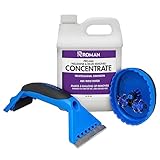
Most modern wallpapers use a water-based adhesive. This means water is your primary weapon, but you need something to help that water penetrate and break down the adhesive’s structure. Dedicated wallpaper removers are formulated with surfactants and often enzymes or other agents that specifically target and weaken wallpaper paste. They come in various forms: liquids you mix with hot water, gels that cling to the wall, and sometimes even spray-on solutions.
When you’re at the store, look for products that clearly state they are for ‘wallpaper removal’ or ‘stripping wallpaper.’ Avoid anything that’s just a general ‘wall cleaner.’ Check the ingredients if you can – you’ll often see names like ‘surfactants,’ ‘ethylene glycol ethers’ (though these are becoming less common due to environmental concerns), or specific proprietary blends. My personal preference is for liquid concentrates that I can mix with hot water.
I find the hot water helps the solution penetrate better, and the concentrate allows me to control the strength. I also look for something that doesn’t have an overpowering chemical smell, though this is a secondary concern to effectiveness.
For particularly stubborn papers, a steamer is invaluable. It uses heat and moisture to soften the paste, making removal much easier. I’ve found that a good quality wallpaper steamer, combined with a decent chemical stripper, is the dynamic duo for most jobs.
Here’s a little comparison of what you might find, and my two cents:
| Product Type | Pros | Cons | My Verdict |
|---|---|---|---|
| Fabric Softener Solution | Cheap, readily available, smells nice. | Ineffective against most pastes, can make a gummy mess, doesn’t truly break down adhesive. | Avoid. Waste of time and effort. |
| Liquid/Concentrate Wallpaper Stripper | Effective, relatively affordable, controllable strength. | Can be messy, requires soaking time, might still need scraping. | My go-to. Reliable and effective for most jobs. |
| Wallpaper Steamer | Very effective on old/stubborn paste, uses just water. | Requires purchasing or renting equipment, can be slow if not used correctly, potential for water damage if overused. | Key for tough jobs. A lifesaver. |
| Gel Strippers | Clings to walls well, less dripping. | Can be more expensive, some have strong fumes. | Good option if you have a lot of vertical surfaces and want minimal mess. |
Practical Tips for Actually Stripping Wallpaper
Okay, so we’ve established that fabric softener is a bust. Now, let’s talk about how to actually get that wallpaper off your walls without losing your mind. It’s all about preparation, patience, and the right technique. Don’t just jump in with a scraper and expect miracles. Here’s a process that has served me well over the years. (See Also: Can You Use Removable Wallpaper On Desk )
- Prep Your Space: This is a must. Lay down drop cloths or old sheets to protect your flooring. Cover any baseboards or trim with painter’s tape. Remove outlet covers and light switch plates. You want to protect everything that isn’t the wall you’re working on.
- Score the Wallpaper (If Necessary): If your wallpaper is vinyl-coated or has a very tough surface, you’ll need to score it first. This creates tiny holes that allow the stripper solution to penetrate the paper and reach the adhesive underneath. Use a scoring tool (a specific roller with tiny blades) or a sharp utility knife very lightly. Don’t press too hard, or you’ll gouge the drywall.
- Apply Your Remover: Mix your chosen wallpaper stripper according to the manufacturer’s instructions. Use a garden sprayer, a roller, or a large brush to apply the solution generously to a section of the wall. Work in manageable sections, typically 3-5 feet wide, so the solution doesn’t dry out before you get to scrape it.
- Let It Soak: This is where patience comes in. Follow the product’s recommended soaking time, which can range from 10-20 minutes for standard removers, or longer for stubborn paste. You should see the paper start to bubble or loosen. If it seems to be drying out, reapply some solution.
- Scrape and Peel: Once the paste is softened, use a wide putty knife or a dedicated wallpaper scraper to gently lift the paper from the wall. Start at a corner or a seam. Work slowly and steadily. If the paper isn’t coming off easily, it needs more soaking time or perhaps scoring. Avoid gouging the drywall.
- Deal with Stubborn Spots: Sometimes, you’ll be left with bits of paper and adhesive. For these, you can reapply the stripper solution, let it soak again, and scrape. A metal-bristled brush can also help scrub off remaining bits. If a steamer is available, this is where it really shines – the steam can lift even the most tenacious adhesive.
- Clean the Walls: After all the wallpaper and adhesive are removed, you’ll need to clean the walls thoroughly. Mix a solution of warm water and a little TSP (trisodium phosphate) substitute or a mild detergent. This removes any lingering residue from the paste or stripper. Rinse the walls with clean water and allow them to dry completely before priming or painting.
One mistake I made early on was not scoring vinyl-coated wallpaper. I just kept drenching it, and it was like trying to soak a plastic bag. The water beaded up and ran off. Scoring is key for those types. Another common pitfall is rushing. You think you’re saving time by scraping before it’s fully softened, but you just end up with a messier, tougher job. Let the product do the work; that’s what you paid for.
The Verdict: Is Fabric Softener Ever Worth It?
Let’s cut to the chase. After years of battling wallpaper in various rental properties and my own homes, I can say with absolute certainty: no, fabric softener does not effectively help remove wallpaper in a way that’s worth your time or effort. While the theoretical chemical action might sound plausible – the surfactants in softener could, in theory, offer a minuscule softening effect on some adhesives – the reality is that wallpaper paste is designed to be solid. It’s built to withstand moisture and time, and the mild lubricating properties of fabric softener are simply not equipped to break down that kind of bond.
My own fabric softener fiasco, where I ended up with a gummy, pulpy mess that was harder to remove than the original wallpaper, is a testament to this. It didn’t make scraping easier; it made it exponentially harder. It added a floral scent to the dust, which was about its only positive contribution. The risk of creating more work for yourself is incredibly high. You’re better off investing in a dedicated wallpaper stripper, even if it costs a few dollars more. The time, effort, and sheer frustration you’ll save far outweigh the minimal cost of a proper remover. I learned this the expensive way, both in terms of money spent on potential products and, more importantly, my own sanity.
If you’re facing a wallpaper removal job, I implore you: save yourself the headache. Forget the fabric softener. Look for a product specifically designed for the task. Consider a steamer for particularly tough jobs. Read reviews, talk to people at the hardware store, and choose something reputable. Your walls, your arms, and your mental well-being will thank you. Because at the end of the day, stripping wallpaper is a battle of wills between you and ancient adhesive. You want to go into that battle armed with the right weapons, not with something that smells nice but is ultimately useless.
Frequently Asked Questions About Fabric Softener and Wallpaper Removal
Can I Use Fabric Softener to Remove Old Wallpaper Paste?
No, it’s generally not effective for removing old wallpaper paste. While fabric softener contains surfactants that might theoretically offer a slight softening effect, wallpaper paste is designed to be a strong adhesive. It’s highly unlikely that fabric softener will break down the bond sufficiently to make removal easy. In fact, it can often create a gummy, pulpy mess that is more difficult to clean than the original paste.
Is There Any Benefit to Using Fabric Softener for Wallpaper Removal?
The only potential “benefit” is that it’s readily available and inexpensive. Some people might find the scent pleasant compared to chemical removers. However, this benefit is completely outweighed by its lack of effectiveness and the risk of making the removal process harder. It does not aid in the actual removal of the wallpaper or its adhesive.
What Is the Best Way to Remove Wallpaper If Fabric Softener Doesn’t Work?
The most effective methods involve using dedicated wallpaper removers (liquid concentrates or gels mixed with hot water) or a wallpaper steamer. For very old or stubborn wallpaper, a combination of a good stripper and a steamer is often the most successful approach. Always prep your area, score vinyl-coated paper, allow adequate soaking time, and scrape gently.
Will Fabric Softener Damage My Walls?
Fabric softener itself isn’t likely to damage drywall directly, but the process of trying to use it for wallpaper removal can. If it doesn’t work, you’ll be left with a sticky residue that needs to be removed, potentially requiring more aggressive scraping or cleaning that could damage the wall surface. It’s the failed attempt and the resulting mess that pose the risk, not the softener itself.
Verdict
So, after all that, the answer to ‘does fabric softener help remove wallpaper?’ is a resounding and emphatic no. My own misadventure with a lavender-scented wall taught me that some DIY hacks are best left as internet myths. While it’s tempting to grab whatever’s under the sink, when it comes to stubborn wallpaper, you really need a product designed for the job. Save your time, save your energy, and definitely save yourself the frustration of trying to scrape off a gummy, fabric-softener-infused mess.
My advice? Invest in a proper wallpaper stripper or rent a steamer. It might seem like more upfront effort or a few extra bucks, but trust me, it will save you a world of pain. You’ll be left with clean walls ready for your next project, not a sticky, floral-scented disaster zone. What’s the worst wallpaper removal experience you’ve had?