I remember the first time I tackled wallpaper in my rental. It looked innocent enough, a floral pattern that screamed ‘grandma’s house.’ The landlord said, ‘Just peel it off.’ Yeah, right. I spent hours scraping, sweating, and questioning every life choice that led me to this moment. Then, someone, maybe my neighbor, maybe a random internet stranger, muttered something about fabric softener. My brain, at that point, was open to anything that wasn’t a chisel.
So, does fabric softener help remove wallpaper? It’s a question that pops up when you’re in the trenches, covered in bits of paper and adhesive. It sounds weird, I know. Fabric softener? For walls? But desperate times call for desperate measures, especially when you’re trying to avoid paying for wall damage.
The Fabric Softener Myth: Does It Actually Work?
Let’s cut to the chase. Does fabric softener help remove wallpaper? My honest, no-holds-barred answer is: not really, and certainly not as a primary solution. I’ve been there, elbow-deep in paste and regret, trying just about everything under the sun. I’ve poured gallons of hot water, scraped until my hands were raw, and yes, I’ve even mixed up a concoction with fabric softener. The result? Meh. It might have made the paper slightly more pliable, maybe helped a tiny bit with stubborn spots, but it wasn’t the magic bullet I was hoping for. It felt like putting a band-aid on a broken leg.
The idea behind using fabric softener, I suspect, comes from its ability to break down static cling and soften fabrics. People figured, ‘Hey, wallpaper paste is sticky, maybe softener can unstick it.’ It’s a logical leap, but wallpaper adhesive is a different beast than fabric fibers. It’s designed to adhere strongly to plaster or drywall. Fabric softener contains surfactants and other chemicals, but they aren’t formulated to dissolve or break down wallpaper glue effectively. Think of it this way: you wouldn’t use dish soap to polish your car, even though both are cleaning agents. Different jobs require different tools and ingredients.
I’ve seen people suggest a 1:1 ratio of fabric softener to hot water. I tried it. The mixture smelled… interesting. Like a poorly chosen air freshener for your bathroom. When I applied it, it certainly soaked into the paper, but I didn’t notice a dramatic difference in how easily it peeled away compared to just hot water and a bit of elbow grease. If anything, the residue it left on the wall was a bit tacky, which then made the scraping process messier. It added an extra step without a proportional reward. My third attempt with a specialized wallpaper stripper solution, however, showed a clear, undeniable difference.
What I’ve learned is that while a lot of DIY tips circulate online, not all of them are based on solid science or practical effectiveness. Some are just old wives’ tales that get passed around because someone, somewhere, once had a marginally positive experience and exaggerated it. The common advice is often to just use hot water, which is better than nothing, but still a grind. I’d rather use something that’s actually designed for the job. I’ve wasted enough money and time on products that overpromised and underdelivered, and fabric softener falls into that category for wallpaper removal.
What Actually Works: The Real Deal for Stripping Wallpaper
Alright, so if fabric softener isn’t the hero we hoped for, what actually makes wallpaper removal less of a nightmare? Over the years, I’ve cycled through a few methods, some more successful than others. The absolute best approach often involves a combination of tools and a good quality stripper solution. Forget the vague internet advice; let’s talk about what gives you results.
First off, scoring the wallpaper is a must. You can buy a special scoring tool, which looks like a small pizza cutter with tiny spikes, or even use a utility knife very carefully. The goal is to create tiny perforations all over the paper. This allows the stripping solution to penetrate through the paper and reach the adhesive underneath. Without scoring, the solution just beads up on the surface and does squat. I learned this the hard way on a bathroom project where I skipped scoring for a section, and it took twice as long to get that part off.
Next, the stripping solution. There are specific products designed for this purpose, and they’re worth their weight in gold. You can find them at any hardware store. They usually come in liquid form, and you mix them with hot water.
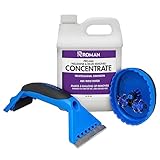
The active ingredients in these solutions are formulated to break down the starches and adhesives that hold wallpaper to the wall. I’ve used a few brands, and honestly, they all perform pretty similarly if you follow the instructions. One I tried, called ‘Rome’s’ (not a joke, that’s the brand name), worked wonders. (See Also: Does Judarn Wallpaper Remove Easily )
It’s not cheap, maybe around $15 a bottle, but it saved me hours of agonizing scraping. The key is to let the solution soak for the time recommended on the label. Don’t rush it. Patience here is your best friend.
For the actual removal, a good stripping knife or a wide putty knife is key. You want something with a flexible but sturdy blade. Start at a corner or seam and gently work your way under the paper. If you’ve scored properly and let the solution do its work, the paper should start to come off in large sheets, or at least in large, manageable pieces. If it’s tearing into tiny bits, your solution might not have soaked in enough, or it’s an older, super-stubborn paste. In those cases, a second application of the stripper solution might be necessary.
Here’s a table comparing a few common approaches I’ve taken, with my honest verdict:
| Method | Pros | Cons | My Verdict |
|---|---|---|---|
| Hot Water Only | Cheap, readily available | Slow, requires a lot of effort, sometimes ineffective on old paste | Barely gets the job done. Better than nothing, but you’ll hate yourself. |
| Fabric Softener Mix | Might slightly improve paper pliability | Ineffective against strong adhesives, leaves residue, smells weird | A waste of time and a potential mess. Stick to real solutions. |
| Dedicated Wallpaper Stripper Solution | Effectively breaks down adhesive, speeds up removal, less scraping | Costs money, requires a trip to the store | This is the way to go. Worth every penny for saving your sanity. |
| Steamer | Very effective on many types of wallpaper and paste | Can be expensive to buy or rent, risk of damaging drywall if overused | Excellent for tough jobs, but use with caution. |
The Mechanics: Why Some Things Work and Others Don’t
Understanding why certain things work (or don’t) when it comes to removing wallpaper is key to not wasting your time and energy. It’s all about the chemistry of adhesion and dissolution. Wallpaper paste, especially older formulations, often contains starches or vinyl acetates that create a strong bond with the wall surface. This bond is designed to be water-soluble to some extent, but not instantly or easily. It needs help to break down.
Hot water is the most basic solvent. Heat increases the kinetic energy of water molecules, making them more effective at penetrating the paper and loosening the adhesive. It’s a decent starting point, but it’s like trying to wash a greasy pan with just cold water – it’ll get some of it off, but it’s a struggle. The water needs time to soak in and rehydrate the dried paste.
Dedicated wallpaper strippers are usually a bit more sophisticated. They often contain surfactants, which are molecules that can lower the surface tension of water. This allows the water (and the active ingredients) to spread more easily and penetrate the wallpaper and adhesive more effectively. Some might also contain enzymes or other chemicals specifically designed to break down the polymers in the adhesive. It’s like adding a degreaser to your dish soap – it cuts through the gunk much faster. I noticed when I used a commercial stripper, the paper didn’t just get wet; it felt like the paste was actually softening and becoming slimy, ready to let go.
Now, fabric softener. The main ingredients are typically cationic surfactants, which are positively charged. These bind to negatively charged fabric fibers, reducing static and making them feel soft. While they are surfactants, their primary function isn’t to dissolve strong adhesives. They might slightly help to loosen the paper’s grip by interfering with the adhesive’s structure, but it’s a weak effect. It’s like trying to use a butter knife to pry open a stubborn jam jar – you might get it to budge a little, but you’re going to put in a lot more effort than if you used a proper tool. The fact that it’s designed for fabric means its chemical makeup is optimized for a different kind of interaction.
A wallpaper steamer works on a similar principle to hot water but with more intensity. The steam penetrates the wallpaper and the adhesive rapidly, and the heat helps to break down the glue. The downside is that too much steam can damage drywall paper or even the gypsum core if you’re not careful. You have to move quickly and strategically. I learned this the hard way when a small patch of my drywall started to look… soggy. Lesson learned: steam with respect.
Common Mistakes That Make Wallpaper Removal Hell
I’ve made my fair share of mistakes when it comes to wallpaper. We all have. It’s usually born from impatience, a desire to save money, or just plain ignorance. But knowing these pitfalls can save you a whole lot of frustration and potential damage to your walls. (See Also: Does Peel And Stick Wallpaper Damage Walls When Removed )
One of the biggest mistakes people make, and I’ve definitely been guilty of this, is not preparing the room properly. You think, ‘It’s just wallpaper, what’s the big deal?’ Turns out, a lot. You need to protect your floors, furniture, and any adjacent walls that aren’t getting stripped. Drop cloths are your friend. Painter’s tape is your best friend. I once tried to be ‘efficient’ by not taping off the baseboards, and ended up with soaked, peeling paint on the wood. It was a mess that took longer to fix than the wallpaper removal itself. Also, make sure you have good ventilation, especially if you’re using chemical strippers.
Another massive blunder is not scoring the wallpaper. As I mentioned before, this is important. If the wallpaper is vinyl-coated or has a shiny finish, it’s even more important. The solution needs to get behind the paper. Trying to soak a non-scored surface is like trying to get a sponge wet by pouring water on top of it without letting it absorb. It just runs off. I’ve seen people give up because they think the paper is impossible, when in reality, they just didn’t score it properly.
Impatience is a killer. People want to speed through the soaking process. They slap on the solution and immediately start scraping. This is a recipe for disaster. The adhesive needs time to soften. If you try to rush it, you’ll end up with tiny, stubborn bits of paper and glue clinging to the wall, requiring endless scraping and potentially gouging the drywall. Let the solution work! Follow the manufacturer’s instructions for soaking times, and sometimes, even a bit longer if the paste is particularly stubborn.
Using the wrong tools is another classic error. Trying to scrape off wallpaper with a flimsy plastic scraper or, worse, a metal putty knife that’s too sharp, can lead to gouging your drywall. A good quality, flexible stripping knife is key. It should be wide enough to cover a good area but flexible enough to bend slightly as you work along the wall’s contours. I learned this when my cheap putty knife left deep gouges that needed extensive patching and sanding. That added another whole day to the project.
Finally, and this is a big one that ties back to the fabric softener idea: using ineffective DIY solutions. Relying on vague internet tips instead of proven methods can lead to wasted time, effort, and frustration. While it’s tempting to save money with a DIY concoction, when it comes to a tough job like wallpaper removal, investing in the right product is often the most cost-effective approach in the long run. The time you save, the frustration you avoid, and the potential damage you prevent easily outweigh the cost of a good stripper solution.
Practical Tips for Tackling Stubborn Wallpaper
After years of battling wallpaper, I’ve picked up a few tricks that make the whole ordeal a lot less painful. These are the things I wish I knew before my first wallpaper removal project, the practical advice that actually helps when you’re in the thick of it.
First, start in a less conspicuous area if you’re unsure. A closet, a small bathroom, or behind a piece of furniture can be your practice ground. This way, if you mess up or struggle, it’s not on a main wall where everyone can see your mistakes. It’s a good place to test your tools, your solution, and your technique without the pressure of perfection.
When applying your stripping solution or hot water, use a garden sprayer or a paint roller with a long handle. A garden sprayer is fantastic for even coverage, and you can re-apply as needed without constantly bending over to dip a sponge. A roller works well for larger areas, making sure you get the liquid onto the paper effectively. Don’t drench the wall to the point of saturation where it’s running everywhere; just make sure it’s thoroughly wet and has time to soak in.
Work in manageable sections. Trying to strip an entire wall at once is overwhelming. Focus on a small area, maybe 3-4 square feet, apply your solution, let it soak, and then start scraping. Once that section is done, move to the next. This keeps you from getting discouraged and makes sure you’re giving each part adequate attention. It also helps prevent the paper and solution from drying out too much before you can scrape it. (See Also: Can You Use Removable Wallpaper On Desk )
Keep a trash can or a sturdy bag nearby at all times. As you peel off sections of wallpaper, you want to be able to toss them immediately. Constantly having to walk over to a pile of wet, sticky paper to dispose of it is annoying and creates more mess. A small bucket or a contractor-grade trash bag hooked onto a ladder rung or a doorknob can be a lifesaver.
For really stubborn adhesive, especially the old, gummy kind that just won’t budge, a mild solution of vinegar and water (about 50/50) can sometimes help. Vinegar is acidic and can help break down certain types of residues. Apply it, let it sit for a bit, and then try scraping. If that doesn’t work, you might need a dedicated adhesive remover, but vinegar is a good, cheap thing to try before buying another specialized product. I used this in my kitchen, and it cut through some seriously stubborn old paste.
Finally, after all the wallpaper and adhesive are off, clean the walls thoroughly. A good wash with a solution of TSP (trisodium phosphate) substitute or a strong detergent and water will remove any lingering residue. This is important if you plan to paint or re-wallpaper. Any leftover paste can cause new wallpaper to bubble or paint to have an uneven finish. A clean, smooth wall is the goal for a professional-looking finish, no matter what you’re doing next.
Frequently Asked Questions About Wallpaper Removal
Can I Use Hot Water and Dish Soap to Remove Wallpaper?
You can try, but it’s generally less effective than dedicated solutions. Dish soap is a surfactant, similar to fabric softener, but its primary function is cutting grease. While it might help loosen some adhesives, it’s not formulated for the specific chemical bonds found in wallpaper paste. You’ll likely find yourself using a lot more elbow grease and time compared to using a product designed for the task.
How Long Should I Let the Wallpaper Stripper Soak?
Always follow the manufacturer’s instructions on the product label, as soaking times can vary. Generally, you’ll be looking at anywhere from 15 to 30 minutes, but for very stubborn wallpaper or old adhesive, you might need to let it soak longer, sometimes reapplying the solution if it dries out. Patience is key here.
What If the Wallpaper Won’t Peel Off at All?
If the wallpaper is proving incredibly stubborn, double-check that you’ve scored it thoroughly. Then, make sure your stripping solution has had adequate time to soak and penetrate. Sometimes, a second application of the solution is necessary. If it’s still not coming off, a wallpaper steamer might be your next best bet, but use it with caution to avoid damaging the drywall.
Is It Okay to Damage the Drywall While Removing Wallpaper?
Ideally, no. While minor nicks are sometimes unavoidable and can be patched, significant gouging or tearing of the drywall paper will require substantial repair work, including patching, sanding, and priming, before you can paint or re-wallpaper. Using the right tools and techniques, like a flexible stripping knife and proper scoring, can minimize damage.
Final Thoughts
So, to circle back to the burning question: does fabric softener help remove wallpaper? In my experience, it’s more of a myth than a solution. It might offer a minuscule improvement in paper pliability, but it’s nowhere near as effective as the dedicated products and techniques designed for the job. You’re better off saving your fabric softener for your laundry.
My advice? Invest in a good quality wallpaper stripper solution and a proper stripping knife. Score your walls, give the solution time to work its magic, and approach the task with patience. Those few extra dollars spent on the right tools will save you hours of frustration and potential wall damage. Remember, a little preparation and the right supplies go a long way when tackling a job like this.
If you’re facing a wall of stubborn wallpaper, don’t despair. It’s a tough job, but with the right approach, it’s definitely doable. Just avoid the fabric softener trick and focus on what actually works.