I’ve stood in rooms, wallpaper stripped halfway, staring at a sticky, stubborn mess of glue that mocked my every effort. It’s the kind of moment that makes you question all your life choices, especially the one involving that fancy floral print you thought would look so chic. So, does Goo Gone remove wallpaper glue? After wrestling with countless rolls and the ghosts of adhesive past, I can tell you it’s… complicated.
You see, it’s not a simple yes or no. There are nuances, types of glue, and a whole lot of elbow grease involved. I’ve wasted good money on products that promised miracles and delivered nothing but more scraping. Let’s cut to the chase: Goo Gone can help, but it’s not the magical eraser everyone seems to think it is, especially when it comes to that particularly tenacious wallpaper adhesive.
The Sticky Truth About Wallpaper Glue and Goo Gone
Let’s get one thing straight: wallpaper glue is often designed to be a permanent or semi-permanent bond. Think about it – you don’t want your painstakingly applied wallpaper peeling off the walls after a week, right? This means manufacturers use strong adhesives. Goo Gone, on the other hand, is formulated to break down sticky residues like tape, sticker goo, and gum. It’s primarily citrus-oil based, meaning it works by dissolving the oil-based components of adhesives.
So, when we talk about does Goo Gone remove wallpaper glue, we’re really asking if its oil-dissolving power is enough to tackle the specific chemicals in wallpaper paste. The answer is often a qualified ‘yes, but’.
Goo Gone can definitely help loosen and soften the glue, making it easier to scrape. It’s particularly effective on the more modern, water-soluble vinyl wallpaper adhesives. For older, oil-based or solvent-based glues, its effectiveness can be significantly reduced. I remember one particularly brutal renovation where I’d used a commercial-grade adhesive for some heavy-duty wall coverings.
Goo Gone barely made a dent. It was like trying to wash a greasy pan with just water; it might wet it, but it’s not going to lift the grime.
The key is understanding that Goo Gone is usually a helper, not a sole solution. You’re still going to need a good scraper, maybe some hot water, and a whole lot of patience. It’s not a spray-and-wipe situation for stubborn wallpaper glue.
The citrus oils in Goo Gone can help break down the tackiness, which is a big win. It makes the glue less resistant to your scraper, reducing the chance of damaging the drywall underneath. But don’t expect it to dissolve the entire layer of glue into a puddle. That’s just not how it typically works.
When people ask if Goo Gone removes wallpaper glue, they’re often hoping for a quick fix. My experience says the fix is rarely quick, but Goo Gone can certainly be a valuable part of a more complete removal strategy. It’s one of those products where the reviews are often inflated by people using it for easier jobs, like removing price tags.
What Kind of Glue Are You Dealing with?
This is where the real confusion starts. Not all wallpaper glue is created equal, and Goo Gone’s effectiveness is directly tied to the type of adhesive you’re trying to remove.
For most standard vinyl wallpaper applied in the last few decades, the glue is water-based and water-soluble. This is the sweet spot for Goo Gone. It can penetrate the adhesive, break down its structure, and make it significantly easier to peel or scrape off. I’ve found that after spraying Goo Gone and letting it sit for about 10-15 minutes, the glue becomes gummy and much less resistant.
It still requires scraping, mind you, but the gouging and tearing of the drywall are minimized. This is a big deal, especially if you’re planning on repainting or re-wallpapering.
However, if you’re dealing with older homes, or specialty wallpapers (like fabric-backed or foil), you might encounter different types of glue. Some older wallpapers used starch-based adhesives, which are also generally water-soluble and respond reasonably well to Goo Gone. But then you get into the world of peel-and-stick (which is usually more of a mild repositionable adhesive and less of a ‘wallpaper glue’ problem), or, more concerningly, pre-mixed or solvent-based adhesives used for heavy-duty applications.
These are the types that can make Goo Gone seem almost useless. I once tackled a historic house that had layers upon layers of paper, some with what I suspect were oil-based primers or adhesives underneath. Goo Gone just sat there, slicking the surface but not breaking down the bond. It was a humbling experience, and I ended up having to resort to a steamer and a lot of brute force, with Goo Gone playing a supporting, almost negligible, role. (See Also: Does Judarn Wallpaper Remove Easily )
The best advice I can give is to try it on a small, inconspicuous area first. See how it interacts with the glue. If it softens it significantly, you’re in luck. If it just makes it slightly more slippery, you might need to look at other, more aggressive methods or combine Goo Gone with them. Understanding the type of glue is probably the most overlooked aspect when people ask does Goo Gone remove wallpaper glue. It’s not just about the product; it’s about the enemy it’s fighting. For about $15 a bottle, it’s worth a shot, but don’t bank your entire sanity on it being the silver bullet.
How Goo Gone Actually Works (and When It Fails)
Goo Gone’s magic, such as it is, lies in its d-limonene content – a natural solvent derived from citrus peels. This is an organic compound that’s fantastic at breaking down oily, greasy, and sticky substances. When you spray it on, the d-limonene penetrates the adhesive, basically loosening the bonds that hold the glue to the wall and the wallpaper. It acts as a lubricant, reducing the surface tension and allowing the glue to become more pliable. This is why it’s so good for things like tar, crayon marks, and residue from old price tags. It’s a solvent, plain and simple, but a relatively mild and pleasant-smelling one compared to harsher chemical strippers.
So, when does Goo Gone remove wallpaper glue effectively? It’s when the glue itself has components that d-limonene can readily dissolve. Most modern wallpaper pastes are water-based emulsions.
Goo Gone can still interact with the binders and tackifiers in these glues, softening them. The process usually involves spraying Goo Gone, letting it soak for a bit (the longer the better, within reason – you don’t want it to dry out), and then scraping. You might need multiple applications. For instance, I was removing a particularly stubborn vinyl wallpaper, and after the first Goo Gone application and scraping, there was still a thin, hazy layer of adhesive left.
A second spray, letting it sit for 20 minutes this time, and then scraping with a wider blade did the trick. It was still a chore, but the Goo Gone definitely made it less of a battle.
Where it falters, however, is with glues that are primarily non-polar or have strong, cross-linked polymer structures that d-limonene can’t easily penetrate or break down. Think of very old, industrial-grade adhesives or certain types of permanent glues. In these cases, Goo Gone might just sit on the surface, perhaps making it a little shinier, but doing very little to break the bond. I’ve seen this happen with some older types of wallpaper paste that were almost like cement.
When this occurs, you’re looking at more drastic measures. You might need a dedicated wallpaper stripper (chemical or steam), or a more aggressive solvent like mineral spirits or denatured alcohol, depending on the glue’s composition. The common advice is often just ‘use Goo Gone’, but my real-world experience tells me that the nature of the glue is the deciding factor, and Goo Gone is only part of the arsenal for many wallpaper glue removal jobs.
My Go-to Strategy: Goo Gone Plus Elbow Grease
Let’s be honest, no product is going to make wallpaper removal feel like a spa treatment. When I’m faced with the question, ‘does Goo Gone remove wallpaper glue?’, my answer is always rooted in the understanding that it’s a tool, not a magic wand. My preferred method involves a multi-pronged attack, where Goo Gone plays a starring supporting role. First, I always start by scoring the wallpaper. Using a scoring tool (like a Zinsser PaperRake or even a utility knife with a very light touch), I create tiny perforations all over the surface. This allows water and any removers to penetrate the paper and reach the glue underneath. This step is a must for most wallpapers, especially vinyl-coated ones.
Then comes the hot water. Often, just hot water will do a decent job. I mix it with a bit of dish soap to help break down any grease or contaminants on the wall.
I apply it liberally with a sponge or a garden sprayer and let it sit for 10-15 minutes to soak in. If the glue starts to soften and peel, great. If it’s still stubbornly clinging on, that’s when Goo Gone enters the picture. I’ll spray Goo Gone directly onto the softened glue residue, focusing on areas that are particularly thick or sticky.
I let it sit for another 10-15 minutes, giving the citrus oils time to work their magic and break down the adhesive’s structure further. It’s important to work in sections so the Goo Gone doesn’t dry out before you can scrape.
After the Goo Gone has had time to work, I use a good quality wallpaper scraper – a wide one, about 6 or 8 inches, with a sharp blade. Hold it at a low angle to the wall to avoid gouging the drywall.
You should find that the glue scrapes off much more easily now, often in thicker, gummier clumps. There will likely be some spots that require a second pass of Goo Gone, or even a dab of mineral spirits if it’s particularly tenacious. (See Also: Does Peel And Stick Wallpaper Damage Walls When Removed )
My mistake early on was thinking Goo Gone would do all the heavy lifting. I used it sparingly, expecting it to dissolve everything. That was a mistake.
You need to saturate the residue, let it work, and then scrape aggressively but carefully. It’s a partnership between the product and your effort. This approach has saved me from a lot of frustration and potential wall damage over the years.
Common Mistakes and What to Watch Out For
One of the biggest mistakes I see people make when tackling wallpaper glue is expecting Goo Gone to be a miracle worker on its own. They spray it once, wipe it, and then get frustrated when the glue is still there. As I’ve said, Goo Gone is a solvent that helps break down adhesives; it doesn’t typically dissolve them instantly into nothingness. You need to give it time to penetrate and soften the glue. I’ve learned this the hard way, rushing the process and ending up with more residue than I started with because I didn’t let it soak long enough. Patience is key here.
Another common pitfall is not preparing the surface correctly. If you’re trying to remove wallpaper glue without removing the wallpaper first, or if the wallpaper itself is a barrier (like vinyl-coated), Goo Gone (or any remover, for that matter) won’t be able to reach the glue effectively. Scoring the wallpaper, as I mentioned, is important. Without those little holes, the Goo Gone just beads up on top and evaporates without doing much. It’s like trying to water a plant through a plastic bag – it doesn’t get to the roots.
People also tend to use too little product. A light mist isn’t going to cut it for stubborn wallpaper glue. You need to apply it generously, almost to the point where the glue residue is well-saturated.
Let it sit. Then, when you scrape, use a sharp blade and hold the scraper at a low angle. Trying to scrape with a dull blade or at a steep angle will just gouge your drywall, leading to more repair work down the line. I once tried to save money by using an old putty knife.
It was like scraping with a butter knife – ineffective and damaging. Invest in a proper wallpaper scraper.
Finally, don’t ignore the smell. While Goo Gone has a pleasant citrus scent, some people are sensitive.
Make sure good ventilation, especially if you’re working in a small, enclosed space for extended periods. A well-ventilated room is also safer if you decide to escalate to stronger chemical strippers.
When Goo Gone Isn’t Enough: Alternatives to Consider
So, you’ve tried Goo Gone, you’ve scraped, you’ve cursed the previous homeowner’s decorating choices, and the wallpaper glue is still mocking you. It happens. The reality is, does Goo Gone remove wallpaper glue effectively enough for all situations?
No. When Goo Gone isn’t cutting it, you need to look at other options. The most common and often most effective alternative is a dedicated wallpaper steamer.
Steamers heat water to create vapor that penetrates the wallpaper and softens the glue almost instantly. You can rent these from most home improvement stores for a reasonable daily fee. They’re messy, and you have to be careful not to oversaturate the drywall, but they are incredibly effective, especially for large areas and stubborn adhesives.
I bought one after a particularly bad wallpaper removal job that took me days of scraping. The steamer cut the time by at least 75%, and the glue just wiped away. (See Also: Can You Use Removable Wallpaper On Desk )
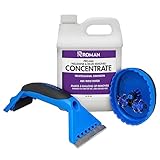
Another option is a chemical wallpaper stripper. These are more potent than Goo Gone and are specifically formulated to break down various types of wallpaper adhesives. They come in liquid or gel forms. You’ll need to follow the instructions carefully, wear gloves and eye protection, and make sure excellent ventilation because these are usually stronger chemicals. Products like Roman Heavy Duty Wallpaper Remover or Zinsser’s DIF are popular choices. They often work much faster than Goo Gone but can be more aggressive, so testing in an inconspicuous area is important. I’ve used chemical strippers on some truly ancient, stubborn glues, and they’ve been lifesavers. They break down the bond on a molecular level that Goo Gone just can’t touch.
Sometimes, the simplest approach is best. For very thin, easily removable glue residue after the main wallpaper is off, a solution of hot water and white vinegar can work wonders.
Vinegar is acidic and can help break down certain types of adhesive. A 50/50 mix of hot water and white vinegar, applied and left to soak, followed by scraping, can be surprisingly effective and is a much cheaper and less harsh alternative to Goo Gone. Lastly, for incredibly tough, old, or unknown adhesive types, some people resort to sanding the drywall after all other methods have failed.
This is a last resort, as it’s messy and can damage the drywall surface if not done carefully. However, a light sanding can remove the last stubborn bits of glue. It’s key to vacuum up all the dust immediately afterward.
The choice between these methods often depends on the type of glue, the size of the area, and your tolerance for mess and chemicals. My personal preference is always steamer first, then chemical stripper if needed, and Goo Gone as a helpful addition or for lighter residues.
Comparison of Wallpaper Glue Removal Methods
| Method | Pros | Cons | Verdict |
|---|---|---|---|
| Goo Gone | Pleasant scent, readily available, good for lighter residues. | Can be ineffective on tough glues, requires significant scraping. | A helpful aid, not a primary solution for stubborn glue. |
| Hot Water & Soap | Cheap, safe, readily available. | Can be slow, often insufficient on its own for tough glues. | Good first step, especially for vinyl wallpaper. |
| Wallpaper Steamer | Very effective on most glues, fast removal. | Can be messy, requires equipment rental/purchase, potential for over-saturation. | Highly recommended for large areas and stubborn glue. |
| Chemical Strippers | Powerful, fast-acting on tough adhesives. | Harsh chemicals, require safety precautions, good ventilation needed. | Effective for the most difficult glues, use with caution. |
| Vinegar Solution | Cheap, safe, eco-friendly. | Moderately effective, may not work on very strong glues. | Good for lighter residues or as a secondary option. |
People Also Ask:
Can I leave Goo Gone on wallpaper glue overnight?
It’s generally not recommended to leave Goo Gone on wallpaper glue overnight. While it needs time to work, leaving it for an extended period, especially in a warm room, can cause it to dry out and become less effective, or potentially even damage the underlying drywall if it penetrates too deeply without being wiped away. It’s better to apply it in sections, let it sit for 15-30 minutes, and then scrape.
Does Goo Gone damage drywall?
Goo Gone is generally safe for most surfaces, including drywall, when used as directed. However, prolonged exposure or excessive saturation, especially on unprimed or damaged drywall, could potentially weaken the paper facing or the adhesive holding it. Always test in an inconspicuous area first, and avoid letting it soak into the drywall for hours on end.
How long should I let Goo Gone sit on wallpaper glue?
For best results, let Goo Gone sit on the wallpaper glue for at least 10-15 minutes. For tougher adhesives, you might benefit from letting it sit for up to 30 minutes, reapplying if it starts to dry out. The goal is to allow the citrus oils to penetrate and soften the glue. Don’t let it dry out completely before scraping.
Conclusion
So, to circle back to the burning question: does Goo Gone remove wallpaper glue? Yes, it can significantly help, especially with more modern, water-soluble adhesives. Think of it as a powerful assistant to your scraper, not the sole solution. My own experiences have taught me that Goo Gone is most effective when used as part of a multi-step process, often combined with hot water, scoring, and a lot of honest-to-goodness elbow grease. For truly ancient or industrial-grade glues, you’ll likely need to bring out the heavy artillery like a steamer or a dedicated chemical stripper.
Don’t fall into the trap of expecting a magical spray that makes the glue vanish. It requires patience, the right tools, and understanding that the type of glue matters immensely. If you’re facing a wall of sticky residue, I’d say grab a bottle of Goo Gone, a good scraper, and a healthy dose of determination. It’s a worthwhile product to have in your arsenal for those less stubborn moments, but always have a backup plan for the really tough jobs. The satisfaction of a clean wall, free from the ghosts of wallpaper past, is worth the effort, no matter what tools you ultimately employ.