Heard the whispers? Seen the worried looks when someone mentions buy-here-pay-here lots? The question of whether JD Byrider has trackers on their cars is more than just idle curiosity; it’s about trust, privacy, and frankly, not getting your ride repossessed because you missed a payment by an hour.
Honestly, I’ve been there. Bought a car on a shady lot years ago, thought I was getting a decent deal. Then, a week later, the thing just… died. Wouldn’t start. Turns out the dealer had some kind of device on it that was cutting the engine if payments weren’t made *exactly* on time. Cost me a fortune in towing and repairs I probably didn’t need, all because I didn’t ask the right questions upfront.
So, does JD Byrider have trackers on their cars? Let’s cut through the noise and get to what actually matters for you, the buyer.
The Real Deal About Jd Byrider and Car Trackers
Look, the automotive financing world can be a murky place, especially when you’re dealing with companies that handle their own financing. JD Byrider operates under a franchise model, meaning each dealership might have slightly different policies, but there’s a common thread many in this industry use. It’s not always about malice; sometimes it’s about mitigating risk for them. For you, though, it feels invasive.
I’ve spent years dealing with car repairs, buying and selling, and frankly, getting ripped off a time or two. This isn’t theory for me; it’s lived experience. So when people ask if JD Byrider puts GPS trackers on their cars, I tell them straight: it’s highly probable, and you need to know why. They aren’t just tracking your car’s location for fun; it’s tied directly to their payment systems. Think of it like a digital repossession key, ready to be turned if the automatic debit from your account bounces for the third time.
It’s frustrating because the sales pitch rarely mentions this technology. You’re focused on getting approved, getting a car, and getting back on the road. The fine print, as always, is where the devil lives. This isn’t a unique JD Byrider thing; it’s common across many buy-here-pay-here dealerships. They need to protect their investment, and this is their primary method.
Why They’d Want to Track Your Car
Let’s get blunt. JD Byrider, like most buy-here-pay-here (BHPH) dealerships, assumes a higher risk with their customers. They aren’t a traditional bank. They are the bank. This means their profit margins are tighter, and their exposure to defaults is higher. So, what do they do? They implement systems to reduce that exposure. A vehicle tracking system, often integrated with a starter interrupt device, is a pretty standard tool in their arsenal. It serves two main purposes:
- Payment Enforcement: If a payment is missed or late, the tracker can signal a starter interrupt, preventing the car from starting. This is their way of saying, ‘You can’t drive it if you don’t pay for it.’
- Recovery: In the unfortunate event of repossession, the tracker makes finding the vehicle much easier. Instead of a costly and time-consuming search, they can pinpoint the car’s location quickly.
Honestly, I’ve seen folks get their cars shut off for being a day late. One guy I know had his truck just die at a gas station because his automatic payment didn’t clear due to a temporary hold on his bank account. He spent two hours on the phone with JD Byrider, sweating bullets, before they finally reset it. The relief on his face was palpable, but the stress was insane. It was like a very high-stakes game of financial hot potato.
The Tech Behind the Tracking
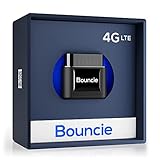
These aren’t usually fancy, high-tech GPS units you’d put on a race car. Think more along the lines of a small, often self-powered or wired-directly-to-the-battery device. Many are integrated with the car’s OBD-II port (that diagnostic port usually under the dashboard) or are wired into the ignition system. Some systems can even transmit diagnostic trouble codes (DTCs) back to the dealership, giving them a heads-up on potential mechanical issues that might lead to missed payments down the line. It’s a proactive approach for them, but a deeply intrusive one for you.
The technology itself is pretty straightforward. A small GPS module records location data and transmits it wirelessly, usually via cellular networks, to a central server. This server is linked to the dealership’s management software. When you make a payment, the system is updated, and if everything is clear, the ‘immobilize’ function is deactivated. It’s a surprisingly effective, if rather draconian, way to ensure they get their money or their car back. (See Also: Why Does Victoria Secret Have Trackers In Their Bras )
Personal Mistake Story: The ‘invisible’ Install
Years ago, I bought a used car from a smaller dealer who also did in-house financing. Everything seemed legit, no weird clauses I could spot. About six months in, I had a car payment that I slightly underestimated in my budget. I was a few days late, not a big deal, or so I thought. I went to start my car one morning, and nothing. Totally dead. No click, no crank. Just… silent. Panic set in. I immediately thought it was a major engine failure, picturing thousands in repairs.
After a tow truck ride and a day of dread, the mechanic called. “Found something weird,” he said. “Looks like a starter interrupt device. Someone wired it right into your ignition harness. There’s a small chip inside that’s keyed to a payment schedule.” My stomach dropped. I’d paid this guy thousands, and he still had a way to brick my car remotely. I felt utterly violated. I ended up paying him an extra $150 to remove the damn thing, which he did with a smug look on his face. It taught me a brutal lesson: assume nothing, ask everything, and read the fine print like your freedom depends on it, because in a way, your transportation does.
What About Starter Interrupts vs. Gps Trackers?
It’s easy to conflate these two, but they’re slightly different beasts, though often found together. A GPS tracker’s primary job is location monitoring. A starter interrupt device, however, is designed to prevent the engine from starting or to shut it off. They are frequently combined in BHPH dealerships. The GPS tracker tells them *where* the car is, and the starter interrupt device gives them the power to *disable* it. One is about intelligence gathering, the other is about direct control.
Think of it like this: a regular GPS tracker is like a security camera recording who enters and leaves. A starter interrupt is like a guard with a remote control who can lock the door from the outside. Most JD Byrider locations, and similar dealerships, are likely using systems that do both. It’s the most efficient way for them to manage their high-risk loan portfolio. They’re not just tracking your car; they’re ensuring it stays put if you fall behind.
It’s a tough pill to swallow, especially if you’re not tech-savvy. The idea that a piece of equipment on your personal vehicle can be remotely disabled is unnerving. Yet, it’s a standard practice in this sector of the auto finance industry. According to the Consumer Financial Protection Bureau (CFPB), buy-here-pay-here dealers often use starter interrupt devices and GPS trackers as part of their loan agreements to mitigate risk and ensure payment compliance. This isn’t some conspiracy theory; it’s a documented business practice.
The Legal and Ethical Gray Areas
This is where it gets sticky. Are these devices legal? Generally, yes, as long as they are disclosed in the purchase agreement. The catch is that ‘disclosed’ can sometimes mean buried in a dense, multi-page contract that most people skim or don’t fully comprehend. JD Byrider, operating under franchise agreements, is expected to follow state and federal disclosure laws. However, the *clarity* of that disclosure is often the issue. Did you truly understand what you were agreeing to when you signed?
Ethically, it’s a different conversation. Many consumers feel that having their vehicle’s movement restricted or tracked without constant, active consent is a violation of privacy. It turns a necessary asset into a tethered possession. Imagine trying to get to a doctor’s appointment or a job interview only to find your car won’t start because of a clerical error or a delayed bank transaction. The consequences can be severe, impacting your livelihood and well-being. It’s less about security for the consumer and more about control for the lender.
Honestly, the whole setup feels like a car is less about freedom and more about a very expensive, tracked leash. The frustration comes from the lack of transparency. If dealerships were upfront, saying, ‘Yes, we use trackers and starter interrupts, and here’s why, and here’s how it works,’ it would still be a tough pill to swallow, but at least it would be honest. The current approach, where it’s hidden in the fine print, feels disingenuous.
Your Rights and What You Can Do
First and foremost, read every single document before signing. If you’re unsure about any clause, ask for clarification. If they can’t or won’t explain it clearly, walk away. Seriously. There are other dealerships, other cars. Don’t get trapped by a contract you don’t understand. (See Also: Why Do Flat Trackers Have Slick Rear Tire )
If you’ve already purchased a vehicle from JD Byrider and suspect a tracker is installed, here’s what you can do:
- Review Your Contract: Look for any mention of ‘vehicle location services,’ ‘starter interrupt,’ ‘remote disabling,’ or similar terms.
- Consult a Mechanic: A trusted, independent mechanic can often identify and sometimes even remove these devices. Be aware that removing a device might violate your contract, leading to further complications. Some people have paid discreet mechanics upwards of $300 to remove them after paying off their loan, just for peace of mind.
- Contact JD Byrider: If you have a specific issue, like the car not starting and you believe it’s due to the device, contact them immediately to understand the situation and seek resolution. Document every conversation.
- Understand State Laws: Laws regarding starter interrupts and GPS tracking vary by state. Some states have specific regulations about disclosure and usage. Research your local consumer protection laws.
It’s a bit like peeling back layers of an onion, trying to get to the core of what’s really going on with your car. The key is to be informed and proactive, rather than reactive when problems arise.
The Unspoken Rule: Assume They’re There
My best advice, based on years of watching people get burned by these types of financing agreements, is to simply operate under the assumption that JD Byrider *does* have trackers on their cars. Approach every BHPH dealership with this mindset. It’s not about distrusting them specifically, but about understanding the industry standard for this kind of lending. This way, you’re not caught off guard. You can then focus on negotiating terms, understanding the full cost of the vehicle, and ensuring you’re comfortable with the entire arrangement, including the potential for such technology to be present.
When you’re walking into a place like JD Byrider, you’re often there because traditional financing avenues are closed off. This puts you in a weaker negotiating position. But knowledge is power. Knowing that trackers and starter interrupts are likely part of the deal allows you to ask the right questions from the outset. For example, you can ask: ‘Are there any devices installed on this vehicle that can remotely disable it or track its location? If so, what are the terms of their use and how are they removed upon loan payoff?’ A clear, direct answer is what you need.
| Feature | JD Byrider Likely Implements | Consumer Verdict |
|---|---|---|
| GPS Tracking | Yes, high probability. For location monitoring and repossession assistance. | Intrusive. Feels like a breach of privacy. Essential for recovery for them. |
| Starter Interrupt Device | Yes, very likely. To prevent engine start if payments are missed. | Highly restrictive. Can cause significant hardship. Their primary payment enforcement tool. |
| Remote Diagnostics | Possible. Some systems can transmit DTCs. | Convenient for them, potentially problematic for you if they use it to pressure you over minor issues. |
| Disclosure in Contract | Legally required, but often buried. | Consumers often miss it. Transparency is key, and often lacking. |
| Removal Upon Payoff | Should be part of the agreement and process. | Needs to be explicitly confirmed and ideally, a physical removal documented. |
This table is a simplified view, but it highlights the core technologies you should be aware of when considering a vehicle from a buy-here-pay-here dealer like JD Byrider. My take? The utility for the dealer is undeniable for their business model. The impact on the consumer’s freedom and peace of mind, however, can be substantial. It’s a trade-off that needs careful consideration.
Frequently Asked Questions About Jd Byrider Trackers
Does Jd Byrider Put Gps Trackers on Cars?
It is highly probable that JD Byrider, and other buy-here-pay-here dealerships, install GPS tracking devices on vehicles sold through their in-house financing programs. These are used to monitor vehicle location, primarily for repossession purposes if payments are missed.
Can Jd Byrider Disable My Car If I Miss a Payment?
Yes, many vehicles sold by JD Byrider are likely equipped with starter interrupt devices that can be remotely activated to prevent the car from starting if payments are delinquent. This is a common practice in the buy-here-pay-here industry.
Is It Legal for Jd Byrider to Put Trackers on Cars?
Generally, it is legal as long as the presence and use of these tracking and disabling devices are clearly disclosed in the loan or purchase agreement. However, the effectiveness and clarity of this disclosure can vary significantly.
What Should I Do If I Suspect My Jd Byrider Car Has a Tracker?
First, carefully review your contract for any mention of such devices. If you find a device or believe one is installed, consult with an independent mechanic. You can also contact JD Byrider directly to inquire about the technology and its removal process upon loan payoff. (See Also: Is Th Vivofit 3 Have Timers And Trackers On It )
Can I Remove the Tracker Myself?
While technically possible, attempting to remove a tracker or starter interrupt device yourself could violate your contract with JD Byrider and lead to further legal or financial repercussions. It’s best to have it removed by a professional mechanic after understanding the contractual implications.
Do They Track My Driving Habits Too?
Some advanced systems might collect driving data, but the primary purpose of trackers and starter interrupts in this context is payment enforcement and vehicle recovery, not monitoring driving habits for performance analysis. The focus is on securing their asset.
The Bottom Line on Jd Byrider Car Tracking
So, to circle back to the initial question: does JD Byrider have trackers on their cars? The overwhelming evidence from industry practices and consumer experiences points to a very strong “yes.” It’s not about if, but how and when you find out. These systems are integral to their business model of managing higher-risk loans.
Being aware of this technology is your first line of defense. Don’t let the convenience of getting a car quickly override the importance of understanding the terms of your agreement. Read everything, ask detailed questions, and if something feels off, trust your gut and walk away. Your financial well-being and your freedom on the road depend on it.
Final Verdict
Ultimately, the question of whether JD Byrider has trackers on their cars boils down to understanding the realities of buy-here-pay-here financing. These devices are almost certainly in play to protect the dealership’s investment. If you’re considering a vehicle from them, or any similar establishment, approach it with your eyes wide open.
My final, blunt advice: assume they’re there. Plan your payments meticulously. And when you do pay off the vehicle, ensure you get confirmation that any tracking or disabling device has been fully and permanently removed. Don’t let the car you’re paying for feel like a loaner you can’t truly own.
If you find yourself in a situation where your car has been disabled due to a payment issue, or you suspect a tracker is installed and you’re unsure about the next steps, reach out to a local consumer protection agency or a legal aid society. They can offer guidance specific to your situation and location.
Recommended Products