I stood in my first house, staring at floral wallpaper that screamed ‘1980s grandma chic.’ It was peeling at the corners, faded in the sun, and honestly, just plain ugly. My gut told me this had to go. But then the whispered advice started: ‘Leave it, it’s a period feature,’ or ‘Wallpaper can be expensive to remove, you’ll lose money.’ I’d bought this dump for a song, and frankly, I didn’t want to live in a museum exhibit. So, does removing dated wallpaper increase home value? I’m here to tell you what I learned, the hard way, from peeling more paper than I care to admit.
The Nitty-Gritty: Why You Probably Should Rip It Out
Let’s cut to the chase. If you’re thinking about selling your home, or even just want it to feel less like a time capsule, then yeah, most of the time, removing dated wallpaper is a good move. I’m not talking about that subtle, elegant grasscloth that’s aged like a fine wine. I’m talking about the stuff that makes you squint.
Think avocado green paisleys, clashing geometric nightmares, or anything with a heavy, glossy finish that traps every bit of dust. These patterns, especially when they’re aggressively vintage, aren’t adding charm; they’re screaming ‘project’ to potential buyers.
Buyers today, for the most part, want move-in ready. They want a blank canvas. They see dated wallpaper and their brain immediately calculates the cost and hassle of removal, plus the cost of repainting.
That’s money they’d rather spend on, well, anything else. It’s a visual deterrent, plain and simple.
I remember walking through a house once that was otherwise decent, but every room was plastered in this blindingly bright, metallic gold and purple floral pattern. It was so loud, so overwhelming, that I couldn’t even focus on the layout or the potential. My eyes hurt.
The agent kept talking about how ‘unique’ it was. Unique? It was a visual assault. I didn’t even bother making an offer; the thought of stripping that horror show was enough to make me run for the hills.
And I know I wasn’t the only one. My real estate agent, bless her heart, has seen it all. She once told me about a house where the seller refused to remove a truly hideous, dark brown flocked wallpaper from the 70s.
It made the rooms feel like caves. The house sat on the market for six months, dropping in price with every passing week, while neighboring homes with fresh paint sold in days. When they finally relented and stripped the paper, it sold within a month for more than they’d initially asked. The message is clear: sometimes, less is infinitely more.
The upside isn’t just about avoiding a negative. Freshly painted walls, after the wallpaper is gone, just look cleaner, brighter, and more spacious. It gives the impression that the house has been cared for and updated. This perception is huge in real estate. It’s not just about the raw square footage; it’s about how appealing the space feels. Dated wallpaper can make even a large room feel smaller and more claustrophobic. Removing it and painting allows the natural light to bounce around, making the entire home feel more inviting and livable. It’s a relatively low-cost renovation that can have a disproportionately large impact on buyer perception and, therefore, on the final sale price.
The ‘when to Leave It’ Exception (spoiler: It’s Rare)
Now, before you grab the steamer and start tearing into every wall, there’s a tiny caveat. Is it always a good idea to remove dated wallpaper? Not necessarily. There are situations where keeping it, or at least being cautious about removal, makes sense.
The biggest exception is when the wallpaper is actually valuable, high-quality, and in good condition, fitting a very specific architectural style of the house. Think of a historic Victorian home where the original, intricate period wallpaper might actually be a selling point for a buyer who appreciates that authenticity. In these cases, if it’s well-maintained and not actively peeling or damaged, it can be a feature.
However, even then, a buyer might want to update it with a different period-appropriate paper, so it’s not a guaranteed win. My advice? If you think it might be valuable, get an expert opinion from a historical preservationist or a high-end interior designer specializing in historic homes before you even think about touching it.
Another scenario where removal might be tricky is if the wallpaper is layered, meaning there are multiple old wallpapers underneath each other. This is a nightmare. Sometimes, the adhesive has bonded so thoroughly over decades that attempting to remove it can damage the drywall underneath. You might end up with torn paper-thin layers of drywall, requiring extensive repairs that can easily cost more than the wallpaper removal itself.
I learned this the hard way in my first house. I was tackling a bathroom with a particularly awful, shiny vinyl wallpaper. I thought it would peel right off.
Nope. It turned out there were three layers of paper underneath. After an hour of scraping and steaming, I had exposed plaster dust and torn drywall. My Saturday was ruined, and I ended up having to call a professional drywall repair guy who charged me $300 to fix what I’d broken.
That was a hard lesson in ‘sometimes the DIY isn’t worth the headache’. You need to test a small, inconspicuous area first. If it comes off in strips easily, great.
If it’s a gummy mess or comes off with half the drywall paper, stop and reassess. It’s better to have slightly dated wallpaper than a severely damaged wall.
Finally, consider the overall condition and style of the rest of your house. If your home is already extensively renovated and has a very modern aesthetic, then that 1950s floral number in the guest bedroom might stick out like a sore thumb. But if your house has a certain vintage charm, and the wallpaper enhances that, it might be acceptable. However, in today’s market, ‘acceptable’ often isn’t enough to maximize value. Buyers are looking for homes that feel current, even if they have historic bones. So, while there are exceptions, for the vast majority of homes and the vast majority of dated wallpapers, removal is the path to a higher valuation. (See Also: Does Judarn Wallpaper Remove Easily )
The DIY vs. Pro Dilemma: Saving Money or Wasting Time?
This is where the rubber meets the road for many homeowners. Can you do it yourself, or should you hire a professional? My personal experience leans heavily towards hiring a pro if you’re dealing with anything beyond a single layer of standard paper. I’ve spent countless weekends wrestling with wallpaper steamers, only to end up with sore arms, patchy walls, and the lingering smell of goo.
The first time I tried to strip wallpaper myself, I bought a cheap steamer and a scraper. It took me four days to do one small bedroom.
Four days! And the results were… less than stellar.
There were still bits of glue residue everywhere, and I’d managed to nick the drywall in a few places. I ended up having to sand and repaint, which added another day to the project. Total time invested: five days.
Total cost: about $180 for the steamer, scraper, stripper solution, and paint. That felt like a lot for one room, and I was exhausted.
When I moved into my current place, the living room had this incredibly stubborn, textured vinyl wallpaper. I looked at it, I touched it, and I immediately called a professional wallpaper removal service. They quoted me $600 to do the entire room, including a light prep for painting. They were in and out in one afternoon.
The walls were clean, smooth, and ready for primer. The difference in quality and time saved was astronomical. For me, that $420 premium was worth every single penny. It allowed me to focus on other tasks, like painting and updating light fixtures, which actually added value.
If you have multiple rooms, or very old, stubborn wallpaper, the cost of the DIY tools, stripper solutions, and the sheer amount of your time and frustration can quickly outweigh the professional fee.
However, there are times when DIY is perfectly viable. If you’re dealing with a single layer of standard paper that’s not too old or heavily pasted, you might be able to do it yourself for significantly less. My friend Sarah tackled her guest bathroom, which had a relatively modern, matte-finish paper, and she managed it in about a day with a spray bottle of warm water and dish soap, a good scraper, and a lot of elbow grease. She spent maybe $50 on supplies.
The key is to test a small area first. If it comes off easily, you’re golden. If it fights you, don’t be a hero.
Time is money, and in the context of selling your home, your time is best spent on tasks that yield the highest return, not wrestling with ancient adhesive. Here’s a quick comparison:
| Task | DIY Cost (Estimate) | Pro Cost (Estimate) | Time Investment (Estimate) | Verdict |
|---|---|---|---|---|
| Single layer, modern paper (1 room) | $50 – $100 | $200 – $400 | 1-2 days | DIY often feasible. |
| Multiple layers, old/vinyl paper (1 room) | $100 – $250 (plus frustration) | $300 – $700 | 1-3 days (DIY) / 1 day (Pro) | Pro highly recommended for sanity and results. |
| Whole house (multiple rooms) | $500 – $1500+ (plus burnout) | $1500 – $5000+ | Weeks/months (DIY) / Days/weeks (Pro) | Pro is almost always the way to go. |
What to Look for: Identifying Truly Dated Wallpaper
So, how do you know if your wallpaper is actively hurting your home’s value? It’s not always obvious. While bright, clashing patterns are a dead giveaway, some ‘dated’ wallpaper is more subtle.
Look for finishes that feel old-school. Think heavy, glossy vinyl that feels plasticky to the touch. If it has a sheen that makes it look almost reflective, that’s a modern buyer’s red flag.
Also, consider the texture. Flock wallpaper, that velvety stuff, can be charming in a specific, well-preserved context, but more often than not, it just traps dust and feels heavy. If it’s peeling, curling at the edges, or has water stains, it’s definitely dated and detracts from value.
These are obvious signs of neglect or poor installation that scream ‘project’.
Pattern is another huge indicator. Are we talking about tiny, repetitive florals that look like they belong on a doll’s dress? Or gaudy, oversized geometric shapes in colors that haven’t been popular since the 70s or 80s? Even if the colors are muted, a dated pattern can make a room feel smaller and more closed-in.
Consider the overall vibe. Does the wallpaper make the room feel cozy and inviting, or does it feel oppressive and visually noisy? If it’s the latter, it’s likely dated. I once saw a house with a subtle, muted damask wallpaper in the dining room that was actually quite elegant.
It was in good condition and complemented the room’s traditional furniture. That’s the kind of wallpaper that might stay. But the same wallpaper in a jarring, bright blue? (See Also: Does Peel And Stick Wallpaper Damage Walls When Removed )
Suddenly it’s a problem.
Another thing to consider is the installation. If the seams are visible, or if the pattern doesn’t line up properly, it looks unprofessional and cheap, regardless of how old the design is.
A poorly installed wallpaper, even if it’s a neutral color, signals a lack of attention to detail. Buyers pick up on these things.
They might not consciously think, ‘Oh, the pattern isn’t matched here,’ but they’ll get a general feeling of ‘something’s not quite right.’ This subconscious feeling can lead them to devalue the property.
When in doubt, err on the side of caution. If the wallpaper feels ‘off,’ or if you have to think too hard about whether it adds value or detracts from it, it’s probably detracting.
Fresh paint is almost always a safer bet for maximizing appeal and value.
Common Mistakes When Removing Wallpaper
Mistake number one: Not testing a small area first. You think it’ll peel right off, grab your steamer, and then discover you’ve got five layers of vinyl glued on with industrial adhesive. Cue the panic and the drywall repair bill. Mistake number two: Using the wrong tools.
A dull scraper will gouge your walls. A cheap steamer will spit water everywhere and barely heat the adhesive. Investing in decent quality tools upfront will save you headaches and wall damage. Mistake number three: Over-wetting the walls.
Too much water can seep into the drywall and cause swelling or damage, especially if you’re not careful. You want to soften the adhesive, not turn your walls into a sponge.
Mistake number four: Not removing all the adhesive. This is huge. If you paint over even a tiny bit of wallpaper paste residue, your new paint job will look splotchy, and the adhesive might even cause the paint to bubble or peel later.
You need to wash the walls thoroughly with a TSP substitute or a mild detergent after all the paper is off. Mistake number five: Assuming it’s just wallpaper. Sometimes, what looks like wallpaper is actually a textured coating or a special finish that requires a different removal method entirely.
Again, testing is key!
The Impact on Home Value: Numbers and Perceptions
Does removing dated wallpaper increase home value? Yes, but the exact dollar amount is tricky to pin down because it’s tied to so many other factors.
It’s not like a standalone renovation where you can say, ‘This kitchen remodel added $30,000.’ Instead, it’s about removing a negative to allow the existing positives of your home to shine. Think of it like this: if a buyer sees a house with peeling, hideous wallpaper, they’re going to mentally deduct the cost and hassle of fixing it from their offer. This deduction can easily be several thousand dollars, potentially more if it’s throughout the house.
If you remove the wallpaper and paint, you eliminate that deduction. You might not ‘gain’ thousands directly from the act of wallpaper removal itself, but you prevent a significant loss in perceived value and potential sale price. It makes your home more attractive, which leads to more showings, more offers, and potentially a bidding war, all of which drive up the final sale price.
I spoke to a local real estate agent who agreed that homes with updated interiors, including fresh paint over removed wallpaper, sell faster and for more money. She estimated that in a competitive market, a well-presented home with clean, neutral walls could fetch 5-10% more than a comparable home that needs cosmetic work like wallpaper removal. For a $300,000 house, that’s $15,000 to $30,000.
While not all of that is directly from the wallpaper removal, removing that eyesore is a necessary step to achieving that higher price. It’s a foundational improvement. You’re creating a neutral backdrop that allows buyers to envision themselves living there, rather than being distracted by someone else’s questionable taste from decades past.
It’s a relatively low-cost way to make a big impact on the overall ‘curb appeal’ of the interior. (See Also: Can You Use Removable Wallpaper On Desk )
One of the primary benefits of removing dated wallpaper is the psychological impact on buyers. A clean, freshly painted home signals that the property has been maintained and is ready for a new owner. It removes an obvious ‘to-do’ item from a buyer’s list, making the decision to purchase easier and less stressful. This ease of decision-making can translate into a higher offer.
Buyers are often willing to pay a premium for a home that requires minimal immediate effort. For example, if you have a house that’s structurally sound but covered in dated wallpaper, and a similar house next door is clean and painted, the clean one will almost certainly sell for more and faster.
It’s about presentation, and in the game of selling a house, presentation is everything. So, to answer the question directly: does removing dated wallpaper increase home value?
Yes, by removing a significant negative and creating a positive, neutral canvas that appeals to a wider range of buyers, thereby allowing your home to achieve its maximum market potential.
Practical Tips for a Smoother Removal
First, prep is key. Move all furniture out of the room, or at least to the center and cover it with plastic sheeting. Protect your floors with drop cloths or plastic. Cover outlets and light switches with painter’s tape.
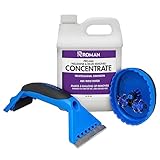
You’ll need a good quality wallpaper scoring tool (a Piranha tool is good for textured vinyl), a wide putty knife or scraper, a wallpaper steamer (rent one if you don’t want to buy), a spray bottle for water/stripper solution, sponges, buckets, and heavy-duty trash bags. Always test your removal method in an inconspicuous spot first, like behind a piece of furniture or in a closet. This helps you understand how the wallpaper will come off and what kind of stripper solution might be most effective.
When using a steamer, don’t hold it on one spot for too long, as this can damage the drywall. Move it slowly and evenly. Once the paper is softened, start scraping from a corner or a seam. Work in small sections.
For stubborn spots or adhesive residue, use a commercial wallpaper stripper solution mixed with warm water. You can apply this with a sponge or a garden sprayer.
After all the wallpaper is removed, you must wash the walls thoroughly. Use a TSP substitute (Trisodium Phosphate is a strong cleaner, but its substitutes are safer for general use) or a mild detergent like dish soap mixed with warm water. Rinse the walls with clean water and let them dry completely. Any remaining paste residue can affect how your new paint adheres, so don’t skip this step.
Once the walls are clean and dry, you can spackle any holes or gouges, sand them smooth, and then prime the walls before painting. A good quality primer will make sure an even finish for your paint.
People Also Ask:
Does Wallpaper Devalue a House?
Wallpaper itself doesn’t inherently devalue a house, but dated or poorly maintained wallpaper can significantly detract from its appeal and perceived value. Buyers often see it as a sign of a home needing substantial updating, leading them to mentally deduct renovation costs from their offer. High-quality, period-appropriate wallpaper in excellent condition might be an exception, but in most cases, it’s a liability rather than an asset for resale.
What Is the Fastest Way to Remove Old Wallpaper?
The fastest way usually involves a combination of scoring the wallpaper to allow a stripper solution or steam to penetrate, followed by aggressive scraping. Professional wallpaper steamers and experienced removal services are often the quickest routes. For DIY, a good quality steamer and a sharp scraper are key. Some modern, strippable wallpapers come off in large sheets, making the process much faster.
Can You Just Paint Over Wallpaper?
While you technically can paint over some types of wallpaper, it’s generally a bad idea, especially for dated or textured papers. The paint can peel, crack, or show seams and imperfections from the wallpaper underneath. Furthermore, if you ever want to remove the wallpaper later, it will be exponentially harder to get off once it’s been painted. It’s always best to remove the wallpaper completely before painting for a smooth, lasting finish.
How Much Does It Cost to Remove Wallpaper Professionally?
Professional wallpaper removal costs can vary widely based on location, the type and amount of wallpaper, and the condition of the walls underneath. You can expect to pay anywhere from $2 to $8 per square foot. For a typical room, this could range from $300 to $1,000 or more. This cost often includes prep work for painting, but it’s always best to get detailed quotes.
Verdict
So, does removing dated wallpaper increase home value? In my experience, yes, it absolutely can. It’s less about adding direct dollar value and more about removing significant visual and psychological negatives that can cost you a much bigger chunk of your potential sale price. Buyers today want clean, neutral spaces where they can easily imagine their own lives. That clunky floral pattern from 1987 isn’t helping your home achieve its best market potential.
My advice? If you’ve got wallpaper that makes you wince every time you look at it, and it’s not a historically significant piece in a period home, it’s probably time to let it go. Consider the cost of a professional versus the potential loss in sale price if you leave it. For me, the peace of mind and the improved marketability are usually well worth the investment, whether I hire someone or spend my weekend doing it myself (and regretting it slightly).
Before you commit, test a small area. If it’s a simple strip, great. If it’s a war zone under there, get a quote. Ultimately, a fresh coat of paint on clean walls is one of the most cost-effective ways to make your home more appealing and command a better price.