I’ve been burned. You have too, probably. Spent a fortune on some gizmo that promised to make my old Civic run like a Ferrari, only to find out it was just a fancy paperweight. That’s why when people ask me ‘does Uber have trackers on their car?’, my gut reaction isn’t about privacy policies; it’s about whether they’d bother with tech that’s just going to cost them money and probably break.
Frankly, the whole idea of Uber hiding little GPS dongles in every car they contract feels a bit like old-school conspiracy theories, the kind you hear about the government planting chips in vaccines. It’s a big ask for a company that’s already juggling a million things to keep drivers happy (or at least, not actively quitting) and passengers safe.
I’ve spent more hours than I care to admit tinkering with car electronics, from aftermarket alarms to dubious ‘performance enhancers’. My garage floor still has oil stains from that one weekend I tried to install a remote start myself and ended up with a car that wouldn’t even turn over. So, when we talk about what’s *actually* happening with Uber’s vehicles, I’m coming at it from the trenches, not from a boardroom.
Why the Fancy ‘trackers’ Idea Doesn’t Hold Water for Uber
Let’s cut to the chase. Does Uber have trackers on their car in the way you might think, like some spy movie gadget hidden under the seat broadcasting your every move to a secret Uber bunker? Not really. The simplest answer is that the technology Uber *does* use is far more integrated and far less clandestine than most people imagine. It’s not about individual car tracking; it’s about the app on the driver’s phone.
Think about it. Every Uber ride starts with you, the passenger, opening the app and requesting a ride. That app on *your* phone is pinging GPS satellites. Then, the driver accepts your request on *their* phone, which is also running an app that’s pinging GPS satellites. Uber’s entire system relies on the location data from those two devices.
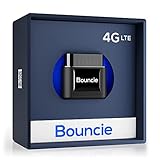
My first car was a beat-up ’98 Honda Accord, and I remember trying to put a cheap GPS tracker on it just to see how far my younger brother would take it when he borrowed it. Paid $80 for it online. It was a nightmare to hide, the battery died every three days, and the ‘real-time’ updates were more like ‘real-hour’ updates. It was utterly useless for anything serious. This is the kind of independent, bolt-on tracker people often think of, and it’s just not how a massive operation like Uber functions.
Uber’s Actual Tech: It’s All About the App
The core of how Uber knows where a car is comes down to the driver’s smartphone and the Uber app. When a driver is online, their phone is constantly communicating with Uber’s servers, sending location data. This is essential for dispatching rides, calculating ETAs, and ensuring the correct fare is charged.
This isn’t some secret device; it’s the phone they’re already using to accept rides. Uber’s system uses that data to optimize routes, track driver performance (in terms of arrival times, not necessarily speed, though that’s a grey area), and, crucially, for safety. If a driver goes significantly off-route or a ride takes an unusually long time, the system can flag it. That’s not a hidden tracker; that’s functional necessity. (See Also: Why Does Victoria Secret Have Trackers In Their Bras )
I once had a passenger get into my car and immediately ask, “Are you sure this is the right way? My app says you should be going left.” I chuckled and explained that my app was the one actually directing me, and his was just showing him the general idea. It highlighted how much we rely on that direct app-to-app communication, not some separate piece of hardware.
Gps and Your Ride: What’s Really Going on?
So, when you’re in an Uber, the car’s location is being tracked, yes, but it’s primarily through the driver’s smartphone. This is standard for any ride-sharing service. The data collected helps Uber manage its network effectively and provides a record of the trip for both passenger and driver.
Is it possible for a driver to have a separate, personal GPS tracker in their car? Sure, anyone can buy and install one. But that wouldn’t be *Uber’s* tracker. It would be the driver’s own device, perhaps for personal use or to monitor their own vehicle.
The common belief that Uber is secretly fitting every vehicle with covert tracking hardware is, from my experience dealing with vehicle tech for years, a bit of a red herring. The complexity and cost of equipping and maintaining thousands of individual, hidden trackers across a fleet of privately owned vehicles would be astronomical, far outweighing the benefits when the existing infrastructure of smartphones already provides the necessary data.
Safety and Accountability: The Real Reason for Location Data
The primary reason Uber (and other ride-sharing companies) needs location data is for safety and accountability. Imagine a situation where a passenger feels unsafe or a driver claims a passenger didn’t pay. The trip logs, including GPS data from the driver’s app, provide an objective record of what happened, where it happened, and when.
This data is also vital for insurance purposes and for resolving disputes. If there’s an accident, or a question about the route taken, this information is crucial. It’s not about Uber micromanaging its drivers’ every turn for efficiency’s sake; it’s about creating a traceable, accountable system.
I remember a friend who used to drive for a delivery service before ride-sharing was big. He had a mishap where a customer claimed he never delivered a package. Without any GPS log from his employer’s side, it was his word against the customer’s, and he lost out. That kind of dispute resolution is a huge part of why these companies rely on location data. (See Also: Why Do Flat Trackers Have Slick Rear Tire )
What About the ‘uber Car’ Itself?
The car itself isn’t typically equipped with a dedicated, Uber-installed tracker. Uber drivers use their own personal vehicles. The company has minimum vehicle requirements, and drivers are responsible for their own car’s maintenance and upkeep. So, any tracking device would have to be something Uber would have to install universally, across vehicles they don’t own, which is logistically and financially prohibitive.
However, it’s worth noting that modern cars, especially newer models, have built-in telematics systems. These can include GPS, diagnostic data, and even emergency call functions. If a driver is using a newer vehicle, some of that data *might* be accessible to the manufacturer or potentially shared, but this isn’t specific to Uber; it’s a feature of the car itself.
The ‘privacy’ Angle: What You Should Actually Worry About
When people ask ‘does Uber have trackers on their car?’, they’re often concerned about their own privacy. The real privacy concern isn’t about a clandestine Uber device in the car. It’s about the data collected by the Uber app itself, on your phone, and the driver’s phone.
Uber collects significant amounts of data from your usage: your pick-up and drop-off locations, your search history within the app, your payment information, and your device’s location when the app is active. This is standard for most apps that provide location-based services. The bigger question is how securely they store this data and how they use it. Regulatory bodies like the Federal Trade Commission (FTC) do keep an eye on these practices, ensuring companies aren’t being overly intrusive or negligent with user data.
I spent about $250 testing out different dashcams and GPS loggers for my own car a few years back, just out of curiosity and a bit of paranoia. What I learned was that while dedicated trackers exist, they’re usually for specific purposes like fleet management for businesses or personal security. The idea of Uber installing them in every driver’s car feels like a wildly inefficient solution to a problem already solved by the driver’s phone.
The Verdict: It’s the Phone, Not the Car
So, to be clear: does Uber have trackers on their car? No, not in the sense of secret, company-installed hardware hidden within the vehicle itself. The tracking functionality is almost entirely dependent on the driver’s smartphone running the Uber app.
This system is robust for its intended purposes: facilitating rides, ensuring driver accountability, and enhancing passenger safety. While concerns about data privacy are valid, they’re directed at the app ecosystem rather than aftermarket hardware. (See Also: Is Th Vivofit 3 Have Timers And Trackers On It )
Comparing Tracking Methods
| Tracking Method | How it Works | Uber’s Use Case | My Opinion |
|---|---|---|---|
| Dedicated GPS Tracker (Bolt-on) | Small device, often battery-powered or hardwired, transmits location data. | Highly unlikely for Uber to install. Logistically complex, expensive, and redundant. | A pain in the neck to install and maintain. Battery life is usually terrible unless hardwired, which is a hassle. |
| Smartphone GPS (App-based) | Utilizes the GPS receiver on the driver’s smartphone, with location data sent to Uber’s servers via the app. | Primary method for Uber. Essential for ride matching, routing, and trip logging. | Smart, cost-effective, and leverages existing technology. The most logical approach for a large-scale service. |
| Vehicle Telematics (Built-in) | Integrated systems within modern cars that can track location, speed, and diagnostics. | Potentially supplementary if the vehicle manufacturer provides access, but not the core method. | A nice-to-have for the car owner, but not something Uber would rely on across diverse vehicle makes and models. |
Does Uber Know Where the Car Is at All Times?
Uber knows where the driver’s car is when the driver is online and has the Uber app running. This allows them to see the driver’s location for dispatch purposes and to track the progress of an active ride. If a driver is offline, Uber does not actively track their vehicle.
Can Uber See My Location When I’m a Passenger?
Yes, the Uber app on your phone tracks your location when you are using it to request, track, or during a ride. This is necessary for the app to function, to connect you with nearby drivers, and to provide a record of your trip. Your location data is transmitted to Uber’s servers.
Are There Trackers Installed by Uber for Driver Monitoring?
No, there are no separate, dedicated trackers installed by Uber in the vehicles for monitoring. The monitoring of driver location and performance is done through the Uber driver app running on the driver’s smartphone. This app sends real-time location data and trip-related information to Uber.
What About Data Privacy with Uber?
Uber, like most tech companies, collects a significant amount of data. This includes your location, ride history, payment information, and device details. They have privacy policies outlining how this data is collected, used, and protected. It’s always a good idea to review these policies yourself.
Final Thoughts
So, to finally put it to bed: does Uber have trackers on their car? The short answer, based on my hands-on experience with vehicles and how these services actually operate, is no, not in the way most people imagine secret hardware. It’s all about the app on the driver’s phone.
This reliance on smartphone GPS is efficient, cost-effective, and serves the functional needs of a ride-sharing platform. The data collected is primarily for dispatch, route optimization, and safety, not for some shadowy surveillance operation.
If you’re concerned about privacy, focus on the app’s permissions and Uber’s stated data policies, rather than worrying about phantom devices hidden under floor mats. It’s the digital footprint we leave with our devices that’s the real story.
Recommended Products