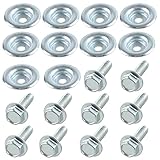
I remember staring at a pile of lug nuts and thinking, “Surely, they can’t all be that different, right?” Oh, how wrong I was. I’d just bought a used set of wheels for a project car, and the old bolts were rusted to oblivion. Finding replacements for the ‘a 1118 q5 hub bolts’ ended up being a rabbit hole I didn’t anticipate. It’s not just about fitting the hole; it’s about safety, longevity, and not waking up to a wheel on the side of the highway.
If you’re scratching your head, wondering what the big deal is with these seemingly simple pieces of metal, you’re in the right place. I’ve fumbled through this so you don’t have to, wasting time and more importantly, money on the wrong stuff.
Why You Should Care About Your Hub Bolts (seriously)
Look, I get it. Hub bolts. They’re small, they’re dirty, and they’re usually the last thing on your mind until one snaps or you strip the threads.
I’ve been there. I once bought a cheap set of what I thought were the right ‘a 1118 q5 hub bolts’ for a custom wheel setup. They looked the part, and the guy at the counter said they’d fit.
Fast forward a few months, and I started hearing this faint clicking sound. Turns out, the shank diameter was just a hair too small.
Vibrations loosened them over time, and I nearly lost a wheel on a tight corner. Lesson learned: cheaping out on fasteners that hold your car to the road is a spectacular way to end up with a very expensive repair bill, or worse. The common advice is to just get ‘whatever fits’, but that’s lazy and dangerous.
You need to know the specs, understand the materials, and buy from reputable sources. It’s not just about avoiding that cringe-worthy sound; it’s about making sure your vehicle remains a functional, safe machine.
When you’re looking at wheels and tires, it’s easy to get distracted by fancy designs or the latest performance tires. But the connection between your wheel and your hub is the absolute linchpin. If that connection fails, the rest of your investment is worthless.
Think about the forces involved: braking, acceleration, cornering, and just the general road shock. All of that stress is transferred through these bolts. A properly spec’d bolt will have the right grade of steel, the correct thread pitch, and the appropriate seat type to mate with your wheel.
Get any of that wrong, and you’re asking for trouble. It’s the kind of thing where you don’t realize you need good ones until it’s too late, and then you’re wishing you’d paid attention earlier.
I’ve seen too many DIY projects go sideways because someone skimped on the foundational components. Don’t be that person.
Decoding the Specs: What ‘a 1118 Q5 Hub Bolts’ Actually Means
Alright, let’s talk numbers and letters. The designation ‘a 1118 q5 hub bolts’ isn’t just random jargon. It’s a specific set of specifications that tells you what you’re dealing with. For instance, ‘a 1118’ likely refers to a particular standard or manufacturer’s internal coding for the bolt’s physical dimensions and material strength.
‘Q5’ could indicate a specific type of seat or head design, or perhaps a particular coating or finish. The important part here is understanding what these mean in the real world. (See Also: Are All Honda Atv Bolt Patterns The Same )
Material strength is most important. Bolts are graded, usually by a number system like SAE (Society of Automotive Engineers) or a metric equivalent. A higher grade means a stronger bolt, capable of withstanding more stress. You absolutely do not want to be under-spec’d on grade.
I once had to replace a snapped bolt on a trailer hitch, and the replacement was a higher grade than the original. Felt like overkill, but it gave me peace of mind. Always aim for at least the OEM (Original Equipment Manufacturer) specified grade or higher.
The thread pitch is another a must. It’s the distance between the threads. Mismatching thread pitch is a surefire way to either not get the bolt in at all, or worse, cross-thread it, which ruins both the bolt and the hub. For ‘a 1118 q5 hub bolts’, you’ll need to know if it’s a fine thread or a standard thread, and the specific diameter.
Many automotive applications use metric threads, but some older or specialized vehicles might use SAE. Never guess.
If you don’t know, look it up in your vehicle’s service manual or measure an existing, known-good bolt. The seat type is also important for how the wheel mates to the hub. Common types include conical (tapered), ball (radius), flat, and mag. Using the wrong seat type can lead to the wheel not sitting flush, causing wobble or even loosening over time.
For ‘a 1118 q5 hub bolts’, if you’re unsure, it’s best to consult a wheel specialist or the wheel manufacturer’s documentation. They are designed to work with specific wheel designs and hub surfaces.
Here’s a quick breakdown of what to look for:
| Specification | Why It Matters | My Verdict |
|---|---|---|
| Material Grade (e.g., Grade 8, Class 10.9) | Determines tensile strength and shear strength. Don’t go lower than OEM spec. | A must. Higher is generally better for safety. |
| Thread Pitch & Diameter (e.g., M14x1.5) | Makes sure proper fitment and prevents cross-threading. | Must match exactly. Measure or consult specs. |
| Seat Type (Conical, Ball, Flat, Mag) | Makes sure the wheel sits flush and evenly against the hub. | Match your wheel and hub. Important for even load distribution. |
| Shank Length | Needs to be sufficient to engage enough threads for a secure hold, but not so long it interferes with other components. | Measure carefully. Too short is dangerous, too long can cause problems too. |
| Coating/Finish (e.g., Zinc, Black Oxide, Chrome) | Corrosion resistance and aesthetics. Not as important for function as other specs, but impacts longevity. | Durable coatings are worth it for rust prevention. |
Common Pitfalls and How to Avoid Them
I’ve made my fair share of mistakes when it comes to vehicle parts, and hub bolts are no exception. One of the biggest blunders is buying based on price alone.
Those super cheap, no-name bolts you find online might seem like a bargain, but they often use inferior materials or have inconsistent threading. I once bought a bulk pack of what I thought were generic ‘a 1118 q5 hub bolts’ for a project where I was replacing all the hardware. Within a year, I noticed rust spots forming on almost every single one.
Not only does that look terrible, but rust weakens the bolt and can seize it to the hub, making future removal a nightmare. I ended up having to cut several of them off, which was a whole other headache I hadn’t budgeted for. Stick to reputable brands or OEM parts whenever possible, especially for safety-important components like these.
Another mistake I’ve seen people make, and admittedly, I’ve been tempted to do it myself, is using the wrong type of wrench or impact gun setting. Hub bolts need to be torqued properly. Over-tightening can stretch or even snap the bolt, while under-tightening means they can loosen over time. I always recommend using a torque wrench set to the manufacturer’s specifications.
For impact guns, if you must use one, start with a low setting and finish with a torque wrench. Don’t just blast away until it feels tight; that’s how you damage the threads or the bolt itself. Also, be mindful of your wheels. (See Also: Are Ak Bolts Interchangeable )
Some aftermarket wheels, especially tuner-style ones with deep lips or intricate designs, might require specific types of lug nuts or bolts. For example, if your wheels have ball-style seats, using conical bolts will not only look wrong but will also fail to seat properly, leading to dangerous loosening.
Always double-check the requirements for your specific wheels. It’s better to spend an extra ten minutes researching than an hour on the side of the road.
Here’s a quick rundown of what NOT to do:
- Buying the cheapest option available without checking specs.
- Assuming all bolts for your car model are interchangeable.
- Using an impact gun on a high setting to tighten them down.
- Not using a torque wrench to achieve the correct tightening spec.
- Reusing old, rusted, or damaged bolts.
- Mixing different types of bolts or nuts on the same wheel.
Real-World Applications and Testing
So, where do ‘a 1118 q5 hub bolts’ typically show up, and how do you know if they’re the right choice? Often, these specific designations are tied to particular vehicle manufacturers or aftermarket wheel brands. For example, some European cars use a very specific bolt seat and thread pitch.
If you’ve got a German sedan and you’re fitting it with a set of aftermarket wheels designed for it, these could be exactly what you need. The ‘Q5’ designation, for instance, might refer to a specific cone seat angle that mates perfectly with certain alloy wheel designs. I learned this the hard way when I tried to put some Italian wheels on a German car without checking the bolt spec. They looked like they fit, but the conical seat on the bolt was too steep for the pocket in the wheel.
It ended up stressing the wheel and the bolt in ways they weren’t designed for. Fortunately, I caught it before disaster struck, but it was a stark reminder that a millimeter difference can matter.
When I’m trying to figure out if a particular bolt like the ‘a 1118 q5 hub bolts’ is right for my application, I don’t just rely on generic parts store databases. Those can be notoriously inaccurate. Instead, I try to find the original specifications for both my vehicle and the wheels I’m installing. If it’s an aftermarket wheel, I’ll go directly to the manufacturer’s website or contact their technical support.
They often have detailed spec sheets. For my vehicle, the owner’s manual or a reputable online forum dedicated to that specific make and model is usually my first stop.
I’ve found that forums are goldmines for this kind of information, with enthusiasts sharing their exact bolt part numbers and experiences. I remember one situation where I was fitting a slightly wider wheel and tire setup on my truck.
The standard bolts were just shy of engaging enough threads for my comfort, especially given the extra rotational forces. I ended up needing a set with a slightly longer shank, but the thread pitch and seat type had to remain identical.
It took some digging, but finding the right ones made all the difference in my confidence driving it.
I always advise people to physically compare the new bolts to the old ones, assuming the old ones are known to be correct. Look at the thread engagement, the shank length, and the seat. If there’s any doubt, don’t install them. It’s not worth the risk. A good indicator of quality is the feel of the bolt itself – a well-machined bolt will have smooth, clean threads and a precise fit. Cheap ones often feel rough or have slightly irregular threads. (See Also: Are All Bolt Patterns The Same )
Faq: Your Burning Questions About Hub Bolts Answered
What Is the Difference Between Lug Bolts and Lug Nuts?
Lug bolts screw directly into the hub assembly of your vehicle, while lug nuts thread onto studs that protrude from the hub. Cars that use lug bolts typically have a threaded hole in the hub, whereas cars that use lug nuts have studs integrated into the hub. The ‘a 1118 q5 hub bolts’ are a type of lug bolt.
How Tight Should Hub Bolts Be?
Hub bolt torque specifications vary significantly by vehicle make, model, and wheel type. It is important to consult your vehicle’s owner’s manual or a reliable service manual for the exact torque rating. Always use a calibrated torque wrench to achieve the specified tightness and make sure they are tightened in a star pattern for even pressure distribution.
Can I Use Different Types of Hub Bolts on the Same Wheel?
Absolutely not. Using different types of hub bolts on the same wheel is extremely dangerous. Mismatched bolts can lead to uneven pressure, wheel wobble, and catastrophic failure. All bolts on a single wheel must be identical in size, thread pitch, seat type, and material grade.
How Do I Know If My Hub Bolts Are Bad?
Signs of bad hub bolts include visible rust or corrosion, stripped threads, a visible crack in the bolt shaft, or if you notice a clicking or knocking noise from the wheel while driving, especially during turns or braking. If you suspect your bolts are bad, replace them immediately.
Maintenance and Longevity Tips
Keeping your ‘a 1118 q5 hub bolts’ in good shape isn’t rocket science, but it does require a bit of awareness. The primary enemy here is corrosion, especially if you live in an area with harsh winters and lots of road salt. Those cheap zinc-plated bolts might look okay for a while, but salt and moisture will eventually eat away at them. This not only looks bad but weakens the bolt and can make them seize to your hub, turning a routine tire rotation into a major extraction job.
If you’re buying new bolts, I highly recommend looking for higher-quality finishes like black oxide, chrome plating, or even stainless steel if they’re available and appropriate for your application. I learned this the hard way after dealing with seized bolts on a friend’s car after one particularly brutal winter. We spent hours with heat guns and penetrating oil just to get them off.
It was a mess.
Regular inspection is key. When you’re doing routine maintenance, like checking your tire pressure or swapping your summer/winter tires, take a moment to visually inspect your hub bolts. Look for any signs of rust, damage, or unusual wear.
Give them a gentle wiggle – they shouldn’t move. If you’re using a torque wrench for wheel installation, which you absolutely should be, pay attention to how much force it takes to get them to the specified torque.
If a bolt feels significantly looser or tighter than the others, it might be a sign of stripped threads in the hub or on the bolt itself. I’ve also found that applying a very light coat of anti-seize compound to the threads (but not on the seat area where it can affect torque readings) can help prevent seizing, especially in performance applications or if you live in a salty environment. Just be careful not to overdo it, as too much anti-seize can artificially inflate your torque wrench readings.
For those who frequently swap wheels or are into performance driving, consider investing in high-strength, heat-treated bolts. While they might cost more upfront, they offer superior durability and resistance to the stresses of track days or aggressive driving. They’re less likely to stretch or fail under extreme conditions. Remember, these are the components connecting your car to the road. Investing a little extra in their maintenance and quality pays dividends in safety and peace of mind. Don’t wait until you hear that ominous creak or see a wheel wobbling to think about your hub bolts.
Conclusion
So, there you have it. The ‘a 1118 q5 hub bolts’ are more than just a part number; they represent a important interface for your vehicle’s safety. Don’t let their small size fool you into overlooking their importance. I’ve seen firsthand how the wrong bolt, or a neglected one, can cause headaches that go way beyond a simple fix.
My advice? When in doubt, always consult your vehicle’s manual, the wheel manufacturer’s specs, or a trusted mechanic. Better to spend a few extra bucks and a little time doing your homework now than dealing with a roadside emergency or expensive damage later. Get the right ones, torque them correctly, and check them periodically. It’s the honest truth: paying attention to these details keeps you rolling safely.