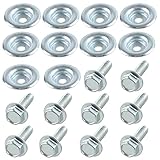
I remember the first time I needed a specific type of bolt, probably a 325, and I walked into the hardware store feeling like a kid in a candy shop. Then reality hit. Shelves upon shelves of metal doodads, all looking vaguely similar but with tiny differences that felt like a secret code I hadn’t cracked. I ended up buying the wrong ones, naturally. Took me three trips back and a solid hour of fiddling to get the darn gate hinge secured. Since then, I’ve learned a thing or two about navigating the hardware aisle, especially when you’re on the hunt for something like a 325 bolts for sale.
The sheer volume of options can be overwhelming. You’ve got your metric, your imperial, your fine thread, your coarse thread, your different head types, your materials… it’s enough to make your head spin. Most advice out there is either too technical or way too generic. Nobody tells you which ones actually hold up or which ones will strip before you even get them tight.
This isn’t about fancy engineering jargon. This is about practical, hands-on knowledge that saves you time, money, and a whole lot of frustration. Let’s cut through the noise and figure out what you actually need when you’re looking for a 325 bolts for sale.
The Numbers Game: What Does ‘325’ Even Mean?
Look, when you see ‘a 325 bolts for sale,’ the ‘325’ part usually isn’t some mystical designation for a super-bolt. More often than not, it’s referring to a specific size, typically in the imperial system.
We’re talking about the diameter of the bolt. For a 325 bolt, you’re generally looking at a diameter of 5/16 of an inch. It’s not a bolt type like a lag bolt or a carriage bolt; it’s a measurement. The thread pitch, so how many threads per inch there are, is usually implied or needs to be specified separately.
A common thread for a 5/16 inch bolt would be 18 threads per inch (TPI), making it a 5/16-18 bolt. If it’s a finer thread, it might be 24 TPI (5/16-24).
So, why the confusion? Because sometimes manufacturers or sellers might use shorthand, or they might be grouping a specific set of bolts that happen to be 5/16 diameter. It’s rarely a classification like ‘Grade 8’ or ‘Hex Head.’ Think of it like asking for a ‘medium coffee’; it’s a starting point, but you still need to specify if you want it black, with cream, or with that fancy syrup that costs an extra two bucks. The most important thing is to confirm the diameter and the thread pitch. If you’re working on something older or a specific piece of equipment, the manual or the existing fastener will be your best friend.
I once spent an afternoon trying to find ‘325 bolts’ for a vintage lawnmower repair. The guy at the counter kept showing me bolts that were clearly too big or too small.
Turns out, the original bolts weren’t technically ‘325’ by modern classification, but they were 5/16 diameter with a slightly less common thread count. The lesson? Don’t just trust the number; understand what it represents and be prepared to measure or identify the thread yourself if needed. It’s a good reminder that while the ‘325’ might get you in the ballpark, it’s the other specs that seal the deal.
Always double-check if you’re not sure. A quick trip to the hardware store with an old bolt in your pocket can save you a world of pain. (See Also: Are All Honda Atv Bolt Patterns The Same )
Material Matters: Don’t Buy Rust in a Bag
When you’re looking for a 325 bolts for sale, the material is probably the second most important thing after getting the size right. You can have the perfect bolt, but if it’s made of cheap pot metal, it’s going to fail you. The most common materials you’ll see are steel, stainless steel, brass, and sometimes aluminum. Each has its place, and each has its drawbacks.
Steel bolts are your workhorses. They’re strong and usually the cheapest. However, standard steel bolts will rust. If your project is going to be exposed to the elements – think outdoor furniture, garden gates, or anything near the coast – plain steel is a bad idea unless you plan on painting or coating it meticulously. Even then, a scratch can be the start of the end. If you do go with plain steel and it’s going outside, I’d at least look for zinc-plated. It offers a decent layer of protection without breaking the bank, though it’s not foolproof.
Stainless steel bolts are my go-to for most outdoor or damp applications. They cost more upfront, maybe 2-3 times the price of plain steel depending on the grade, but they are worth every penny to avoid dealing with rust later. They’re also pretty strong, though technically not as strong as heat-treated high-carbon steel. For most DIY projects, the strength of stainless steel is more than adequate. Just be aware there are different grades of stainless steel too. 18-8 (which is roughly 18% chromium and 8% nickel) is very common and offers good corrosion resistance. For really harsh environments, you might look into 316 stainless, but that’s usually overkill for typical home use.
Brass bolts are more for aesthetics or specific applications where corrosion resistance is needed and high strength isn’t. They have a nice look for decorative hardware, but they’re softer and more expensive than steel. I wouldn’t use them for structural connections. Aluminum bolts are even lighter and more corrosion-resistant than stainless, but they’re also much weaker. Think of them for very light-duty tasks or weight-sensitive applications. My personal rule of thumb: if it’s outside, prone to moisture, or needs to last, stainless steel is usually the winner. For indoor, dry applications where strength is key and cost is a factor, zinc-plated steel is often fine. Never just grab plain steel for anything exposed unless you like chasing rust spots.
Head Types and Drive Styles: The Little Things That Matter
Beyond the size and material, the head type and the drive style of a bolt make a huge difference in how you install it and how secure it ends up. You can’t just pick any old bolt; you need the right tool and the right head for the job. For a 325 bolt, you’ll see a few common types:
- Hex Head: This is the most common. It’s a six-sided head that you can turn with a wrench or socket. They offer good use and are generally very strong. Most of your standard bolts will be hex head.
- Socket Head Cap Screw (SHCS): These have a cylindrical head with a hexagonal socket (Allen key) drive. They sit flush or slightly proud once installed and are great for applications where you don’t want a prominent head, or where you need a clean look. The ‘325’ designation might apply to SHCS, but it’s less common for them to be sold under that specific shorthand.
- Flat Head (Countersunk): These have a conical underside that sits flush with the surface when used with a countersunk hole. Good for when you need a smooth finish, like on a tabletop or the inside of a cabinet.
- Round Head: Less common for structural bolts, more for decorative or specific functional purposes where the rounded head is part of the design or function.
The drive style is what you put your tool into. For hex heads, it’s usually a socket or wrench.
For socket heads, it’s an Allen key or hex bit. You’ll also see Phillips and sometimes Torx (star drive) heads on bolts, though these are generally for smaller fasteners or specific applications. Phillips heads are notorious for camming out, meaning the screwdriver slips out under torque, which can strip the head and make removal a nightmare. I actively avoid Phillips head bolts whenever possible, especially for anything I might need to take apart later.
A Torx head is much better, offering a more secure grip. For any real torque, a hex drive (either external on a hex head or internal in a socket head) is almost always superior. When buying a 325 bolt, think about what tool you have readily available and what kind of finish you’re going for.
Honestly, I learned this the hard way trying to assemble some flat-pack furniture that used tiny, cheap Phillips head screws that looked like bolts. They stripped within minutes. I ended up having to drill them out. Now, I check the drive type on everything. If it’s a Phillips and it’s a important fastener, I’m looking for something else. For something like a 5/16 bolt, you’re almost always looking at hex or socket heads, which is good news for secure fastening. Just make sure you have the right size wrench or Allen key. A loose socket on a hex head is just as bad as a stripped Phillips. (See Also: Are Ak Bolts Interchangeable )
Mistakes I’ve Made (so You Don’t Have To)
There are a few classic blunders people make when shopping for bolts, and I’ve been guilty of all of them. The first one, as I mentioned, is just grabbing whatever looks closest to the right size without confirming the thread pitch. You’d think a 5/16 bolt would be a 5/16 bolt, right? Wrong. Coarse thread versus fine thread can make a bolt completely useless for its intended hole. I’ve had projects where I bought a dozen bolts, got halfway through assembly, and realized half of them wouldn’t thread in because the pitch was off. That’s a weekend killer.
Another big mistake is not considering the environment. Buying plain steel bolts for an outdoor deck railing is just asking for trouble. Within a year, you’ll be looking at rust streaks and potentially weakened fasteners. I once saw a beautiful cedar planter box start to fall apart because the builder used basic hardware store bolts that just corroded away. It looked terrible and was a safety hazard. For anything exposed, go stainless or at least heavily galvanized.
Then there’s the ‘good enough’ trap. You see a bolt that seems to fit, and it screws in okay, but it feels loose. Or it requires way too much force to tighten. This often means the bolt is made from a lower-grade material or manufactured to looser tolerances. It might hold for a while, but it won’t be as strong or as reliable as a quality fastener. I tried to save a few bucks on some structural bolts for a workbench once, and they bent under load. It was a stark reminder that quality matters. You don’t want your project failing because you skimped on a few cents per bolt.
Finally, and this is a big one: not buying enough. It sounds obvious, but it’s easy to miscalculate or forget that some parts need more than one bolt. And then you’re back at the store, or you have to make do with something that isn’t quite right. Always, always buy a few extra. It’s cheaper than a second trip and gives you spares if one rolls under the workbench and disappears into the abyss. So, when you’re looking for a 325 bolts for sale, be precise about the thread, think about where it’s going, opt for quality over the lowest price, and buy more than you think you’ll need.
Where to Buy: Big Box vs. Specialty vs. Online
When you need to find a 325 bolts for sale, you’ve got a few avenues, each with its pros and cons. The first place most people think of is the big-box hardware store – think Home Depot, Lowe’s, or your local Ace Hardware. These are great for convenience and if you need something right now. They have decent selections of common sizes and materials, and you can often see and feel the bolts before you buy them. The downside? Their pricing can be higher, especially for smaller quantities, and their selection of less common sizes or specialized materials might be limited. If you’re just grabbing a handful of 5/16-18 zinc-plated bolts for a quick fix, they’re usually fine.
Then you have the local, independent hardware stores. These guys are often run by folks who actually know their stuff. They might have a more hand-picked selection of higher-quality fasteners and can often help you identify what you need if you bring in a sample. They’re usually more expensive per bolt than the big boxes, but the quality and advice can be worth it. I’ve found them to be goldmines for niche items, though finding a specific ‘325’ designation might still require you to know the actual size and thread.
Online is where you can really find variety and often better prices, especially if you’re buying in bulk. Websites like McMaster-Carr, Fastenal (though their site can be geared more towards commercial buyers), Amazon, and specialized fastener sites offer a dizzying array of options. McMaster-Carr is fantastic for its detailed specs and huge inventory, but it can be pricey for individuals. Amazon is a mixed bag – you can find great deals on bulk packs from third-party sellers, but you have to be vigilant about product descriptions and seller reviews to make sure quality.
Ordering online means you need to be absolutely sure of the size, thread pitch, material, and head type, as you can’t inspect them beforehand. For a specific need like ‘a 325 bolts for sale’ where you know exactly what you need (e.g., 5/16-18 Stainless Steel Hex Head), going online can save you a bundle and give you access to options you won’t find locally. Just factor in shipping time and costs.
For a common size like 5/16, you’ll find them everywhere. The key is knowing what you’re looking for beyond just the ‘325’ label. My advice? For quick fixes and common needs, hit up your local hardware store. For bulk purchases, specific materials (like high-grade stainless), or hard-to-find thread pitches, shop online. Just do your homework on the seller and the product details. (See Also: Are All Bolt Patterns The Same )
Practical Tips for Using Bolts Effectively
Once you’ve got the right bolts, using them correctly is another story. Here’s what I’ve learned:
- Use the Right Tools: This seems basic, but a worn-out wrench or a socket that doesn’t quite fit can round off a bolt head in seconds. Invest in a decent set of wrenches and sockets. For hex heads, make sure the wrench or socket fits snugly. For socket head bolts, use a good quality Allen key or bit.
- Lubrication (Sometimes): For metal-to-metal applications, a little bit of grease or anti-seize compound on the threads can make installation easier and prevent galling (where the threads seize up, especially with stainless steel). However, be cautious with power tools; lubrication can reduce friction so much that you overtighten the bolt, leading to failure. For most general applications, dry threads are fine.
- Washers are Your Friend: Always consider using washers. A flat washer distributes the load over a larger area, preventing the bolt head from digging into the material. A lock washer (star washer or split washer) can help prevent loosening due to vibration, though their effectiveness is sometimes debated. I usually opt for a flat washer and a nylon insert nut for anything prone to vibration.
- Torque Specifications: If you’re working on something important (like automotive or structural components), look up the recommended torque specification. Overtightening can stretch or break a bolt, while undertightening can lead to failure. A torque wrench is a tool worth having if you do a lot of work where precise tightness matters.
- Thread Locker: For applications that experience significant vibration, like machinery or outdoor equipment, a drop of thread locker (like Loctite) can be a lifesaver. It comes in different strengths – blue is medium strength and removable, red is high strength and permanent.
I remember trying to assemble a complex shelving unit in my garage. I was using hex bolts and just tightening them by feel. About halfway through, I noticed one of the shelves was sagging badly. Turns out, I’d overtightened the bolts on one side, slightly deforming the metal shelf supports, while undertightening on the other. It threw the whole structure off balance. Using a torque wrench on that project from the start would have saved me hours of fiddling and made sure it was perfectly stable. It’s a tool I didn’t think I needed, but now I use it regularly for anything where precision matters.
People Also Ask
What Is the Difference Between a Bolt and a Screw?
The primary difference lies in how they are used and often their manufacturing. Bolts are typically designed to be used with a nut, passing through a clearance hole in the parts being fastened. Screws, on the other hand, are usually designed to thread directly into a material (like wood or plastic) or into a pre-tapped hole. Bolts often have a hex head for use with a wrench, while screws can have various head types and drive styles.
What Is the Standard Length for a Bolt?
Bolt length is measured from the point where the head meets the shank to the end of the bolt. There isn’t a single ‘standard’ length; it varies greatly depending on the application. For bolts with heads that sit above the surface (like hex heads), the length is measured from under the head. For countersunk (flat head) bolts, the length is measured from the top of the head.
What Are the Strongest Bolts?
The strength of a bolt is determined by its material, grade, and size. High-strength steel alloys, often designated by grades like Grade 8 (in the US imperial system) or Class 10.9/12.9 (in the metric system), are among the strongest. Stainless steel bolts are strong and corrosion-resistant, but typically not as strong as heat-treated alloy steels. The larger the diameter and the higher the grade, the stronger the bolt.
What Does Grade Mean on a Bolt?
The grade of a bolt indicates its strength and load-carrying capacity. In the imperial system, common grades include Grade 2 (low strength, common hardware), Grade 5 (medium strength, used in automotive), and Grade 8 (high strength, used in heavy-duty applications). In the metric system, grades like 4.6, 8.8, and 10.9 denote increasing strength. Higher grades mean the bolt can withstand more stress before deforming or breaking.
| Bolt Type/Spec | Pros | Cons | My Verdict |
|---|---|---|---|
| Plain Steel (Zinc-Plated) | Inexpensive, widely available, decent strength indoors. | Prone to rust outdoors, plating can wear off. | Good for budget indoor projects or temporary outdoor use if well-maintained. Avoid for long-term exterior structural needs. |
| Stainless Steel (18-8) | Excellent corrosion resistance, good strength, looks good. | More expensive than steel, can be prone to galling if overtightened without lube. | My go-to for almost all outdoor projects and any application where rust is a concern. Worth the extra cost. |
| High-Carbon Steel (e.g., Grade 8) | Very high tensile strength, durable for high-stress applications. | Requires plating (like zinc or cadmium) to prevent rust, can be brittle if improperly heat-treated. | Best for heavy-duty machinery, automotive, or structural applications where strength is most important and corrosion is managed. |
Verdict
So, when you’re out there looking for a 325 bolts for sale, remember that ‘325’ is just a starting point, usually indicating a 5/16 inch diameter. The real decisions come down to thread pitch, material, head type, and drive style. Don’t get caught buying the wrong thing because you were in a hurry or didn’t ask the right questions. I’ve learned that spending an extra ten minutes researching or confirming specs can save you hours of frustration and a whole lot of wasted money.
For most general purposes, especially if it involves anything outdoors or exposed to moisture, I’d strongly recommend aiming for stainless steel. Yes, it costs a bit more, but the peace of mind and longevity are well worth it. If it’s strictly an indoor, dry application where cost is a major factor, a good quality zinc-plated steel bolt will probably do the job just fine.
Before you buy, take a moment to consider the environment your project will live in, the tools you have available, and how important longevity and appearance are. A little bit of forethought can turn a simple hardware store run into a successful project rather than a frustrating one. The next time you need those specific fasteners, you’ll be armed with the knowledge to get it right the first time.