I remember the first time I bought a supposedly ‘good quality’ recliner. Felt solid in the showroom, promised years of comfort. Within eighteen months, the springs were groaning like a dying whale, and I swore I could feel the internal frame shifting. It made me wonder about what’s actually
inside
these things, especially from big-box brands. So, the question lingers: are Ashley recliners made with plywood or particle board? It’s a question many people ask when they’re trying to figure out if they’re buying something that’ll last or just a comfy-looking piece of furniture destined for the curb sooner than you’d like.
The Great Furniture Frame Debate: Plywood vs. Particle Board
Look, let’s cut to the chase. When you’re sinking into a recliner after a long day, the last thing on your mind is the molecular structure of the frame. But trust me, it matters.
A lot. The material used for the structural backbone of your recliner is the difference between something that’ll support you for a decade and something that’ll start creaking and groaning after your dog looks at it funny. Most furniture, including many recliners from brands like Ashley, will use a combination of materials for their frames.
Solid hardwood is the gold standard – strong, durable, and resistant to warping. However, it’s also the most expensive. This is where engineered wood products like plywood and particle board come into play.
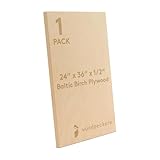
Plywood, made by layering thin sheets of wood veneer glued together with the grain at alternating angles, offers decent strength and stability. It’s generally considered a better option than particle board. Particle board, on the other hand, is made by pressing together wood particles, sawdust, and wood chips with a resin binder. It’s cheaper to produce but significantly less durable and more susceptible to moisture damage.
So, when you’re asking specifically, ‘are Ashley recliners made with plywood or particle board?’, the honest answer is: it depends on the specific model and its price point.
My Particle Board Nightmare (and Yours Could Be Next)
I bought a ‘value’ recliner a few years back, not from Ashley, but a similar large retailer. The sales pitch was all about plush cushions and reclining ease. What they didn’t mention was the frame felt suspiciously light.
Within a year, the armrest started to sag. I’m not a massive guy, maybe 180 pounds soaking wet. One day, while leaning over to grab the remote, I put a little too much pressure on the arm. (See Also: Can A 4x8 Plywood Fit In A Honda Pilot )
CRUNCH. Not a loud, dramatic sound, but a sickening, splintering noise.
I looked closer and saw a crack in the side panel. Peeling back the fabric revealed cheap particle board that had crumbled like stale cookie crumbs. It was a stark reminder that the cheapest option often comes with a hidden cost: a shorter lifespan and potential for embarrassing structural failure. This experience taught me to always poke and prod, and to ask questions about what’s inside the upholstery, even if it feels a bit awkward.
Your future self, who won’t be dealing with a collapsing recliner, will thank you.
Decoding Ashley’s Construction: What to Look For
So, how do you figure out what Ashley is actually using in their recliners? You’re not going to find a giant neon sign pointing to the frame material. It often comes down to research and paying attention to the details. Generally, higher-end Ashley recliners are more likely to incorporate stronger frame components, potentially including some hardwood elements or high-quality plywood.
Entry-level or ‘value’ models are where you’re more likely to see particle board or MDF (Medium-Density Fiberboard, which is similar to particle board) used in non-load-bearing areas, or even structural parts if they’re trying to hit a very aggressive price point. Sometimes, manufacturers will use a combination: a solid hardwood frame for the main stress points and plywood or MDF for other panels.
What to Ask the Salesperson
Don’t be shy. Ask them directly: ‘What is the frame primarily constructed of?’ or ‘Are there any solid wood components in the frame?’ If they look confused, or give you a vague answer like ‘durable materials,’ that’s a red flag. You can also often feel the weight and rigidity of the furniture. A recliner that feels flimsy or shifts easily when you push on it is a bad sign, regardless of brand. Look for descriptions that mention ‘hardwood frame’ or ‘all-wood frame’. If it only says ‘engineered wood’ or ‘composite materials’ without further specification, lean towards caution, especially on lower-priced models. Sometimes, the website will have detailed specifications. Look for terms like ‘frame construction’ or ‘materials’.
Contrarian View: Does It really Matter for Everyone?
Okay, here’s a bit of a contrarian take. Everyone screams about solid hardwood being the only way to go.
And yes, if you’re buying a recliner that’s meant to be an heirloom, passed down through generations, then yeah, you want the best. But for a lot of us, furniture is more utilitarian. We need a comfortable spot to watch TV, maybe take a nap, and we don’t have unlimited cash. I’ve seen perfectly functional recliners, even with some particle board elements, last a solid 5-7 years without falling apart.
The key is understanding the limitations. If a recliner has particle board in its construction, it’s probably not going to handle aggressive use, like kids jumping on it or pets scratching vigorously, as well as a solid hardwood frame. (See Also: Can Bondo Be Applied To Plywood )
Moisture is also the enemy of particle board, so if you’re prone to spills or live in a humid environment, you’ll want to be extra cautious. For a moderate-use scenario, a well-constructed recliner that happens to use some plywood or even sturdy MDF in certain areas might still be a perfectly acceptable purchase, especially if the price is significantly lower. It’s about managing expectations based on your budget and how you intend to use the furniture.
Don’t let the particle board panic completely derail a potentially good value purchase if the rest of the recliner ticks your boxes.
The Ashley Recliner Material Breakdown: A Practical Comparison
Let’s get down to brass tacks. When we talk about are Ashley recliners made with plywood or particle board, we’re really talking about how they construct their frames to achieve different price points and perceived quality. Plywood, as mentioned, is layered wood veneer. It’s stronger and more stable than particle board.
Particle board is wood chips and resin. Less strong, more susceptible to damage. MDF is similar to particle board, often denser. Hardwood is the best, but priciest.
Ashley, like many large furniture manufacturers, uses a mix. You’ll find higher-end models, or specific series, that emphasize hardwood or high-quality plywood construction for the main frame. These will be more durable and command a higher price.
Lower-priced models will often substitute or supplement with MDF or particle board, particularly in areas that aren’t under the most direct stress, but sometimes even in primary structural components to keep costs down. It’s important to differentiate between brands and within brands.
A recliner from Ashley’s premium line will likely be built differently than one from their value-oriented collections.
| Material | Pros | Cons | Ashley Recliner Verdict (General Opinion) |
|---|---|---|---|
| Solid Hardwood | Extremely durable, strong, resistant to warping. | Most expensive. | Found in higher-end Ashley models. Excellent for longevity. |
| Plywood | Good strength and stability, better than particle board. | Can delaminate if low quality or exposed to moisture. | Commonly used in mid-range to higher-end Ashley recliners for frames and panels. Reliable. |
| MDF/Particle Board | Very inexpensive to produce. | Least durable, susceptible to moisture damage, can crumble. | Likely in entry-level Ashley recliners, often in less important areas. Be wary if it’s a primary structural material. |
The Moisture Problem
A quick word on moisture. If you’ve ever seen particle board swell up and disintegrate after getting wet, you know the danger. Spilled drinks, pet accidents, even high humidity can cause particle board to lose its integrity. Plywood is more resistant but not entirely immune. This is a major reason why even if a recliner is made with particle board components, you want to be extra careful with it and keep it away from potential water sources. For those with kids or pets, or who are just a bit clumsy, this is a significant factor to consider when evaluating the overall construction.
Is Ashley Furniture Worth It?
This is the million-dollar question, isn’t it? Ashley Furniture is a massive brand, and like any large manufacturer, their quality can vary wildly. (See Also: Can Cat Plywood Be Used For Exterior Siding )
You can find some really nice, well-built pieces that will last. You can also find absolute junk. The key isn’t just the brand name; it’s the specific product line and how it’s constructed.
For their furniture that uses better materials – think hardwood frames, good quality plywood, and durable upholstery – it can be a decent value, especially if you snag it during a sale. However, if you’re looking at their entry-level offerings, you need to be very discerning and understand what you’re getting into regarding materials like particle board. My personal advice? If you’re spending serious money on a recliner that you want to last, don’t just go by the name.
Inspect it, ask questions, and if possible, look for models that explicitly state hardwood or high-quality plywood construction. Otherwise, you might end up with a comfortable, but ultimately fragile, piece of furniture.
Frequently Asked Questions About Furniture Frames
Do Expensive Recliners Use Particle Board?
Generally, no. While some higher-end models might use particle board or MDF for non-structural decorative panels, the primary load-bearing frame of a truly expensive, high-quality recliner will almost always be made from solid hardwood or high-grade plywood. The cost difference in materials is a significant factor in why premium recliners command their price.
What Is the Best Material for a Recliner Frame?
The undisputed best material for a recliner frame is solid hardwood (like oak, maple, or ash). It offers superior strength, durability, and longevity. High-quality plywood is a strong second-best option, offering good stability and strength when constructed properly. Particle board and MDF are the least desirable materials for structural components due to their lower strength and susceptibility to damage.
How Can I Tell If a Recliner Frame Is Particle Board Without Buying It?
You can often tell by the weight and feel. Particle board furniture tends to feel lighter and less substantial than hardwood or plywood. Gently push on the frame in the showroom; if it flexes or creaks easily, it might be particle board. Also, look for visible seams or edges that might reveal the material if the upholstery is slightly pulled back or if there are unfinished areas. Ask the salesperson directly about the frame construction materials.
Does Ashley Furniture Use Kiln-Dried Hardwood?
Ashley Furniture states that they use kiln-dried hardwood in the construction of many of their furniture pieces, particularly in their higher-end collections. Kiln-drying helps to remove moisture from the wood, making it more stable, less prone to warping or cracking, and more resistant to pests. However, whether a specific recliner model uses kiln-dried hardwood for its entire frame or just certain parts can vary. It’s always best to check the product specifications for the particular model you are interested in.
Conclusion
So, when you’re asking are Ashley recliners made with plywood or particle board, the takeaway is this: it’s not a simple yes or no. It’s a spectrum. Some models will lean heavily on plywood, offering decent durability for the price. Others, particularly the more budget-friendly options, might incorporate particle board or MDF, which means you need to be more cautious about how you use it and where you place it.
My advice? Don’t just fall for the plush cushions. Give the frame a good shake and ask the tough questions. If the price seems too good to be true for a recliner from a major brand, there’s often a reason, and it might have something to do with the materials inside.
Before you buy, try to find detailed specs online or in-store. If you can’t get a clear answer on the frame material, and the price is low, prepare yourself for the possibility of a shorter lifespan. Your back, and your wallet, will thank you for doing your homework.