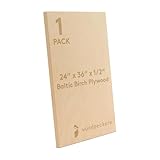
I remember staring at my lopsided pantry door, the cheap particleboard sagging like a sad old man’s shoulders. That was my first kitchen renovation, and let me tell you, I learned a hard lesson about what cabinets are really made of. For years, I just assumed everything was solid wood, but the reality of building a kitchen, especially on a budget, is far more nuanced. So, you’re probably asking yourself: are kitchen cabinets made of plywood? The short answer is: often, yes. But it’s not as simple as that, and understanding the ‘why’ behind it can save you a ton of headache and money.
It’s easy to get lost in fancy marketing terms, but when it comes to your kitchen, you want durability and a look that lasts. Let’s cut through the fluff and talk about what actually matters.
What’s Really Going on Inside Your Cabinets?
Look, we all want those beautiful, solid wood cabinets that feel like they’ll last forever. And sometimes, they are. But let’s be real, most of us aren’t dropping fifty grand on IKEA’s premium line. The vast majority of cabinets you see in showrooms, online, and even in a lot of ‘custom’ builds aren’t 100% solid hardwood. They’re often a smart combination of materials, and plywood is king in the cabinet world for a very good reason. Think of it like a good steak – you want the flavor of the meat, but a little salt and pepper, maybe some garlic, makes it better. Plywood is that perfect seasoning for cabinet construction.
So, are kitchen cabinets made of plywood? Yes, frequently. The cabinet box – the part that holds your plates and pots, not the fancy doors – is almost always constructed using plywood or a similar engineered wood product like MDF (medium-density fiberboard) or particleboard. Why?
Because it’s strong, stable, and significantly more affordable than solid wood. Solid wood can warp and twist with changes in humidity, which is a big problem in kitchens where steam from cooking and dishwashers is a daily occurrence. Plywood, on the other hand, is made by layering thin sheets of wood veneer, with the grain of each layer running in a different direction. This cross-graining makes it incredibly resistant to warping and cracking.
It’s also a much more efficient use of lumber, which is why it’s a go-to for manufacturers aiming for both quality and cost-effectiveness. My first kitchen renovation, I splurged on ‘all-wood’ cabinets, only to find out the boxes were actually particleboard wrapped in a thin veneer. Big mistake. It warped within two years.
Lesson learned: inspect the construction, not just the finish.
The quality of plywood varies wildly, too. You’ve got cheap, splintery stuff that feels like cardboard, and then you have high-grade plywood that’s dense, smooth, and incredibly strong. For cabinets, you’re looking for cabinet-grade plywood, which usually means it has fewer knots, smoother faces, and is often made from hardwoods like birch or maple. This is where the real difference lies in cabinet longevity.
Plywood vs. Other Materials: The Bare Bones Truth
When you’re deciding on cabinets, it’s not just about the doors. The carcass, the actual box holding everything, is where a lot of the structural integrity comes from. And this is where you’ll see the big players: plywood, MDF, and particleboard.
Let’s break it down. Plywood, as I mentioned, is layers of wood veneer glued together. It’s strong, relatively lightweight, and holds screws well.
It’s also resistant to moisture damage, which is a huge plus in a kitchen. MDF, on the other hand, is made from wood fibers that are ground up and mixed with resin, then pressed into dense boards.
It’s super smooth, which makes it excellent for painted finishes, and it’s very stable. However, MDF can swell and disintegrate if it gets too wet, and it’s heavier than plywood. Particleboard is the cheapest of the bunch. (See Also: Can A 4x8 Plywood Fit In A Honda Pilot )
It’s made from wood chips and sawdust bound together. It’s dense but lacks the strength of plywood and can crumble easily. It’s also the most susceptible to moisture damage.
I once tried to save money by getting particleboard shelves in a utility closet. Bad idea. They sagged under the weight of a few canning jars within months.
Never again.
Here’s a quick rundown of how they stack up:
| Material | Pros | Cons | My Verdict |
|---|---|---|---|
| Plywood (Cabinet Grade) | Strong, stable, good screw retention, moisture resistant, lighter than MDF | Can have visible plies on edges, more expensive than MDF/particleboard | The best all-around choice for cabinet boxes. Reliable and durable. |
| MDF | Smooth surface for paint, very stable, dense | Heavy, poor screw retention (needs special screws), swells badly with moisture, can chip | Good for painted doors or decorative elements, but I’d steer clear for cabinet boxes if possible. |
| Particleboard | Cheapest option | Weak, poor screw retention, crumbles easily, highly susceptible to moisture, heavy | Avoid for anything structural in a kitchen. Fine for temporary shelving maybe, but not cabinets. |
So, when someone asks are kitchen cabinets made of plywood, it’s usually because plywood is the smart choice for the main structure. The doors and drawer fronts might be solid wood, MDF, or even a thermofoil wrap, but the core construction often relies on that layered strength.
What to Look for: The Devil’s in the Details
When you’re shopping for cabinets, whether it’s for a full renovation or just replacing a few worn-out units, you need to be a detective. Don’t just look at the pretty doors. You need to inspect the construction. Ask questions. If a salesperson can’t tell you what the cabinet boxes are made of, or they give you a vague answer like ‘wood composite,’ run.
First, look for cabinet-grade plywood for the boxes. This usually means you’ll see multiple plies (layers) visible on the edges.
The more plies, the stronger it generally is. Many higher-end cabinets will use 3/4-inch thick plywood for the sides, tops, and bottoms. For the back panel, you might see thinner plywood or even a hardboard, which is okay for the back as it’s not bearing weight or subject to moisture. However, for the main structure, plywood is your friend.
I’ve seen too many cabinets where the side panels are made of flimsy, thin particleboard that starts to bow out under the weight of dishes. My sister once bought a ‘deal’ set of cabinets, and within a year, the sides of the base cabinets were visibly sagging. It was a nightmare to fix because the whole cabinet was designed as a unit and you couldn’t just swap out a panel.
Another thing to check is the joinery. Are the sides, top, and bottom panels screwed and glued, or are they just stapled together? Screwed and glued construction is far more durable. Dovetail joints for drawer boxes are a sign of quality, though many good cabinets use strong dado joints with thick plywood for the drawer sides and bottoms.
Don’t be afraid to tap on the panels; they should sound solid, not hollow or flimsy. The hardware is important too – the drawer slides and hinges should feel smooth and sturdy. Soft-close hinges are a nice touch, but they won’t save a cabinet box made of junk. (See Also: Can Bondo Be Applied To Plywood )
Focus on the bones first. If the underlying structure isn’t sound, the fancy finish won’t matter in the long run.
Common Mistakes People Make (and How to Avoid Them)
The biggest mistake, hands down, is falling for aesthetics over substance. You see a gorgeous door style with a stunning finish, and you’re sold.
But if the cabinet box it’s attached to is made of cheap particleboard, you’re setting yourself up for disappointment. I made this mistake early on. I bought a set of kitchen cabinets because I loved the deep cherry stain on the doors.
I didn’t ask enough questions about the cabinet boxes, and I just assumed they were built to last. Boy, was I wrong.
After about five years, the particleboard sides began to warp, and the shelves started to sag. The doors still looked good, but the whole cabinet structure was compromised. It was a very expensive lesson in prioritizing the foundation.
Another common pitfall is confusing ‘all wood’ with ‘all solid wood.’ Many manufacturers will market cabinets as ‘all wood’ when they actually use a combination of solid wood (for doors and drawer fronts) and engineered wood products (like plywood or MDF) for the boxes. This isn’t necessarily a bad thing, as engineered woods can offer stability. The problem arises when the engineered wood used is of poor quality, or when the price you’re paying implies solid wood construction for everything. Always ask for clarification: ‘What are the cabinet boxes made of?’ and ‘What are the doors made of?’
Don’t be swayed by marketing jargon either. Terms like ‘premium particleboard’ or ‘enhanced MDF’ sound good, but they’re still fundamentally less durable than good-quality plywood for cabinet construction. Also, beware of deals that seem too good to be true. Mass-produced cabinets from big-box stores can be a budget-friendly option, but you need to scrutinize the materials and construction.
Sometimes, the price savings come at the expense of longevity. I’ve found that spending a little more on cabinet-grade plywood for the boxes, even if it means a simpler door style, is a much better long-term investment. It’s about building a kitchen that can handle the daily grind, not just look pretty for a year or two.
Remember, the cabinet box is the workhorse. Treat it with respect by choosing durable materials.
Real-World Use: How Plywood Stands Up
I’ve seen plywood cabinets in action for over a decade now, both in my own kitchens and in friends’ homes. The ones built with good quality, cabinet-grade plywood have held up remarkably well.
They’ve endured the steam from cooking, the occasional splash of water, and the general wear and tear of family life without complaint. I’ve got a set of kitchen cabinets I installed myself about eight years ago. They’re made with 3/4-inch birch plywood for the boxes and maple veneer on the outside for a smooth finish. (See Also: Can Cat Plywood Be Used For Exterior Siding )
They’ve been loaded with heavy ceramic dishes, pots, and pans, and I haven’t seen any hint of sagging or warping. The drawers slide smoothly, and the doors are still perfectly aligned. This is what you want.
Contrast that with the particleboard cabinets I had in my first apartment. Within three years, the bottom of the sink cabinet had started to delaminate from a small leak that I didn’t catch immediately. The shelves in the pantry cabinet were bowing so badly that I had to remove half my canned goods to prevent them from crashing down.
It was a constant battle against material failure. It felt like every time I opened a door, I was bracing for something to fall apart. That experience cemented my belief that while plywood might cost a bit more upfront, the peace of mind and longevity it provides are absolutely worth it.
It’s the silent workhorse that makes your kitchen functional day in and day out. When you’re stacking heavy cast iron or filling up drawers with utensils, that underlying strength of plywood really matters.
Even the edges of plywood boxes are often finished with a thin veneer or edge banding that matches the exterior. This not only looks cleaner but also protects the plies from chipping or moisture intrusion. It’s these small details that signal a well-made cabinet. When you’re comparing options, ask about how the edges are finished. A clean, sealed edge is a good sign. The National Kitchen & Bath Association (NKBA) often emphasizes durability and functionality in their design guidelines, and sturdy cabinet construction using materials like plywood is a cornerstone of that. They understand that a kitchen isn’t just for show; it’s a workspace.
People Also Ask: Your Cabinet Questions Answered
Is Plywood Better Than Mdf for Kitchen Cabinets?
For the main cabinet boxes, yes, plywood is generally better. Plywood offers superior strength and stability, especially against moisture, and it holds screws much better than MDF. MDF is great for painted door fronts because it provides a perfectly smooth surface, but its susceptibility to swelling when wet makes it less ideal for the structural components of a kitchen cabinet.
Can You Tell If Kitchen Cabinets Are Plywood?
Yes, you can usually tell if cabinet boxes are made of plywood by looking at the edges. You’ll see distinct layers or plies stacked on top of each other. Higher quality plywood will have more plies and be denser. If the edges are completely smooth or look like pressed sawdust, it’s likely MDF or particleboard.
What Is the Best Material for Kitchen Cabinet Boxes?
The consensus among experienced builders and renovators is that cabinet-grade plywood is the best all-around material for kitchen cabinet boxes. It offers a fantastic balance of strength, stability, moisture resistance, and weight. While solid wood can be beautiful, it’s prone to warping in a humid kitchen environment. Plywood provides the durability needed for the daily demands of a kitchen.
Is Particleboard Bad for Kitchen Cabinets?
Particleboard is generally considered the lowest quality option for kitchen cabinets. It lacks the strength and durability of plywood or MDF, is highly susceptible to moisture damage (swelling and disintegrating easily), and has poor screw-holding capability. While it’s the cheapest material, it often leads to premature cabinet failure and is best avoided for any structural use in a kitchen.
What Thickness of Plywood Is Best for Kitchen Cabinets?
For cabinet boxes, 3/4-inch thick plywood is generally considered the standard for good quality and durability. This thickness provides ample strength to support the weight of dishes and other kitchen items without sagging. Thinner plywood might be used for drawer bottoms or cabinet backs, but for the main structure, 3/4-inch is the way to go.
Final Thoughts
So, to wrap it up, are kitchen cabinets made of plywood? Most often, yes, and for good reason. It’s a practical, durable, and stable material that forms the backbone of most quality cabinetry. Don’t let the term ‘engineered wood’ scare you; when it’s cabinet-grade plywood, it’s a sign of good construction. Focus on the quality of the plywood, the thickness, and the overall build of the cabinet box, not just the flashy doors.
My advice? When you’re looking at cabinets, get specific. Ask what the boxes are made of. Look at the edges. If they look like layered wood, you’re likely on the right track. If it looks like sawdust pressed together, you might want to keep looking. Your future self, wrestling with sagging shelves or warped doors, will thank you for making an informed choice now.
Next time you’re browsing showrooms or online, armed with this knowledge, you’ll be able to spot quality construction a mile away. Which cabinet material do you think offers the best long-term value?