I remember staring at a sample board in a showroom, feeling completely overwhelmed. The salesperson was rattling off terms like ‘solid wood,’ ‘MDF,’ and, yes, ‘plywood.’ My gut feeling was that plywood was for construction sites, not my kitchen. I was wrong. So, are custom cabinets made of plywood? The short answer is often a resounding ‘yes,’ and for good reason. This material is the silent workhorse behind many beautiful and durable custom cabinets, and understanding it is key to getting what you pay for without getting ripped off. Let’s cut through the marketing fluff and talk about what actually matters.
Plywood: The Unsung Hero of Cabinet Construction
Look, nobody wants their kitchen cabinets to look like they were built from scrap lumber. We all picture those gorgeous, solid wood doors and drawers. But here’s a dirty little secret the fancy cabinet shops sometimes gloss over: high-quality plywood is often the backbone of those beautiful custom cabinets.
When you’re asking if are custom cabinets made of plywood, you’re hitting on a fundamental material choice. Plywood isn’t just some cheap filler; it’s a product of engineering.
It’s made by layering thin sheets of wood veneer, with the grain of each layer rotated 90 degrees to the next. This cross-graining is what gives plywood its incredible strength and stability. Unlike solid wood, which can warp, twist, and expand or contract significantly with changes in humidity, plywood is far more resistant to these movements.
This means your cabinet doors are less likely to sag over time, and the carcases (the boxes that hold your shelves and drawers) will remain square and true, even in a humid kitchen or bathroom. I learned this the hard way when a cheap set of ‘solid oak’ vanity cabinets I bought for a rental property warped so badly in the first year that the drawer fronts wouldn’t even close properly. Turns out, the ‘solid oak’ was actually a thin veneer over particleboard that couldn’t handle moisture at all. That experience cemented my respect for well-made plywood.
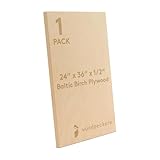
The quality of plywood varies wildly, and that’s where the confusion often starts. For cabinet construction, we’re talking about hardwood plywood, typically made from birch, maple, or oak veneers. These aren’t your dad’s construction-grade sheets. Furniture-grade plywood is sanded smooth, has a consistent appearance, and uses stronger adhesives.
It’s available in different grades, too – think ‘A’ for the front face (smooth, no knots) and ‘B’ or ‘C’ for the back. When a cabinet maker tells you they use plywood for the cabinet boxes, they’re usually referring to this higher-grade hardwood plywood. It’s strong, stable, and provides a great substrate for veneers or paint. The real magic happens when you understand what makes one plywood better than another for your specific cabinet needs.
The Real Deal: What to Look for in Cabinet Plywood
So, you’re sold on plywood being a legit material, but not all plywood is created equal. When you’re talking to cabinet makers or looking at options, here’s what you need to know. First, ask about the plywood grade. For the visible parts of your cabinet boxes (the sides, bottoms, and tops), you want a good furniture-grade plywood.
For example, ‘A-A’ or ‘A-B’ ratings are common, meaning the face veneer is smooth and free of significant defects. A ‘C’ or ‘D’ grade on the back is usually fine since it won’t be seen, but a smooth finish is always better. Another important factor is the number of plies.
More plies generally mean a stronger, more stable panel. For cabinet construction, you’ll typically want at least 7-ply or 9-ply plywood for a 3/4-inch thick panel.
This provides excellent rigidity. Avoid anything with fewer plies if you want durability.
Then there’s the type of wood veneer used. Birch plywood is a fantastic all-around choice. (See Also: Can A 4x8 Plywood Fit In A Honda Pilot )
It’s strong, has a fine, consistent grain that takes paint beautifully, and is relatively affordable. Maple is another excellent option, offering a slightly more pronounced grain and extreme durability. Oak plywood is also common, providing that classic wood look, though its grain can be more varied. For the cabinet boxes, sometimes makers will use a less expensive plywood for the interior that you won’t see, but the exterior-grade plywood is where you want to focus your attention.
Also, inquire about the glue used. Most cabinet-grade plywood uses formaldehyde-free adhesives, which is better for indoor air quality. This is especially important if you’re sensitive to off-gassing.
Don’t be afraid to ask these questions; a reputable cabinet maker will be happy to explain their material choices. I once went to a place that tried to sell me ‘custom cabinets’ with plywood sides that looked like they’d been salvaged from a shipping container – rough, knotty, and with visible voids.
That’s the kind of situation you want to avoid by knowing what to ask for.
Solid Wood vs. Plywood: My Take
Here’s where I get a little controversial. Everyone raves about solid wood for cabinets. ‘It’s the only way to go!’ they’ll tell you.
And sure, solid wood has its place. A beautiful slab of cherry or walnut for a statement piece? Gorgeous.
But for the entire cabinet structure? I’m not convinced it’s always the best choice, especially when you consider the practicalities and costs.
Solid wood expands and contracts. A lot.
Especially here in the Midwest where humidity swings like a pendulum. I’ve seen solid wood cabinet doors bow inwards or outwards so badly that the hinges were stressed, or the drawers wouldn’t slide smoothly.
It happens. Plywood, with its cross-grain construction, is inherently more stable. It resists warping and twisting much better.
This means your cabinet doors stay straight, your drawers function reliably, and the overall integrity of your cabinets holds up over decades. My neighbor, a contractor, once redid his own kitchen using all solid maple. Within three years, the doors on his dishwasher cabinet had visibly warped, creating a noticeable gap at the top. (See Also: Can Bondo Be Applied To Plywood )
He admitted he should have used plywood for the cabinet boxes.
| Material | Pros | Cons | My Verdict |
|---|---|---|---|
| Solid Wood (Cabinet Boxes) | Natural beauty, perceived premium quality. | Prone to warping/twisting with humidity changes, can be more expensive for large panels, potential for gaps. | Overrated for structural cabinet boxes. Better for decorative elements. |
| Hardwood Plywood (Cabinet Boxes) | Excellent stability, highly resistant to warping, strong, consistent appearance, often more cost-effective for large panels. | Requires a good grade for aesthetics, can be heavier than some solid woods. | The practical, durable, and often smarter choice for cabinet construction. |
| MDF (Cabinet Boxes) | Very smooth, great for painted finishes, dimensionally stable, affordable. | Heavy, susceptible to water damage if not sealed perfectly, fasteners can pull out easily, not ideal for heavy loads or frequent drawer use. | Okay for specific painted applications, but I’d avoid for drawer boxes or humid areas. |
Now, does this mean solid wood is bad? Not at all. For drawer fronts, doors, and decorative mouldings, solid wood is fantastic. It offers that rich grain and character that plywood can’t quite replicate. But for the structural components – the actual boxes the cabinets are built from – high-quality plywood is, in my opinion, superior. It’s about choosing the right material for the job. The common advice is often to go for ‘solid wood all the way,’ but I think that’s often driven by marketing rather than practicality. You’re paying a premium for a material that can be less stable in a real-world home environment than a well-made plywood alternative.
Common Mistakes and How to Avoid Them
When people ask are custom cabinets made of plywood, they’re often worried about ending up with something that looks cheap or falls apart. The biggest mistake I see people make is assuming all plywood is created equal. They hear ‘plywood’ and immediately picture the rough, unfinished stuff used in construction. This is a huge misunderstanding.
As we’ve discussed, cabinet-grade hardwood plywood is a completely different beast. It’s specifically manufactured for appearance and stability. Another common pitfall is not asking enough questions.
Cabinet makers are professionals, but they can’t read your mind. You need to be an informed consumer. Don’t be shy about asking what type of plywood they use for the carcases, what the veneer species is, and how many plies it has.
If they get cagey or can’t give you specifics, that’s a red flag. I once had a contractor try to tell me plywood was ‘just a cheaper option’ when I asked about it for my pantry shelves. He wanted to push a more expensive, less stable wood for shelves that would hold heavy appliances.
I pushed back, asked about the ply count and veneer, and he admitted they usually used a good birch plywood for custom pantry builds because it was stronger and more stable. He was just trying to upsell me on a less practical material.
Another mistake is assuming that ‘custom’ automatically means ‘solid wood everywhere.’ Customization is about design, dimensions, and finishes, not necessarily the core material. A truly custom cabinet can be beautifully constructed using high-quality plywood for the structure and solid wood for the doors and drawer fronts. The key is the quality of the craftsmanship and the materials used.
If a cabinet maker steers you away from plywood for the boxes without a very good, specific reason (like an extremely high-end, decorative piece in a perfectly climate-controlled room), be skeptical. Also, don’t forget about the hardware. Even the best plywood cabinets will feel cheap if they have flimsy drawer slides or hinges. Make sure the cabinet maker is using quality hardware to complement the cabinet construction.
Real-World Use: My Experience with Plywood Cabinets
I’ve lived with custom cabinets built with high-quality plywood for several years now, and I can honestly say I’m a convert. My kitchen cabinets, for example, have sides and bottoms made of 3/4-inch birch plywood. The doors and drawer fronts are solid maple.
This combination has been absolutely bombproof. We live in a house that sees a lot of cooking – steam from the stove, humidity from running the dishwasher, and general daily use. I haven’t seen a single instance of warping, sagging, or any kind of structural compromise. (See Also: Can Cat Plywood Be Used For Exterior Siding )
The drawers glide smoothly, the doors close flush, and the entire unit feels incredibly solid. I even have a custom-built vanity in my master bathroom that uses a marine-grade plywood for the carcase. Bathrooms can be particularly brutal environments for wood due to constant moisture and temperature fluctuations. This vanity, which has seen years of steamy showers and splashes, still looks and functions perfectly.
The finish hasn’t peeled, and there’s no sign of swelling or delamination.
One surprise I had was how well the painted birch plywood took the finish. I opted for a deep navy blue paint on the exterior cabinet boxes, and the smooth, consistent surface of the plywood meant there were no unsightly knots or grain patterns showing through, which can be a problem with some solid woods, even after priming.
It gave us a flawless, modern look that I absolutely love. When people see them, they compliment the quality and the finish. They assume it’s all solid wood until I explain the construction. It’s a testament to how good plywood can be when it’s used correctly.
My brother-in-law, on the other hand, went for ‘all solid oak’ for his kitchen. He paid a fortune.
Within a year, two of his cabinet doors had warped noticeably, and he was constantly having to adjust the hinges. He’s mentioned more than once how he wishes he’d listened to me about using plywood for the boxes.
Faq: Getting Straight Answers About Plywood Cabinets
Are Custom Cabinets Made of Plywood Better Than Solid Wood?
For the structural components like cabinet boxes and shelves, high-quality hardwood plywood is often more stable and resistant to warping than solid wood, especially in humid environments. Solid wood excels for cabinet doors and drawer fronts where its natural grain and character are desirable. The best custom cabinets often use a combination of both.
Is Plywood a Good Material for Kitchen Cabinets?
Yes, absolutely. When it’s furniture-grade hardwood plywood, it’s an excellent material for kitchen cabinets. Its stability, strength, and resistance to moisture fluctuations make it ideal for the demanding environment of a kitchen. The key is using a good quality plywood with a smooth veneer and a sufficient number of plies.
What Is the Difference Between Cabinet Plywood and Regular Plywood?
Cabinet-grade plywood is manufactured to a higher standard for appearance and performance. It uses finer, smoother wood veneers on the face, has fewer defects like knots or splits, and is typically made with stronger, furniture-grade adhesives. Regular construction plywood is often rougher, with visible voids and imperfections, and is not intended for visible finishes.
How Many Plies Should Cabinet Plywood Have?
For cabinet construction, a 3/4-inch thick panel should ideally have at least 7 plies, with 9 plies being even better. More plies mean greater strength, rigidity, and stability, which are all important for durable cabinets that will hold up over time.
Can You Paint Custom Cabinets Made of Plywood?
Yes, custom cabinets made of good quality plywood, especially birch or maple, can be painted beautifully. The smooth, uniform surface of furniture-grade plywood provides an excellent base for paint, resulting in a flawless finish without the distracting grain or knot patterns that can appear with some solid woods.
Conclusion
So, to wrap this up, the question ‘are custom cabinets made of plywood’ is less about whether it’s a ‘good’ material and more about understanding its quality and application. High-quality plywood isn’t a compromise; it’s often a smart, practical choice for the structural integrity of your cabinets. Don’t let outdated notions or slick marketing fool you into thinking solid wood is the only way to go for the entire cabinet. My experience has shown that a well-engineered plywood carcase, paired with solid wood doors, offers the best of both worlds: stability, durability, and beauty.
When you’re getting quotes, ask the specifics. Demand to know the grade, the ply count, and the wood species. If they hesitate, walk away. A truly custom cabinet maker will be proud to explain their material choices and why they believe in them. Don’t just take my word for it – do a little digging yourself. You’ll quickly see why plywood has earned its place in high-end custom cabinetry.