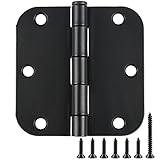
You know that sound. That sharp, jarring BANG that echoes through the house every single time someone in the kitchen forgets to be gentle? I swear, for years my cabinets sounded like a drummer having a tantrum. I’d yell, “Close it softly!” and get met with a sheepish grin or a mumbled, “Oops.” It was driving me nuts. Then I discovered a adjustable stop soft close door hinges kitchen cabinets, and let me tell you, it’s one of those small upgrades that makes a massive difference in daily life. No more slamming, no more rattling, just a smooth, quiet glide. Seriously, if you haven’t made the switch, you’re missing out on a little slice of kitchen peace.
Why You’re Probably Still Slamming Doors (and How to Fix It)
Let’s be honest. Most of us weren’t raised with the gentle touch required for old-school cabinet hinges. We grew up with springs that either snapped shut with the force of a mousetrap or stayed stubbornly open. So, when you’re in the middle of cooking, juggling ingredients, or just trying to get a glass of water, the last thing on your mind is the delicate ballet of closing a cabinet door.
That’s where the magic of a adjustable stop soft close door hinges kitchen cabinets comes in. These aren’t just fancy gadgets; they’re a practical solution to a very real, very annoying problem. They work by incorporating a small hydraulic or pneumatic cylinder, much like the ones you see on car tailgates or gas struts.
As you push the door shut, this cylinder engages, slowing down the motion in the last few inches. It’s like a tiny, controlled buffer that catches the door and guides it to a gentle close. No more slamming, just a satisfying, almost silent thud as it settles into place. I remember the first time I installed a set in my pantry.
I’d always yanked that door shut because it was a bit heavy. After the swap, I pushed it like usual, and it just… glided. It was almost eerie.
My dog, who usually flinched at every door slam, didn’t even twitch. That’s when I knew I was hooked.
The adjustable stop feature is a lifesaver too. You can fine-tune exactly how far the door opens or closes, which is great for cabinets that might hit appliances or other doors, or if you just prefer a certain stopping point.
It’s a level of control you never knew you needed, but once you have it, you wonder how you lived without it.
What to Actually Look for (beyond the Hype)
The market is flooded with these things, and not all are created equal. You can walk into any big box hardware store or browse online and find dozens of options.
Some look identical, but the quality can vary wildly. My first foray into soft-close hinges was a cheap, no-name pack I found online for about $20 for ten. Big mistake.
They worked, sort of, but the ‘soft close’ was more of a ‘gentle nudge that sometimes worked.’ The damping mechanism felt weak, and after about six months, one of them just gave up the ghost entirely, leaving me with a door that slammed shut like the old days. Lesson learned: don’t skimp too much. What I look for now is a reputable brand. (See Also: A Box Without Hinges Key )
Companies that specialize in hardware, especially those with good reviews specifically mentioning the durability of the soft-close mechanism, are a safer bet. Blum, Salice, and Grass are names you’ll see thrown around, and for good reason.
They’re pricier, sure, but they last. When you’re looking at the specs, check the material.
Most good ones are made from sturdy steel. Also, consider the type of hinge you need. There are overlay, partial overlay, and inset hinges.
Make sure you match the new hinges to your existing cabinet door setup. You don’t want to buy a bunch of soft-close hinges only to find out they don’t physically fit your cabinet doors or frames.
Another thing to consider is the degree of opening. Some hinges open to 90 degrees, others to 110 degrees, and some even more. If you need full access to the back of your cabinets, you’ll want a hinge with a wider opening angle.
And the ‘adjustable stop’ part? Make sure it’s actually easy to adjust.
Some require fiddly little screws, while others have a simple dial or lever. I found one set where the adjustment screw was practically impossible to get to once the hinge was installed, which was incredibly frustrating.
Read reviews that specifically mention installation ease and adjustability. Don’t just look at the pictures; read what actual users say about their experience.
Common Mistakes That’ll Make You Curse Your Cabinets
This is where I’ve made a few missteps so the rest of you can hopefully avoid them. The most common mistake? Buying the wrong type of hinge for your cabinet doors. If you have full overlay doors (where the door completely covers the cabinet frame), you need full overlay hinges.
If your doors only partially cover the frame, you need partial overlay. Inset doors sit inside the frame, and they require inset hinges. Mixing these up means they won’t mount correctly, and you’ll either have gaps or doors that don’t close flush. I once bought a pack of partial overlay hinges for my main kitchen cabinets, which were full overlay. (See Also: Are Integrated Washing Machine Door Hinges Standard )
I spent a frustrating afternoon trying to make them work, convinced I was doing something wrong, before realizing my error. Another mistake is not measuring your existing hinges. Cabinet hinges come in different sizes and screw hole patterns. You need to make sure the new hinges you buy will fit the existing holes or that you’re prepared to drill new ones.
If you’re replacing hinges, take one off and measure the distance between the screw holes and the overall size of the hinge plate. If you’re starting from scratch, then you have more flexibility, but still, know the dimensions you’re working with. Over-tightening screws is another classic.
You can strip the screw holes in your cabinets or even crack the wood, especially if you’re dealing with older particleboard. Just snug them up. The hinge should feel secure, not like you’re trying to pull the cabinet apart. Finally, and this is a big one for me: assuming all soft-close mechanisms are created equal.
I’ve bought hinges that claimed to be soft-close, but the damping was so weak they barely made a difference. Or worse, they’d slam shut if you closed the door too quickly. You need a mechanism that provides consistent, smooth deceleration, regardless of how fast you push the door.
This is why I learned to look for reviews that specifically talk about the quality and effectiveness of the soft-close feature, not just that it exists. A good, adjustable soft-close hinge should feel substantial and smooth, not flimsy.
Real-World Use: My Kitchen’s Transformation
My kitchen used to be a blend of clangs and bangs. The pantry door, the spice cabinet, the dishwasher-esque drawer under the sink – all of them seemed to have a vendetta against quiet operation.
When I first installed a adjustable stop soft close door hinges kitchen cabinets, it was on the pantry. This door gets opened and closed a dozen times a day.
Before, it was a constant source of irritation. After? Pure bliss.
The quiet glide was noticeable immediately. Then I tackled the main kitchen cabinets. The set of six cabinets that surround my stove were the worst offenders. They’d all slam shut in succession when I was cooking and reaching for things.
It was a cacophony. Swapping those out took maybe an hour and a half, and the difference was night and day. My wife, who is usually pretty indifferent to home improvements, actually commented on how much quieter the kitchen felt. (See Also: Are Hinges Wheeels )
That’s high praise. The adjustable stop was particularly useful on the corner cabinet. It’s a bit of a tight squeeze to get things in and out, and the door would sometimes bang into the adjacent cabinet door.
By slightly adjusting the stop on one of the hinges, I was able to prevent that collision without sacrificing much opening space. I’ve also found it useful for doors that need to stay open at a specific angle, like when I’m loading the dishwasher or need access to a deep drawer.
The soft-close mechanism doesn’t fight you; it just holds the door gently. It’s funny how such a small change can impact the overall feel of a room. It makes the kitchen feel more refined, more peaceful.
It’s like the difference between a cheap, noisy car and a well-built, quiet one. You don’t realize how much you’re tolerating until it’s gone. I’ve been using these soft-close hinges for about two years now on several cabinets, and they’re still performing perfectly. No sagging, no loss of damping, just smooth, quiet operation every single time.
It’s a small investment that pays off daily.
Installation: It’s Not as Scary as You Think
Let’s talk installation. Many people see ‘hinge replacement’ and immediately think, “Nope, call a handyman.” I get it. But honestly, installing a adjustable stop soft close door hinges kitchen cabinets is one of the easier DIY projects you can tackle. For most standard cabinets, it’s a straightforward swap. Here’s a simplified rundown, assuming you’re replacing existing hinges:
- Gather Your Tools: You’ll need a screwdriver (usually Phillips head), possibly a drill with a small bit for pilot holes (if the old holes are stripped or you’re drilling new ones), and a measuring tape.
- Remove the Doors: Start by removing one cabinet door at a time. This way, you have a template to work from. Unscrew the old hinges from the door itself.
- Transfer the Hinges (or Install New Ones): If you’re lucky, the new hinges will have the same screw hole pattern as the old ones. If not, you might need to fill the old holes with wood filler or a dowel and then drill new pilot holes. Carefully align the new hinge on the door and screw it in. Don’t overtighten.
- Attach the Door to the Cabinet Frame: With the hinge attached to the door, hold the door up to the cabinet frame and align the hinge plate with the existing screw holes (or your new pilot holes). Screw the hinge plate to the cabinet frame.
- Adjust and Test: Once the door is reattached, it’s time to test. Gently close the door to see how the soft-close mechanism works. Most hinges will have adjustment screws for both the up/down and left/right alignment, and the depth of the door. Play with these until the door closes evenly and sits flush with the cabinet frame. The soft-close feature itself usually doesn’t require adjustment, but the stopping point might, which you can usually fine-tune with a dedicated screw.
The key is patience. Go slow, take your time, and if you’re unsure, watch a couple of YouTube videos specific to the type of hinge you bought. I spent about $180 on my first major overhaul of about 15 cabinet doors, and it took me a weekend, but the quiet was worth every penny and every minute. It’s a project that makes a tangible, immediate difference.
People Also Ask About Soft Close Hinges
Do Soft Close Hinges Really Work?
Yes, good quality soft close hinges absolutely work, and they make a huge difference in reducing noise and wear on your cabinets. They use a damping mechanism, usually hydraulic or pneumatic, to slow down the door as it approaches the closed position, preventing slams. The effectiveness depends heavily on the quality of the hinge; cheaper versions might offer less resistance or wear out faster.
Can You Convert Regular Cabinet Hinges to Soft Close?
While you can’t convert existing hinges directly, you can easily replace regular cabinet hinges with soft close ones. The process is usually straightforward, involving unscrewing the old hinges and screwing in the new ones, provided you choose the correct type and size to match your cabinet doors and frames.
How Do You Adjust Soft Close Hinges?
Most soft close hinges have adjustment screws for aligning the door with the cabinet frame (up/down, left/right, in/out). The soft-close damping itself is usually pre-set, but some models allow you to adjust the stopping point or the strength of the close via a small screw or dial on the hinge mechanism. Consult the manufacturer’s instructions for your specific hinges.
What Is the Best Brand for Cabinet Hinges?
For high-quality, durable cabinet hinges, brands like Blum, Salice, and Grass are consistently top-rated. While they are generally more expensive, they offer superior performance, longevity, and refined soft-close mechanisms. For a balance of quality and price, some brands like Liberty Hardware or Rev-A-Shelf can also be good options, but always check specific product reviews for soft-close performance.
| Feature | My Experience | Verdict |
|---|---|---|
| Soft Close Effectiveness | Initial cheap set barely worked; good brands are smooth and consistent. | Good quality is a must. |
| Adjustability (Stop) | Excellent for preventing door collisions and fine-tuning placement. | A must-have for precise alignment. |
| Durability | Cheap hinges failed within a year; higher-end ones are holding up perfectly after 2+ years. | Invest for the long haul. |
| Installation Ease | Screwdriver and patience are key. Takes longer if you need to drill new holes. | Easier than most people think. |
Final Thoughts
Look, if you’re tired of the daily blend of slamming cabinet doors, making the switch to a adjustable stop soft close door hinges kitchen cabinets is a no-brainer. It’s a small change that reaps huge rewards in terms of peace and quiet, and frankly, just making your kitchen feel a bit more… grown-up. Don’t fall for the cheapest options; spend a little more upfront and get hinges that will last and actually perform as advertised. You won’t regret it. Take a look at your most-slammed cabinet door and start there – you’ll see the difference immediately.