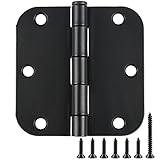
I learned the hard way that just because a hinge looks like a hinge, doesn’t mean it can handle a blast of rain or a scorching summer sun without turning into a rusty, squeaky mess. I once swapped out the flimsy interior door hinges on my shed for what I thought were perfectly good, standard ones. Big mistake. Within a year, they were practically fused shut. It made me wonder, are all hinges useable outside? The short answer, from my experience and some digging, is a resounding no.
It’s not as simple as just picking up any old hinge from the hardware store and expecting it to survive the elements. There’s a science to it, and frankly, a lot of manufacturers don’t make it easy to figure out what’s what. We’ve all been there, staring at a wall of shiny metal, hoping for the best.
What Makes a Hinge Weather-Resistant? It’s Not Magic
So, what separates a hinge that’ll last five minutes on your patio from one that’ll soldier on for years? It boils down to the materials and the construction. Think of it like this: you wouldn’t wear cotton socks to hike in a blizzard, right? Same principle applies to hinges and the outdoors. The biggest enemy is corrosion – rust, salt spray, UV degradation. Standard steel hinges, often found on interior doors, are usually coated but not designed for prolonged exposure.
For outdoor use, you’re primarily looking at stainless steel or heavy-duty, powder-coated steel. Stainless steel is the gold standard, especially if you’re near the coast. The chromium content in stainless steel forms a passive layer that protects against rust. Even then, there are grades of stainless steel, and some are better than others for harsh environments. 304 stainless is common and good, but 316 is even more resistant to saltwater and chemicals – worth the premium if you’re in a really tough spot.
Powder-coated steel is a more budget-friendly option. The powder coating acts as a protective barrier. It’s applied electrostatically and then cured under heat, creating a hard, durable finish. However, if that coating gets scratched or chipped, moisture can get to the steel underneath, and rust will start its ugly work. I had a set of black powder-coated gate hinges on my back deck. They looked sharp for about two years, then I noticed little orange spots appearing where I’d accidentally dinged them with the lawnmower. Annoying, to say the least.
Beyond material, the design matters. Look for hinges with sealed or protected pin mechanisms. Some higher-end outdoor hinges have caps or covers that prevent water from pooling directly on the pin. Also, consider the weight rating and the intended load. A hinge designed for a lightweight interior closet door is not going to hold up to the constant flexing and stress of a heavy wooden gate that’s being slammed by the wind. Always check the manufacturer’s specifications. They’ll usually tell you the intended use and the load capacity.
The Stainless Steel Debate: Is It Always Worth It?
Everyone and their dog tells you to go for stainless steel for anything outdoors. And yeah, for good reason. It’s the king of corrosion resistance. My first real outdoor project was building a planter box bench for the garden. I used regular galvanized hinges for the lid, thinking ‘galvanized is good enough for outside, right?’ Wrong. After one particularly wet spring, they were already showing streaks of rust. I ended up buying a pair of 304 stainless steel hinges, and man, what a difference. They still look brand new, and that was three years ago. They cost me about $25 for the pair, compared to the $10 I spent on the galvanized ones that failed. (See Also: A Box Without Hinges Key )
But here’s the contrarian take: is stainless steel always the best choice, or is it just the most marketed one? For less demanding outdoor applications, like a small potting shed door that’s mostly sheltered or a decorative garden gate that doesn’t get much heavy use, a really good quality, heavy-duty, powder-coated steel hinge might be perfectly adequate and save you some cash. I’ve seen some commercial-grade, thick powder-coated hinges on farm gates that have held up remarkably well for over a decade, surviving mud, rain, and snow. The key here is ‘heavy-duty’ and ‘good quality coating’. A cheap, thin coating on flimsy steel? That’s a recipe for disaster.
The real trick is identifying those good quality coated hinges. Often, the price is a clue. If it seems too cheap for an outdoor hinge, it probably is. Look for brands that are known for durability in outdoor hardware. Sometimes, paying a bit more upfront for a slightly less fancy material but a superior build and finish can be a smarter long-term move than splurging on stainless steel that might be over-engineered for your specific needs, or worse, a cheap stainless that corrodes anyway.
Common Mistakes People Make (including Me)
One of the biggest blunders is assuming that ‘exterior’ or ‘gate’ hinges are inherently weatherproof. They might be more resistant than interior ones, but not all are created equal. I’ve seen hinges advertised for gates that were still just painted steel with a thin coat that would chip off faster than you could say ‘rusty mess’. My brother learned this when he installed a rather elaborate, but cheap, set of black wrought iron hinges on his garden arbor. They looked stunning for about six months, then started to flake and reveal pitted metal underneath. They were basically decorative more than functional for long-term outdoor survival.
Another common mistake is overlooking the pin. Many standard hinges have a non-removable pin that can collect water and debris, leading to rust and stiffness. For outdoor use, if the pin is removable, look for one that’s seated firmly and ideally has a washer or cap to help prevent water ingress. If it’s non-removable, make sure the entire assembly, including the pin area, is well-sealed or made of corrosion-resistant material.
People also forget about maintenance. Even the best outdoor hinges can benefit from a little TLC. Periodically cleaning off dirt and debris, and applying a light coat of lubricant (like silicone spray, not WD-40 which can attract dirt), can extend their life significantly. I used to just ignore my outdoor hinges until they started screaming for attention, but a quick wipe-down and spray every year or so has made a noticeable difference. Don’t forget the screws, either. Using the wrong type of screws can lead to rust streaks running down your door or gate. Always use stainless steel or coated screws that match your hinge material.
| Hinge Type | Material | Pros | Cons | Verdict for Outdoors |
|---|---|---|---|---|
| Standard Butt Hinge | Steel (often plated) | Cheap, widely available | Poor corrosion resistance, can rust quickly | Generally NO, unless frequently maintained and in a very sheltered spot. |
| Powder-Coated Steel Hinge | Steel with powder coating | Good corrosion resistance if coating is intact, affordable | Coating can chip/scratch, exposing rust-prone steel | YES, if it’s heavy-duty, good quality coating, and maintained. |
| 304 Stainless Steel Hinge | Stainless Steel | Excellent corrosion resistance, durable | More expensive, can still corrode in very harsh salt environments | YES, a reliable go-to for most outdoor applications. |
| 316 Stainless Steel Hinge | Marine-grade Stainless Steel | Superior corrosion resistance, ideal for coastal/harsh areas | Most expensive, may be overkill for some | ABSOLUTELY YES, for the toughest conditions. |
Real-World Applications: Gates, Sheds, and More
Let’s talk about where you’ll actually be using these things. Gates are probably the most common application for outdoor hinges. Whether it’s a garden gate, a driveway gate, or a side yard gate, these are exposed to the elements constantly. For a simple garden gate, a well-made powder-coated hinge might do the trick, provided it’s rated for the weight and the environment isn’t too aggressive. For a heavier, more substantial gate, or if you’re anywhere near the coast, stainless steel is almost a must. (See Also: Are Integrated Washing Machine Door Hinges Standard )
Shed doors are another big one. If your shed is just a basic storage unit, you might get away with a good quality galvanized or powder-coated hinge. However, if it’s a more elaborate structure, or you’re in a high-humidity area, stainless steel will prevent those unsightly rust streaks that can run down the door and frame. I replaced the hinges on my old garden shed last fall. The original ones were some sort of plated steel that had completely seized up. I opted for heavy-duty 304 stainless hinges, and the difference in operation is night and day. Plus, no more orange drips on the siding.
Beyond doors and gates, think about outdoor furniture. Hinges for deck boxes, outdoor storage benches, or even access panels on RVs or boats. These all need to withstand moisture, sun, and temperature fluctuations. For boat applications, marine-grade 316 stainless steel is pretty much the only way to go, given the constant exposure to saltwater. For deck boxes, a good quality powder-coated hinge might suffice, but stainless steel offers superior longevity and peace of mind. Remember, the more important the component, and the more exposed it is, the higher the quality of hinge you should be looking for.
What to Look for When Buying
When you’re standing in the aisle, or scrolling online, what are the key things to check? First, the material. Look for ‘stainless steel’ or a clear indication of a solid coating like ‘heavy-duty powder coat’. If it just says ‘steel’ or ‘plated’, be wary. For stainless, check if it specifies the grade (304 or 316 are good). If they don’t specify, it’s usually a red flag.
Second, construction. Does the pin look well-seated? Are there any obvious gaps where water could easily get in? For gate hinges, look at the strap and knuckle design. They should be substantial, not flimsy. Check the gauge of the metal. Thicker metal means more durability. For self-closing hinges, test the spring mechanism if possible. Is it stiff and strong, or does it feel weak and likely to fail after a few months?
Third, the manufacturer’s specs. This is where they usually tell you if it’s suitable for outdoor use, its load rating, and sometimes even its corrosion resistance rating. Don’t be afraid to look for this information. If a product doesn’t provide these details clearly, it’s often a sign that it’s not designed for demanding applications. I once bought hinges that were just labeled ‘heavy duty’ with no other info, and they lasted less than a year. Now, I insist on seeing clear specifications. It saves time, money, and frustration down the line.
How to Choose the Right Hinges for a Garden Gate?
For a garden gate, consider the gate’s weight and size. Lighter wooden gates might handle high-quality powder-coated hinges, while heavier metal or solid wood gates demand heavier-duty stainless steel. Proximity to salt spray or constant rain means stainless steel is highly recommended to prevent rust and make sure smooth operation. Look for hinges with a solid strap and knuckle design that can support the weight and resist wind forces. (See Also: Are Hinges Wheeels )
Can I Use Interior Door Hinges Outside?
Generally, no. Interior door hinges are typically made of standard steel with a thin plating or paint that offers minimal protection against moisture and corrosion. They will rust, seize up, and fail quickly when exposed to outdoor elements like rain, humidity, and temperature changes.
What Is the Best Material for Outdoor Hinges?
Stainless steel is generally considered the best material for outdoor hinges due to its excellent corrosion resistance. 304 stainless is good for most environments, while 316 stainless steel offers superior protection, especially in coastal or marine settings. High-quality, heavy-duty powder-coated steel can be a viable option for less demanding applications, provided the coating remains intact.
Are Galvanized Hinges Good for Outdoor Use?
Galvanized hinges offer some protection against rust because of the zinc coating. However, they are not as durable as stainless steel. The zinc coating can wear away over time, especially in harsh environments, leaving the underlying steel vulnerable to corrosion. For longevity and reliability in exposed outdoor conditions, stainless steel is usually a better choice.
Verdict
So, to circle back to the big question: are all hinges useable outside? Absolutely not. It’s a minefield of misleading labels and cheap materials out there. You have to be smart about what you’re buying. My shed hinges are now smooth as butter, and my gate doesn’t groan like a dying whale anymore, all because I learned to look past the shiny finish and check the specs.
Don’t be like my younger self, throwing a few bucks at what looks like a hinge and hoping for the best. Invest a little time in understanding the materials – stainless steel for tough jobs, good quality coated steel for less demanding ones. Check those specs, look for known brands, and don’t be afraid to ask for details.
Next time you need to hang something outdoors, take a breath, do a quick material check, and choose wisely. Your future self, not dealing with a rusty, stuck hinge, will thank you.