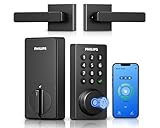
I remember the first time I bought a ‘premium’ smart lock. It looked sleek, promised the moon, and cost more than my last three regular deadbolts combined. When I installed it, the deadbolt felt… sticky. Not smooth, not fluid, but like it was fighting its way into the strike plate. My first thought was, “Great, I spent $300 on a faulty mechanism.”
This brings me to the question I bet you’ve got rattling around your head: are door locks suppose to be really tight? It’s a valid concern. A loose lock feels cheap and insecure, but a binding one feels broken and impossible to operate. So, what’s the sweet spot?
Let’s cut through the noise and talk about what really matters when it comes to lock engagement.
The Sweet Spot: Not Too Loose, Not Too Tight
Look, nobody wants a wobbly lock. A deadbolt that slides home with a vague ‘thunk’ rather than a satisfying ‘clunk’ is usually a sign of trouble. It suggests the bolt isn’t fully engaging with the strike plate hole. This can happen for a few reasons, but the most common one I’ve seen is a misaligned strike plate. The door settles over time, or wasn’t hung perfectly to begin with, and that little metal L-shaped piece on your frame isn’t lining up with the bolt’s path.
When a lock is ‘too tight,’ it usually means there’s significant friction. This friction can be caused by a few things. First, and most common, is the alignment issue I just mentioned. The bolt is hitting the edge of the strike plate hole instead of smoothly entering it. Second, the internal mechanism of the lock itself might be binding. This is less common on good quality locks, but I’ve definitely encountered it on cheaper models or ones that have taken a beating. The tumblers might not be retracting or extending smoothly, causing resistance.
My first real ‘aha!’ moment with this was installing a new set of Schlage deadbolts on my garage entry door. I’d replaced the old, worn-out ones and, after getting the new ones perfectly aligned, the bolts slid home with a solid, reassuring feel. There was no jiggling, no forcing, but definitely no sloppiness. It felt precise. Contrast that with a cheap Kwikset I tried to install a few years prior that, no matter what I did with the strike plate, felt like I was wrestling a greased pig. It was too tight, and that’s not what you want. The ‘tightness’ should feel like a solid, confident engagement, not a struggle.
It’s all about engagement. When you turn the key or the thumb turn, you want to feel that the bolt is moving decisively and entering the strike plate fully. If it’s so tight you have to jiggle the door or put your shoulder into it, that’s not right. The common advice is often just ‘make sure it’s secure,’ which is true, but doesn’t tell you how secure. A lock that’s difficult to operate is often as much of a security risk as a loose one, because you might be tempted to leave it partially engaged or not fully locked.
Why Alignment Is King (and What to Do About It)
Okay, so we’ve established that a lock shouldn’t feel like it’s being forced, but it also shouldn’t feel loose. The vast majority of the time, if your lock feels too tight and is difficult to operate, the culprit is misaligned strike plates. This is super common, and honestly, it’s the first thing I check, every single time. Doors shift. Wood expands and contracts with humidity. Hinges can loosen. Even just the natural settling of a house over years can throw off the alignment between your door and the frame.
Here’s the deal: the deadbolt extends from the door into the strike plate on the door frame. For this to work smoothly, the bolt needs to be able to slide directly into the hole in the strike plate. If the strike plate is even a millimeter or two off, the bolt will catch on the edge of the hole. This creates that ‘too tight’ feeling, sometimes to the point where you can barely turn the key or thumb turn. It’s not the lock mechanism itself that’s the problem, it’s the door hardware not lining up with the frame hardware.
What do you do? You adjust the strike plate. This often involves loosening the screws holding the strike plate in place, giving it a gentle tap in the direction you need it to move (you might need to file the hole slightly larger if the bolt is hitting hard), and then retightening the screws. I’ve spent frustrating afternoons doing this, only to realize I was tapping the wrong way.
Here’s a simple trick I learned: put a little bit of lipstick or chalk dust on the tip of the deadbolt. Close the door gently so the bolt just touches the strike plate. Then, open it. You’ll see exactly where the bolt is making contact. (See Also: Are Sesame Seeds Kosher For Passoveris Pollock Kosher )
This will show you which way the strike plate needs to move. This has saved me so much guesswork.
Another angle: check the door hinges. Are they tight? Are they bent? If the door itself is sagging, that’s going to affect your alignment. Sometimes tightening the hinge screws, or even shimming the hinges, can resolve alignment issues. I once had a door that was so out of whack that I had to file a significant chunk out of the door jamb opening for the deadbolt to even function. It wasn’t pretty, but it worked. The key is patience and observation. Don’t just assume the lock is bad. Look at the whole system: door, frame, hinges, and strike plate.
How to Adjust a Strike Plate
- Identify the Misalignment: Test the lock operation. Note where the bolt binds.
- Loosen the Strike Plate: Unscrew the two screws holding the strike plate on the door frame.
- Gently Tap and Adjust: Using a rubber mallet or the handle of a screwdriver, gently tap the strike plate in the direction needed to align with the bolt. You might need to try a few times.
- File if Necessary: If the bolt is hitting hard, you may need to slightly enlarge the hole in the strike plate with a metal file. File in small increments and re-test frequently.
- Tighten and Test: Once aligned, re-insert the screws and tighten them firmly. Test the lock operation repeatedly.
This process, while sometimes tedious, is often the solution to a lock that feels too tight and difficult to operate. It’s a fundamental aspect of lock installation and maintenance that gets overlooked by too many DIYers and even some professional installers.
The Internal Story: What’s Happening Inside the Lock?
Beyond the external alignment, there’s the internal mechanism of the lock itself. When a lock feels ‘tight’ from the inside, it could be a sign of wear, poor manufacturing, or even just a lack of lubrication. I’ve had locks that, after a few years of use, start to feel a bit gritty or stiff. This is where lubrication comes in, but you have to use the right stuff. Forget WD-40; that’s a solvent and can actually dry out the mechanism over time and attract more dust. You want a graphite-based lubricant or a silicone spray specifically designed for locks.
I learned this the hard way with a notoriously finicky deadbolt on my shed. It always required a bit of a jiggle to get the key to turn. I’d assumed it was just a cheap lock. One day, a locksmith friend was over and just sprayed a bit of graphite powder into the keyway. Boom. Like a new lock. It was so simple, and I’d been wrestling with it for years. This is one of those cases where the common advice is actually wrong: people often reach for WD-40 first, and it’s a mistake.
What’s actually happening inside? A lock cylinder has pins and springs. When you insert the correct key, the pins align at the ‘shear line,’ allowing the cylinder to rotate and operate the bolt mechanism. If those pins aren’t moving freely, or if the springs are weak or binding, you’ll feel resistance. This resistance can feel like tightness. It’s the internal components fighting against each other or against their intended movement.
High-quality locks are designed with tighter tolerances and better-quality materials, meaning their internal mechanisms are generally smoother. But even the best locks can benefit from occasional lubrication. If you’ve got a brand new lock that feels stiff internally, that’s a red flag. It suggests a manufacturing defect. I’ve sent back a couple of smart lock components that felt ‘off’ right out of the box, and thankfully, the manufacturers were good about replacements. The feeling of a good lock is one of smooth, controlled action. You shouldn’t feel any crunching, grinding, or excessive resistance.
Consider the different types of locks too. A simple passage knob lock (like on an interior bedroom door) should be very smooth, as it’s not usually secured. A deadbolt, designed for security, needs to feel solid and solid. But ‘solid’ doesn’t mean ‘stiff’ or ‘hard to turn.’ It means the mechanism is well-engineered to withstand force while still operating cleanly. If your lock feels tight because the bolt is physically catching on something external, that’s one issue. If it feels tight because the internal gears or pins are not cooperating, that’s a different, and often more serious, problem with the lock mechanism itself.
When ‘tight’ Is Too Much: Signs of a Problem
So, how do you know if that tight feeling is a sign of a genuine problem versus just a solid, well-fitting lock? There are a few indicators that point to trouble. First, if you need excessive force to operate the lock. I’m not talking about a little extra effort on a cold morning; I’m talking about needing to put your weight into it, jiggle the door, or twist the key with all your might. If you find yourself doing that regularly, something is wrong.
Second, listen for unnatural sounds. A well-functioning lock should make a solid ‘clunk’ or a smooth ‘snick’ as it engages. Grinding, scraping, or clicking noises that sound ‘off’ are usually bad signs. These are indicators that metal is rubbing against metal in a way it shouldn’t be, or that internal components are not moving freely. I had a deadbolt on my old apartment that made a horrific screeching sound every time I turned the key. It felt incredibly tight, and that noise was the sound of its impending failure. It finally seized up completely a few months later. (See Also: Are Sliding Door Locks Common )
Third, look for visible damage or wear. Is the bolt scratched or dented where it meets the strike plate? Is the keyway visibly worn or bent? These are clues that the lock has been binding for a while, or that it’s been subjected to undue stress. If the key itself is hard to insert or remove, that’s often a symptom of internal pin issues or external misalignment that’s preventing the lock cylinder from seating properly. The key should slide in and out with minimal resistance.
My personal rule of thumb is this: If operating the lock causes you any anxiety, or if you have to think about it more than a second, it’s probably too tight or not functioning correctly. A good lock should feel intuitive and reliable. You turn the key, it locks. You turn it back, it opens. Smoothly. Consistently. If it’s a struggle, it’s not just an annoyance; it’s a potential security vulnerability. A lock you dread using is a lock you might be tempted to bypass, and that defeats the whole purpose. The ‘tightness’ should feel like positive engagement, not a fight.
Lock Problem Indicator Table
| Symptom | Likely Cause | My Verdict |
|---|---|---|
| Requires excessive force to operate | Misalignment, worn mechanism, binding internal parts | Problem! Investigate alignment and lubrication. |
| Grinding, scraping, or unnatural noises | Internal components binding, debris, worn parts | Problem! Lubrication may help, but could indicate internal wear. |
| Key is hard to insert or remove | Misalignment, bent keyway, internal pin issue | Problem! Check alignment, or internal lock cylinder may be damaged. |
| Bolt doesn’t fully extend or retract | Severe misalignment, internal mechanism failure | Major Problem! Likely requires strike plate adjustment or lock replacement. |
| Lock feels ‘loose’ or wobbly | Loose mounting screws, worn internal parts, insufficient bolt throw | Minor Problem (potential security risk). Tighten screws, or consider replacement if worn. |
This table highlights how to interpret the ‘tight’ feeling. The key takeaway is that tightness is only good up to a point. Beyond that, it signals a problem that needs addressing.
Practical Tips for a Smooth Operating Lock
Alright, let’s get practical. You’ve identified that your lock feels too tight, and you want to fix it. Here’s what I’d do, in order. First, always start with the simplest things. Are the mounting screws for the lockset and the strike plate fully tightened? Sometimes, just giving those a good snugging up can make a difference if things have loosened over time. It’s amazing how much a little wiggle room can affect alignment.
Next, lubrication. As I mentioned before, ditch the WD-40. Get a graphite powder or a good quality silicone-based lock lubricant. For a deadbolt, you want to apply it into the keyway and work the key in and out several times. For the bolt mechanism itself (if it’s visible, like on some handle sets), spray a little onto the bolt and the springs. Do this periodically, maybe once or twice a year, especially if you live in an area with extreme weather. I do this every fall before it gets cold, just as preventative maintenance.
If lubrication doesn’t solve the stiffness, it’s time to revisit alignment. This is where that lipstick or chalk trick comes in handy. Mark the bolt tip, close the door, see where it hits the strike plate. Then, loosen the strike plate screws and gently tap it into position. You might need to slightly enlarge the hole in the strike plate with a metal file. Patience is key here. File a little, test, file a little more. Don’t go hog wild with the file; you can always remove more metal, but you can’t put it back.
Check your door hinges. Are they tight? Are they aligned? Sometimes a sagging door is the root cause. Tighten hinge screws. If the door is really problematic, you might need to shim the hinges. I’ve done this by placing thin cardboard shims behind the hinge leaves to subtly adjust the door’s position in the frame. It’s a bit of a fiddly process, but it can solve stubborn alignment issues.
Finally, consider the lock itself. If you’ve tried everything else, and the lock still feels stiff or difficult to operate, it might just be a poorly made lock. I’ve bought a few that were just DOA in terms of smooth operation. In that case, it’s often cheaper and less frustrating in the long run to just replace the lock. Look for reputable brands like Schlage, Kwikset (their higher-end lines), or Yale. They generally have better internal mechanisms and tighter quality control. I try to stick to brands that have a good track record, even if they cost a bit more upfront. The $20 lock from the bargain bin is rarely worth the headache.
Here’s a quick summary of my go-to fixes: (See Also: Are The Rams Locked Into The 6th Seed )
- Tighten Screws: Make sure all lockset and strike plate screws are snug.
- Lubricate: Use graphite powder or silicone spray in the keyway and on the bolt mechanism.
- Adjust Strike Plate: Use the lipstick/chalk trick to diagnose alignment and file the strike plate hole if needed.
- Check Hinges: Tighten hinges and shim if the door is sagging.
- Replace Lock: If all else fails, invest in a quality replacement.
These steps have resolved 99% of my ‘tight lock’ issues over the years, saving me money and a lot of frustration. It’s about understanding the system, not just the lock itself.
Common Mistakes and What People Get Wrong
There are a few major pitfalls people fall into when dealing with locks that feel too tight, and I’ve definitely made a few of them myself. The biggest one, hands down, is immediately assuming the lock is broken and needs replacing. People see that stiff turn or the bolt catching and their mind jumps to buying a whole new unit. Nine times out of ten, it’s a simple alignment issue or a need for lubrication, not a faulty lock mechanism. I learned this the hard way after wasting money on a new deadbolt that, surprise, still felt tight because the strike plate was the real problem.
Another huge mistake is using the wrong lubricant. Like I’ve harped on about, WD-40 is not your friend here. It might temporarily free things up, but it leaves a residue that attracts dust and grime, and it can actually degrade the lubricants inside the lock over time. This leads to even more stiffness and wear down the road. So many people reach for it because it’s readily available, but it’s the wrong tool for the job. You need something specifically designed for locks, like graphite powder or a silicone spray.
People also tend to rush the adjustment process. They’ll loosen the strike plate, give it one tap, and if it doesn’t immediately fix everything, they give up or just force it. Adjusting alignment takes a bit of finesse and patience. You have to observe where the bolt is hitting, make a small adjustment, and test. It might take several tries. Forcing the bolt, especially when it’s binding, can actually damage the lock or the strike plate, making the problem worse. It’s like trying to force a puzzle piece that’s not quite fitting – you’re more likely to break it than get it in.
Thinking about smart locks adds another layer of complexity. Many smart locks have a motorized deadbolt. If the internal mechanism of a smart lock feels tight, it could be the motor struggling against resistance. This is a prime example of why proper alignment and lubrication are even more important for smart locks. If the motor is constantly fighting a stiff bolt, its lifespan will be significantly reduced, and battery drain will be higher. I’ve seen friends’ smart locks fail prematurely because the deadbolt was too stiff, causing the motor to overheat or strip gears. They’d ask if the lock was defective, and I’d have to explain it was likely the door’s fault, not the lock’s.
Finally, there’s the misunderstanding of what ‘secure’ actually feels like. People confuse a stiff lock with a secure lock. While a lock should feel solid and engaged, it shouldn’t feel like you’re breaking it to operate it. A lock that is too tight and difficult to use is actually less secure in practice because it can lead to the bolt not being fully engaged, or the user becoming frustrated and potentially damaging the lock over time. The common advice to simply ‘make sure it’s tight’ often misses the nuance of what ‘tight’ should feel like versus what’s actually problematic.
Conclusion
So, are door locks suppose to be really tight? The short answer is: they are supposed to feel solid and engaged, but not like you’re fighting a battle every time you use them. That feeling of precise, confident engagement means the bolt is sliding smoothly into the strike plate without excessive friction. If you have to force it, jiggle the door, or hear grinding noises, it’s almost certainly not right.
The good news is that most of the time, this ‘too tight’ feeling is a fixable problem. It’s usually down to door and frame alignment, or a simple need for lubrication. Before you go buying a new lock, try adjusting your strike plate, giving it a good cleaning and lubrication, and checking your door hinges. These steps have saved me a lot of money and headaches over the years.
Ultimately, your lock should be a tool that works for you, not against you. Pay attention to how it operates, trust your gut if something feels off, and don’t be afraid to get your hands a little dirty fixing it. It’s part of owning a home. What’s the most stubborn lock issue you’ve ever tackled?