I remember staring at my garage door one afternoon, the kind that groans and shudders like it’s about to stage a full-blown protest every time it moves. One of the hinges looked… sad. Bent. Like it had seen better days, or frankly, any good days at all. It got me thinking: are all garage door hinges the same? The quick answer, the one the internet will give you if you’re not careful, is often a resounding ‘yes, they’re all pretty much interchangeable.’ But after wrestling with a few different doors and countless frustrating DIY attempts, I can tell you that’s a load of garbage.
It’s a simple part, right? Just a metal U-shape with some holes. How complicated can it be? Well, apparently, more complicated than a lot of folks (myself included, early on) give it credit for. Buying the wrong hinge isn’t just a minor inconvenience; it can mean a door that won’t seal properly, makes awful noises, or worse, becomes a safety hazard.
Why You Can’t Just Grab Any Old Hinge
Let’s get one thing straight right off the bat: the common advice that you can just waltz into any hardware store, grab a pack of hinges, and slap ’em on your garage door is mostly wishful thinking. I learned this the hard way after a particularly stubborn hinge replacement that turned into a two-day ordeal. I’d bought a generic pack, thinking, ‘How different can they be?’
Turns out, very different. The thickness of the metal, the hole spacing, the gauge of the steel – all these seemingly minor details matter more than you’d expect. If the holes don’t line up perfectly with your existing track or the rollers don’t sit flush, you’re in for a world of pain.
I ended up with a door that sagged noticeably on one side, and the opener was straining like it was trying to lift a small car. It wasn’t just a bad hinge; it was the wrong hinge for my specific door configuration.
The weight of your garage door is a huge factor. Residential doors can range from a couple of hundred pounds to well over 500 for older, solid wood models. A flimsy hinge designed for a lighter door will bend or break under that kind of stress. Think of it like trying to hold up a heavy book with a toothpick.
It’s just not going to work. Then there’s the material itself. Most standard hinges are made from galvanized steel to resist rust, which is a big deal given they live in a damp, often dirty environment.
But not all galvanized steel is created equal. Some coatings are thinner, offering less protection, and you’ll see rust spots appear in no time, weakening the hinge and making it look like heck.
I’ve seen hinges made from thinner gauge metal that feel flimsy to the touch even before installation. They might look the part, but they lack the structural integrity needed to handle the constant opening and closing, the wind loads, and the sheer weight. And don’t even get me started on the ‘universal fit’ claims. While some hinges might be designed to be more adaptable, true universal fit is a myth when it comes to garage doors. The specific design of your door, the track system, and even the size of your rollers all play a role. The common advice often overlooks these nuances, leaving DIYers like us scratching our heads when things don’t go according to plan.
Understanding the Anatomy of a Garage Door Hinge
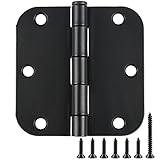
To really understand why not all garage door hinges are the same, you’ve got to break down what makes them tick. At its core, a garage door hinge is a simple piece of metal that connects the vertical sections of your garage door. It allows the door to articulate and fold as it moves along the track. Most hinges are designed with a central pivot point where the rollers of one section engage with the next, and attachment points (holes) that secure the hinge to the door panel itself. Simple, right? But the devil is in the details.
The ‘gauge’ of the steel is a important spec. This refers to the thickness of the metal. (See Also: A Box Without Hinges Key )
Higher gauge numbers mean thinner metal, while lower numbers mean thicker, stronger metal. For a standard residential garage door, you’re typically looking for hinges in the 14-gauge or 12-gauge range.
Anything thinner, like 16-gauge or 18-gauge, is often found on lighter duty applications or might be for less important sections of the door. I once replaced a bottom hinge on my own door with what I thought was a suitable replacement, only to find it was made of a much lighter gauge steel. Within a month, it was already showing signs of stress, bowing outwards. It was a stark reminder that the thickness isn’t just about durability; it’s about bearing the load.
Then there’s the hole pattern. Hinges aren’t just random; they’re designed with specific hole placements to align with the pre-drilled holes on your garage door panels. If these holes are off, even by a millimeter, you’re going to struggle to get it to sit flush. This can lead to binding in the track, uneven wear on rollers, and a generally unhappy door.
You might find hinges with two holes, three holes, or even four, depending on the section of the door and the manufacturer. Some hinges are designed to be what the manufacturers call ‘heavy-duty,’ often featuring thicker metal and sometimes reinforced pivot points.
These are important for the bottom hinges, which bear the most direct stress from the weight of the entire door, and for the center hinges on heavier doors.
Types of Hinges and Their Purpose
It’s not just about size and thickness; hinges also have specific jobs. The ones at the very bottom of your door, connecting the lowest panel to the vertical track, are usually the most solid. They take the brunt of the weight and are often referred to as ‘bottom hinges’ or ‘bottom corner brackets.’ They might look a bit different, often with a bracket extending out to anchor the track roller more securely. Moving up the door, you’ll find ‘center hinges’ or ‘intermediate hinges.’ These connect the middle sections. They are still strong but might not require the same heavy-duty construction as the bottom ones.
The hinges at the very top of the door are often called ‘top hinges.’ These are usually where the torsion spring system connects (if you have one), and they might have a slightly different design to accommodate this connection or to provide extra support at the point where the door meets the frame when closed. Finally, you have the hinges that connect two sections together in the middle. These are the most numerous and often the ones that look the most “standard.”
However, even within this category, variations exist in terms of hole patterns and the gauge of the metal. My first garage door replacement job involved swapping out a few of these middle hinges, and the sheer variety of hole spacing on the ‘standard’ hinges I found was astonishing. It forced me to meticulously measure and double-check before buying anything.
The Hidden Costs of Using the Wrong Hinges
You might think buying a cheap, generic set of hinges will save you money. I used to think that too. My wallet certainly felt lighter after I tried to cheap out on replacing a broken hinge on my old carriage house door. I grabbed a pack of what looked like the right size from a discount online retailer. They looked okay, shiny and new. But when I installed them, the door felt… wrong. It didn’t close flush, there was a gap at the bottom, and the opener seemed to be working overtime. I figured I just needed to adjust the track or something.
A few months later, the problems escalated. The new hinges started showing rust, the door began to sag noticeably on one side, and the noise it made when opening and closing was unbearable. It sounded like a haunted house door. I ended up having to buy a whole new set of proper, heavy-duty hinges (which, of course, cost more than the cheap ones plus whatever I’d already spent on the faulty set) and spent another weekend wrestling with the door, this time aligning everything correctly. The cost wasn’t just the money for the second set of hinges; it was the time, the frustration, and the wear and tear on my garage door opener, which I’m pretty sure I shortened its lifespan by about three years with that stunt. (See Also: Are Integrated Washing Machine Door Hinges Standard )
The issue with using hinges that aren’t designed for your specific door’s weight and dimensions is that they can cause uneven stress. This doesn’t just affect the hinges themselves; it can warp the panels of your garage door, damage the rollers, and put excessive strain on the torsion springs or extension springs. If you have an automatic opener, it’s going to be working harder to lift a door that’s binding or sagging due to incorrect hinges, leading to premature wear and tear on the motor and internal components. I’ve heard stories of people having to replace their entire garage door opener system because they didn’t address a simple hinge issue early on. That’s a repair bill that makes a few extra bucks for the right hinges look like pocket change.
So, Are All Garage Door Hinges the Same? My Verdict.
| Hinge Type | Typical Use | My Verdict |
|---|---|---|
| Standard Residential (e.g., 14-gauge) | Most common on lighter to mid-weight doors. Connects middle sections. | Often interchangeable if gauge and hole pattern match. BUT, always check specs. |
| Heavy-Duty (e.g., 12-gauge or thicker) | Bottom hinges, heavier doors, high-wind areas. | NOT interchangeable with standard. Key for safety and longevity. |
| Specialty (e.g., commercial, decorative) | Commercial doors, specific aesthetic designs, industrial applications. | NEVER interchangeable. Made for very specific functions. |
| Universal Fit (often a marketing term) | Advertised for broad compatibility. | Use with extreme caution. Measure everything twice. Often a compromise. |
The honest truth is, no, all garage door hinges are NOT the same. While many might look similar and even have the same general purpose, the subtle differences in material thickness (gauge), hole spacing, and overall design mean they are far from interchangeable in every situation. Think of it like buying tires for your car. You wouldn’t put truck tires on a sports car, would you? The same principle applies here. The weight of your door, the type of track system it uses, and the specific section of the door the hinge is for all dictate the correct hinge you need.
I’ve wasted money and time on cheap knock-offs and ‘one-size-fits-all’ solutions that ended up costing me more in the long run. The common advice that you can just grab any old hinge is misleading.
It’s important to identify the exact type of hinge you need. This usually involves looking for part numbers on the existing hinges, checking your garage door manufacturer’s documentation, or carefully measuring the gauge of the metal and the distance between hole centers if you’re replacing a damaged hinge. For a standard residential door, you’re likely looking for 14-gauge steel hinges for the upper and middle sections and 12-gauge or heavier for the bottom hinges. If your door is particularly heavy, like an old solid wood one, you might need even more solid options for all sections.
It’s better to pay a little more for the right part upfront than to deal with the headaches and potential damage from using the wrong one.
Common Mistakes When Replacing Hinges
One of the biggest mistakes I see people make, and one I’ve made myself, is not checking the gauge of the steel. You might have a broken hinge, and you grab a shiny new one that looks identical, but if it’s a lighter gauge, it’s just going to fail again, possibly sooner rather than later. Another common error is ignoring the hole pattern. Hinges are designed to fit specific pre-drilled holes.
If yours don’t line up perfectly, you might be tempted to force it, drill new holes, or just make do. Don’t.
Forcing a hinge can stress the garage door panel, leading to cracks or warping. Drilling new holes can weaken the panel and compromise the structural integrity of the door.
The third mistake is underestimating the importance of the bottom hinges. These take the most abuse. Replacing a bottom hinge with a standard center hinge from the same pack is a recipe for disaster.
You need the reinforced design and often thicker metal that specifically comes with a bottom hinge. Lastly, and this is a big one: don’t ignore rust or significant wear on your existing hinges. If one hinge is failing, others are likely not far behind, especially if they’re all exposed to the same environmental conditions. It’s often best to replace all hinges on a particular section, or even the entire door, if you notice widespread corrosion or damage. (See Also: Are Hinges Wheeels )
It’s a more proactive approach that saves you from future, more costly repairs.
Practical Tips for Buying and Installing
When you’re ready to buy, don’t just grab the cheapest option. Take a picture of the existing hinge, note any numbers stamped on it, and measure its thickness with a caliper if possible (or use a known object for comparison and estimate). If you have the original manual for your garage door, check it for part numbers or specifications. Many manufacturers, like Clopay, offer specific hinge kits for their doors. Websites that specialize in garage door parts are also a good resource. They often have detailed diagrams and descriptions, so you can match your old hinge to the correct replacement. Pay attention to whether the hinge is for the left or right side of the door, as some are specific.
When installing, it’s always best to work on one hinge at a time. This way, you maintain the door’s stability. Loosen the fasteners for the old hinge, remove it, install the new one, and tighten it. Then move to the next.
If you’re replacing multiple hinges, it’s a good idea to have someone help you support the door. And always, always lubricate your hinges and rollers regularly, regardless of whether you’ve replaced them.
A good spray of silicone lubricant can make a world of difference in how smoothly your door operates and can extend the life of your hardware. I’ve found that doing this about twice a year keeps things running quiet and prevents premature wear. It’s a simple habit that pays off big time.
The ‘people Also Ask’ Questions You’re Probably Wondering About
Can I Use Any Garage Door Hinge?
No, you absolutely cannot use just any garage door hinge. While they might look similar, hinges vary significantly in their gauge (thickness of the metal), hole patterns, and overall design strength. Using the wrong hinge can lead to a door that sags, binds in the track, makes excessive noise, or even fails completely, posing a safety risk. It’s key to match the hinge to your specific door’s weight, size, and manufacturer specifications to make sure proper function and longevity.
How Do I Know What Garage Door Hinge to Buy?
The best way to know what hinge to buy is to identify the part number on your existing hinge. Many hinges have this stamped on them. If not, take clear photos of the hinge, noting its position on the door (top, middle, bottom, left, right). Measure its thickness (gauge) and the distance between the screw holes. Consult your garage door manufacturer’s manual if you have it, or look for replacement parts on specialized garage door parts websites. If in doubt, contact a professional installer or parts supplier with your information.
What Is the Difference Between a Number 1 and Number 2 Garage Door Hinge?
The numbers on garage door hinges typically refer to their position and design on the door. A ‘Number 1’ hinge is usually the center hinge that connects two panels in the middle of the door, often featuring a standard hole pattern. A ‘Number 2’ hinge is typically the hinge located at the bottom of the door, designed to be more solid, often with a wider or more reinforced base to accommodate the bottom roller and handle the most direct weight. There can also be ‘Number 3’ hinges for the top sections, and sometimes specific numbers for left vs. right side hinges. Always confirm with the manufacturer’s diagram for your specific door model.
Can I Buy Garage Door Hinges at Home Depot or Lowe’s?
Yes, you can often buy common garage door hinges at large home improvement stores like Home Depot and Lowe’s. However, they typically stock a limited range of standard residential hinges, often in 14-gauge steel. If you have an older, heavier, or specialty garage door, or if you need a specific hinge number or manufacturer part, you might find their selection insufficient. For these situations, it’s often better to order directly from online retailers specializing in garage door parts, as they carry a much wider inventory.
Final Verdict
So, to answer the core question directly: no, are all garage door hinges the same? Absolutely not. It’s a simple part, but its specific design, material, and placement matter more than most DIYers realize. I’ve learned that cutting corners here leads to more expensive headaches down the line, from sagging doors to worn-out openers. It’s not just about the shiny metal; it’s about the engineering that goes into supporting the weight and movement of your garage door day in and day out.
My advice? Treat your garage door hinges like you would any other important piece of equipment. Take the time to identify exactly what you need. If you’re unsure, err on the side of caution and get the heavier-duty option if it seems appropriate for the weight of your door. Measure twice, buy once, and for goodness sake, do your research beyond the first page of search results. Your door, your sanity, and your wallet will thank you.