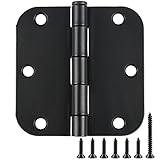
I remember the first time I wrestled with a heavy solid wood door. It was a beast, and the standard, no-name hinges I’d slapped on it groaned under the strain. They squeaked, they sagged, and eventually, one just gave up the ghost, leaving the door hanging by a thread. That’s when I started asking myself: are ball bearing hinges worth it? I’d seen them advertised, fancier and pricier, and frankly, I was skeptical. Could something as simple as a hinge really make that much difference? Turns out, yes. Yes, they absolutely can, and for more reasons than I initially gave them credit for.
It’s easy to dismiss hinges as just… hinges. They do their job, right? Well, sometimes ‘doing their job’ means barely getting by, and other times it means working so smoothly you forget they’re even there. This is where the distinction between cheap, basic hinges and something like a ball bearing hinge really shines, or frankly, doesn’t shine on the cheap ones.
Why Those Cheap Hinges Are a False Economy
Look, we’ve all been there. You’re at the hardware store, staring at a wall of identical-looking hinges. One set costs $5, the next set looks the same but costs $15, and then you see these beefy, heavier ones, maybe with a little sticker that says ‘ball bearing’, for $30.
Unless you’re building a custom masterpiece, it’s tempting to grab the $5 pack and call it a day. I’ve made that mistake more times than I care to admit, especially when I was just starting out with DIY projects.
My first few interior doors, the ones I thought ‘didn’t really matter’, all got the cheapest hinges. And surprise, surprise, within a year or two, they started showing their age. The doors would sag, making them hard to close.
They’d develop this faint but persistent squeak that drove me nuts. One particularly bad hinge on a pantry door actually snapped right at the pin, leaving the door crooked and barely attached.
I spent more time and money replacing those cheap hinges down the line than I would have spent on better ones upfront.
The problem with cheap hinges, the ones with just a simple pin and no real lubrication or support, is that they rely on basic friction. As the door swings, metal grinds against metal.
This wears down the material, creating dust and eventually looseness. Doors are heavy, and even a few pounds of weight, multiplied by thousands of swings, takes a toll. The pin can bend, the knuckles can widen, and the whole mechanism starts to fail.
It’s a slow death, but it’s a death nonetheless. You end up with doors that don’t hang straight, that stick, or that are just plain difficult to operate.
It’s like buying a car with bald tires; it’ll get you somewhere, but it’s not safe or pleasant for long.
Common advice often suggests that for interior doors, especially lighter ones, basic hinges are perfectly fine. And for some, perhaps, that’s true. If you have a lightweight hollow-core door that rarely gets used, maybe you can get away with it. But I’ve found that even for those ‘less important’ doors, the added cost of a slightly better hinge pays dividends in terms of longevity and smooth operation. You’re not just buying a hinge; you’re buying peace of mind and a smoother experience every single time you open or close that door. It’s a small investment that makes a big difference in the feel of your home. (See Also: A Box Without Hinges Key )
How Ball Bearings Actually Work (and Why It Matters)
So, what’s the big deal with ball bearings in a hinge? It’s not some fancy, over-engineered gadget. At its core, a ball bearing hinge is designed to reduce friction and distribute weight more effectively. Instead of just a metal pin sliding against metal knuckles, there are actual ball bearings sandwiched between the parts of the hinge that move against each other. Think of it like the bearings in a skateboard wheel or a car’s wheel hub. These tiny, hardened steel balls roll, allowing the metal components to glide past each other with minimal resistance.
This might sound like a small detail, but the impact is significant. When you swing a door on ball bearing hinges, it feels noticeably smoother and requires less effort.
It’s like the difference between dragging a heavy box across a rough floor and gliding it on a dolly. The weight of the door is supported by these rolling balls, not just sliding surfaces. This dramatically reduces wear and tear.
Less wear means the hinge stays tighter for longer, preventing that dreaded door sag. It also means the hinge operates much more quietly. The squeaks and groans you get from basic hinges are often the result of metal-on-metal friction. Ball bearings act as a buffer, absorbing some of that friction and noise.
I learned this firsthand when I upgraded the hinges on my garage entry door. This door is solid wood, heavy, and gets used constantly.
The old hinges, which were decent but not ball bearing, were starting to droop. I felt like I was really pushing it open and shut. After swapping them out for a set of ball bearing hinges, the difference was immediate.
The door felt lighter, swung with a silent grace, and now, a year later, it still operates as smoothly as it did on day one. It’s one of those upgrades you don’t realize you needed until you experience it, and then you wonder how you ever lived without it. The engineering is simple, but the practical benefit is huge. It’s about efficiency and longevity, plain and simple.
What to Look for: Not All Ball Bearing Hinges Are Created Equal
You’d think that if a hinge has ball bearings, it’s automatically superior, right? Well, not so fast. Just like anything else, the quality of the ball bearing hinge can vary wildly. I’ve seen some that felt like they were already on their way out of the box, and others that performed flawlessly for years. So, what should you be looking for to make sure you’re getting your money’s worth?
First off, weight and material. A good ball bearing hinge will feel substantial. Pick it up. Does it feel solid and well-made, or light and flimsy? Heavier hinges are usually made from thicker gauge steel or brass, which means they’ll hold up better under load. Cheap hinges might use thinner metal that can bend or warp. For exterior doors, especially those exposed to the elements, you’ll want to look for rust-resistant materials like stainless steel or solid brass. If you opt for coated hinges (like painted or plated), make sure the coating is even and doesn’t have any chips or imperfections. A good quality coating will prevent rust and corrosion for much longer.
Second, the smoothness of operation right out of the box. Don’t just take the manufacturer’s word for it. If you can, give the hinge a swing. Does it move freely? Are the bearings noticeable, or does it feel gritty? Sometimes, even new hinges can have rough spots. This can be due to manufacturing defects or poor quality control. I once bought a set that felt okay, but when I installed them, one of the hinges made a weird clicking sound every time the door moved. It turned out one of the bearings was misaligned. Annoying, to say the least.
Third, the screw holes. Are they cleanly drilled and countersunk? This might sound minor, but it’s a sign of attention to detail in manufacturing. Properly countersunk screw holes mean the screws will sit flush with the hinge surface, which not only looks better but also helps the hinge sit correctly against the door and frame. Poorly drilled holes can mean the hinge won’t sit flat, leading to binding and premature wear. (See Also: Are Integrated Washing Machine Door Hinges Standard )
Finally, brand reputation and warranty. While I’m not one to blindly trust brands, some manufacturers have a better track record for quality and durability. If a brand offers a decent warranty, it’s often a sign that they stand behind their product. I tend to lean towards brands that have been around for a while and have consistent positive reviews for their hardware. It’s like anything else you buy – sometimes you pay a bit more for the peace of mind that comes with a known, reliable name.
| Feature | Basic Hinge | Ball Bearing Hinge | Verdict |
|---|---|---|---|
| Friction Reduction | High (relies on sliding) | Low (rolling bearings) | Ball bearing wins for longevity |
| Wear and Tear | Significant over time | Minimal with proper use | Ball bearing wins, drastically |
| Noise Level | Prone to squeaking/groaning | Generally silent | Ball bearing wins, huge plus |
| Door Sag Prevention | Poor over time | Excellent, maintains alignment | Ball bearing wins, important for heavy doors |
| Initial Cost | Low | Moderate to High | Basic wins for budget buyers, but long-term cost is higher |
| Smoothness of Operation | Can be stiff or jerky | Consistently smooth and effortless | Ball bearing wins, noticeable daily |
Real-World Use Cases: Where Ball Bearing Hinges Shine
The obvious place where ball bearing hinges shine is for heavy doors. I’m talking about solid wood interior doors, exterior doors, garage doors, or even large cabinet doors that hold a lot of weight.
These doors put a tremendous amount of stress on their hinges. Standard hinges can warp, bend, and sag under this kind of load, leading to doors that don’t close properly, scrape the floor, or look generally unappealing. Ball bearing hinges distribute that weight much more evenly, allowing the door to swing freely and maintain its alignment for years. I installed a pair on an old, heavy oak door in my entryway, and it was like night and day.
The door, which used to stick and require a good shove, now glides open and shut with a gentle push.
Another area where they prove their worth is in high-traffic areas. Think about the doors in your kitchen, the main hallway, or even the doors to children’s bedrooms. These doors get opened and closed hundreds of times a day. The constant motion wears down standard hinges much faster.
With ball bearing hinges, that smooth, low-friction operation means the hinges last longer and continue to feel good to use, even after years of heavy use. It’s the kind of upgrade you don’t notice until it’s gone, or until you experience the alternative. The quiet operation is also a huge plus in homes, especially if you have light sleepers or work from home and need to minimize distractions. No more startling bangs or squeaks every time someone walks by.
And then there are situations where doors might bind or stick due to humidity changes or slight settling of the house. A standard hinge, once it starts to loosen up, can exacerbate these problems.
The slight play in the hinge allows the door to shift and rub more easily. Ball bearing hinges, because they maintain their tightness and alignment better, can actually help mitigate some of these issues.
The door stays truer to its intended path, reducing the likelihood of sticking or binding. It’s not a magic fix for a warped frame, but it certainly helps a door perform optimally for longer. Even for something like a shed door or a workshop door, where durability and ease of use are most important, ball bearing hinges are a smart choice. They withstand the elements better and make operating the door less of a chore, especially when your hands are full.
Common Mistakes People Make (and How to Avoid Them)
One of the most common mistakes I see people make is assuming that all ball bearing hinges are created equal. As I mentioned, quality varies. Buying the cheapest ‘ball bearing’ option you can find is often a recipe for disappointment. They might have ball bearings, but if they’re made of cheap, soft metal or assembled poorly, they won’t perform any better than a good quality standard hinge, and might even be worse. Always check reviews, feel the weight, and inspect the finish. Don’t let the word ‘ball bearing’ blind you to poor craftsmanship.
Another mistake is not getting the right type of hinge for the job. For exterior doors, you absolutely need corrosion-resistant materials like stainless steel or solid brass. Using standard steel hinges on an exterior door is just asking for rust and premature failure, regardless of whether they have ball bearings. Even if they are ‘ball bearing’, if they rust shut, they’re useless. For interior doors, you have more flexibility, but always match the hinge size and weight capacity to the door. A tiny hinge on a heavy door will fail, ball bearings or not. Always check the manufacturer’s recommendations for door weight and size. (See Also: Are Hinges Wheeels )
Over-tightening screws is another classic blunder. When installing hinges, especially on softer wood, people sometimes crank down the screws too hard. This can strip the screw holes, crack the wood, or even warp the hinge itself, preventing it from operating smoothly. You want the hinge to be snug and secure, but not so tight that you’re distorting the metal or the mounting surface. Gentle, even tightening is key. If you’re screwing into a softer wood, consider using longer screws or even drilling pilot holes slightly larger than the screw threads to prevent stripping. Also, make sure the hinge leaf is sitting perfectly flush against the door and frame before you tighten the screws.
Finally, and this is a big one, not replacing all the hinges on a door at once. If one hinge is failing, chances are the others are not far behind, especially if they are all the same age and brand. Replacing just one sagging hinge might make the door look a little better initially, but the underlying problem of worn-out hardware remains. You end up with uneven stress on the remaining hinges, and the door will likely continue to sag or bind.
For the best results and to make sure your door hangs perfectly straight, always replace all the hinges on a door as a set. It’s a small effort that guarantees a much better outcome and a door that operates as it should.
Are Ball Bearing Hinges Worth It? My Honest Verdict
After years of battling with cheap, squeaky, sagging doors, my answer is a resounding yes, ball bearing hinges are absolutely worth it, especially for most doors in your home. I used to be a skeptic, thinking it was just marketing hype for a pricier product. But the reality is, the difference they make in the feel, sound, and longevity of your doors is undeniable. They’re not just a minor upgrade; they’re a foundational element of a well-functioning home. The smooth, quiet operation, the reduced wear and tear, and the superior ability to support heavy doors make them a worthwhile investment for nearly any application.
Think about it this way: you probably don’t think twice about buying decent quality door knobs or locks, because you interact with them constantly and their function is obvious. Hinges are the same, but they work silently in the background. When they work well, you don’t notice them. When they don’t, they become a constant annoyance. The slight extra cost upfront for good ball bearing hinges saves you the hassle and frustration of dealing with failing standard hinges down the line. It’s about long-term value and a better everyday experience in your own home. For me, the peace of mind and the smooth operation are well worth the premium.
People Also Ask
How Many Hinges Do I Need for a 30-Inch Door?
For most standard interior doors up to about 36 inches wide and 80 inches tall, you’ll typically need three hinges. This is true whether you’re using standard butt hinges or ball bearing hinges. The extra hinge in the middle helps to distribute the weight and prevent sagging, especially if the door is on the heavier side or experiences frequent use. Always check the manufacturer’s recommendations for the specific door and hinges you are using, as very heavy or oversized doors might require more.
Can I Mix Different Types of Hinges on a Door?
While you can technically mix different types of hinges on a door, it is strongly discouraged. Using a mix of standard and ball bearing hinges, or even hinges of different brands or sizes, can lead to uneven stress distribution. This can cause the door to sag, bind, or not close properly. The hinges are designed to work together as a set to provide uniform support. It’s always best to use three identical hinges of the same type, size, and weight rating for optimal performance and longevity.
Do Ball Bearing Hinges Need Lubrication?
One of the major advantages of quality ball bearing hinges is that they are typically sealed and require very little to no lubrication after installation. The ball bearings themselves are usually made of hardened steel and are designed for low friction movement. Unlike simple pin hinges that can dry out and squeak, ball bearing hinges maintain their smooth operation for a very long time without intervention. If you ever do notice a slight stiffness, a tiny drop of light machine oil or a silicone-based lubricant applied sparingly to the bearing area might help, but this is rarely necessary with good quality hinges.
What Is the Difference Between Standard and Ball Bearing Hinges?
The primary difference lies in how they reduce friction and support weight. Standard hinges (also called butt hinges) rely on a metal pin sliding within the knuckles of the hinge leaves. This creates friction and leads to wear over time, often resulting in squeaking and sagging. Ball bearing hinges incorporate a set of ball bearings between the hinge knuckles. These bearings roll as the door opens and closes, significantly reducing friction, wear, and noise. This makes them smoother, quieter, and more durable, especially for heavier doors or high-traffic areas.
Verdict
So, to circle back to the big question: are ball bearing hinges worth it? For me, the answer is a definite yes. They offer a tangible improvement in how your doors feel and function, from the moment you install them to years down the line. While they might cost a bit more upfront, the benefits in terms of smooth operation, reduced noise, and increased lifespan make them a smart, long-term investment for any homeowner who values quality and durability.
If you’re renovating, building new, or just tired of wrestling with a sagging, squeaky door, consider making the switch. You don’t need to be an expert carpenter to swap out hinges; it’s a straightforward DIY task that can dramatically improve the feel of your home. Don’t underestimate the power of a good hinge.
Before you go out and buy, remember to check the material, the build quality, and the specs to make sure you’re getting the best value. It’s not about buying the most expensive hinge, but the right hinge for the job, with the added benefit of those smooth-running ball bearings.