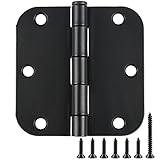
I remember staring at a brand-new, custom-built shaker cabinet door, feeling a knot in my stomach. The cheap, generic hinges I’d slapped on were already sagging, the door looked crooked, and I knew I’d messed up. This was my wake-up call to the world of hardware, and it led me down a rabbit hole researching brands like Brusso. So, are Brusso hinges worth the money? I’m going to tell you straight up, after wrestling with my fair share of hardware nightmares, that the answer isn’t a simple yes or no.
It’s about understanding what you’re paying for and whether those premium features actually translate into a better experience for you. Forget the marketing fluff; let’s talk about what actually happens when you install and use these things.
Brusso Hinges: What’s the Big Deal Anyway?
Look, when you’re building or renovating, there are a million places to cut corners. Often, the hinges are one of the first things to get the axe.
You grab a pack of whatever’s cheapest at the big box store, slap ’em on, and think you’re good. I’ve been there. My first attempts at building furniture involved hinges that felt like they were made of melted butter – wobbly, imprecise, and utterly depressing. Then I stumbled upon Brusso.
They aren’t just hinges; they’re advertised as precision-engineered pieces of hardware designed for furniture makers who demand the absolute best. The price tag certainly reflects that. We’re talking significantly more than your average cabinet hinge, often by a factor of five or ten. So, what’s with the sticker shock?
It boils down to materials, manufacturing tolerances, and design.
Brusso hinges are typically made from solid brass, often with a thick plating. Brass, unlike steel, doesn’t rust easily, which is a huge plus for longevity, especially in kitchens or bathrooms. More importantly, the manufacturing process is where the magic – and the cost – really happens.
They’re machined to incredibly tight tolerances. This means that when you open and close a cabinet door with Brusso hinges, there’s virtually no play, no wobble. The action is smooth, deliberate, and feels substantial. This is particularly important for fine furniture, display cabinets, or any piece where the quality of every single component needs to be evident.
I remember installing a set on a walnut jewelry box I made. The door felt like it was floating on air, closing with a satisfying, soft click. It was a world away from the clunky, scraping sound of lesser hinges.
The design itself is often more refined, too. Think about overlay vs. inset. Brusso offers a range of styles, including the popular European concealed hinges (often called Blum-style, though Brusso has its own versions and variations), as well as more traditional butt hinges and decorative overlay hinges. The concealed hinges are particularly clever. They hide almost entirely within the cabinet box, offering a clean, modern look. This hides the mechanics and lets the beauty of the wood or the door front take center stage. For someone who agonizes over the aesthetics of a piece, this level of detail is what separates amateur work from professional-grade craftsmanship. The difference is palpable, and for many, that’s exactly what they’re paying for.
The Devil’s in the Details: What to Look For
When you’re shelling out for premium hardware like Brusso hinges, you need to know what you’re actually getting for your money. It’s not just about the name; it’s about the specific features that make them stand out. First off, material is key.
As I mentioned, solid brass is a big one. It feels heavier, it won’t corrode like plated steel in humid environments, and it just screams quality. Don’t be fooled by cheap brass plating over base metal; if it’s the real deal, it will feel substantial in your hand and hold up over time. Brusso generally uses good quality brass, and you can often tell by the heft and the finish.
Some of their higher-end hinges even use stainless steel for certain components, which adds to durability and corrosion resistance.
Next, consider the type of hinge and its application. Are you building a modern European-style kitchen with flat-panel doors? Then you’ll likely be looking at concealed (or ‘Euro’) hinges.
These are designed to be mortised into the cabinet door and frame, providing a clean, minimalist look. The adjustment screws on these are what make them so valuable – you can tweak the door’s position in three dimensions (up/down, left/right, in/out) with incredible precision. This means you can get those tiny, uniform gaps between doors that look so professional.
I spent about two hours adjusting a set of cheap concealed hinges once, trying to get my cabinet doors to align. With good quality ones, it took me about twenty minutes. (See Also: A Box Without Hinges Key )
That time saved, plus the frustration avoided, is part of the value.
For more traditional cabinetry or furniture, you might be looking at decorative butt hinges or specialized hinges like lift-off or barrel hinges. Brusso offers these too, and again, the difference is in the machining and the smooth operation.
They often come with pre-drilled holes for screws, which is a small but appreciated detail. Always check the specifications for the load rating. A heavy solid wood door needs a stronger hinge than a lightweight pantry door. Brusso often provides these specs, which is more than you can say for many generic brands.
The finish is another important factor. Do you want polished nickel, antique brass, oil-rubbed bronze? Brusso offers a variety of finishes, but the quality of the plating matters. Look for finishes that are durable and won’t chip or wear off easily after a few years of opening and closing.
I once had a set of “oil-rubbed bronze” hinges that started looking like patchy grey metal after about eighteen months. That was a hard lesson in the importance of finish quality.
Common Mistakes and Why They Happen
When people ask me if Brusso hinges are worth the money, I often find myself talking about the mistakes they’re trying to avoid. The biggest one? Buying cheap hardware for a project where it really matters. I’ve seen folks spend thousands on custom cabinetry or a beautiful slab of hardwood for a tabletop, only to ruin the aesthetic and functionality with subpar hinges.
It’s like buying a Ferrari and putting bicycle tires on it. It just doesn’t make sense. You end up with doors that sag, don’t close properly, or worse, start to chip away at the surrounding wood due to excessive play.
My own first-hand mistake was on a built-in bookshelf. I used generic, unbranded hinges, and within a year, the upper shelves were visibly drooping.
I had to replace them with something sturdier, which cost me more in the long run and added a ton of frustration.
Another common error is not selecting the right type of hinge for the job. People see a fancy hinge and assume it will work everywhere. But a hinge designed for a lightweight interior door won’t cut it for a heavy exterior gate, and a concealed hinge requires specific door and frame preparations that a simple butt hinge doesn’t.
For example, if you’re doing inset doors (where the door sits flush inside the cabinet opening), you need specific inset hinges, and the alignment has to be perfect. Using overlay hinges for an inset application will just look wrong and function poorly.
It’s about matching the hinge’s capabilities to the door’s weight, swing, and desired aesthetic. You also need to consider the ‘reveal’ – the gap between the door and the cabinet frame. Some hinges offer more adjustability for this than others. Brusso’s European-style hinges, for instance, excel at this fine-tuning.
Over-tightening screws is another sneaky mistake. While Brusso hinges are solid, cranking down on the screws can strip the threads in the metal or, worse, damage the wood. Especially with softer woods or particle board, you need to be gentle. The goal is to secure the hinge firmly without crushing the material.
For concealed hinges, the adjustment screws are designed for fine-tuning, not for forcing the door into place. If you’re struggling to get a door aligned using the adjustment screws, it usually means the initial mounting was off.
This is where precise installation really pays off. I’ve learned to use a torque-limiting screwdriver for important hardware, or at least to stop when I feel significant resistance. (See Also: Are Integrated Washing Machine Door Hinges Standard )
It’s a small detail that saves a lot of headaches and preserves the integrity of both the hardware and the furniture.
Real-World Use: Do They Hold Up?
I’ve had Brusso hinges on a few projects now, and the real test is always time. My first experience was with a set of Brusso Euro-style concealed hinges on a kitchen cabinet refacing project about four years ago. The old cabinets were particle board with laminate, and I wanted a clean, modern look. The doors were solid maple, which have a decent amount of weight.
I agonized over the cost, but I’m happy to report they’ve held up beautifully. The doors still swing smoothly, they close with that satisfying soft-close action (I opted for models with integrated dampening), and the alignment hasn’t shifted one bit. The finish is still pristine, no signs of wear or corrosion, even with the steam and grease that inevitably come with cooking.
Then there was the walnut barrister bookcase I built for my office. This was a more traditional piece, and I used Brusso’s solid brass quadrille hinges. These are decorative butt hinges with an ornate pattern.
They’re not concealed, so the appearance is most important. The heft of these hinges is impressive.
They feel substantial, and the action is incredibly smooth. The doors, which are glass-fronted and pretty heavy with the solid wood frames, swing perfectly. There’s no sag, no creaking, just a solid, deliberate movement.
It’s the kind of detail that makes you pause and appreciate the craftsmanship, both yours and the hardware’s. I’ve had this bookcase for about three years now, and the hinges look and function exactly as they did on day one.
The solid brass has developed a lovely patina, which I actually quite like, but there’s no sign of degradation.
Contrast this with a recent project where I tried a slightly less expensive (but still reputable) brand of Euro hinges for a different set of cabinets. They were okay, but the adjustment range wasn’t as generous, and the soft-close wasn’t quite as smooth. They definitely don’t feel as ‘beefy’ as the Brusso ones.
It’s a subtle difference, but for someone who works with wood and hardware regularly, it’s noticeable. So, do they hold up? In my experience, yes.
The premium price seems to translate into better materials, tighter manufacturing, and ultimately, hardware that performs reliably and gracefully over many years. It’s an investment in the longevity and aesthetic appeal of your project. I’ve found that when you buy quality hardware, you tend to buy it once.
A Contrarian View: When Less Might Be More
Now, here’s where I might step on some toes. Everyone raves about Brusso, and for good reason, but I think for a lot of everyday projects, they are simply overkill.
I disagree with the notion that every cabinet or furniture piece needs Brusso hinges. My contrarian take is this: you’re often paying a premium for tolerances and smoothness that the average user simply won’t appreciate or even notice. Think about your average kitchen cabinet. How often do you really scrutinize the hinge action?
Most people just want the door to open and close. If a good quality, well-adjusted set of Blum, Salice, or even some of the better-made generic hinges from a reputable cabinet hardware supplier does the job smoothly and reliably for under $10 a pair, is it worth spending $30-$50 per hinge on Brusso?
For a piece of heirloom furniture that will be passed down for generations, or a display cabinet where every millimeter of alignment and every subtle movement matters, then yes, absolutely. For my own high-end custom work, I often reach for them. But for a simple utility cabinet in the garage, a workbench, or even a standard kitchen cabinet where you’re not aiming for magazine-cover perfection, the cost-benefit analysis just doesn’t add up. (See Also: Are Hinges Wheeels )
You can get fantastic functionality and durability from brands that are a fraction of the price. The perceived difference in quality is often marginal for the casual observer.
I’ve had friends come over, admire my woodworking, and then ask about the hardware. They’re usually surprised to hear I sometimes use less expensive, but still good quality, hinges on certain projects. They honestly can’t tell the difference just by looking or using them.
My advice? Be honest with yourself about the project’s demands and your own aesthetic standards. If you’re a hobbyist who enjoys the finer details and can afford it, then by all means, indulge. The tactile feedback and sheer engineering beauty of a perfectly machined hinge are satisfying. But if your goal is simply to have cabinets that function well and look decent without breaking the bank, there are plenty of excellent alternatives that will serve you just as effectively. Don’t let the hype for ultra-premium hardware make you overspend on projects where it won’t truly enhance the final outcome or your enjoyment of it. Sometimes, a really good $8 hinge is all you need.
Practical Tips for Buying and Installing
So, you’ve decided you want to go the Brusso route, or at least explore high-quality hinges. Here’s what I’ve learned. First, buy from reputable dealers. Brusso is sold through specialized woodworking supply stores, some high-end cabinet hardware sites, and, of course, Amazon. Be wary of deals that seem too good to be true on marketplaces; counterfeits exist, and you don’t want to pay Brusso prices for something inferior. Always check the seller’s reviews and look for authorized distributors if possible. I like to buy from woodworking-specific suppliers because they often have knowledgeable staff who can help you select the right type of hinge for your project. They also tend to stock the full range of Brusso products.
When ordering, pay close attention to the hinge type, opening angle, and mounting style. For Euro hinges, you’ll need to know if you’re using face frame or frameless cabinets, and what the door overlay needs to be. Brusso’s website and product listings are generally quite detailed, but it’s worth double-checking.
Don’t be afraid to buy a few extra screws if they’re not included; sometimes the included screws are a bit short for thicker doors. As for installation, precision is most important. Use a good quality drill bit for any pilot holes, and a template if you’re installing multiple hinges of the same type.
For concealed hinges, a jig can save you a massive amount of time and make sure perfect placement. I’ve invested in a few jigs over the years, and they’ve paid for themselves in saved sanity and better results.
For butt hinges, a marking knife and a router plane can help you achieve perfectly flush mortises, which makes a huge difference to the final look.
Here’s a quick comparison table I’ve put together based on my experience with different hinge types and brands, including Brusso.
| Hinge Type/Brand | Typical Price Range (per pair) | Pros | Cons | My Verdict |
|---|---|---|---|---|
| Generic Steel Butt Hinges | $2 – $10 | Cheap, widely available. | Prone to rust, imprecise, flimsy feel, poor load capacity. | Okay for utility boxes, sheds, or very light-duty applications where aesthetics/functionality aren’t key. |
| Good Quality Euro Hinges (e.g., Blum, Salice, Mepla) | $8 – $25 | Excellent adjustability, smooth action, good soft-close options, clean look. | Can still vary in quality, some models are pricey. Requires precise mortising. | The sweet spot for most kitchen and bath cabinets. Great balance of performance and price. |
| Brusso Concealed (Euro-Style) Hinges | $15 – $40+ | Exceptional precision, very smooth operation, premium feel, durable finishes, excellent adjustability. | Expensive. Overkill for many projects. | Worth it for high-end custom cabinetry, furniture, or when absolute perfection is required. |
| Brusso Decorative Butt Hinges (Solid Brass) | $20 – $75+ | Beautiful aesthetics, substantial feel, smooth operation, excellent durability, wide range of styles. | Very expensive. Requires precise mortising. | Ideal for fine furniture, display cabinets, or anywhere the hinge itself is a design element. |
People Also Ask:
What Is the Difference Between Brusso and Blum Hinges?
Blum is a massive, well-established brand known for its clever European-style concealed hinges, often found in mass-produced cabinetry. Brusso also offers concealed hinges but is generally considered more of a premium, artisanal hardware maker, often favored by fine furniture makers. While both offer excellent quality and adjustability, Brusso is typically positioned at a higher price point and may have a more custom feel. Blum is more about widespread availability and solid, efficient solutions for a broad market.
What Are the Best Hinges for Shaker Cabinets?
For shaker cabinets, the choice often depends on whether you want concealed or exposed hinges. Concealed European-style hinges (like Blum, Salice, or Brusso’s Euro models) offer a clean, modern look with excellent adjustability, ideal for a minimalist shaker style. If you prefer the look of exposed hinges, decorative butt hinges or barrel hinges in styles that complement the shaker aesthetic can also work well. Make sure the hinge’s strength matches the door’s weight and that the finish complements your cabinet hardware and overall design.
Are Brusso Hinges Made in the USA?
While Brusso is a well-respected American company, their manufacturing origins can be a bit nuanced. Historically, Brusso has emphasized precision engineering and quality control, often sourcing components globally to meet their exacting standards while maintaining assembly and finishing in the United States. It’s always best to check the specific product packaging or Brusso’s official documentation for the most current manufacturing origin details of a particular hinge, as this can sometimes change.
Final Thoughts
So, are Brusso hinges worth the money? For the right project, absolutely. If you’re building a piece of furniture that you want to last for generations, or a kitchen where every detail needs to be perfect, the precision, durability, and aesthetic appeal of Brusso hardware can be a worthwhile investment. The smooth action, solid materials, and flawless finish make a tangible difference in how a piece feels and functions. It’s the kind of hardware that makes you feel good every time you open a door.
However, if you’re working on a more utilitarian project, a budget build, or simply don’t need that ultra-premium level of refinement, there are plenty of other excellent, more affordable options available that will still provide great performance. Don’t feel pressured to buy the most expensive hardware if it doesn’t align with your project’s needs or your budget. The key is understanding what you gain with a premium product and deciding if that gain justifies the cost for your specific situation.
My final word on whether are Brusso hinges worth the money is this: they are a luxury, not a necessity for everyone. Choose wisely based on your project, your skill, and your wallet.