I remember the first time I bought a condo. I thought, ‘Great, I own this! I can do whatever I want.’ Then came the HOA meeting about the hallway paint color. My excitement took a nosedive. It got me thinking about what I really own, and specifically, are door locks part of condo owner responsibilities or just another HOA headache. Turns out, it’s a bit of both, and nobody really spells it out until you’re staring at a faulty deadbolt and a bill you weren’t expecting.
The common assumption is that if it’s inside your unit, it’s yours. But condo living is a whole different ballgame than a detached house. The lines can get blurrier than a cheap watercolor painting, especially when it comes to things that affect the building’s exterior or shared access points. Let’s cut through the fluff.
The Actual Condo Owner’s Lock Boundaries
Okay, let’s get straight to it. When you buy a condo, you’re buying the ‘airspace’ within your unit’s walls, the interior surfaces, and all the fixtures inside those walls.
This generally means the inner workings of your door, including the doorknob and the deadbolt mechanism itself, are your responsibility. Think of it this way: if it’s something you’d typically fix or replace in a house you own outright, and it’s located within your unit’s boundaries, it’s probably on you.
This includes the lock cylinder, the strike plate inside your door frame, and any interior hardware. I learned this the hard way when my original deadbolt started sticking. I fiddled with it for a week, spraying WD-40 like a madman, before calling a locksmith.
He took one look and said, ‘Yeah, this is your unit’s lock, pal. It’s on you.’ Cost me about $150 for a simple replacement, which felt a bit steep, but it was a lesson learned.
However, here’s where it gets murky: the exterior of your door. Often, the actual door slab itself, and any hardware that’s visible from the common hallway or exterior, might fall under the association’s purview. This can include the door’s finish, any external decorative elements, and sometimes even the main locking mechanism if it’s a master key system or tied into the building’s security. The reasoning? It’s about maintaining a uniform appearance and making sure building-wide security protocols aren’t compromised. Imagine if everyone in the building decided to install a bright neon pink smart lock on their front door – it would look like a circus. The association usually wants to maintain a consistent aesthetic and security standard.
So, are door locks part of condo owner’s ownership? For the most part, the operational components that allow you to lock and open your door from the inside and secure your personal space, yes. But the overarching door structure and its exterior presentation? That’s often a shared responsibility or falls entirely to the HOA. It’s always best to check your specific condo association’s CC&Rs (Covenants, Conditions & Restrictions). These documents are the bible for condo living and will detail exactly what’s yours and what’s theirs. Don’t assume; read the fine print. It’ll save you headaches and unexpected costs down the line.
What ‘yours’ Actually Means: The Nitty-Gritty
Let’s break down what ‘your responsibility’ usually entails for condo door locks. It boils down to the functional parts that allow you to secure your private living space.
This includes the deadbolt mechanism, the latch bolt, the cylinder, and all the screws and plates that hold them in place within your door and frame. If your key won’t turn, or the bolt won’t retract smoothly, that’s typically your ballgame.
I once had a tenant who managed to lose the key to their deadbolt three times in six months. Each time, it was a $75 service call just to get them a new key cut from the cylinder, plus the cost of a locksmith if they needed a re-key.
That’s a significant out-of-pocket expense that a homeowner in a detached house might handle differently, perhaps by having spare keys made themselves for a few bucks. (See Also: Are There Different Size Holes For Installing Door Locks )
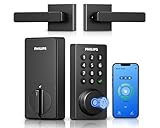
This also extends to any upgrades or changes you want to make to the interior locking hardware. Thinking of installing a smart lock? Fancy a high-security deadbolt?
Generally, you can do that, but with a catch. You’ll need to make sure it doesn’t interfere with the building’s master key system (if there is one) and that it meets any aesthetic requirements for the exterior hardware.
Some associations are stricter than others. My first condo allowed me to install a sleek, black smart lock, but the exterior thumbturn had to be brushed nickel to match the building’s common area hardware. It’s a balance between personal preference and community standards. You’re not just buying a box; you’re buying into a community with rules.
My personal experience with smart locks in a condo was a mixed bag. The convenience was undeniable – no more fumbling for keys when carrying groceries, and the ability to grant temporary access to a dog walker.
However, the installation required careful consideration of the exterior plate, and I had to get HOA approval, which took about three weeks. The initial cost was around $250, plus $100 for professional installation to make sure everything was perfect and wouldn’t void any warranties or violate the CC&Rs. When the battery died unexpectedly one night, and I was locked out for a good 20 minutes while scrambling for my backup physical key, I had a moment of ‘why did I do this?’
It’s a trade-off: convenience versus potential complication. Always have a backup plan, and understand that even ‘your’ locks might have association-mandated limitations.
My First Condo Lock Fiasco
The absolute worst was my very first condo. I was so proud of my little place, and I wanted it to be perfect. The builder-grade lock on the front door felt flimsy, so I decided to upgrade to a ‘heavy-duty’ deadbolt. I bought it myself, thinking it would be a simple screw-in job.
Nope. Turns out, the hole in the door wasn’t perfectly aligned with the new, thicker bolt mechanism. I spent three hours drilling, filing, and hammering, getting increasingly frustrated and covered in sawdust.
Finally, I managed to get it in, but the door wouldn’t close properly anymore without a good shove. The next day, I had to call a handyman who, with a few precise adjustments and a shim I never would have thought of, fixed it in 15 minutes. He charged me $120.
I learned that day that ‘DIY’ sometimes means ‘pay someone more later because you messed it up.’
When the Association Takes Over
There are certain situations where the condo association is explicitly responsible for door locks, or at least parts of them. The most common scenario is related to building security. If your condo has a centralized entry system, a master key system that allows management to access all units in emergencies (like a fire or flood), or electronic key fobs for common areas that are integrated with your unit door, those components are almost certainly the association’s responsibility. This makes sense; they need to maintain control over building-wide security and access. Imagine the chaos if each owner could reprogram the master lock – it would be a security nightmare. (See Also: Are Sesame Seeds Kosher For Passoveris Pollock Kosher )
Another area where the association often steps in is the physical door itself, especially if it’s an exterior door that’s part of the building’s facade. This includes the door slab, its hinges, and sometimes the frame. If the door is damaged (say, by a break-in attempt or severe weather), the association will usually handle the replacement. They also dictate the style, color, and material of these doors to maintain a consistent look throughout the property. This is why you can’t just paint your front door a wild color or swap it out for a Dutch door, even if you technically own the ‘airspace’ behind it. It’s part of the overall aesthetic and structural integrity of the building.
I’ve seen condo communities where the association even mandates the type of deadbolt allowed, requiring owners to purchase a specific model from a designated supplier. This is usually for security consistency, especially in buildings with high crime rates or complex access systems. While it can feel like an imposition, it’s often done to make sure a certain baseline of security for everyone.
My friend in a high-rise downtown had to get a specific brand of smart lock that was compatible with the building’s integrated security network. The cost was around $400, and they had to use the association’s approved installer. It was expensive, but it made sure that if there was ever a security breach or emergency requiring building-wide access, the system would work as intended.
This is a key difference: your personal security is your job, but the building’s collective security is the association’s.
Common Mistakes and How to Avoid Them
One of the biggest mistakes people make is assuming their homeowner’s insurance or renter’s insurance (if applicable) will cover lock issues. While it might cover damage resulting from a break-in, it rarely covers routine wear and tear, lost keys, or upgrades. I once had a pipe burst in my unit, and the water damage was immense. My insurance covered the repairs to the walls and flooring, but when I asked about the damaged lock mechanism on my exterior door, they just said, ‘That’s a building maintenance issue, not a casualty loss.’ So, be prepared to budget for lock maintenance and replacements out-of-pocket. It’s not a glamorous expense, but it’s a necessary one for peace of mind.
Another common pitfall is not reading your CC&Rs. I cannot stress this enough. These documents are your roadmap to condo living.
They will explicitly state what is the owner’s responsibility and what is the association’s. Ignoring them can lead to fines, forced repairs, or disputes. For example, if you decide to install a fancy new lock without HOA approval and it doesn’t meet their standards, they can make you remove it and reinstall the original one at your own expense.
I’ve seen it happen. A neighbor decided to put a decorative antique lock on their door, thinking it looked cool. The association sent a notice, and they had to swap it out for a standard brushed nickel deadbolt.
It wasn’t worth the aesthetic appeal for them in the end.
Here’s a contrarian take: everyone says ‘get a smart lock for convenience.’ I disagree, especially for your primary lock, if your HOA has strict rules or you’re not tech-savvy. While convenient, they add another layer of complexity and a potential point of failure (dead batteries, Wi-Fi issues, software glitches). For a condo, where you might have shared access systems or strict aesthetic rules, a high-quality, traditional deadbolt from a reputable brand that meets HOA specs can be far more reliable and less problematic. I’ve heard too many stories of people getting locked out of their own units because their smart lock malfunctioned. Stick with what’s proven and approved unless you’re willing to deal with the troubleshooting.
Finally, don’t cheap out on your locks. A cheap deadbolt can be bypassed in seconds. Invest in a good quality deadbolt with a good security rating (like ANSI Grade 1 or 2). While the association might mandate a certain look, within those parameters, choose the best performing hardware you can find. It’s not just about keeping people out; it’s about feeling secure in your own home. The difference in feel and security between a cheap lock and a solid one is palpable. The weight of it, the smooth action of the bolt – it all adds up to a sense of safety. (See Also: Are Sliding Door Locks Common )
| Component | Likely Owner Responsibility | Likely HOA Responsibility | My Verdict |
|---|---|---|---|
| Interior Doorknob | Yes | No | Yours to upgrade or replace. |
| Deadbolt Mechanism (interior) | Yes | No | Your primary security, your cost. |
| Lock Cylinder & Key | Yes | No (unless part of master system) | Keep spares, re-key when needed. |
| Exterior Door Slab | No (usually) | Yes (for maintenance/replacement) | HOA handles look and structure. |
| Exterior Lock Hardware (visible) | Maybe (depends on HOA) | Maybe (depends on HOA) | Check CC&Rs religiously! |
| Master Key System Integration | No | Yes | HOA’s domain for building security. |
Practical Tips for Condo Lock Ownership
First off, get a copy of your condo association’s CC&Rs and read them thoroughly. Seriously. Highlight the sections that talk about exterior modifications, unit maintenance, and common areas. If you can’t find it, ask the management office for clarification. It’s better to ask a dumb question upfront than to face a hefty fine later. Pay attention to any specific brands or types of locks they recommend or require. My neighbor had to replace a perfectly good smart lock because it wasn’t on the HOA’s approved list, which was a costly lesson for him. Always get written approval for any significant changes to your exterior door hardware.
Secondly, maintain your locks. Even if they’re your responsibility, keeping them in good working order can prevent bigger problems. Lubricate deadbolts periodically with graphite-based lubricant (never oil, it attracts dust!). Test your locks regularly to make sure they operate smoothly. If you notice any sticking or looseness, address it immediately. A minor adjustment now can save you from a lockout situation or an emergency locksmith call later. I make it a point to test my deadbolt and latch every six months, just a quick twist and click, to make sure it’s still working perfectly.
Third, have a backup plan. Whether you go with a smart lock or a traditional deadbolt, always have a physical key hidden somewhere safe (not under the mat!) or with a trusted neighbor or family member. If your smart lock’s battery dies, or your high-tech system malfunctions, that physical key is your lifeline. For smart locks, set reminders to check battery levels frequently. Many have apps that will alert you, but don’t rely solely on those. A dead battery can turn a convenient entry into a frustrating lockout in seconds. I keep a spare key with my sister who lives across town, and she has one of mine too. It’s a simple, low-tech solution to a potentially high-tech problem.
Lastly, consider a double-cylinder deadbolt if your association allows it. This is a deadbolt that requires a key to operate from both the inside and the outside. While it might seem like overkill, it can significantly deter ‘kicking-in’ a door, as there’s no knob on the inside to push. However, and this is a big ‘however,’ it can be a fire hazard if you need to exit quickly. Always check with your local fire department and your HOA before installing one. Some jurisdictions have specific regulations regarding double-cylinder deadbolts due to fire safety concerns. For many condo dwellers, a single-cylinder deadbolt is the safer, more practical choice, especially if quick egress is a priority.
People Also Ask Section
Who Is Responsible for Repairing a Condo Door Lock?
Generally, the condo owner is responsible for repairing the internal mechanisms of their door lock, including the deadbolt and doorknob. This covers components that allow you to secure your private living space. However, the condo association typically handles the maintenance and replacement of the exterior door slab, frame, and hinges. If the lock is part of a building-wide master key system, the association will also manage that. Always consult your CC&Rs for the definitive answer.
Can I Change the Locks on My Condo Door?
Yes, you can usually change the locks on your condo door, but it’s often conditional. You’ll need to make sure the new locks don’t interfere with the building’s master key system and that any exterior hardware meets the association’s aesthetic standards. It’s highly recommended to get written approval from your HOA or management company before making any changes to make sure compliance and avoid potential fines or remediation costs.
What Is the Difference Between Condo Owner and Hoa for Door Locks?
The condo owner is responsible for the functional hardware of the lock that secures their private unit, like the deadbolt mechanism. The HOA (Homeowners Association) is typically responsible for the structural exterior of the door and any systems that affect building-wide security or appearance, such as a master key system or maintaining a uniform look across all unit doors. Your CC&Rs will define these boundaries precisely.
Do I Need Hoa Approval for a Smart Lock?
In most cases, yes, you will need HOA approval for a smart lock. This is because smart locks often have external components that are visible from the hallway and might not match the building’s aesthetic. Additionally, some associations have rules about electronic devices or require compatibility with existing security systems. Always submit a request for approval with details about the model and installation plan.
Conclusion
So, to circle back on whether door locks are part of condo owner responsibilities: the operational parts that let you lock your unit are typically yours to maintain and replace. But the big picture – the door itself, its exterior look, and anything tied into building-wide security – that’s often the association’s domain. It’s a partnership, and understanding your role is key.
Don’t let confusion about are door locks part of condo owner issues catch you off guard. Grab those CC&Rs, talk to your management, and make smart choices about maintaining your unit’s security. It’s not always straightforward, but with a little research, you can make sure your condo is both secure and compliant.
Before you even think about a new lock, do this one thing: read section 7.B.iii of your CC&Rs. That’s where the real answers usually hide, buried in legalese, but vital for your peace of mind.