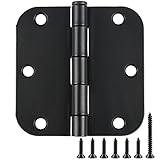
I remember staring at a pile of shiny new hinges, ready to finally get that old shed door working right. I’d spent a small fortune, convinced these were the hinges. Turns out, they were completely wrong. That frustrating afternoon is why I want to cut straight to the chase: are exterior door hinges universal? The simple, frustrating answer is usually no, not without some important checks.
If you’re hoping for a simple grab-and-go solution, you’re likely setting yourself up for a trip back to the hardware store. I’ve learned this the hard way, and I’m here to share what actually matters so you don’t waste your time or money trying to figure out if exterior door hinges are universal.
Hinge Anatomy: Why Size and Screw Holes Are King
Let’s get down to brass tacks. When you look at an exterior door hinge, what do you see? Probably a flat metal plate with some holes and a pin in the middle. Sounds simple, right? But that simplicity is where the confusion around ‘universal’ hinges comes in. The core issue isn’t usually the basic shape, but the finer details: the exact dimensions, the number and placement of screw holes, and the pin type.
Think of it like shoes. Most shoes have laces or straps and a sole. They all serve the same basic purpose. But you wouldn’t buy any old pair if you need a size 10 wide with arch support. Door hinges are similar. The standard dimensions for an exterior hinge are often 4 inches by 4 inches, with three holes per leaf. This is what most people mean when they talk about ‘standard’ or ‘common’ hinges. If your existing hinge is this size, you have a decent chance of finding a direct replacement. However, ‘common’ is a long way from ‘universal’.
The real kicker is the screw hole pattern. Even if two hinges are the same height and width, if the screw holes don’t line up perfectly with your door jamb and the door itself, they’re useless. I once bought hinges that were the right dimensions, but the screw holes were just a millimeter off on one side. It meant I either had to drill new holes (which weakens the wood and looks messy) or return the hinges.
I chose the latter, kicking myself for not measuring more carefully. Another important detail is the thickness of the hinge leaf. Thicker leaves are stronger but might not fit flush if the mortise (the cutout in the wood where the hinge sits) is designed for a thinner one.
Don’t forget the pin. Exterior hinges often have a non-removable, security pin, especially those designed for security. This pin prevents the door from being lifted off its hinges even if the hinge pins are removed from the outside.
If your old hinge had this feature and your new one doesn’t, you’ve traded security for convenience, which is rarely a good deal for an exterior door. Conversely, if you need to remove the door for painting or repair, a non-removable pin is a real pain.
Always check the pin type and make sure it matches your needs. A hinge might look identical, but the screw hole placement and pin type can render it entirely non-functional for your specific application, making the idea of are exterior door hinges universal a bit of a fantasy.
The Measurement Game: Your Best Friend Against Hinge Headaches
Alright, so we’ve established that ‘universal’ is a bit of a stretch. What’s the antidote to hinge-related frustration? Measurement. Ruthless, precise measurement. This isn’t rocket science, but it requires a bit of care and the right tool: a tape measure or a ruler. Before you even think about ordering anything online or heading to the store, grab your measuring tape and get intimately familiar with your current hinges.
First, measure the overall height and width of the hinge leaf. For a standard door, this is usually 4 inches by 4 inches. But don’t assume. Measure yours. Next, and this is the important part, count the screw holes on each leaf. Most standard hinges have three holes per leaf. If yours has two, or four, or an odd pattern, you must find hinges with that exact same configuration. Measure the distance between the center of the screw holes, both vertically and horizontally. This is where many ‘almost’ compatible hinges fail.
Then, check the corner radius. Hinges come with either squared corners or rounded corners. (See Also: A Box Without Hinges Key )
The radius is usually 1/4 inch or 5/8 inch. If your door jamb and door have a rounded mortise, you need a hinge with a matching rounded corner. A squared corner hinge won’t sit flush in a rounded mortise, and vice-versa. This can cause binding, make the door hard to close, and look terrible.
I once had to file down the corners of a hinge because I grabbed a squared-corner replacement for a rounded-corner mortise. It was a fiddly, annoying job that took way longer than it should have. It’s a small detail, but it can be the difference between a smooth operation and a constant annoyance.
Finally, consider the thickness and finish. While less important than dimensions and hole patterns, hinge thickness affects how the door sits in the frame.
A much thicker hinge might prevent the door from closing properly or create an unsightly gap. The finish – like brass, nickel, black, or stainless steel – is mostly aesthetic, but it’s worth noting if you want your new hinges to match existing hardware. For exterior doors, especially, look for corrosion-resistant finishes like stainless steel or coated steel.
My first attempt involved cheap plated hinges that rusted within a year, looking awful and getting stiff. Getting the measurements right upfront saves you from having to deal with these aesthetic and functional issues later. It’s the most practical advice I can give to anyone wondering if are exterior door hinges universal.
| Hinge Feature | What to Measure/Check | Verdict if Mismatched |
|---|---|---|
| Overall Size (Height x Width) | Measure each leaf’s dimensions. Common is 4″x4″. | Door may not sit flush, look awkward, or bind. |
| Screw Hole Count & Pattern | Count holes per leaf. Measure distance between hole centers. | Hinge won’t attach properly; requires drilling new holes (not ideal). |
| Corner Radius | Check if corners are square or rounded (e.g., 1/4″, 5/8″). | Hinge won’t sit flush in mortise, causing binding and poor appearance. |
| Hinge Pin Type | Removable, non-removable security pin, or barrel hinge? | Affects security and ease of door removal. |
| Hinge Thickness | Measure the thickness of the hinge leaf. | May prevent door from closing or create large gaps. |
| Material & Finish | Stainless steel, brass, coated steel? Weather resistance. | Primarily aesthetic, but important for exterior longevity and rust prevention. |
Common Mistakes That Land You Back at the Store
I’ve made enough mistakes in my DIY life to fill a hardware store aisle, and hinge replacement is definitely one of them. The most common error, the one that makes people throw their hands up and ask if are exterior door hinges universal, is assuming that because it’s a door hinge, it’ll fit. This is a trap, a really annoying, time-wasting trap.
The first mistake is not measuring at all. Just eyeball it. ‘Looks about the same,’ you think. Big mistake. That slight difference in screw hole placement is the difference between a 15-minute job and an hour-long headache involving wood filler and a prayer. I once bought a set of hinges for a garden gate, confident they’d be fine. They looked identical to the old ones, but the holes were just a hair off. The gate wouldn’t swing freely, and I ended up having to buy a different set anyway, plus the original money I’d already spent.
Another common pitfall is buying based on appearance alone. Shiny brass hinges look great, right? But if they’re made of cheap, plated metal and intended for an interior closet, they’ll rust and seize up on your exterior door faster than you can say ‘disappointment’. Exterior doors take a beating from the weather – rain, sun, humidity. You need hinges made from weather-resistant materials like stainless steel or heavy-duty, coated steel. Don’t be seduced by the sparkle; think about the substance. I learned this the hard way with a set of decorative black hinges that started flaking and rusting after just one winter. Not pretty, and definitely not functional.
People also often overlook the ‘handedness’ of certain hinges, although this is less common with standard butt hinges. Some specialized hinges might be designed for a left-hand or right-hand swing.
While most exterior door hinges you’ll encounter are symmetrical, it’s a detail worth being aware of, especially if you’re dealing with older or more unusual door hardware. Finally, and this is a big one for security, people sometimes replace a heavy-duty, security-pin hinge with a standard, easily removable pin hinge without thinking.
For an exterior door, this is a downgrade in security that’s not worth the minor inconvenience of a non-removable pin. Always consider the original function and security features of your old hardware when selecting replacements. It’s easy to make a mistake here, but the fix is usually just careful observation and measurement. (See Also: Are Integrated Washing Machine Door Hinges Standard )
Real-World Hinges: What I’ve Used and What Worked
Over the years, I’ve replaced hinges on everything from my back porch door to my shed, and even a salvaged old church door I repurposed for my garden. It’s a task that comes up more often than you’d think, and each time, the question of are exterior door hinges universal pops into my head before I remember the hard lessons learned.
For my main back door, which gets a lot of use and exposure, I went with heavy-duty, 4-inch x 4-inch stainless steel hinges with three holes per leaf and a standard non-removable security pin. These were a bit pricier, maybe around $25 for a set of three, but they’ve held up beautifully for five years. No rust, no squeaking, and they operate as smoothly as the day I installed them. The stainless steel is a must for an exterior door in my climate. The security pin is a small deterrent, but it adds peace of mind. These were a perfect example of a direct replacement that cost a bit more upfront but saved me hassle and potential future costs.
On the other end of the spectrum, my garden shed door got a set of black-coated, 3.5-inch x 3.5-inch hinges with rounded corners. These were much cheaper, maybe $15 for a pack of three. They fit the smaller shed door perfectly, and the rounded corners matched the existing mortise. The coating looks good and has held up okay, though I’ve noticed a tiny bit of surface rust where the paint might have chipped slightly. For a shed that’s not high security and doesn’t get the same weather battering as the main house door, these were a good, cost-effective choice. The key here was matching the smaller size and the rounded corners, which are less common than the standard 4×4 squared.
Then there was the time I inherited an old, beautiful wooden screen door. The hinges were old, ornate cast iron.
I searched high and low for replacements and found some beautiful reproductions for about $50. They were the right size and had the correct hole pattern, but the weight was significantly different. The original hinges were solid; the reproductions, while visually similar, were lighter. This caused the door to sag slightly after a few months.
I ended up having to add a small strut to support the door. This taught me that even if dimensions match, the material quality and weight can matter, especially for heavier doors. So, while ‘universal’ is a myth, finding the right hinge is absolutely achievable with careful observation and a bit of research into the available hardware.
The trick is to stop looking for a one-size-fits-all solution and start looking for the specific solution your door needs.
People Also Ask Section
Can I Replace Just One Exterior Door Hinge?
Yes, you can replace just one exterior door hinge, but it’s generally not recommended unless absolutely necessary. Replacing a single hinge can lead to uneven stress on the door and frame, potentially causing it to sag or bind over time. It’s best practice to replace all hinges on a door simultaneously to make sure consistent wear, support, and operation. If one hinge is damaged, the others are likely nearing the end of their lifespan as well.
What Size Are Standard Exterior Door Hinges?
Standard exterior door hinges are most commonly 4 inches tall by 4 inches wide, with three screw holes per leaf. However, sizes can vary, especially for older homes, custom doors, or specific types of doors like screen doors or storm doors. Always measure your existing hinges carefully before purchasing replacements, paying close attention to height, width, and the screw hole pattern.
How Do I Know If My Door Hinges Need Replacing?
You’ll know your door hinges need replacing if you notice any of the following issues: the door is difficult to open or close, the door sags or rubs against the frame, you hear persistent squeaking or grinding noises that lubrication doesn’t fix, or the hinges themselves are visibly rusted, bent, or cracked. Loose screw holes in the frame or door can also indicate hinge wear or a need for stronger hardware.
What Is a Security Hinge for Exterior Doors?
A security hinge for exterior doors typically features a non-removable pin. This pin extends from one leaf of the hinge into the other, preventing the door from being lifted off its frame even if the hinge pin is somehow removed. This adds a layer of security against forced entry. Some high-security hinges also have additional features like tamper-proof screws or interlocking designs. (See Also: Are Hinges Wheeels )
Can I Use Interior Door Hinges on an Exterior Door?
No, you should not use interior door hinges on an exterior door. Interior hinges are generally made of lighter materials and are not designed to withstand the elements or the increased stress placed on exterior doors. They will rust quickly, wear out faster, and may not offer the necessary strength or security for an exterior application, potentially compromising your home’s safety and the door’s functionality.
The ‘contrarian’ View: When ‘close Enough’ Might Actually Be Okay
Alright, here’s my controversial take. Everyone, myself included, preaches about exact measurements and perfect matches. And for the most part, they’re right. But I’ve found a few rare instances where ‘close enough’ can work, saving you time and money if you’re smart about it. This is NOT an endorsement to be sloppy, but a nod to practicality for specific, low-stakes situations.
My biggest exception is for non-important doors like a garden shed, a small utility building, or an interior closet door that happens to be on an exterior wall but doesn’t face the elements. If your shed door hinges are rusted and you can find a set that’s the same height, width, and has the same number of screw holes, but the hole spacing is off by, say, an eighth of an inch, you might get away with it. You can often drill new holes slightly off-center, or even use wall anchors if the original holes are too far off and you don’t want to mess up the wood too much. It’s not ideal, and it won’t look as clean as a perfect fit, but for a shed door that just needs to keep the rain out, it can be a functional workaround.
Another scenario is when you’re replacing all the hinges on a door. If you’re swapping out all three hinges on a standard door, and the new ones are slightly different in hole placement but the same overall size, you can simply drill a new, clean set of holes for all of them. This is a much better approach than replacing just one hinge with a slightly off-spec one.
It means you’re basically re-mortising the entire hinge location. This is still more work than a perfect match, but it’s far less frustrating than dealing with a single misaligned hinge. I did this on an old pantry door that opened into a basement. The original hinges were odd, but I found a standard set and just re-drilled all the mortises.
It worked fine. However, I would NEVER do this on my main exterior doors, or any door where security, weatherproofing, or aesthetics are most important.
For those, exact fits are a must. This contrarian advice only applies when the stakes are low and you’re willing to put in a little extra manual work to make it function.
Conclusion
So, are exterior door hinges universal? The blunt truth is, not really. While there are common sizes like 4×4 inches with three holes, relying on ‘standard’ without verification is a recipe for frustration. The devil is in the details: screw hole placement, corner radius, and pin type can all make a hinge incompatible, no matter how much it looks the same.
My advice? Always measure. Twice. Check the corner radius, count those holes, and understand what type of pin your door needs for security and function. Don’t be tempted by cheap, generic options for your main exterior doors; invest in quality materials like stainless steel or coated steel designed for outdoor use. For less important doors, a slightly ‘off’ hinge might be a workable compromise if you’re prepared to do a little extra work, but it’s rarely the best solution.
Ultimately, finding the right hinge means treating your door hardware as specific needs rather than a generic commodity. Take the time to get it right, and you’ll save yourself a significant headache and make sure your door functions properly and securely for years to come. Don’t get caught out by the ‘universal’ myth when replacing are exterior door hinges universal.