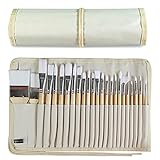
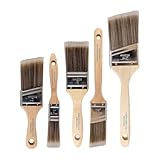
I remember staring at a wall of paintbrushes, trying to decide which one wouldn’t completely fall apart after the first coat. Then I saw them: those beautiful, natural-looking boar bristle brushes. Instantly, a question popped into my head, one that might seem a bit out there, but one I’ve heard others ask: are boar paint brushes haram? It’s not a question you see on the back of a paint can, but it’s a valid one for many people.
The truth is, the answer isn’t as simple as a yes or no, and it has more to do with interpretation than anything inherently wrong with the brush itself. Let’s cut through the noise and get to what actually matters when you’re picking up one of these tools.
Why I Switched From Synthetic to Natural Bristles (and Back Again?)
Look, I’ve been painting stuff for longer than I care to admit. Furniture, walls, the occasional miniature figurine that ended up looking more like a blob – you name it, I’ve probably smeared paint on it. Early on, I fell for the hype of the synthetic brushes. They were cheap, easy to clean, and readily available everywhere.
But after a while, I started noticing something. The paint just didn’t lay down the same. There was a certain drag, a lack of flow, especially with oil-based paints that just seemed to fight against the plastic bristles.
I remember trying to get a smooth finish on an old dresser, and every stroke left tiny, infuriating little brush marks. It looked like I’d tried to paint with a plastic fork.
Then, I stumbled upon the world of natural bristle brushes, specifically boar bristle. The salesman, a grizzled old guy who looked like he’d been born with a paintbrush in his hand, swore by them. He said, ‘Son, for real wood finishing, you can’t beat hog hair.’ Skeptical but desperate, I bought a couple.
The difference was night and day. The paint glided on, settling into a buttery smooth finish that I’d only dreamed of.
The natural bristles held more paint, allowing for fewer dips and a more consistent application. It felt… artisanal. Expensive, sure, but the results justified the cost.
I spent about $60 on a decent set and thought I’d found my holy grail. For about a year, I didn’t touch a synthetic brush. I felt like a pro. Then, life happened, and I had to paint a bathroom.
Lots of latex paint, lots of quick touch-ups. Cleaning those expensive boar brushes after using latex felt like an Olympic sport.
They absorbed the water like sponges, took ages to dry, and I swear they never felt quite the same afterwards. It was a harsh lesson: natural bristles are amazing for certain jobs, but they aren’t the magic bullet for everything. This experience taught me that the ‘best’ brush is really about the right brush for the specific paint and project.
Understanding Boar Bristle: What Makes Them Tick?
Boar bristle brushes are made from the natural hair of pigs. That’s it. Simple, right?
But the magic is in how that hair is processed and the inherent structure of the bristles themselves. Unlike synthetic brushes, which are manufactured to be uniform, boar bristles are naturally irregular. They have what’s called a ‘flagged’ tip – meaning the end of the bristle splits into finer filaments.
Think of it like a tiny split end on your hair, but on a microscopic level. This flagging is what allows the brush to hold a lot more paint and also helps in laying down a smoother finish. (See Also: Are Bristle Paint Brushes Hard )
The irregular shape means the bristles don’t pack together as tightly as synthetics, creating tiny reservoirs for paint and allowing for a more controlled release. This is why they are so popular for oil-based paints and varnishes, where that smooth, even application is most important. The natural stiffness of boar bristles also means they have excellent ‘snap’ – that springy return after you push and pull with the brush.
This snap is important for control, especially when you’re working with thicker mediums or trying to achieve fine detail.
The source of the bristles also matters. The best quality often comes from older boars, as their hair is coarser and more durable. The hair is typically collected, cleaned, and then sorted by length and stiffness. Some brushes are made with pure boar bristle, while others are a blend, often mixed with synthetic filaments to improve durability or reduce cost.
When you pick up a good quality boar bristle brush, you can often feel the difference. They have a certain weight and texture that synthetics just can’t replicate.
The hair might feel a bit rougher, but it has a supple quality to it. And when you load it with paint?
It feels like it’s eager to work. It doesn’t just push paint around; it seems to carry and deposit it with a mind of its own. This is a huge departure from some of the cheaper synthetic brushes I’ve used, which felt like I was just scraping paint onto the surface.
The Religious Angle: Are Boar Paint Brushes Haram?
This is where things get interesting, and honestly, a bit confusing for some. The question of whether boar paint brushes are haram, meaning forbidden in Islam, stems from dietary laws.
Pork, as a meat, is explicitly forbidden (haram) in Islam. This prohibition is based on verses in the Quran and Hadith. When we talk about consuming pork, there’s no ambiguity. However, the application of this rule to products derived from pigs, but not intended for consumption, is where different interpretations arise among Islamic scholars and communities.
Some interpretations take a very strict stance: if an item originates from a haram animal, its use, regardless of purpose, is also considered haram. This view emphasizes avoiding any association with or benefit derived from forbidden sources. It’s a broad interpretation that aims to maintain a clear boundary.
On the other hand, a more common and widely accepted interpretation among many scholars is that the prohibition applies specifically to consumption. If a product made from a pig is not ingested – meaning it’s not eaten, drunk, or absorbed through the skin in a way that would be considered consumption – then its use for other purposes might be permissible.
This view often looks at the ‘hukm’ (ruling) of the material itself. Since the bristles are hair, not meat, and are used for a functional purpose completely separate from eating, they may be considered permissible (halal). Think about leather products made from pigskin; while controversial, some scholars have permitted their use under certain conditions, arguing that the tanning process fundamentally changes the material’s nature. For boar bristles, the argument is similar: the hair is separated from the animal, cleaned, and processed into a tool.
Many Muslims use boar bristle brushes for painting, grooming, or other applications without issue, based on the understanding that the prohibition is primarily about eating pork. Ultimately, personal conviction and the specific guidance one follows are key.
What to Look for When Buying Natural Bristle Brushes
Alright, so you’ve decided to give natural bristles a shot, or you’re just curious about what makes a good one. Forget those ultra-cheap packs you find at discount stores; those are often more synthetic than natural, or they’re made with lower-grade hair that sheds like a husky in July. (See Also: Are Paint Brushes Supposed To Be Hard )
First off, look for brushes labeled ‘100% Boar Bristle’ or ‘Pure Boar Bristle.’ This is your best bet. If it’s a blend, it’ll usually say something like ‘Boar Bristle Blend’ or list the percentage.
For most serious painting, especially with oils or enamels, 100% boar is where it’s at. The quality of the bristles themselves is also important. You want to see some ‘flagging’ – those fine splits at the tips. This is what gives the brush its paint-holding capacity and smooth finish.
Run your fingers over the bristles. They should feel firm but flexible, with a good amount of ‘snap.’
They shouldn’t feel overly coarse or brittle. I once bought a brush that felt like I was using a bunch of tiny twigs; it shed constantly and laid down paint like a potato masher.
The ferrule – that’s the metal part holding the bristles to the handle – should be sturdy. Rust-free, smooth metal is ideal. Avoid anything that looks flimsy or poorly attached.
A weak ferrule is a recipe for disaster, with bristles ending up in your paint. The handle should feel comfortable in your hand.
Natural wood is common, and while the shape is largely personal preference, it should feel balanced. Don’t be afraid to gently flex the bristles. They should spring back quickly. A brush that stays bent or feels floppy is a bad sign.
Price is also a factor, but don’t let it be the only one. A good quality boar bristle brush might cost you anywhere from $15 to $50 or more, depending on the size and brand.
I recently splurged on a 2-inch angled brush for about $35, and it was worth every penny for the control and finish it provided on trim work. Cheaper brushes might seem appealing, but they’ll cost you more in frustration, wasted paint, and ruined finishes in the long run. Think of it as an investment in your sanity and your project.
Boar Bristle Brush Quality Checklist
| Feature | What to Look For | Verdict |
|---|---|---|
| Bristle Type | 100% Boar Bristle (Pure Boar) | Best for oils/enamels, smoothest finish. |
| Bristle Tip | Visible ‘flagging’ (split ends) | Makes sure good paint holding and laydown. |
| Bristle Feel | Firm, flexible, good snap | Indicates quality and control. Avoid brittle or too-soft. |
| Ferrule | Smooth, rust-free metal | Durability and prevents shedding. |
| Handle | Comfortable, balanced feel | Ergonomics for long painting sessions. |
| Shedding Test | Gentle flex, bristles spring back | Minimal shedding and good resilience. |
Common Mistakes When Using Boar Bristle Brushes
The biggest mistake I see people make with boar bristle brushes is treating them like synthetics. They’re not. For starters, never leave them soaking in water.
I learned this the hard way when a beautiful, expensive brush I had for varnishing ended up looking like a fuzzy mop after sitting in a bucket of water overnight. The natural bristles absorb water, swell up, lose their shape, and their snap. It’s like giving them a permanent bad hair day.
Always clean them promptly after use, and if you’re using water-based paint, rinse them thoroughly and let them air dry properly. For oil-based paints, mineral spirits or a dedicated brush cleaner are your friends.
Another common pitfall is using the wrong brush for the wrong paint. While boar bristles excel with oil-based paints, enamels, and varnishes, they can be a bit too stiff and absorbent for some latex or acrylic paints. You might end up with a streaky finish or too much paint pickup, making it hard to control. It’s like trying to spread butter with a garden rake – it’s just not the right tool for the job. (See Also: Are Hog Bristle Paint Brushes Hard )
People also tend to be too gentle or too aggressive. You need a firm but controlled pressure. Let the brush do the work.
Don’t press down so hard that the bristles splay out completely, but don’t be afraid to use enough pressure to make sure good contact with the surface. Over-cleaning can also be an issue.
Harsh solvents or aggressive scrubbing can damage the bristles over time. Be firm but gentle. Lastly, many people just chuck them in a drawer after cleaning. Proper storage is key to longevity.
Hang them bristles-up, or store them in a brush keeper so the bristles maintain their shape. I’ve seen friends store them bristles-down in a can, and guess what? They develop a permanent bend. It’s like sleeping on your glasses every night; eventually, they’re going to get messed up.
Practical Tips for Boar Bristle Brush Care and Use
Okay, let’s talk about keeping these things in good shape and actually getting good results. For cleaning, if you’re using latex or water-based paints, rinse them under running water until the water runs clear. Then, work a little mild soap (like dish soap) into the bristles to get out any remaining pigment. Rinse again and gently squeeze out excess water, working from the ferrule to the tip. For oil-based paints and varnishes, use mineral spirits or a specialized brush cleaner. Work the cleaner through the bristles, then rinse thoroughly with water and soap as above. Never use hot water, as it can damage the glue holding the bristles in the ferrule.
Drying is just as important as cleaning. After rinsing, gently reshape the bristles with your fingers. Then, hang the brush so the bristles are pointing downwards to allow water to drain away from the ferrule.
If you don’t have a way to hang them, you can rest them on their handle on a sturdy surface, but make sure the bristles aren’t squashed. Avoid storing them in plastic bags or containers where the bristles can get bent or crushed. If you’re going to store them for a long time, consider a brush keeper that allows the bristles to hang freely.
For storage, it’s best to store them bristles-up if possible, or in a way that keeps them from being bent or flattened. This might sound like a lot of fuss, but a well-cared-for boar bristle brush can last you for years, making the initial investment well worth it. I’ve had a couple of my favorite ones for over five years now, and they still perform beautifully. It’s all about respecting the tool.
Faq: Do Boar Bristle Brushes Cause Problems?
Are Boar Bristle Brushes Haram for Muslims?
The permissibility of using boar bristle brushes for Muslims is a matter of differing scholarly interpretations. The Quran explicitly forbids the consumption of pork. Some scholars hold a strict view that any use of materials from a haram animal is also haram. However, a more common interpretation is that the prohibition applies to consumption, and using processed materials like boar bristles for non-consumptive purposes (like painting or grooming) may be permissible (halal). Many Muslims use these brushes without issue, based on this latter interpretation. It is advisable to follow the guidance of a trusted religious authority or your personal conviction.
Can You Use Boar Bristle Brushes with Latex Paint?
While boar bristle brushes are excellent for oil-based paints, varnishes, and enamels, they are generally not the first choice for latex or acrylic paints. The bristles can be too stiff and absorbent for water-based paints, leading to potential streaking or issues with controlling paint pickup and laydown. Synthetic brushes are usually preferred for latex and acrylic paints as they offer better control and easier cleanup with water.
How Do I Clean a Boar Bristle Paint Brush?
For water-based paints, rinse thoroughly with water until the water runs clear, then use a mild soap to remove residual pigment, followed by another rinse. For oil-based paints, use mineral spirits or a brush cleaner, working it through the bristles. After cleaning with solvents, rinse with soap and water as you would for water-based paints. Always reshape the bristles and let them air dry properly, ideally hanging downwards.
How Long Do Boar Bristle Brushes Last?
With proper care and cleaning, a high-quality boar bristle brush can last for many years, even decades. The key is regular maintenance, correct drying, and appropriate storage. Avoid harsh chemicals or excessive soaking, which can degrade the bristles and the glue in the ferrule, shortening their lifespan significantly.
Verdict
So, to wrap up the whole ‘are boar paint brushes haram’ debate, the answer leans towards permissible for most interpretations, provided they aren’t consumed. The real issues with these brushes are practical: treating them poorly, using them with the wrong paint, or not cleaning them properly. They’re fantastic tools when used correctly and cared for diligently. I learned that the hard way, spending money on brushes that I basically ruined through neglect or misuse. If you’re after that smooth, professional finish, especially with oil-based products, a good boar bristle brush is worth the investment and the little bit of extra effort in care.
Don’t just grab the cheapest option. Look for quality, understand what you’re painting with, and treat your tools with respect. You’ll be rewarded with better results and brushes that last. The next time you’re staring at a paint project, consider the humble boar bristle – it might just be the unsung hero you need.