I remember the first time I tried to paint a straight line on a wall. It looked less like a crisp edge and more like a drunken scribble. I’d spent a fortune on this fancy, high-tech tape that promised zero bleed, zero residue, and a finish worthy of a magazine spread. What a joke. It peeled off mid-job, leaving a mess that took me hours to fix. So, when people ask if can painters tape go on tv, my immediate thought is: ‘Sure, if you want to risk ruining your expensive electronics.’ But the answer isn’t a simple yes or no. It’s all about knowing which tape to use and how to use it.
This isn’t about slapping some blue stuff on and hoping for the best. We’re talking about a delicate dance between adhesion and surface. My own mishaps taught me that blindly trusting the packaging is a recipe for disaster. You’ve got to be smart about it.
Why You’re Probably Scared to Put Tape on Your TV (and Why You Shouldn’t Be)
Look, I get it. That big, beautiful screen staring at you? It cost you a pretty penny.
The last thing you want to do is scratch it, leave a sticky residue, or worse, damage the coatings. Most of the fear around putting tape on a TV screen comes from a place of self-preservation, which is totally valid. We’ve all seen those horror stories online – someone trying to tape up a poster and finding their screen permanently fogged or scratched. But here’s the thing: not all tape is created equal, and not all surfaces on your TV are created equal.
That shiny glass front? That’s usually pretty tough. The plastic bezel around it?
That’s a different beast. And the back?
That’s often just plain plastic, designed to be durable.
My own ‘uh-oh’ moment involved a slightly older plasma TV. I was trying to jury-rig a soundbar mount using some heavy-duty duct tape, thinking ‘it’s just the back, who cares?’
Turns out, the adhesive on that stuff had a mind of its own and, after a few months, decided to bond with the plastic casing like it was its soulmate. Peeling it off took a chunk of the textured plastic with it.
Lesson learned: aggressive adhesives on anything other than glass are a no-go. This is why when people ask can painters tape go on tv, I emphasize the ‘painter’s tape’ part – it’s designed for delicate surfaces and clean removal. Duct tape?
Absolutely not. Electrical tape? Also a bad idea.
These are not your friends for delicate electronics.
The misconception is that ‘tape is tape.’ It’s not. Think of it like food.
You wouldn’t use cooking oil to lube your car, right? Same principle applies here.
The adhesives vary wildly. Some are designed to stick like glue for years (think packing tape), while others are formulated to release cleanly after a short period (think high-quality painter’s tape). The key is understanding that the screen itself, the glass front, is generally quite resilient.
It’s the bezels, the plastic housing, and any anti-glare or special coatings that are more vulnerable. You’re not usually sticking tape directly onto the active display part of the screen unless you’re doing something really weird. Most of the time, you’re taping the frame or the back.
So, if you’re looking to temporarily secure something, label a port, or mask off an area for a quick DIY project that doesn’t involve paint thinner near your OLED, painter’s tape is your go-to. But even then, you need to choose wisely. Generic, cheap painter’s tape? That’s where the problems start. You want the good stuff, the kind that actually lives up to its promise of clean removal. My experience with cheap brands always ends in tears – sticky residue, torn paint, and a general feeling of regret. Stick to reputable brands, and you’ll be miles ahead.
There’s a whole world of tape out there, and not all of it is suited for delicate surfaces. You’ve got your packing tape, designed to hold boxes together for shipping – super sticky. Then there’s duct tape, which could probably hold a car together temporarily. And then you have painter’s tape, specifically engineered for masking surfaces before painting, which means it needs to stick well enough to prevent paint bleed but also peel off cleanly without damaging the paint or the surface underneath. This distinction is important when we talk about putting it anywhere near electronics.
What Kind of Tape Actually Works (without Screwing Things Up)
Alright, let’s cut to the chase. When we’re talking about using tape on or around a TV, we’re almost exclusively talking about painter’s tape. But not all painter’s tape is created equal. (See Also: Does Painters Tape Rip Paint Off Walls )
You’ve got your super-cheap, generic stuff that you find in a multipack for a few bucks. Avoid that like the plague. It’s often too sticky, leaves a gummy residue, and can even lift paint off walls.
Imagine what that sticky mess would do to a plastic bezel or, heaven forbid, a screen coating. I learned this the hard way trying to tape off a section of my old workbench. The cheap blue tape left a ghostly film that took me an hour to scrub off with Goo Gone.
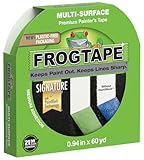
The good stuff, the reputable brands like 3M (their blue multi-surface tape is usually a solid bet), FrogTape (especially the yellow delicate surface one if you’re really worried), or even some of the higher-end Norton or Shurtape products, are formulated differently. They use adhesives that are designed for clean release. This usually means they have a lower tack, or the adhesive is a type that doesn’t break down and become permanently sticky. For most TV applications, you’re looking at the ‘multi-surface’ or ‘delicate surface’ types.
The ‘multi-surface’ is usually a safe bet for the plastic bezels and back panels of most TVs. The ‘delicate surface’ tape is even less aggressive, often with a different adhesive and a lower tack, making it ideal if you’re really paranoid or dealing with a particularly sensitive finish.
I once used some fancy, expensive painter’s tape on a brand-new, freshly painted wall around a TV mount installation. It was a pale grey paint, and I was terrified of messing it up. This tape had a reputation for being amazing.
And you know what? It was. It peeled off cleanly, leaving a razor-sharp line, and didn’t even disturb the paint.
That experience made me a believer. It wasn’t the cheap stuff; it cost me about $12 for a single roll, which felt insane at the time, but the peace of mind and the perfect result were worth it. So, when you ask can painters tape go on tv, the answer leans heavily towards ‘yes, if it’s the right painter’s tape.’
Here’s a quick rundown of what to look for:
| Tape Type | Adhesive Aggression | Best For TV Use? | My Verdict |
|---|---|---|---|
| Generic Blue Painter’s Tape | Medium to High | Risky, especially on plastic parts. | Avoid. Residue and damage potential. |
| 3M Multi-Surface Painter’s Tape (Blue) | Low to Medium | Generally safe for bezels and back panels. | Reliable. A good all-rounder. |
| FrogTape Delicate Surface (Yellow) | Very Low | Safest bet for any sensitive surface, or if you’re nervous. | Top-tier for protection. |
| Masking Tape (Brown paper) | Medium to High | NO. Designed for heavy-duty jobs, not electronics. | Stick to boxes, not your TV. |
| Duct Tape/Gaffer Tape | Very High | ABSOLUTELY NOT. Will leave severe residue or damage. | Never. Seriously. |
| Electrical Tape | Medium | NO. Adhesive can degrade and leave residue. Not designed for clean removal. | For wires, not screens. |
The key is understanding that the adhesive is the active ingredient here. Cheap tapes use cheap adhesives that become sticky over time or when exposed to heat. Good painter’s tapes use acrylic-based or latex-based adhesives that are formulated to be removed cleanly. This is why even though the question is can painters tape go on tv, the answer is nuanced.
Common Mistakes People Make (and How to Avoid Them)
The biggest mistake people make is thinking that any tape is fine as long as it’s on the back or the plastic bezel. That’s a gamble. I’ve seen people use packing tape to secure cables to the back of their TV, only to find a sticky, impossible-to-remove mess a few months later. The adhesive on packing tape is designed to bond strongly and resist moisture and temperature changes, which means it’s far too aggressive for most plastic casings. When it degrades, it doesn’t just disappear; it turns into a gummy nightmare. I had a friend who did this, and when they finally tried to remove it, it took half the texture off the plastic. It looked awful.
Another common error is applying tape to a dirty or dusty surface. Tape, especially painter’s tape with its lower tack, relies on a clean surface to adhere properly. If you’re taping around ports or vents on the back of your TV, and there’s dust, lint, or grime, the tape won’t stick well. This can lead to it peeling off unintentionally, which defeats the purpose. Worse, when you pull it off, you might be pulling that dust and grime along with it, potentially scratching the surface or leaving a residue that’s now embedded in the adhesive.
People also often leave tape on for way too long. While good painter’s tape is designed for clean removal, it’s not meant to be a permanent fixture.
Adhesives can degrade over time, especially if exposed to heat or sunlight. If you’re taping something off for a few hours or a day, you’re probably fine.
If you’re thinking of leaving it on for weeks or months? You’re asking for trouble. I once left some painter’s tape on a piece of furniture for about two weeks while I was renovating.
When I finally pulled it off, it left faint lines where the tape had been. It wasn’t a residue, but a slight discoloration or change in sheen. It eventually faded, but it was a stark reminder that tape is temporary.
And then there’s the heat factor. TVs, especially older models or those with powerful backlights, can get warm. Adhesives can become softer and more prone to migration or leaving residue when heated. This is why applying tape directly over vents or in areas known to get hot is a bad idea. Even if the tape itself is designed for clean removal, the heat can change its properties. So, if you’re taping something on the back, try to stick to cooler areas, away from ventilation. This is why the question can painters tape go on tv needs more than a yes or no.
Here’s a simple guide to avoid the common pitfalls:
- Clean the Surface: Always wipe down the area where you plan to apply tape with a microfiber cloth. A little isopropyl alcohol can help remove any greasy fingerprints, but make sure the surface is completely dry before applying tape.
- Choose the Right Tape: As discussed, use high-quality painter’s tape (multi-surface or delicate). Never use duct tape, packing tape, or masking tape.
- Test in an Inconspicuous Area: If you’re really worried, find a small, hidden spot on the back or bezel of your TV and test a small piece of tape for 24 hours. See how it removes.
- Apply Firmly but Gently: Press the tape down to create a seal, but don’t press so hard that you damage the surface or indent the plastic.
- Remove Slowly and Carefully: Pull the tape back on itself at a 45-degree angle, slowly and steadily. If it feels like it’s sticking or tearing, stop and try a different angle or a gentler pull.
- Avoid Heat Sources: Don’t apply tape directly over vents or areas known to get significantly warm.
- Don’t Leave it On Permanently: Painter’s tape is for temporary applications. Remove it as soon as your task is complete, or within a few days at most.
Following these steps will significantly reduce the risk of any unwanted surprises. It’s all about being deliberate and using the right tools for the job. When it comes to whether can painters tape go on tv, the answer is a resounding yes, provided you treat the process with the care it deserves. (See Also: Does Masking Tape Work The Same As Painters Tape )
Real-World Uses: When You might Actually Need Tape on Your TV
Okay, so when would you actually need tape on your TV? It’s not like you’re painting the frame of your OLED anytime soon. Most of the time, it’s for temporary fixes, labeling, or minor installations. One common scenario is when you’re setting up a new TV mount. Sometimes, you need to temporarily secure cables out of the way while you’re drilling or screwing. A piece of painter’s tape can hold those HDMI or power cables neatly bundled against the wall or the back of the TV mount bracket until you can secure them more permanently. I’ve done this more times than I can count. It beats having cables dangling everywhere while you’re trying to line up holes.
Another use is for labeling. If you have a complex home theater setup with multiple devices plugged into the back of your TV or receiver, using small strips of painter’s tape to label each cable and port can be a lifesaver. ‘HDMI 1 – Blu-ray,’ ‘HDMI 2 – Console,’ ‘Optical Out – Soundbar.’
This saves you a ton of guesswork later when you need to swap something out or troubleshoot. The tape sticks well enough for this purpose, and it peels off cleanly without leaving a residue.
I did this for my brother’s entertainment center, and he still thanks me for it because he’s notoriously bad at remembering which cable goes where. The cost? Maybe $1 for a small roll, and it prevented hours of future frustration.
Sometimes, people use tape to temporarily secure a screen protector. While most screen protectors come with their own adhesive strips or are designed to apply dry, in some very specific situations (like trying to position a very large protector perfectly), a tiny piece of tape on the edge might be used to hold it in place while you align the rest.
This is rare, and you have to be incredibly careful not to let the tape touch the adhesive side of the protector or the screen itself. My friend, a professional installer, told me he once used a tiny sliver of delicate surface tape to hold a camera lens filter in place during a tricky macro shot setup, and he swore by it.
He said it was the only thing that wouldn’t leave a mark. That’s the kind of delicate application we’re talking about.
You might also see tape used in DIY projects where a TV is being integrated into custom furniture. For instance, if you’re building a media cabinet, you might use painter’s tape to mask off certain edges or to hold small pieces in place while glue dries on parts of the cabinet that are adjacent to the TV. The key is that the tape is almost always on the housing or cables, not the actual glass screen itself. And even then, it’s temporary. The question can painters tape go on tv becomes relevant when you’re trying to avoid something falling, or you need to mark something out of sight.
Here’s a scenario that happened to me recently. I was upgrading my gaming console and needed to disconnect everything. My TV is wall-mounted, high up. To avoid the spaghetti monster of cables falling behind the mount and becoming inaccessible, I used painter’s tape to loosely bundle them together and then stick the bundle to the back of the TV for a few hours. Worked like a charm. No fishing around behind the mount. It was a small thing, but it made a big difference in the ease of the upgrade. It’s these small, practical, temporary uses where painter’s tape shines.
Can You Put Tape on the Screen Itself? (the Glass Part)
Okay, let’s address the elephant in the room. When people ask can painters tape go on tv, they often visualize sticking it right onto the glass display. The short answer is: yes, you can, but you really, really shouldn’t, unless it’s for a very, very brief moment and with extreme caution. The glass on most modern TVs – LED, OLED, QLED – is usually quite tough and designed to withstand normal handling. It often has an anti-glare coating, though. This coating is the vulnerable part. It’s a thin layer applied to the glass, and while it’s designed to reduce reflections, it can be sensitive to abrasion or certain adhesives.
I remember trying to apply a screen protector to a new monitor once. The instructions were super clear: dust-free environment, use the provided wipes, and apply the protector smoothly. I got a tiny piece of lint stuck under it.
In a panic, I tried to lift the protector slightly to flick it out, and a minuscule piece of the anti-glare coating actually came away with the tiny bit of tape I’d used to lift it. It left a small, permanent blemish. It was only visible when the screen was a certain color, but it drove me nuts.
That tiny, cheap piece of tape had cost me a pristine finish. This is why I’m so adamant about using high-quality, low-tack painter’s tape if you must use tape near a screen, and never directly on the glass for any extended period.
If you absolutely have to stick tape to the glass, and I mean absolutely, use the gentlest, lowest-tack tape you can find. Think of the delicate surface painter’s tape. Apply it with minimal pressure, and remove it immediately. Think seconds, not minutes or hours. The goal is to create a temporary anchor point, not to have it stick. Any adhesive left behind on the glass can be a nightmare to remove without damaging the anti-glare coating. Isopropyl alcohol, often recommended for cleaning glass, can sometimes damage these coatings. So, while technically can painters tape go on tv screen glass, the risks usually outweigh the benefits considerably.
The problem is that even ‘clean removal’ tapes can leave behind a slight tackiness, especially on coatings. Over time, heat from the TV can also make the adhesive bond more strongly or break down. My own experience with a cheap tape on a monitor screen taught me that even the slightest residue can catch dust, and if you try to wipe it, you risk scratching the coating. The common advice you’ll find online is to use the tape on the bezel or the back, and I wholeheartedly agree.
The screen is the most delicate part. If you’re trying to position something precisely, use painter’s tape to mask off the area around the screen first, then carefully place your object. Or, use tape to hold down the edges of a different masking material, rather than tape directly on the glass.
One valid use case, albeit rare, is for calibration. Some professional AV calibrators might use tape to hold specific measurement devices against the screen temporarily. However, they are using specialized equipment and likely very specific types of tape, often designed for optical equipment. For the average person, trying to tape directly onto the screen is asking for trouble. It’s like asking if you can use a hammer on a delicate piece of porcelain – you can, but it’s a terrible idea.
Alternatives and Practical Tips for TV Projects
If your goal is to secure cables, label things, or mask off areas, there are often better alternatives than tape, or at least complementary tools. For cable management, consider reusable Velcro cable ties, cable clips that adhere with their own (usually better designed) adhesive, or cable sleeves. These are specifically designed to hold cables without leaving residue or damaging surfaces. I invested about $20 in a set of Velcro ties a few years back, and they’ve been invaluable for keeping my entertainment center tidy. They’re flexible, reusable, and don’t leave any sticky gunk behind. (See Also: Does Painters Tape Peel Paint )
For labeling, a small label maker is a fantastic investment if you deal with a lot of electronics. Even a simple Sharpie and a small piece of paper or cardboard can work if you’re in a pinch, taped lightly with a very gentle tape (like the delicate surface painter’s tape) to the cable itself. I use a small Brother label maker that cost me around $40, and it’s paid for itself in saved time and frustration trying to figure out which cable is which. The labels are small, durable, and don’t leave residue.
When it comes to masking, if you’re doing anything more involved than just temporarily bundling cables, consider using removable vinyl stickers or static cling films. These can be applied to the screen or bezel and removed cleanly. For projects involving painting near a TV, it’s almost always best to remove the TV entirely if possible. If not, use high-quality masking paper or plastic sheeting, taping the masking material to the wall or furniture surrounding the TV, not to the TV itself. This creates a barrier without direct contact.
Here are some practical tips that go beyond just tape:
Tip 1: The ‘Temporary Wire Tie’ Trick
- Get a roll of good painter’s tape (like 3M Multi-Surface).
- Cut a piece about 6-8 inches long.
- Fold it in half lengthwise, sticky side out, creating a loop.
- Wrap this loop around your cables.
- Stick the ends of the tape loop together. This creates a temporary, removable wire tie.
This is great for bundling cables behind the TV or along a wall before you secure them properly. It’s cheap, effective, and removes cleanly.
Tip 2: Port Identification System
- Use a label maker to create small, clear labels for each input/output port (e.g., ‘HDMI 1’, ‘ARC’, ‘Optical’).
- Use a small piece of low-tack painter’s tape (delicate surface type is best) to stick the label adjacent to the port on the TV’s plastic housing, or on the cable itself.
- Never stick the label directly onto the screen glass.
This system makes swapping devices or troubleshooting far less of a headache. It’s about being organized without causing damage.
Tip 3: The Heat Test
If you’re unsure about how a tape will react to your TV’s surface (especially older plastic casings), do a test. Apply a small piece of tape to an inconspicuous area on the back of the TV. Leave it for 24 hours, then remove it. Check for residue, discoloration, or any damage to the plastic. This small step can save you a lot of grief. This is especially important if your TV is in a warmer environment.
Ultimately, while can painters tape go on tv, the best approach is often to look for alternatives that are purpose-built for the task, especially for anything involving the screen itself. Tape is a tool, and like any tool, it has its specific uses and limitations. Use it wisely, and you’ll be fine.
People Also Ask
Will Tape Damage My TV Screen?
Generally, good quality painter’s tape applied correctly and removed promptly is unlikely to damage the glass screen itself. However, the anti-glare or other coatings on the screen can be sensitive. Aggressive tapes like duct tape or packing tape will almost certainly leave residue or damage these coatings. Always opt for low-tack painter’s tape and avoid direct, prolonged contact with the screen glass.
Can I Use Masking Tape on My TV?
No, you should not use standard brown masking tape on your TV. Masking tape has a stronger adhesive than painter’s tape and is not designed for clean removal from delicate surfaces like plastic bezels or screen coatings. It is very likely to leave residue or damage the surface.
What Tape Is Safe for Electronics?
For electronics, the safest tapes are those specifically designed for clean removal and low adhesion, such as high-quality painter’s tape (multi-surface or delicate). Electrical tape can be used for its intended purpose (insulating wires), but its adhesive can degrade and leave residue on plastic surfaces over time. Avoid packing tape, duct tape, and standard masking tape.
How Do I Remove Sticky Residue From TV Plastic?
For stubborn residue on TV plastic, start with a microfiber cloth and gentle soap and water. If that doesn’t work, try a small amount of Goo Gone or a similar citrus-based adhesive remover, applied to a cloth first (not directly to the TV). Test in an inconspicuous area. Isopropyl alcohol can also work, but use it sparingly as it can sometimes affect plastic finishes. Make sure the surface is completely dry afterward.
Final Thoughts
So, to circle back to the main question: can painters tape go on tv? Yes, with significant caveats. Think of it as a last resort for temporary fixes or labeling, and always use the highest quality, lowest tack painter’s tape you can find. The key is understanding that the plastic bezels and back panels are generally more forgiving than the screen itself, which has delicate coatings. I’ve learned this through trial and error, often with frustratingly sticky results.
My advice? If you can avoid tape altogether by using cable ties, sleeves, or label makers, do that. But if you absolutely need tape, choose wisely, apply it carefully, and remove it promptly. Don’t be that person who trashes their expensive electronics because they used the wrong kind of tape. Your wallet, and your sanity, will thank you.
What’s your go-to method for managing cables or labeling devices without damaging your tech?