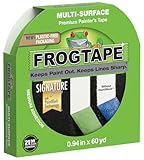
I’ve stood in the paint aisle, staring at two rolls of tape that look suspiciously similar, and wondered: does masking tape work the same as painters tape? It’s a question that bugs you when you’re trying to save a buck or, more likely, because you’ve grabbed the wrong one and are facing a weekend of scraping bled paint off your trim. Trust me, I’ve been there. I once tried to use cheap masking tape on a big living room project, and let’s just say the ‘crisp lines’ I ended up with looked more like a Rorschach test. It’s a classic case of ‘looks the same, costs less,’ which usually means it
isn’t
the same, and you’re about to pay for it in time and frustration.
Why Your ‘save’ on Tape Can Cost You Big Time
Let’s get this out of the way: no, masking tape does NOT work the same as painter’s tape. Not even close. They might look like twins – beige-ish paper, sticky on one side – but their DNA is totally different, and that difference matters a lot when you’re trying to keep paint where you want it. I learned this the hard way, trying to cut corners on a bathroom refresh.
I figured masking tape was just a cheaper version. Spoiler alert: it’s not. It’s designed for different jobs, and when you try to force it into the wrong one, you end up with a mess that takes longer to fix than the actual painting did.
Think of it like using a butter knife to chop steak – sure, it’s a knife, but it’s going to be a frustrating, inefficient experience with a subpar result. The adhesive is the main culprit. Masking tape uses a stronger, more aggressive adhesive.
It’s meant to hold things together more firmly, like securing paper to a surface for a craft project or holding down a light object temporarily. Painter’s tape, on the other hand, uses a low-tack adhesive. This is the secret sauce.
It’s designed to stick securely enough to prevent paint bleed but also to peel off cleanly without damaging the surface underneath, even after a few days. That’s why you can paint a whole room and let it dry, then pull off the painter’s tape to reveal sharp, clean lines.
Masking tape? It’s a gamble. Sometimes it’ll hold, and sometimes it’ll rip off chunks of your drywall paper, or worse, it’ll seep paint underneath like it’s having a party. I’ve seen it lift freshly painted surfaces or leave behind that sticky, gummy residue that’s a nightmare to clean.
It’s not worth the few dollars you ‘save’ upfront when you consider the hours you’ll spend correcting the mistakes.
Understanding the Sticky Science: Adhesive Matters
The core difference boils down to the adhesive. Masking tape generally uses a rubber-based adhesive.
This stuff is sticky. It’s designed for a good, strong bond.
That’s why it’s great for holding things, bundling items, or as a temporary fix. But when it comes to delicate surfaces like freshly painted walls, trim, or even wood that’s been recently finished, that strong bond becomes your enemy. It can pull paint, leave residue, or even tear the surface material. (See Also: Does Painters Tape Pull Off Paint )
Painter’s tape, especially the good stuff, uses an acrylic-based adhesive. This adhesive is formulated to be a lower tack. Think of it as sticky, but gently sticky.
It’s engineered to create a seal against the surface to prevent paint from seeping underneath, but it’s also designed to release cleanly. The quality of the tape plays a huge role here.
Cheaper painter’s tape might still use a more aggressive adhesive, and even the good stuff has limits. If you leave it on for weeks, or apply it over a surface that’s not fully cured, you can still run into issues.
I recall a project where I used a mid-range painter’s tape, thinking it was good enough. I left it on for about 48 hours. When I pulled it off, there was a slight bleed in a few spots, and a couple of tiny bits of paint came with the tape.
It wasn’t a disaster, but it certainly wasn’t the pristine line I was hoping for. It taught me that even with the right type of tape, quality and application timing are key. Masking tape, by contrast, is much more forgiving of itself in terms of storage – it might sit in a drawer for years and still be tacky – but it’s incredibly unforgiving of the surface it’s applied to. It’s the difference between a gentle hug and a bear hug.
For painting, you want the gentle hug.
My ‘almost Disaster’ with Generic Blue Tape
Okay, so I’m a bit of a tape snob now, but I wasn’t always. Years ago, I was painting a bedroom, and I’d bought a huge roll of what looked like typical blue painter’s tape from a discount store.
It was significantly cheaper than the name brands. My thought process was, “It’s blue, it’s tape, it’s for painting. What could go wrong?” Famous last words, right? I carefully applied it along the baseboards and around the window trim.
The paint went on fine. I was feeling pretty smug, picturing those perfect, sharp lines. I let the paint cure for about 24 hours, then I started pulling the tape. Horrors!
In several places, the tape hadn’t just bled paint; it had practically fused with the baseboard paint. When I pulled, I wasn’t just removing tape; I was removing chunks of my freshly applied paint.
It was awful. I spent the next three hours meticulously scraping and touching up, and it still didn’t look as good as it would have if I’d just used decent tape from the start. That experience burned into my brain.
The generic tape had an adhesive that was either too strong or just poorly formulated, and the tape material itself seemed less flexible, not conforming well to the slight imperfections in the wall. It was a mess, and honestly, a huge waste of my time and effort. (See Also: Does Painters Tape Rip Paint Off Walls )
I ended up buying a proper roll of name-brand painter’s tape and redoing the worst sections. The difference was night and day. The good tape peeled off cleanly, leaving a perfect line, and I learned a valuable lesson: when it comes to paint-related tapes, you get what you pay for, and the cheapest option is rarely the best. It really hammered home the point that does masking tape work the same as painters tape is a resounding NO.
The Contradiction: When ‘good Enough’ Backfires
Here’s a contrarian thought that might ruffle some feathers: some people say that any tape that sticks can work for painting if you’re careful. They’ll tell you to use masking tape, or even duct tape in a pinch, and just ‘score the edge with a razor blade’ after you paint.
And yeah, technically, you can sometimes get away with it. But I disagree, and here’s why. That ‘scoring’ trick?
It’s fiddly, it’s time-consuming, and it’s incredibly easy to gouge your wall or trim if you’re not a surgeon. Plus, it doesn’t guarantee a clean line. You’re relying on skill and precision that most DIYers don’t have, or don’t have the patience for, especially when you’re already tired from painting.
It’s a hack that often creates more work than it saves. My opinion is that the time you spend trying to make bad tape work, and then fixing the inevitable bleed or damage, is far more valuable than the extra few dollars you’d spend on proper painter’s tape. It’s like trying to fix a leaky faucet with chewing gum – it might hold for a bit, but it’s not a real solution and you’ll probably regret it later. The proper tools and materials are designed for the job for a reason.
Painter’s tape is designed to give you a clean line with minimal fuss and minimal risk of damage. Masking tape is designed for other things, and forcing it into this role is just asking for trouble. Save yourself the headache and just buy the right tape.
Seriously.
Decoding Tape Types: What to Look For
Alright, so you need painter’s tape, not masking tape. But not all painter’s tapes are created equal.
The main thing to consider is the surface you’re painting on and how long the tape will be there. For most interior walls and trim, a standard blue painter’s tape is your go-to. These are generally good for 1-3 days.
If you’re painting over delicate wallpaper or a surface that’s been painted very recently (and not fully cured), you’ll want a delicate surface tape. These are usually purple or green and have a much lower tack adhesive. They’re designed to prevent damage to fragile surfaces.
For outdoor projects or situations where the tape might be exposed to sun and moisture, you’ll want an exterior-grade tape, often yellow. These are more durable and weather-resistant. I once made the mistake of using standard blue tape on an exterior door frame in direct sunlight. Within a day, the adhesive started to get gummy and gooey, and when I pulled it off, it left a sticky mess that was a nightmare to clean in the heat.
A good painter’s tape should feel slightly thinner and more pliable than masking tape. The edges should be well-defined. When you unroll it, it should come off the roll smoothly without tearing easily. The adhesive should feel tacky, but not so aggressively sticky that it feels like it’s going to rip the paint off if you touch it. (See Also: Does Masking Tape Work The Same As Painters Tape )
Some of the higher-end brands offer tapes specifically for different finishes or durations, like ‘multi-surface’ or ‘long-term’ tapes. These can be worth the extra cost for big projects or when you need guaranteed performance.
If a tape feels too stiff, too thick, or the adhesive feels like superglue, it’s probably not the right painter’s tape for delicate jobs. Always check the packaging for recommendations on surface types and how long it can be left on. For example, 3M’s ScotchBlue™ Painter’s Tape often has specific recommendations for surfaces and duration, which is a helpful guide when you’re unsure.
Practical Tips for Tape Application and Removal
Getting the tape on correctly is half the battle. Here’s how I do it:
- Clean the Surface: Make sure the area where the tape will be applied is clean, dry, and free of dust or grease. Any debris can cause the tape to lift or bleed.
- Apply Firmly: Once you’ve positioned the tape, press it down firmly along all edges. I use my fingernail or a putty knife (gently!) to create a good seal. You want to eliminate any gaps where paint can sneak under.
- Don’t Overlap Your Paint Lines: This sounds obvious, but when you’re tired, you might paint a little too close to the tape edge. Try to keep your paint strokes a millimeter or two away from the tape line.
- Paint in Thin Coats: Thick, gloppy paint is more likely to bleed. Apply paint in thin, even coats, allowing them to dry slightly between applications.
- Remove Tape While Paint is Still Tacky (Usually): This is key. For most latex or water-based paints, you want to remove the tape when the paint is dry to the touch but still slightly tacky. If you wait until it’s fully cured, it can pull the paint off with it. Pull the tape off slowly and at a 45-degree angle away from the painted surface.
- Be Patient with Cured Paint: If you accidentally let the paint dry completely and the tape is stuck, use a sharp utility knife or a razor blade to gently score the edge of the tape right where it meets the paint. Then try pulling again. This can help break the bond without damaging the paint.
Here’s a quick comparison table to help you decide:
| Feature | Masking Tape | Painter’s Tape | Verdict |
|---|---|---|---|
| Adhesive Strength | High | Low to Medium | Painter’s tape is gentler. |
| Purpose | General purpose, bundling, temporary holding | Creating clean paint lines, protecting surfaces | Painter’s tape is purpose-built. |
| Paint Bleed Risk | High | Low (with proper application) | Masking tape is a gamble. |
| Residue | Can leave sticky residue | Minimal to none (when removed properly) | Painter’s tape is cleaner. |
| Surface Damage Risk | High | Low (for intended surfaces) | Painter’s tape is safer. |
Can I Use Masking Tape for Anything Else?
Absolutely. Masking tape is perfectly fine for many craft projects, covering items for protection during painting (like protecting a doorknob from overspray), or holding things temporarily where a strong bond isn’t needed but you don’t want it to fall apart. It’s a staple for many DIY and craft applications where precision painting isn’t the goal. Just don’t try to use it for masking off paint lines on your walls!
Is All Painter’s Tape the Same Color?
No, painter’s tape comes in various colors, most commonly blue, but also green, purple, and yellow. Each color often signifies a different type of tape designed for specific surfaces or durations. For instance, blue is typically for multi-surface use, green might be for delicate surfaces, and yellow is often for exterior or longer-term applications.
How Do I Get a Perfectly Straight Line with Painter’s Tape?
The key to a perfectly straight line is proper application. Make sure the surface is clean and dry, then press the tape down firmly along its entire length, using a fingernail or a putty knife to create a good seal. This minimizes gaps. Then, remove the tape while the paint is still tacky, pulling it away at a 45-degree angle.
What Happens If I Leave Painter’s Tape on Too Long?
Leaving painter’s tape on for too long, especially in warm or humid conditions or on certain paint finishes, can cause the adhesive to become very strong or even break down. This can lead to paint peeling when you remove the tape, or it can leave behind a sticky residue. It’s best to follow the manufacturer’s recommendations for removal time, typically within a few days of application.
Does the Brand of Painter’s Tape Really Matter?
Yes, the brand and quality of painter’s tape absolutely matter. Higher-quality brands like 3M (ScotchBlue), FrogTape, and Shurtape generally use better adhesives and tape materials that result in cleaner lines and easier removal without damaging surfaces. Cheaper, generic brands are more likely to bleed, leave residue, or pull paint off.
Final Verdict
So, to answer the lingering question: does masking tape work the same as painters tape? A definitive and resounding no. You’re setting yourself up for a world of hurt if you try to use masking tape for anything that requires clean paint lines. Think of it as two different tools for two different jobs. Masking tape is for holding things together, and painter’s tape is for creating artful separation between colors, or between color and whatever else you don’t want painted.
My advice? Spend the extra few bucks. It’s not a splurge; it’s an investment in your sanity and the finished look of your project. Grab the proper painter’s tape for the job – blue for general use, purple or green for delicate surfaces, and yellow for outdoors. Your walls (and your future self) will thank you for it.
The next time you’re staring at those rolls, remember my disastrous blue tape experiment and my hours of scraping. It’s a lesson learned the hard way, and one I’m happy to pass on so you don’t have to repeat it. Get the right tape, do it right, and enjoy those crisp, clean lines.