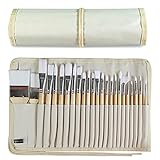
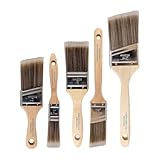
Look, we’ve all been there. You’re staring at a half-finished craft project, the perfect shade of teal is calling your name, and you realize your only paint brushes are stiff, splayed disasters from that one time you attempted watercolors in high school. The nearest craft store is miles away, but wait – there’s a Dollar Tree just around the corner. You ask yourself, ‘are Dollar Tree paint brushes good enough to save this masterpiece?’ It’s a question that’s crossed many a budget-conscious creator’s mind.
I’ve definitely been tempted. That siren song of a buck or two for a pack of brushes can be hard to ignore when you’re just starting out or need a few for a one-off project. But does cheap always mean cheerful? Let’s get real.
The Unvarnished Truth About Dollar Tree Brushes
Alright, let’s cut to the chase. Are Dollar Tree paint brushes good? The short, blunt answer is: sometimes, for certain things. If you’re expecting them to perform like a set of artist-grade sable brushes costing you $50 or more, you’re setting yourself up for disappointment.
But that doesn’t mean they’re completely useless. I’ve bought them more times than I care to admit, usually out of desperation or a misguided hope that this time would be different. My first real dive into serious crafting involved a mural for my niece’s room. I needed a lot of brushes, different sizes, and my wallet was screaming.
So, Dollar Tree it was. I grabbed a huge pack, figuring quantity over quality. Big mistake. Some were okay for slapping on primer or large areas of house paint, but for any kind of detail?
Forget it. Bristles shed like a cat in summer, they held very little paint, and the handles felt flimsy.
It was a mess. I ended up making a frantic run to the craft store mid-mural, spending more than I would have if I’d just bought decent brushes upfront.
However, I’ve also found a few gems. The smaller, finer-tipped synthetic brushes can be surprisingly decent for applying glue for decoupage or for very basic painting tasks where precision isn’t the be-all and end-all. They’re also great for kids’ crafts – the kind of project where the brush is likely to end up covered in glitter glue and subsequently discarded.
For those situations, their low price is a definite plus. You’re not going to cry over a ruined $1 brush the way you would a $10 one.
I’ve learned to inspect them carefully before buying. If the bristles are already splayed or look like they’re about to fall out in the package, put them back. Sometimes, you can feel the handle wobble; those are instant rejects.
The key thing to remember is that these brushes are mass-produced with minimal quality control. You’re basically gambling. You might get a usable brush, or you might get one that’s practically an insult to the art of painting. It’s a lottery, and frankly, I’ve stopped playing it for anything beyond the most rudimentary tasks or for kids.
When They Might Actually Work (and When to Run Screaming)
So, when can you actually get away with using Dollar Tree brushes? Let’s break it down. If you’re painting a fence, covering a large, non-important surface with a cheap latex paint, or applying decoupage glue to a big area, they might suffice. I’ve used them for priming canvases before I put any real paint on, and honestly, for that initial layer of gesso, they’re not terrible. They get the job done without breaking the bank. The broader, flatter brushes can even be okay for applying washes of watered-down acrylics or watercolors if you’re going for a very loose, imprecise effect. Think of it as a ‘disposable’ tool for tasks where the outcome is more about the process than the finesse. (See Also: Can Acrylic Paint Go In An Air Brush )
The flip side? Anything that requires detail, smooth application, or longevity.
If you’re painting a miniature, trying to achieve a smooth gradient, or working with oil paints that require a bit more control and brush longevity, you’re going to have a bad time. The bristles often lack the spring and snap needed for controlled strokes, they can’t hold enough paint for consistent coverage, and they tend to fray and shed, leaving you with little plastic hairs all over your work. I once tried to do some fine detail on a model airplane with one of their tiny brushes, and it was an exercise in futility. The bristles fanned out immediately, I couldn’t get a clean line, and I ended up having to go out and buy a proper detail brush, which cost me about $7.
That $1 brush ended up costing me $8 and a ton of frustration.
My personal rule of thumb has become this: if the project demands more than a passing grade for brushwork, if you want it to look good, or if you plan on using the brush more than once or twice for anything beyond basic priming or gluing, steer clear. For those times, investing in a few decent, inexpensive synthetic brushes from a craft store or even a slightly higher-end drugstore brand will save you time, effort, and a whole lot of aggravation. You can often find decent multi-packs for under $15 that will perform exponentially better.
What to Look for (if You Absolutely Must Buy Them)
If you find yourself in a bind and the Dollar Tree is your only option, don’t just grab the first pack you see. There are a few things you can look for that might give you a slightly better chance of success. First, inspect the bristles. Are they tightly packed? Do they look like they’re glued in well? Give the brush a gentle tug on the bristles. If a bunch come out, put it back immediately. You want to see a consistent, uniform bristle line. Avoid brushes where the bristles are already fanned out or look ragged.
Second, check the ferrule – that’s the metal part holding the bristles to the handle. Is it secure? Does it feel loose or flimsy? A poorly attached ferrule is a recipe for disaster, as it’s more likely to detach from the handle, leaving you with a bare stick and a handful of bristles. I’ve had ferrules come off mid-stroke. It’s not pretty.
Third, consider the handle. While most Dollar Tree brushes have basic wooden or plastic handles, some feel more comfortable than others. Look for one that feels balanced in your hand and has a decent grip. It might seem like a small detail, but if you’re going to be painting for any length of time, a comfortable handle makes a difference. For synthetic brushes, which are generally better for acrylics and watercolors due to their durability and ability to hold water, look for those that are labeled as such. They tend to be more forgiving than natural bristles for beginners and are easier to clean.
Finally, think about the intended use. If you need a large, flat brush for applying gesso or a sealant, a wider brush might be okay. If you need a fine-tip brush for detail work, you’re almost certainly going to be disappointed. Honestly, if you can find a pack of small, synthetic detail brushes, those are your best bet for any kind of precision. But even then, manage your expectations. They’re still Dollar Tree brushes.
A Contrarian Take: When They Can Be Surprisingly Useful
Okay, here’s where I might ruffle some feathers. Everyone says Dollar Tree brushes are trash. And for 90% of serious art or craft applications, they’re not wrong.
But I disagree that they are universally bad, and here’s why: they excel in specific, often overlooked, niches. My contrarian opinion is that they are great for applying adhesives and sealants. Think Mod Podge, PVA glue, or even clear spray sealants. The brushes, especially the wider, flatter ones, do a perfectly adequate job of spreading these substances evenly over a surface.
Because these materials are often forgiving and don’t require the same precision as paint, a slightly less-than-perfect brush doesn’t ruin the project. I’ve used them to apply glue to large areas for decoupage, and they work just fine. The glue spreads, it dries clear (usually), and the project looks good. The fact that the brush might shed a stray bristle or two is easily fixed by picking it out of the wet glue, and if the brush gets ruined, who cares? (See Also: Can Acrylic Paints Be Used In An Aqua Brush )
It cost a dollar.
Another area they surprisingly shine is in ‘dirty pour’ acrylic painting. This technique involves layering different colors of acrylic paint, often with a pouring medium, into a cup and then pouring it onto a canvas. The brushes aren’t used for fine detail or smooth blending; they’re often used to stir the paint mixtures or to help coax the paint into specific patterns on the canvas. For this, the less-than-perfect bristle behavior can actually be an advantage, creating interesting textures and effects.
You’re not aiming for a crisp line; you’re aiming for organic flow. I’ve seen people use them to create ‘drag’ effects by pulling the paint across the canvas after the pour, and the imperfect bristles give a cool, streaky look. Again, if a brush gets gunked up or the bristles go wild, it’s no big financial loss.
You can grab another one for a dollar.
So, while I would never recommend them for oil painting, detailed watercolor, or anything where the brushwork itself is a focal point, for tasks involving glue, sealant, or certain experimental paint pouring techniques, they can be a surprisingly cost-effective tool. It’s about matching the tool to the task, and for these specific jobs, the Dollar Tree brush fits the bill without you needing to mortgage your house.
A Practical Comparison: Dollar Tree vs. Budget Craft Store Brushes
Let’s put this to the test. We’ll compare a typical Dollar Tree pack of assorted brushes to a budget-friendly multi-pack you might find at a craft store for around $10-$15. This isn’t comparing apples to apples with artist-grade stuff, but rather what a sensible beginner or hobbyist might consider.
| Feature | Dollar Tree Brushes (Approx. $1.25/pack) | Budget Craft Store Brushes (Approx. $12/pack) | Verdict |
|---|---|---|---|
| Bristle Quality | Often uneven, prone to shedding, lacks snap. Synthetic mostly. | Tightly packed, more consistent synthetic bristles, some spring. | Budget Craft Store Wins |
| Ferrule Security | Hit or miss. Can be loose, leading to detachment. | Generally secure, well-crimped. | Budget Craft Store Wins |
| Handle Comfort | Basic, can feel cheap and unbalanced. | Often ergonomically designed, better weight distribution. | Budget Craft Store Wins |
| Paint/Medium Hold | Poor. Requires frequent dipping. | Good. Holds more paint for smoother application. | Budget Craft Store Wins |
| Durability | Low. Often disposable after a few uses. | Moderate. Can last through multiple projects with care. | Budget Craft Store Wins |
| Best Use Cases | Priming, applying glue, kids’ crafts, very rough texture work. | General acrylics, watercolors, beginner oil painting, moderate detail. | Tie (depends on the task) |
| Overall Value | Extremely cheap per brush, but low performance per dollar. | Higher upfront cost, but much better performance and longevity per dollar. | Budget Craft Store Wins |
Based on this, it’s clear that if you’re looking for brushes that will last and give you good results for general painting tasks, the budget craft store option is far superior. You’re getting a tool that’s designed to perform better and withstand more use. The Dollar Tree brushes are really only justifiable for tasks where the quality of the brushstroke is not a primary concern, or for projects where the brush is effectively disposable.
I’ve tried to make the Dollar Tree brushes work for more detailed acrylic painting on canvas, and it’s just been a frustrating experience. The bristles splay out, they don’t hold enough paint to cover an area smoothly, and you end up spending more time cleaning up stray hairs than actually painting. The $12 pack, on the other hand, might include a nice range of sizes, from a small liner brush for detail to a larger flat brush for broader strokes, all of which will actually work as intended.
The investment is worth it for the lack of headaches and the better end result.
Frequently Asked Questions About Dollar Tree Brushes
Can I Use Dollar Tree Paint Brushes for Acrylics?
You can, but with major caveats. For very basic acrylic painting, like priming a canvas, applying a single coat of cheap acrylic paint to a craft item, or for kids’ crafts, they might be acceptable. However, they generally lack the bristle quality, paint-holding capacity, and durability needed for more detailed or professional-looking acrylic work. Expect shedding and uneven application.
Are Dollar Tree Brushes Good for Watercolors?
Generally, no. Watercolor painting relies heavily on the brush’s ability to hold water and pigment, and to create fine, controlled strokes. Dollar Tree brushes typically do not have the necessary bristle density or spring to effectively manage water and pigment for watercolor techniques. You’ll likely find them frustrating to use for anything beyond very loose, experimental washes. (See Also: A Brushes Digital Painting )
How Do Dollar Tree Brushes Compare to Artist-Grade Brushes?
The difference is night and day. Artist-grade brushes are made with high-quality natural or synthetic bristles, precisely shaped ferrules, and balanced handles, designed for optimal performance, control, and longevity. Dollar Tree brushes are mass-produced with minimal quality control, often using lower-grade materials that shed easily and offer little precision or durability. They are not in the same league whatsoever.
What Are the Best Alternatives to Dollar Tree Brushes If I’m on a Budget?
Look for multi-packs of synthetic brushes from reputable budget brands at craft stores or online retailers. Brands like Arteza, Royal & Langnickel, or even the store brands at Michaels or Hobby Lobby often offer good value packs for $10-$20 that will perform significantly better than Dollar Tree options for general art and craft projects.
Can Dollar Tree Brushes Be Used for Applying Glue or Mod Podge?
Yes! This is actually one of the areas where Dollar Tree brushes can be quite useful. For applying adhesives like PVA glue or Mod Podge, especially to larger areas, their low cost and disposability are advantages. They spread the adhesive adequately, and any shedding is usually easily addressed. Just be prepared to discard them after use if they become too messy or stiff.
When to Just Spend the Extra Few Bucks
Here’s the hard truth: if your project matters to you, if you want a good result, or if you plan to paint more than once in the next month, just spend the extra few bucks. I’ve seen people try to make Dollar Tree brushes work for intricate model painting, fine art portraits, or even detailed sign painting. It’s like trying to build a house with a plastic spoon. You’ll spend more time fighting the tool than actually creating.
For example, I tried to paint a detailed ceramic figure I was working on using their smallest brushes, and it was a nightmare. The bristles wouldn’t hold a fine point, they’d splay outwards, and the paint application was blotchy.
I ended up spending an extra $15 on a decent set of detail brushes from an art supply store, and the difference was immediate and profound. Suddenly, I could actually achieve the clean lines and smooth fills I was aiming for.
That initial $10 savings on brushes cost me an extra $15 and a whole weekend of frustration.
Think about it this way: a decent set of synthetic brushes for acrylics or watercolors can cost anywhere from $10 to $30. These will last you for years if you clean them properly. Compare that to buying Dollar Tree brushes every few projects, and the math just doesn’t add up in your favor in the long run, not to mention the sheer aggravation. You’re not just buying a tool; you’re buying your time and your sanity.
For anything beyond basic priming or craft glue application, the investment in slightly better brushes pays dividends in both the quality of your work and your enjoyment of the process. It’s a lesson I learned the hard way, and one I try to pass on whenever I see someone eyeing those bargain-bin brushes with hopeful eyes.
Verdict
So, are Dollar Tree paint brushes good? The short answer is: for very specific, low-stakes tasks, they can get the job done. They’re passable for priming, applying glue, or for kids’ crafts where the brush is likely to be a casualty anyway. For anything requiring precision, durability, or a smooth finish, you’re better off spending a few extra dollars on a budget-friendly set from a craft store. The frustration and subpar results just aren’t worth the dollar savings in the long run.
I’ve wasted enough money on those cheap packs over the years to know that sometimes, you really do get what you pay for. If you’re serious about your art or crafts, or even just want a less aggravating experience, I’d strongly recommend looking for a better quality, even if it’s still budget-friendly, set of brushes. Your future self, and your projects, will thank you.
Honestly, the next time I’m tempted, I’m just going to remind myself of that mural disaster and make the sensible choice. What about you? Have you had any surprisingly good (or bad) experiences with cheap brushes?