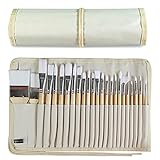
I remember staring at a mountain of cheap paint brushes after my first rental flip. They looked okay in the store, but man, did they shed. Bristles everywhere. Ruined more than one perfectly good coat of paint. That whole experience got me thinking – all these little costs add up when you’re fixing up a place to rent out. So, the big question on a lot of landlord minds, and one that definitely crossed mine, is: can I deduct cost of paint brushes when remodeling rental properties?
It’s not just brushes, right? Rollers, trays, tape, drop cloths… it all goes into making a property look presentable and attractive to renters. And if you’re doing it yourself, like I often do, those aren’t trivial expenses. Getting this right on your taxes can save you some serious cash, so let’s cut through the noise and figure out what the deal is.
Are Paint Brushes Business Expenses for Rentals? You Bet.
Look, if you’re a landlord, your property is a business. Period. Anything you buy that directly helps you maintain, improve, or prepare that property for renters falls under the umbrella of business expenses. That includes the tools and supplies you need to do the actual work. Think about it: if you hired someone to paint, their labor and the cost of their materials (including brushes) would absolutely be deductible. So why wouldn’t it be deductible when you’re doing the work yourself?
The IRS categorizes these types of costs as ordinary and necessary expenses. Ordinary means it’s common and accepted in your field (landlording and property management). Necessary means it’s helpful and appropriate for your business. Buying paint brushes to paint a rental property? Both of those boxes are ticked, loud and clear. You can’t just slap a coat of paint on a wall with your bare hands (well, you could, but it wouldn’t be effective or legal). You need tools.
I learned this the hard way. For my first few properties, I was a bit gun-shy about claiming every little thing. I thought maybe the IRS would see a box of cheap brushes and think I was trying to pull a fast one. But the reality is, they want you to accurately report your income and expenses. And when you’re out there buying supplies to make your rental habitable and desirable, those supplies are legitimate business costs. It’s not about trying to get rich quick on tax deductions; it’s about accurately reflecting the cost of doing business.
My biggest mistake early on was underestimating how much these small items added up. I’d buy a few brushes here, a can of primer there, and mentally just lump it all together. But when it came time to do my taxes, I’d be scrambling, trying to remember what I bought and where. Keeping a running log, even a simple one on my phone’s notes app, and then transferring it to a spreadsheet at tax time, made a massive difference. It wasn’t just about the brushes; it was about every single can of caulk, every drop cloth, every pair of gloves.
And let’s be frank, some of those super-cheap brushes are a false economy. They fray, they leave streaks, and you end up using twice as many or having to do a shoddy job that costs you more in the long run with unhappy tenants. So, while the deduction is for the cost of the brushes, investing in decent ones is just plain good business sense. You’ll save yourself time, frustration, and potentially future repair costs. The tax deduction is a nice bonus, but the improved quality of your work is the real win.
Tools of the Trade: Not Just for Contractors
When you own rental properties, you become a jack-of-all-trades, or at least you dabble in them. Whether you’re fixing a leaky faucet, patching drywall, or, yes, painting, you need the right tools. The IRS understands this. They don’t discriminate between a professional contractor and a DIY landlord when it comes to the cost of necessary materials and tools for property upkeep. If it’s a legitimate expense that helps you generate or maintain income from your rental, it’s deductible.
This applies not just to paint brushes but also to things like putty knives, sandpaper, caulk guns, utility knives, measuring tapes, and even safety gear like respirators or goggles. These are all items that help the remodeling or repair process, which directly impacts the value and rentability of your property. So, when you’re out there stocking up your toolkit for your rental projects, remember that these purchases are business investments, not personal splurges.
What Qualifies as a Deductible Remodeling Expense?
This is where it gets a little nuanced, but for paint brushes and similar supplies, it’s pretty straightforward: if you’re using them for repairs, maintenance, or improvements on your rental property, they’re deductible. The key is that the expense must be directly related to your rental activity. If you’re painting your own personal residence, those paint brushes aren’t deductible. But for your rental? Absolutely.
Let’s break down what typically falls under this umbrella for a rental property: (See Also: Can Acrylic Paint Go In An Air Brush )
Repairs: Fixing something that’s broken. If a tenant’s door handle breaks and you replace it, that new handle is a repair expense. If you have to repaint the door to match after the repair, the paint and brushes used are also part of that repair expense.
Maintenance: Ongoing upkeep to keep the property in good condition. This includes things like regular painting to refresh the walls, changing air filters, or cleaning gutters. If you’re painting a whole unit between tenants, that’s maintenance.
Improvements: Upgrades that add value to the property or extend its useful life. This is where things can get a bit more complex, as significant improvements might need to be capitalized and depreciated over time rather than deducted in full in the year of purchase. However, for common remodeling tasks like repainting an entire interior, the costs are generally treated as deductible repairs or maintenance.
Paint brushes, rollers, trays, drop cloths, painter’s tape, spackle, sandpaper – these are all consumables or small tools that are used up during the process of painting. They don’t significantly increase the value or extend the life of the property in a way that requires capitalization. They are the ‘cost of doing business’ when you undertake a painting job, whether it’s a touch-up or a full repaint.
A common mistake I see (and have made) is confusing repairs and improvements that need to be depreciated. For example, if you’re completely gutting a bathroom and installing all new fixtures, high-end tile, and a custom vanity, that’s likely a capital improvement. The cost of the paint brushes for that specific project would be part of the overall improvement cost, which you then depreciate. But for routine painting that’s just making the place look good for the next tenant? That’s a straight deduction.
This distinction is important. If you’re unsure, it’s always best to consult a tax professional. But for the bread-and-butter items like paint brushes used for standard upkeep and beautification of your rental, you’re almost certainly in the clear for deduction.
My ‘oh Crap’ Moment with a Fancy Brush
I once splurged on a really expensive, high-end synthetic brush for some trim work on a rental unit. It cost me nearly $40!
I figured it would be amazing, leaving flawless lines and being super durable. Well, it was… okay. But I also had a few decent mid-range brushes that performed almost as well for a fraction of the cost. And after about a year of use and cleaning, it wasn’t magically better than the others.
So, while I could deduct that fancy brush, it taught me a lesson: sometimes, the common advice to buy the absolute best is overkill, especially when you’re talking about items that get used and abused. Good enough is often, well, good enough, and the deduction is the same regardless of the price point, within reason, of course.
| Item | Deductible for Rental Remodeling? | My Verdict |
|---|---|---|
| Paint Brushes (standard) | Yes | Absolutely. Everyday tools for upkeep. |
| Paint Rollers & Trays | Yes | Same as brushes. Consumable or frequent-use items. |
| Drop Cloths | Yes | Protects property, therefore a business expense. |
| Painter’s Tape | Yes | Key for clean lines; used up during the job. |
| Spackle/Putty | Yes | For repairs before painting. |
| Sandpaper | Yes | Preparation for painting or repairs. |
| Caulk & Caulk Gun | Yes | For sealing gaps; a repair/maintenance item. |
| Full Bathroom Renovation Kit (tile, vanity, fixtures) | Depreciable Asset | This is an improvement, not a direct expense. Deduct over time. |
| Fancy $40 Paint Brush | Yes | Deductible, but maybe not worth the premium for my use. |
Common Mistakes Landlords Make with Deductions
It’s easy to get this stuff wrong, and the IRS isn’t always going to chase you down for a few dollars here and there, but it’s better to be right from the start. One of the biggest mistakes I see landlords making, and I’ve been guilty of it myself, is not keeping good records. You can’t deduct what you can’t prove. If you just say you bought a bunch of paint brushes, but you have no receipts or log of the purchase, it’s your word against the tax code. And your word usually doesn’t cut it. (See Also: Can Acrylic Paints Be Used In An Aqua Brush )
Another common pitfall is mixing personal and business expenses. If you buy paint brushes for your own house and then use them on the rental, you can only deduct the portion of the cost attributable to the rental use. This gets complicated. It’s much cleaner and easier to keep separate supplies for your rental properties. Buy a dedicated set of brushes for your rental work, and keep the receipts for those. That way, there’s no ambiguity.
Then there’s the issue of capitalization versus expensing. As I touched on before, small tools and supplies that are used up quickly are generally expensed – meaning you deduct their cost in the year you buy them. Major improvements or assets that have a useful life of more than one year (like a new roof, a furnace, or a significant kitchen remodel) need to be capitalized. This means you add their cost to the basis of your property and then depreciate that cost over their useful life. Trying to expense a major improvement is a red flag. Conversely, trying to depreciate every single $5 paint brush is just overkill and makes your tax filings unnecessarily complex.
People also sometimes forget that repairs and maintenance are different from improving the property’s value. If you’re just patching a hole in the wall and repainting it to match, that’s a repair. If you’re tearing down a wall to make the room larger and putting in a brand-new window, that’s an improvement. The paint brushes used for the repair are deductible. The cost of the window and framing for the improvement would be depreciated. It’s a fine line, but generally, if it’s bringing the property back to its previous condition or maintaining its current condition, it’s an expense. If it’s making it significantly better or larger, it’s likely an improvement.
Contrarian Take: Don’t Obsess Over Tiny Deductions
Everyone says, ‘Deduct everything!’ and while that’s good advice in principle, I disagree with the ‘everything’ part.
My approach is: deduct what’s clearly and easily deductible. For paint brushes, yes, absolutely deduct them. They’re legitimate.
But don’t spend hours agonizing over whether a $2 tube of caulk you used on your own garage door should be ‘allocated’ to your rental. It’s not worth the mental energy or the potential audit risk for such a small amount. Focus on the big-ticket items and the clear-cut expenses. The IRS wants to see you being honest, not an obsessive accountant chasing down pennies.
Keep it simple, keep it documented, and focus your energy on finding good tenants and maximizing your rental income. The paint brush deduction is a no-brainer, but don’t let it distract you from the bigger picture.
Real-World Application: My Rental Rehab Project
Let’s walk through a recent project. I picked up a small bungalow that needed some serious TLC before I could rent it out. The previous owner had painted over wallpaper, which is a cardinal sin in my book. So, peeling wallpaper and repainting the entire interior was job number one. This involved scraping, sanding, patching, priming, and then painting two coats on every wall and ceiling.
Here’s a breakdown of the supplies I bought specifically for this painting and prep phase:
- Paint Brushes: I needed a variety – a good angled sash brush for cutting in edges, a couple of 2-inch brushes for smaller trim areas, and a few cheap but usable 1-inch brushes for detail work. I ended up buying four different brushes over two trips to the hardware store, totaling about $45.
- Roller Covers: Two standard 9-inch roller covers (medium nap for textured walls) and a couple of trim rollers. Cost: around $20.
- Roller Frame and Tray: One sturdy roller frame and a couple of plastic trays. Cost: about $15.
- Drop Cloths: I opted for a couple of canvas drop cloths for durability, plus a few plastic ones for covering furniture I couldn’t move. Cost: roughly $30.
- Painter’s Tape: Two rolls of standard blue painter’s tape for masking edges. Cost: $10.
- Spackle and Putty Knives: A tub of lightweight spackle for small holes and a set of cheap putty knives. Cost: $12.
- Sandpaper: A pack of medium-grit sandpaper for smoothing patches. Cost: $5.
- Primer: Two gallons of good quality primer to cover the residual adhesive from the wallpaper. Cost: $60.
- Paint: Three gallons of semi-gloss interior paint for the walls and ceiling. Cost: $90.
So, just for the painting supplies and prep materials (excluding the paint itself, which is a material cost), I spent approximately $147 on brushes, rollers, trays, tape, spackle, sandpaper, and drop cloths. These are all items that get used up or wear out during the painting process. They are directly related to preparing the rental unit for occupancy. Therefore, the $147 would be considered a deductible expense for the year in which I incurred it. (See Also: A Brushes Digital Painting )
I kept all these receipts in a dedicated folder. At tax time, I’ll create a spreadsheet entry under ‘Repairs & Maintenance’ or ‘Supplies’ and list the total cost, noting that it was for painting and prep work on Rental Property A. This level of detail makes it easy to justify if I ever needed to.
Can I Deduct Cost of Paint Brushes When Remodeling Rental? The Simple Answer
Yes. If you are using paint brushes as part of the process of repairing, maintaining, or improving your rental property, the cost of those brushes is a deductible business expense. The key is that they are used for your rental business. This isn’t a trick question; it’s a standard business expense. The IRS expects you to maintain your properties, and that requires supplies and tools.
Faqs About Rental Property Expenses
Can I Deduct the Cost of Paint If I’m Just Touching Up a Rental?
Yes, absolutely. Touching up paint is considered routine maintenance or a minor repair to keep the property in good condition. The cost of the paint and the brushes or rollers used for this purpose are legitimate business expenses for your rental property and can be deducted.
What If I Use the Same Paint Brushes for My Personal Home and My Rental?
If you use the same tools for both personal and business purposes, you can only deduct the portion of the cost that is attributable to the business use. This can get complicated to track. It’s generally easier and cleaner for tax purposes to purchase separate supplies for your rental properties. If you must share, keep meticulous records of usage to determine a reasonable allocation for the business portion.
Are Major Remodeling Expenses Deductible All at Once?
Typically, no. Major remodeling projects that add significant value to the property or extend its useful life are considered capital improvements. These costs are generally not deducted in full in the year they are incurred. Instead, they are added to the basis of your property and depreciated over their useful life, meaning you deduct a portion of the cost each year over a set period.
How Do I Prove I Bought These Supplies for My Rental?
The best way to prove your expenses is through good record-keeping. This means keeping all original receipts from hardware stores and supply shops. It’s also a good idea to maintain a log or spreadsheet detailing the expenses, the date, the property they were for, and what they were used for. For paint brushes and similar small items, a summarized entry for a specific project is usually sufficient, backed by your collection of receipts.
Is There a Limit to How Much I Can Deduct for Paint Brushes?
There isn’t a specific dollar limit on deducting ordinary and necessary business expenses like paint brushes. However, the expenses must be reasonable in amount. You can’t go out and buy a $1,000 solid gold paint brush and expect to deduct the full amount. The cost should be in line with what comparable brushes cost in the marketplace. For standard brushes, this is rarely an issue.
Final Verdict
So, to circle back to the main point: can I deduct cost of paint brushes when remodeling rental? Yes, you absolutely can. These are standard tools of the trade for any landlord who does their own upkeep. Just make sure you’re keeping those receipts and have a basic system for tracking your expenses. Don’t overthink it, but don’t ignore it either. It’s a small piece of the puzzle, but every legitimate deduction adds up and helps your bottom line.
My advice? Treat your rental property like the business it is. Buy the supplies you need, keep good records, and consult with a tax professional if you’re ever unsure about a specific expense. Getting these basics right means you’re not leaving money on the table come tax season, and that’s always a win in my book.
Now, go forth and paint – and keep those receipts!