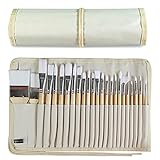
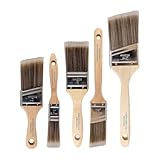
I remember the first time I tried to decoupage something. It was a cheap little wooden box I wanted to make look fancy. I grabbed what I thought were my best brushes – nice synthetic ones I used for acrylic painting. The Mod Podge went on… okay. But the streaks? Oh, the streaks. And the way the brush hairs sometimes just fell out into the wet goo? Disaster.
It got me thinking, and honestly, a bit annoyed. Why is this specific product, Mod Podge, treated like it needs its own special brand of brush? This whole question, are Mod Podge brushes different from foam paint brushes, kept nagging at me.
After years of slapping down glue and sealant on everything from furniture to tiny figurines, I’ve learned a thing or two. And yeah, sometimes the fancy packaging or the dedicated ‘craft’ brush is just marketing. Other times, there’s a real reason.
My Big Brush Blunder and What I Learned
Let’s be brutally honest. When I first got into crafting and DIY projects that involved a lot of gluing and sealing, I assumed all brushes were pretty much the same. I had a stash of synthetic bristle brushes from my acrylic painting days – a few cheap ones, a couple I’d splurged on. When I saw Mod Podge bottles, I figured any of my existing brushes would do the trick. I was wrong. So, so wrong.
My first major project was decoupaging a vintage map onto a tabletop. I used my trusty synthetic brushes. The Mod Podge, a thick, viscous liquid, didn’t spread evenly. It left visible brush strokes that looked like little ridges, even after drying. Worse, some of the finer bristles from my ‘good’ brush decided to take a vacation and embed themselves permanently in the sticky surface. It looked… amateurish. Like I’d tried to paint a wall with a toothbrush. I remember scrubbing at those ridges with a damp cloth, trying to smooth them out, only to lift some of the map’s ink. That was a ‘holy cow, this is NOT working’ moment.
Then I tried a cheap foam brush that came in a multi-pack. It was a revelation. For that specific project, the foam brush applied a much smoother, more even coat.
No stray hairs. The foam soaked up just the right amount of Mod Podge and distributed it without the drag I got from bristles.
This led me down a rabbit hole of understanding the actual differences, and I realized that while foam brushes aren’t always the only answer, they often excel where bristled brushes falter with glues like Mod Podge. It really highlighted how the application tool can make or break a project, especially when working with specific mediums.
The common advice you’ll find online often steers you towards specialized ‘Mod Podge brushes’ or specific bristle types, but my experience showed that a humble foam brush can often be the unsung hero. It’s less about the brand name on the brush and more about the material and its properties when interacting with the adhesive.
Why Mod Podge Brushes Might Be a Thing (and When They Aren’t)
So, what’s the deal with all the talk about specific ‘Mod Podge brushes’? Is it just marketing hype, or is there a genuine advantage? From my years of slathering this stuff on everything from cardboard boxes to furniture legs, I’ve come to believe it’s a bit of a mix, with a heavy leaning towards ‘marketing hype’ for most scenarios.
The brushes often marketed specifically for Mod Podge are typically synthetic bristled brushes. They might claim to have ‘special’ bristles designed to resist the glue, or a specific density and flexibility. And yes, some high-quality synthetic brushes are good for Mod Podge. They offer control and can be cleaned and reused multiple times. The key here is ‘synthetic’ and ‘high-quality’. Cheap natural bristles, or even lower-grade synthetics, can absorb too much glue, shed hairs, and leave noticeable streaks. I’ve spent upwards of $15 on a single ‘craft’ brush that claimed to be the ultimate Mod Podge applicator, only to find it performed nearly identically to a $3 synthetic brush I already owned. (See Also: Can Acrylic Paint Go In An Air Brush )
However, the ‘special’ factor is often overstated. Mod Podge is basically a PVA glue (polyvinyl acetate), similar to white craft glue or even wood glue in its basic form. It’s water-based. Most synthetic brushes designed for acrylic or latex paints will handle it just fine, provided they are decent quality and you clean them immediately after use. The real difference you’ll notice is often between a good synthetic brush and a bad one, or between a synthetic brush and a foam brush. The ‘Mod Podge’ label doesn’t magically imbue a brush with superior properties.
The main advantage of a well-made synthetic brush for Mod Podge is its reusability and the fine control it offers for detailed work or smaller projects. You can get into tight corners and apply thin, even coats if you’re careful. But if you’re covering a large surface, or if you’re prone to leaving brush strokes, the dedicated ‘Mod Podge’ label might not be the magic bullet you’re hoping for.
I once bought a set of three brushes labeled ‘for Decoupage & Crafts’ for about $12, and they were absolute garbage. Brittle, shed like crazy.
It really cemented my opinion that the label means far less than the actual construction of the brush. It’s the material science, not the marketing, that counts.
Foam Brushes: The Unsung Heroes for Smoothness
Now, let’s talk about the humble foam brush. If you’ve ever tackled a big decoupage project or needed a super smooth finish with Mod Podge, you’ve probably encountered these. And honestly? For many applications, they are downright superior to bristled brushes, including those fancy ‘Mod Podge’ branded ones. Why? It’s all about the material and how it interacts with the glue.
Foam brushes are typically made from a dense, porous foam head attached to a plastic or wooden handle. When you dip a foam brush into Mod Podge (or any water-based adhesive), the foam absorbs a good amount without becoming saturated and dripping everywhere like a sponge might. Importantly, the foam doesn’t have individual bristles that can snag, clump, or leave streaks. Instead, it glides over the surface, laying down a remarkably even and smooth layer of Mod Podge. This is especially important for projects where you want a flawless finish, like covering furniture, applying paper to a smooth surface, or when using thin papers that can easily tear or wrinkle if you apply too much pressure or an uneven coat.
I remember decoupaging an old dresser with fabric. I tried my best synthetic brushes first. It was a nightmare of lint from the fabric getting caught in the bristles, and the Mod Podge just wasn’t spreading evenly on the textured material. I switched to a pack of cheap foam brushes from the hardware store, the kind you get in packs of 10 for a few bucks. Boom. Smooth as glass. The fabric laid down perfectly, and the Mod Podge seeped in evenly. The foam was gentle, didn’t snag the fabric, and the wide surface area covered large sections quickly. It was one of those moments where a cheap, disposable tool outshines expensive, reusable ones.
The biggest ‘downside,’ if you can call it that, is that foam brushes are generally disposable. While you can clean them, the foam can degrade, and they don’t hold up to rigorous cleaning as well as synthetic brushes. However, for the price, this is often a worthwhile trade-off.
They are incredibly affordable, meaning you can grab a fresh one for every project or even for different colors of Mod Podge if you’re doing a lot of work. For large areas or projects where a smooth, streak-free finish is most important, foam brushes are, in my opinion, the way to go. They’re often the answer to the ‘are Mod Podge brushes different from foam paint brushes’ question, leaning heavily towards foam for ease and finish.
The Truth About Bristle Types for Adhesives
When we talk about brushes for adhesives like Mod Podge, the material of the bristles makes a huge difference. This is where the comparison between synthetic and natural bristles becomes really important, and it directly impacts how well they work with sticky substances. (See Also: Can Acrylic Paints Be Used In An Aqua Brush )
Natural bristles, like hog hair or badger hair, are porous and can absorb a lot of liquid. While great for some types of paint, they tend to soak up Mod Podge, making the brush heavy and prone to dripping. They can also swell up when wet, which alters their stiffness and can lead to uneven application. I’ve had natural bristle brushes become almost useless after just one use with a water-based glue because they swell and lose their shape. Plus, natural bristles are more prone to shedding. Those little hairs clinging to your project? Not ideal.
This is why synthetic bristles – usually nylon, polyester, or a blend – are generally preferred for Mod Podge and other water-based adhesives. Synthetic bristles are non-porous. They don’t absorb as much liquid, meaning you have more control over how much Mod Podge you apply.
They also maintain their shape and stiffness better when wet, reducing the risk of streaking. High-quality synthetic brushes are also more durable and easier to clean.
I’ve found that brushes with a medium stiffness are often best; too soft and they might bend too much, too stiff and they can be harsh. The key is a good quality, well-constructed synthetic brush.
I personally lean towards brushes with a firm but flexible synthetic bristle for most Mod Podge tasks. They give me the precision I need for smaller areas without the shedding or absorption issues of natural fibers. It’s not about a specific ‘Mod Podge’ brush, but a quality synthetic brush that’s up to the job.
This is also where the ‘foam vs. bristles’ debate really gets interesting. While a good synthetic brush is great, a foam brush often bypasses the bristle-related issues entirely. The material itself is the applicator, and because it’s uniform and non-fibrous, it naturally lends itself to a smoother, more consistent application of sticky mediums. The choice often boils down to the project’s needs: control and detail with a good synthetic brush, or broad, smooth coverage with a foam brush.
Common Mistakes When Choosing Brushes for Mod Podge
- Using old, dried-out brushes: Brushes with hardened glue or paint will never apply smoothly.
- Using cheap natural bristles: Prone to shedding and absorption, leading to streaks and lost hairs.
- Not cleaning brushes immediately: Mod Podge dries hard. If you don’t clean it out ASAP, the brush is ruined.
- Choosing the wrong size: A tiny brush for a large surface will take forever and likely look uneven. A huge brush for a tiny detail will be clumsy.
- Overworking the adhesive: Trying to spread Mod Podge too thin or too thick can cause issues. The brush choice impacts how easily you can apply the right amount.
Practical Tips for Using Brushes with Mod Podge
Alright, enough theory. How do you actually make these brushes work for you? Whether you’re using a specialized brush, a synthetic paintbrush, or a trusty foam applicator, a few simple practices can make a world of difference. I’ve learned these through trial and error, mostly error, so you don’t have to.
First off, always, always clean your brushes immediately after use. Mod Podge dries into a hard, plastic-like substance that’s nearly impossible to remove once cured. A quick rinse with warm water and a little soap should do the trick for synthetic brushes. For foam brushes, you can sometimes rinse and reuse them once or twice if you’re diligent, but they are often best treated as disposable. Don’t let them sit around with dried Mod Podge on them; they’ll become useless stiff sponges.
Secondly, consider the surface and the material you’re applying. For large, flat areas and smooth materials like paper or thin fabric, foam brushes are often my go-to. They lay down a beautiful, even coat without the risk of streaks or snagging delicate items. For smaller, detailed areas, intricate cutouts, or working with textured materials where you need more precision, a good quality synthetic bristle brush is better. Think about painting a small wooden figurine; you’ll want the control of a synthetic brush.
Third, don’t overload your brush. Whether it’s foam or bristles, dip it into the Mod Podge, then gently wipe off the excess on the rim of the container. You want a thin, even coat. Too much Mod Podge will lead to pooling, drips, and potentially wrinkling your paper. Work in smooth, consistent strokes. For larger areas, I often apply in one direction (e.g., horizontally) and then go back over it lightly in the perpendicular direction (vertically) to make sure full coverage and smooth it out. This layering helps minimize visible brush strokes. (See Also: A Brushes Digital Painting )
Lastly, if you’re using synthetic brushes and you’re getting streaks, try angling the brush slightly or using lighter pressure. Sometimes, a slightly thicker application with less pressure is better than trying to spread a thin coat with too much drag. And if you’re really struggling with streaks on a large project, don’t be afraid to grab a foam brush. They are cheap and incredibly effective for achieving that smooth, professional finish that can be so elusive with other tools. My own experience with using a dedicated applicator brush versus a cheap foam one showed me that sometimes, simplicity wins.
Comparing Application Tools: A Real-World Verdict
Let’s break down how different brush types stack up when it comes to applying Mod Podge. This isn’t just about what’s fancy or what’s cheap; it’s about what gets the job done well for different scenarios. I’ve used them all, and here’s my honest take:
| Brush Type | Pros | Cons | Best For | My Verdict |
|---|---|---|---|---|
| Dedicated “Mod Podge” Brushes (usually synthetic) | Often marketed for the job, decent control, reusable if cleaned. | Can be overpriced for what they are, performance varies wildly. | Medium-sized projects, general crafting where a bit of control is needed. | Overpriced marketing. A good quality synthetic brush is just as good, often cheaper. |
| High-Quality Synthetic Bristle Brushes | Excellent control, good for detail work, reusable, durable, non-porous. | Requires immediate cleaning, can still leave slight streaks if not used carefully. | Detailed work, smaller projects, applying to textured surfaces, fine art applications. | My workhorse for most detailed projects. Reliable and precise. |
| Disposable Foam Brushes | Extremely smooth finish, even application, no streaks, no shedding, very affordable. | Disposable (can be messy to clean), less precision for tiny details. | Large flat surfaces, decoupaging paper/fabric onto furniture, achieving a glass-like finish. | The secret weapon for smooth, large-area coverage. Can’t beat the finish for the price. |
| Natural Bristle Brushes | Not really applicable for Mod Podge; better for certain paints. | Absorbs too much adhesive, swells, sheds, difficult to clean, leads to streaks. | Honestly? Not for Mod Podge or similar water-based glues. Stick to paint. | Avoid for adhesives. They just don’t play nice with sticky stuff. |
The common thread here is that the material and construction matter far more than the label. Whether they are called ‘Mod Podge brushes’ or just ‘craft brushes,’ if they are synthetic and well-made, they can work. But for pure, unadulterated smoothness on larger areas, the foam brush is king. My personal journey with these tools has shown me that sometimes the most basic, disposable option offers the most professional-looking results. It’s a tough lesson when you’ve spent good money on something that underperforms.
Faq: Are Mod Podge Brushes Different From Foam Paint Brushes?
Are Foam Brushes Good for Mod Podge?
Yes, foam brushes are often excellent for Mod Podge, especially for larger projects or when you need a very smooth, streak-free finish. Their porous surface applies the adhesive evenly without leaving bristle marks, which is a common issue with traditional brushes. They glide over surfaces, making them ideal for decoupaging paper or fabric.
Can I Use Regular Paint Brushes for Mod Podge?
You can use regular synthetic paint brushes for Mod Podge, and they work well, particularly for smaller or more detailed applications. Look for synthetic bristles rather than natural ones, as synthetics are non-porous, absorb less adhesive, and are less likely to shed. Always clean them immediately after use to prevent the Mod Podge from drying and ruining the brush.
Why Do Foam Brushes Work Better for Mod Podge Than Bristled Brushes?
Foam brushes offer a smoother application because they don’t have individual bristles that can snag, clump, or leave visible strokes in the adhesive. The uniform foam surface distributes the Mod Podge evenly across the project. Bristled brushes, even good ones, can sometimes leave a slightly textured finish or trap air bubbles, which foam brushes tend to avoid.
Do I Need to Buy Special Brushes for Mod Podge?
No, you don’t necessarily need to buy brushes specifically labeled for Mod Podge. High-quality synthetic bristle brushes or inexpensive foam brushes from a craft or hardware store are often just as good, if not better, depending on the project. Focus on the material and quality of the brush rather than the brand name.
Verdict
So, are Mod Podge brushes different from foam paint brushes? In essence, not fundamentally in material science. While some brushes are marketed specifically for Mod Podge, often they are just decent synthetic brushes. The real distinction you’ll feel, and see in your work, is between bristled brushes (synthetic being the preferred type for adhesives) and foam brushes. For a smooth, forgiving application, especially on larger areas, a foam brush often takes the cake. For detail work and precision, a good synthetic brush is your friend.
Don’t get caught up in the hype of buying a specific ‘Mod Podge’ brand brush unless it genuinely offers something unique, which I’ve rarely found. My advice? Stock up on a few good quality synthetic brushes in various sizes and a multipack of foam brushes. They’ll cover about 95% of your Mod Podge needs, from tiny embellishments to covering an entire tabletop. You’ll save yourself money and a lot of frustration. Ultimately, the best brush is the one that gives you the smoothest finish with the least amount of hassle for your specific project.