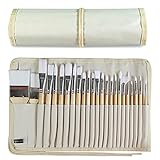
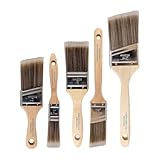
I remember staring at a wall of paintbrushes, feeling like I was trying to choose a battle rifle in a toy store. So many options, so many promises. Are nylon brushes good for acrylic painting? It’s a question I’ve wrestled with for years, and honestly, the advice out there can be as murky as unprimed canvas. I’ve seen artists swear by them, and others toss them aside like yesterday’s news. Let’s cut through the fluff and get to what actually matters when you’re slinging paint.
Look, I’ve blown more money than I care to admit on fancy brushes that turned out to be glorified dusters. It’s frustrating. But through the trial and error, the muddy mixes, and the surprisingly good results, I’ve learned a thing or two about what makes a brush sing with acrylics. And yes, nylon brushes are definitely part of that story.
Why Everyone’s Obsessed with Nylon (and Why They’re Right, Mostly)
Let’s get this out of the way: nylon brushes are the workhorses of the acrylic painting world, and for good reason. They’re affordable, durable, and they handle acrylics like a champ. Acrylic paint is, well, plastic-based. It dries fast and can be pretty unforgiving on brush hairs.
Natural bristles, like hog hair or sable, can get stiff and gummy when they’re constantly dunked in acrylics, and they often don’t bounce back well. Nylon, on the other hand, is synthetic. It’s designed to withstand this kind of abuse. Think of it like this: you wouldn’t use a fine silk tie to scrub a greasy engine, right?
Same principle. Nylon is built for the rough and tumble of acrylics.
It’s got a springiness, a ‘snap,’ that lets you get crisp lines and control the paint flow. It doesn’t absorb water like natural hair either, which means less swelling and warping.
This is huge when you’re working quickly, which, let’s be honest, is most of the time with acrylics. I’ve had cheap nylon rounds that lasted me through entire projects before they started to fray.
That’s value. They hold a good amount of paint for their size, and they lay it down smoothly. For beginners, this is a godsend. You don’t need to be a brush whisperer to get decent results.
You can focus on your colors and composition instead of wrestling with a brush that’s fighting you. The common advice is often to invest in natural hair brushes for oils or watercolors, and that’s generally true.
But for acrylics? Nylon is your most reliable friend. You can get a whole set of decent nylon brushes for the price of one decent sable brush, and frankly, you’ll probably use the nylon ones more for acrylics anyway.
The variety of shapes and sizes available in nylon is also staggering, from tiny liners to massive flats, so you can find exactly what you need for any technique, whether it’s delicate details or broad strokes.
What to Actually Look for in a Nylon Brush
Okay, so not all nylon is created equal. I’ve bought brushes that felt like cheap plastic rods and others that felt surprisingly supple and responsive. (See Also: Can Acrylic Paint Go In An Air Brush )
Here’s what I scrutinize before I hand over my cash. First, the bristles.
Run your fingers through them. Do they feel soft and springy, or stiff and scratchy? You want that resilience.
If you press down and they splay out like a startled porcupine, that’s a bad sign. They should spring back to their original shape. Next, look at how the bristles are packed. A good brush will have densely packed bristles.
This means more paint-holding capacity and better control. If you can see daylight through the bristles easily, especially in a flat or filbert, it’s probably not going to perform well.
The ferrule – that’s the metal part holding the bristles to the handle – should be smooth and crimped tightly. A loose ferrule is a recipe for disaster, and you’ll be fishing bristles out of your paint.
I’ve had cheap ones where the ferrule was so flimsy, it actually deformed after a few uses, making the brush useless. The handle itself is less important for performance but matters for comfort. I prefer a longer handle for easel work; it gives you more distance and control. Shorter handles are great for detail work on a tabletop.
Some handles are ergonomically shaped, which is nice, but honestly, a comfortable grip is personal. Some artists swear by weight balance, and while I notice it, I don’t obsess over it.
The key is that the brush feels like an extension of your hand, not a clumsy tool. And don’t be fooled by fancy packaging or brand names alone. I’ve found some surprisingly good, no-name brushes at art supply stores that punch way above their weight class.
Conversely, I’ve also been burned by expensive “artist-grade” nylon brushes that were frankly disappointing. My rule of thumb: if it feels good and looks well-made, give it a try.
For about $15-$25, you can usually get a decent few brushes to test out the quality. Don’t buy a massive set until you know you like the brand and feel.
Common Mistakes That Make You Hate Nylon Brushes
This is where I’ve learned my biggest lessons. The number one mistake? Not cleaning them properly. (See Also: Can Acrylic Paints Be Used In An Aqua Brush )
Acrylic paint is a sticky beast. If you let it dry in the bristles, it’s like cement. It ruins the brush’s shape, makes them stiff, and eventually, they’re toast. After every painting session, I rinse my brushes thoroughly under cool water, gently working out the paint.
If there’s stubborn pigment, I use a bit of brush soap – a specialized cleaner or even a gentle dish soap works in a pinch. Never, ever leave your brushes sitting in water upright, bristle-side down. This is a fast track to a splayed-out, ruined brush. The glue holding the bristles in the ferrule will weaken, and the bristles will bend permanently.
Also, people often use the wrong brush for the wrong job. Trying to get super fine details with a large, soft nylon brush is like trying to thread a needle with a garden hose.
Conversely, using a stiff, small brush for broad washes will leave you with streaks and an uneven finish. Another big one: over-reliance on cheap, flimsy brushes. Yes, nylon is generally affordable, but there’s a difference between affordable quality and just plain cheap.
I once bought a pack of brushes for $5 that were so poorly made, the bristles started falling out after the first hour of painting. I ended up spending more money buying replacements than if I had just bought one or two decent brushes to begin with.
People also tend to neglect brush care altogether, thinking they’re disposable. While some cheap ones might be, investing a little time in cleaning and proper storage can make even mid-range nylon brushes last for years.
Think of them as an investment, not a consumable. You wouldn’t trash your favorite pair of jeans after one wear, right?
Treat your brushes with a little respect, and they’ll serve you well.
My Real-World Experience: What Works for Me
I’ve been painting with acrylics for over a decade, and I’ve gone through my fair share of brushes. For years, I chased the expensive, natural-hair dream, thinking that’s where the magic was. I spent probably $400 trying to find the ‘perfect’ sable brushes for acrylics, only to find them getting gummy and losing their shape within a few months.
Total waste. Then I had a moment of clarity, fueled by sheer frustration and an empty wallet. I went back to basics and started experimenting with different nylon brushes. I discovered that for most of my work – whether it’s landscapes, portraits, or abstract pieces – a good set of synthetic brushes is all I really need.
I’ve got a go-to set of Princeton Velvetouch brushes that I absolutely love. They have that perfect balance of softness and snap, and they hold paint beautifully. They’re synthetic, but they mimic the feel of natural bristles remarkably well, and they’re incredibly durable with acrylics. I also keep a few cheaper, stiffer nylon brushes for tasks like applying texture paste or scrubbing in underlayers. (See Also: A Brushes Digital Painting )
For fine detail work, I’ve found some excellent, inexpensive liner brushes from brands like Royal & Langnickel that are surprisingly precise. The key for me isn’t necessarily brand name or material, but how the brush feels in my hand and how it responds to the paint. I’ve learned to trust my intuition. If a brush feels good, it usually performs well.
My personal preference leans towards longer handles for general painting, but I do have a few shorter ones for smaller canvases or when I’m sitting close at my desk. I’ve also found that a good brush soap, like The Masters Brush Cleaner and Preserver, is a big deal for keeping them in top shape. It’s a small investment, maybe $10-$15, but it extends the life of my brushes significantly.
It’s the best $15 I’ve spent on brush care.
Are Nylon Brushes Good for Acrylic Painting? A Practical Comparison
So, you’re asking, are nylon brushes good for acrylic painting? Let’s break down how they stack up against other common brush types for acrylics. It’s not always black and white, and the ‘best’ brush often depends on your specific technique and desired effect. But for most acrylic artists, nylon is the reliable go-to. Here’s a quick rundown:
| Brush Type | Pros for Acrylics | Cons for Acrylics | My Verdict |
|---|---|---|---|
| Nylon (Synthetic) | Durable, holds shape, springy, affordable, good paint load, resists acrylic gummy-ness. | Can sometimes feel less ‘luxurious’ than natural hair for some techniques, quality varies widely. | The absolute workhorse. Excellent for most applications. |
| Hog Bristle (Natural) | Stiff, great for texture, impasto, moving thick paint. Holds up to solvents. | Can be too stiff for fine details, absorbs water and can get ‘fatigued’ with acrylic mediums. Needs thorough cleaning. | Good for very specific textural effects, but not an everyday brush for acrylics. |
| Sable/Kolinsky (Natural) | Incredibly soft, fine point, excellent for watercolor and oils. | Absorbs acrylic mediums quickly, gets gummy, bristles can splay easily with the wrong handling, very expensive, doesn’t maintain shape as well as nylon with acrylics. | Honestly, a waste of money for acrylics unless you are doing extremely delicate, almost watercolor-like washes with specialized acrylics. |
| Taklon (Synthetic) | Similar to nylon, often softer, good for smooth finishes. | Can sometimes lack the ‘snap’ of good nylon. Quality varies. | A good alternative to nylon, especially if you prefer a softer feel. |
| Bristlon/Golden Taklon (Stiff Synthetics) | Designed to mimic hog bristle but synthetic. Good for texture and thicker paint. | Can still be a bit too stiff for smooth blending compared to softer synthetics. | A decent option if you want texture without the natural bristle issues. |
As you can see, nylon consistently hits the sweet spot for acrylic painting. It offers the best balance of performance, durability, and cost. While hog bristle has its place for very specific textural work, and sable is a dream for other mediums, nylon is the most versatile and forgiving choice for acrylics. I’ve tried to make sable work countless times, thinking I was missing something, but it just felt wrong and expensive. The key is choosing good quality nylon.
Faq: Your Burning Questions About Nylon Brushes Answered
Can You Use Nylon Brushes with Oil Paint?
Yes, you absolutely can use nylon brushes with oil paint. While natural bristles like hog hair are traditionally favored for oils due to their stiffness and ability to handle thick paint, synthetic bristles, including nylon, perform very well. They are durable, easier to clean, and generally more affordable. Nylon brushes can provide a smoother stroke and are excellent for blending. Just be sure to clean them thoroughly after use to prevent the oil paint from drying and damaging the bristles.
Are Synthetic Brushes Better Than Nylon for Acrylics?
Nylon is a type of synthetic brush, so the question is really about comparing different types of synthetics. Generally, high-quality nylon brushes are excellent for acrylics. Other synthetic materials like Taklon can also be very good, often offering a softer feel. The ‘better’ brush depends on the specific qualities you’re looking for – softness, stiffness, snap, and paint-holding capacity. For most acrylic applications, good quality nylon is a fantastic choice, offering a great balance of performance and value.
How Do I Clean My Nylon Acrylic Brushes?
Cleaning nylon acrylic brushes is important for their longevity. Immediately after painting, rinse the brush under cool running water, gently working out the paint from the bristles. Avoid twisting or aggressive scrubbing. If paint residue remains, use a dedicated brush soap (like The Masters Brush Cleaner and Preserver) or a mild dish soap. Gently lather and rinse until the water runs clear. Never leave brushes standing in water or solvent, and always reshape the bristles and lay them flat or hang them bristles-down to dry. Proper cleaning prevents paint from hardening in the bristles and maintains their shape and flexibility.
Do Nylon Brushes Wear Out Quickly with Acrylics?
Nylon brushes are generally quite durable and can last a long time with proper care. While they are susceptible to wear and tear like any tool, their synthetic nature makes them more resistant to the drying and hardening effects of acrylic paint compared to natural bristles. The main reasons they wear out quickly are improper cleaning (letting paint dry in the bristles), poor storage (damaging the bristles), and using very cheap, poorly constructed brushes. With regular cleaning and careful handling, good quality nylon brushes can serve you well for many painting projects.
What’s the Difference Between Nylon and Taklon Brushes?
Both nylon and Taklon are synthetic brush hairs commonly used for acrylic painting. The primary difference lies in their feel and performance characteristics. Nylon is known for its resilience and ‘snap’ – a springy quality that makes it excellent for control and crisp lines. Taklon, on the other hand, is often softer and can provide a smoother, more fluid application, sometimes mimicking the feel of finer natural hairs like sable. The quality and specific manufacturing process can significantly impact the performance of both nylon and Taklon brushes, so it’s always worth checking reviews or testing them if possible.
Conclusion
So, to answer the question directly: yes, are nylon brushes good for acrylic painting? They are not just good; they are often the best practical choice for most artists. I’ve wasted money on fancy natural hair brushes for acrylics that just didn’t cut it. Nylon offers durability, affordability, and excellent performance that stands up to the demands of acrylic mediums. The key is to invest in decent quality nylon, learn how to clean and care for them, and match the brush shape to your technique.
Don’t be afraid to experiment. I found my favorite brushes through trial and error, and you will too. Pay attention to how the bristles feel and how they handle the paint. Trust your hands and your eyes more than just what the packaging says. You might be surprised at what you find.
Next time you’re at the art store, grab a few different shapes and sizes of good quality nylon brushes. Give them a spin on your next canvas and see how they feel. You might just discover your new favorite painting companion.