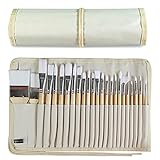
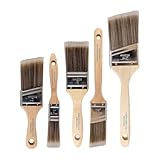
I remember the first time I bought a set of cheap synthetic brushes, convinced they’d be the secret weapon to effortless blending. Spoiler alert: they weren’t. They were stiff, unforgiving, and shed bristles like a nervous dog. That experience, and many like it, taught me a harsh lesson: not all brushes are created equal, especially when you’re wrestling with the sticky, unforgiving nature of oil paints. So, the question keeps popping up: are nylon brushes good for oil painting? Let’s cut through the marketing fluff and get down to brass tacks.
For years, the art world seemed to unanimously point towards hog bristle or sable for oils. Nylon, with its synthetic pedigree, felt like the budget option, the one you bought when you couldn’t afford the ‘real deal’. But things change, materials evolve, and my own journey has shown me that sometimes, the underdog has more fight than you’d expect. So, if you’re wondering if nylon is worth your time and money for oil painting, stick around.
Why the Fuss About Bristle Type Anyway?
Look, the brush is an extension of your hand, your intention. For oil painting, the medium itself is thick, viscous, and requires a certain kind of tool to manipulate it effectively. Traditionally, hog bristle brushes have been the go-to. They’re stiff, they have a natural ‘flagging’ (split ends) which helps hold paint and create texture, and they can stand up to the solvents and mediums used with oils without falling apart. They’re great for energetic marks, impasto work, and getting that nice directional stroke that screams ‘oil painting’.
Then there’s sable. Oh, sable. Soft, springy, incredibly fine-tipped, it’s the darling of watercolorists and fine detail oil painters. It holds a beautiful point, can carry a lot of pigment, and offers unparalleled control for delicate work. But let’s be honest, a good sable brush costs a small fortune, and for most of us just trying to get paint on canvas without breaking the bank, it’s a luxury.
Nylon, on the other hand, is a plastic. It’s engineered. It can be made stiff or soft, fine-tipped or broad. The big question for oil painting has always been about its durability and how it interacts with oil-based paints and the aggressive solvents often used for cleaning. Early synthetics were often too soft, too flimsy, or just didn’t hold their shape. They’d splay out after a few uses, and paint would get embedded deep in the fibers, making cleaning a nightmare. I certainly had my share of synthetic brushes that ended up in the bin after a few frustrating sessions, feeling like I’d just thrown money away.
But here’s the kicker: the technology behind synthetic brushes has improved dramatically. Manufacturers have learned to mimic the properties of natural bristles more effectively. They can create nylon fibers that have more ‘snap’, better resilience, and are more resistant to degradation from oils and solvents. So, while the reputation might linger, the reality on the ground for many artists has started to shift. It’s not just about picking up any nylon brush; it’s about picking up the right nylon brush for the job.
What to Look for in a Nylon Brush for Oils
Alright, so you’re convinced that maybe, just maybe, nylon brushes aren’t the total write-off they once were. That’s a good start. Now, how do you actually pick one that won’t leave you crying into your turpentine? It comes down to a few key things. First and foremost, you need stiffness. Oil paint is heavy, and you need a brush that can push it around, not just smear it. Look for brushes that are advertised as ‘firm’, ‘stiff’, or ‘resilient’. They should have a good amount of ‘snap’ – meaning when you bend the bristles, they spring back into shape quickly.
The shape of the brush head is also important. For general oil painting, flats, filberts, and brights are your friends. Flats are great for broad strokes and laying down color. Filberts give you the best of both worlds, with the ability to create both broad strokes and softer, rounded marks. Brights are shorter flats, excellent for thicker paint and energetic marks. Round brushes are better for detail and line work, but even then, you want a stiffer synthetic if you’re going to use them with oils. Avoid anything too floppy or soft, as it will likely just bend and not deliver the paint effectively. (See Also: Can Acrylic Paint Go In An Air Brush )
Another factor is the quality of the ferrule (the metal part that holds the bristles to the handle) and the handle itself. A cheap ferrule can rust or loosen, leading to bristles falling out – a painter’s nightmare. A well-constructed brush will have a strong, smooth ferrule. The handle should feel comfortable in your hand; you’ll be holding it for hours. Some artists prefer longer handles for more distance from the canvas, while others like shorter ones for finer control. Personally, I find a medium length works best for most of my oil work.
When you’re testing a brush, give it a gentle flick. Do the bristles splay out wildly? Do they feel like they’re made of plastic straw? If so, put it back. You want bristles that feel somewhat dense and have a good taper. Some synthetic brushes are designed with different diameters of fiber within the same brush head to mimic the natural variations found in animal hair. This can be a good indicator of quality. I once bought a set that looked decent enough, but as soon as I loaded them with paint, they felt like I was trying to paint with a whisk. Total waste of about $40. I learned to be much more discerning after that.
Common Mistakes When Using Nylon Brushes for Oils
The biggest mistake I see people make with nylon brushes for oil painting is treating them the same way they would a hog bristle or sable brush right out of the box. You can’t. You have to be a bit more mindful. For instance, using too much solvent when cleaning can break down the synthetic fibers over time, making them brittle and prone to breaking. While they are more solvent-resistant than some other synthetics, they aren’t indestructible. I learned this the hard way after a particularly vigorous cleaning session with mineral spirits left a few of my favorite synthetics looking sad and splayed.
Another common pitfall is expecting them to perform like natural hair for certain effects. Nylon brushes generally don’t have the same subtle texture-holding capabilities of hog bristle. They might not create those beautiful, broken-color textures as naturally. If you’re aiming for a very specific, painterly texture that relies on the slight variations in natural hair, you might find nylon falls short. You’ll have to work a bit harder to achieve similar results, perhaps by using thicker paint or employing different brushwork techniques.
People also tend to be too rough with them. While many nylon brushes are designed for durability, they still have their limits. Scrubbing aggressively, especially on a rough canvas, can damage the tips and cause splaying. It’s like using a plastic scouring pad on a delicate surface – eventually, it wears down. You need to use a lighter touch, let the paint and the brush do the work, rather than forcing it.
And then there’s the expectation of longevity. While good quality nylon brushes can last a long time with proper care, they generally won’t have the same lifespan as a top-tier natural bristle brush. They are often more affordable, and for many artists, the trade-off is worth it. The mistake is buying the cheapest pack you can find and expecting professional results or years of service. You get what you pay for, and with synthetic brushes, this is especially true. I’ve seen artists complain about nylon brushes losing their shape, but when I ask them about their cleaning routine or how they treat their brushes, it’s usually a red flag.
Real-World Use: When Nylon Shines
So, where do nylon brushes actually shine in the world of oil painting? For underpainting, they can be fantastic. Underpaintings often involve laying down broad areas of color, blocking in shapes, and creating a foundational layer. A firm nylon brush can handle this workhorse task with ease. They can hold a good amount of paint and spread it thinly or thickly depending on your needs, and they are generally easier to clean than natural bristles when dealing with the initial layers of paint and solvent. (See Also: Can Acrylic Paints Be Used In An Aqua Brush )
They’re also brilliant for plein air painting. If you’re working outdoors, your brushes are going to get exposed to more elements, and you might not have the luxury of a meticulously organized studio for cleaning. A durable nylon brush can take a bit more abuse, and if it gets a bit banged up, it’s less of a financial hit than a sable brush. I’ve taken cheap, but decent quality, nylon flats out on trips, and they’ve held up admirably for sketching out scenes and laying in base colors. They’re reliable workhorses.
For artists who prefer a smoother finish, certain types of nylon brushes can be excellent. While hog bristle is known for its texture, some finer-tipped, softer nylon bristles can create smoother blends and more polished surfaces. This is particularly true if you’re working with oil mediums that enhance flow and blendability. It’s about choosing the right nylon for the job, not just grabbing any old synthetic.
And let’s not forget the budget-conscious artist, or the beginner who is still experimenting. Investing heavily in expensive natural brushes right away can be daunting. Nylon brushes offer a way to get started, to learn the feel of oil paint and different brush shapes, without a massive financial commitment. The trick is to buy the best quality nylon you can afford, rather than the cheapest. A mid-range synthetic brush from a reputable brand can offer surprising performance and durability. I’ve found sets from brands like Princeton and Silver Brush to be quite good for their price point when I need a reliable synthetic.
The Opinion Table: Nylon vs. Other Bristles for Oils
It’s not always black and white, is it? Here’s a breakdown of how nylon stacks up against the usual suspects, with my take on it. Remember, this is based on my experience and what I’ve seen work for different tasks and artists.
| Brush Type | Best For | My Verdict on Oils | Downsides for Oils |
|---|---|---|---|
| Hog Bristle | Impasto, texture, energetic strokes, underpainting | The classic for a reason. Great snap and holding power. | Can be too stiff for subtle blending, prone to holding paint if not cleaned well. |
| Sable | Fine detail, smooth blending, glazing | Overkill for most oil work unless you need extreme precision. Very expensive. | Too soft for most oil paint application, expensive, can be damaged by aggressive solvents. |
| Nylon (Good Quality) | General application, underpainting, plein air, smoother finishes | Surprisingly versatile and cost-effective. Good for beginners and workhorse tasks. | May lack the unique texture capabilities of hog bristle, needs careful cleaning. |
| Synthetic (Other, e.g., Taklon) | Varies widely; can mimic sable or bristle depending on design | Some higher-end synthetics are excellent. Depends heavily on the brand and intended use. | Quality varies wildly. Cheap ones are often useless. Can sometimes feel ‘plasticky’. |
My personal preference often leans towards a mix. I’ll use hog bristle for my initial layers and heavy texture, then maybe a softer synthetic or even a delicate sable for fine details or glazing towards the end. But for the bulk of my work, especially when I’m just trying to get paint down and explore ideas, good quality nylon brushes are my workhorses. They just offer that balance of performance and price that’s hard to beat.
The Faq Section: Tackling Your Burning Questions
Can Nylon Brushes Be Used for Oil Painting?
Yes, absolutely. While historically hog bristle was the standard, modern high-quality nylon brushes are very capable of handling oil paints. They offer a good balance of stiffness, durability, and affordability, making them a viable option for many oil painting techniques and artists, especially beginners or those on a budget.
Are Nylon Brushes Durable Enough for Oil Paint?
Good quality nylon brushes are surprisingly durable for oil painting. They are designed to be more resistant to the solvents and oils used in oil painting than many other synthetic materials. However, their durability depends heavily on the quality of the brush and how well it is cared for; aggressive cleaning or rough handling can still lead to damage. (See Also: A Brushes Digital Painting )
Do Nylon Brushes Hold Paint Well for Oil Painting?
The paint-holding capacity of nylon brushes for oil painting varies with the brush’s design and quality. Stiffer, denser nylon bristles can hold a good amount of paint, allowing for expressive strokes. However, they might not hold paint with the same subtle texture-generating capability as natural hog bristle brushes, which have split ends that trap paint.
What Is the Main Advantage of Using Nylon Brushes for Oils?
The primary advantage of using nylon brushes for oil painting is their cost-effectiveness and versatility. They are significantly cheaper than natural bristle or sable brushes, making them accessible for beginners and artists on a budget, while still offering good performance for various oil painting applications.
Are There Any Disadvantages to Using Nylon Brushes for Oil Painting?
Some disadvantages include that they may not offer the same nuanced textural effects as natural hog bristle, and cheaper nylon brushes can be too stiff or too soft, lacking the necessary spring. They also require careful cleaning to prevent damage and may not last as long as high-quality natural brushes with the same level of care.
Final Verdict
So, are nylon brushes good for oil painting? My honest answer is a resounding ‘yes, if you choose wisely.’ They’re not a replacement for every natural bristle brush you own, but they are far from the useless, floppy excuses for tools they once were. For underpainting, plein air work, or just getting comfortable with the medium without draining your wallet, a good quality nylon brush is a solid choice. Don’t be afraid to experiment; your artistic journey is about finding what works for you and your style.
The key is to invest in decent ones – look for that firm feel, good snap, and a well-constructed ferrule. Clean them properly, and you’ll find they can be surprisingly reliable companions on your painting adventures. I’ve got a few favorite nylon flats that have seen me through countless canvases, and they still hold up. Don’t let outdated opinions dictate your toolkit; give them a fair shot.
Next time you’re at the art supply store, pick up a firm nylon flat or filbert. Try it out. See how it feels with your oil paints. You might just discover a new favorite tool that doesn’t cost an arm and a leg.