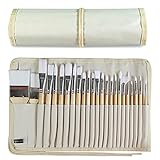
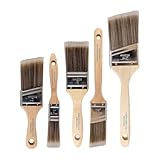
I remember staring at my first squad of goblins, a dozen tiny plastic horrors staring back. I had zero clue about painting them. So, naturally, I grabbed the fanciest-looking brush set I could find at the local hobby shop – which, at the time, happened to be Army Painter.
Now, this isn’t going to be a glowing endorsement. The truth is, when you’re starting out, it’s easy to drop cash on gear that promises the world and delivers… well, mediocrity. So, are Army Painter brushes good? Let’s break it down without the usual marketing fluff.
The Army Painter Brush Arsenal: What You Actually Get
When you first dive into the miniature painting world, Army Painter is often one of the first brands you stumble across. They’ve got a pretty wide range, from their Wargamer series – designed for, you guessed it, wargaming minis – to their Hobby series, which seem to target the absolute beginner. They often come in starter sets, which is how most people, myself included, end up with a handful of their brushes. I’ve got their ‘Starter Set’ and a couple of their individual ‘Detail’ brushes sitting in my cup right now, and I’ve used them extensively over the past few years.
The quality can be… inconsistent. Some of their brushes hold a decent point for a while, especially the synthetic ones, and they’re generally priced affordably, which is a massive plus when you’re not sure if you’ll stick with the hobby.
However, the bristles on their cheaper lines can splay out faster than you can say ‘edge highlight’. The hairs aren’t always the finest quality, and you can sometimes feel the difference when you’re trying to lay down a really smooth, thin layer of paint. It’s like trying to write a delicate letter with a broom. The ‘Detail’ brushes are better, sure, but even those can be a bit hit or miss.
For basic blocking in colors or drybrushing, they’re perfectly adequate. But for fine detail work, like eyes or tiny insignia? You’ll probably find yourself wishing you’d spent a bit more on something else.
One thing I’ll give them credit for is their marketing. They make it look easy, like you’ll be cranking out Golden Daemon-worthy minis straight out of the box with their brush sets.
That’s just not the case for most people. The ‘Wargamer’ line feels like it’s trying to be a middle ground between budget and performance. They use a mix of natural and synthetic hairs in some of their brushes, which can offer a decent snap and paint retention.
But again, it comes down to the specific brush. I’ve had a Wargamer ‘High-Quality Detail’ brush that was surprisingly good for about six months, holding a decent point, and then suddenly, the tip just… decided to give up. It felt like the glue holding the bristles together just degraded, and they started spreading like a bad rumour. It’s frustrating because you’ve invested a bit of money, and you expect a certain level of longevity.
For the price point, they’re not terrible if you’re just getting started and want to see if you like painting, but if you’re looking for brushes that will last you for years and offer consistent performance for intricate work, you’ll likely outgrow them quickly.
The feel in hand is also something to consider. Some of their handles are a bit chunky, which can be comfortable for some, but I personally prefer a slimmer profile for better control. It’s a small detail, but when you’re holding a brush for hours, those little ergonomic quirks add up. They do have a decent range of sizes, so you can usually find something that fits the task. But the real question is, does ‘adequate’ translate to ‘good’ when you’re trying to improve your painting?
The Army Painter Brush Experience: Beyond the Hype
Let’s talk about the actual painting experience. I’ve used Army Painter brushes extensively, especially when I was first getting into the hobby. My initial purchase was a multi-brush set that cost me about $35. It had a decent variety, from a small detail brush to a larger base coating brush. The problem I found, and it’s a common one with budget-friendly brushes, is bristle integrity. After a few uses, especially with heavier acrylic paints, the tips would start to fray. It’s like trying to paint a delicate line with a tiny, fluffy broom. This makes precision work, like edge highlighting or painting eyes, incredibly frustrating. You’ll spend more time trying to coax the bristles into a point than actually painting.
I remember trying to paint the lenses on a Terminator armor unit. I was using their smallest detail brush, and the bristles just wouldn’t hold a sharp enough edge.
I ended up with thick, messy lines instead of the clean highlights I was aiming for. It was demoralizing. I eventually had to switch to a different brand, spending an extra $15, to get the results I wanted. (See Also: Can Acrylic Paint Go In An Air Brush )
This is where the ‘you get what you pay for’ adage really hits home. While Army Painter brushes are affordable, the trade-off is often in their durability and fine detail capabilities. They’re fine for base coating, drybrushing, or applying washes, tasks where bristle precision isn’t most important. But for anything requiring fine control, you’ll likely find yourself fighting the brush more than using it effectively.
Contrarian opinion time: Everyone raves about how great Army Painter is for beginners because of the price. I disagree. While the price is good, the frustration of using inferior tools can actually discourage new painters. If your first few attempts at painting look sloppy not because you’re bad at it, but because your brush won’t cooperate, you might just pack it all in.
I’d rather see a beginner spend a little more upfront on a couple of decent sable brushes that will actually perform and make the learning process more rewarding. The ‘Wargamer’ line, while better than the absolute cheapest options, still suffers from similar issues. The synthetic bristles can feel a bit stiff, and they don’t always have that natural ‘snap’ that good sable brushes possess, meaning they don’t spring back to a point as readily after being bent.
The feel of the handle is also a factor. Some of their handles are quite thick, which can be comfortable for larger hands, but for me, with smaller hands, they feel a bit unwieldy. This can impact your control and lead to shaky hands, especially when trying to do fine detail work. It’s a small thing, but it adds up over a long painting session.
When Army Painter Brushes Actually Shine (and When They Don’t)
So, when are Army Painter brushes good? Honestly, they excel at the less demanding tasks. If you’re looking to quickly block in base colors on a large number of miniatures, a medium-sized Army Painter brush can do the job.
Their larger brushes are decent for applying washes, especially when you’re just trying to get paint into all the recesses of a model. They also work perfectly fine for drybrushing.
The slightly coarser bristles in some of their brushes can actually be an advantage here, helping to pick up and distribute dry pigment effectively without getting clogged too quickly. I still keep a couple of their larger, flatter brushes for drybrushing Citadel’s texture paints and flock, and they hold up reasonably well for that specific task.
Where they fall short, and this is a big one for many hobbyists, is in fine detail work. If you’re aiming to paint sharp edge highlights, tiny freehand designs, or those notoriously difficult eyes on a miniature, you’ll quickly find the limitations of most Army Painter brushes.
The bristles, especially on their synthetic lines, tend to splay out easily. They don’t retain a fine point reliably. I remember trying to paint the facial details on a 28mm figure with one of their ‘Detail’ brushes, and it was like trying to draw a straight line with a frayed shoelace. The paint would pool, the lines would be thick and uneven, and I ended up having to repaint the whole face because of my brush’s inability to cooperate.
It was a $4 brush, so the loss wasn’t huge financially, but the wasted time and frustration were significant.
Their ‘Wargamer’ line is marketed as higher quality, and some of them are indeed better than their absolute entry-level offerings. I’ve found a couple of their Wargamer ‘High Quality’ brushes that have a decent feel and hold a point for a reasonable amount of time. However, even these can’t consistently compete with dedicated fine art brushes or higher-end miniature-specific brushes in terms of bristle quality and longevity. The key issue is often the consistency of the bristles. You might get a good one, but there’s a higher chance of getting one that’s just… meh. This unpredictability is a major drawback when you’re trying to achieve repeatable results on your models.
They’re also not great for super thin, controlled layers. Achieving those glazes that build up smooth transitions of color requires a brush that can hold a lot of thinned paint and release it evenly. Most Army Painter brushes, especially the synthetics, struggle with this. They tend to either not hold enough paint or release it in clumps, leading to a streaky, uneven finish. For glazing, you really need the fine, resilient tips that higher-quality brushes provide.
Comparing Army Painter Brushes: What Else Is Out There?
If you’re wondering if Army Painter brushes are good, it’s also important to see what else is available for a similar price or a bit more. I’ve experimented with a few different brands, and the difference can be night and day. For instance, a basic synthetic brush from a fine art brand like Winsor & Newton (their Cotman series, for example) can often be found for a few dollars less than an Army Painter ‘Wargamer’ brush, and I’ve found them to be more consistent in quality and hold their point better. They might not have the fancy ergonomic handles, but they get the job done more reliably for detail work. I bought a size 0 Winsor & Newton Cotman brush for about $6, and it lasted me over a year of regular use before the tip finally gave out, which is significantly better than some of the Army Painter detail brushes I’ve owned. (See Also: Can Acrylic Paints Be Used In An Aqua Brush )
When you step up to what are often called ‘artisan’ miniature brushes, like those from Raphael, Kolinsky Sable, or even some of the higher-end synthetic lines from brands like Artis Opus or Monument Hobbies, the difference is stark. These brushes, which can cost anywhere from $10 to $40 or more for a single brush, are made with much finer, more resilient bristles. They hold significantly more paint, release it more smoothly, and retain their sharp point for much longer, even under heavy use.
For example, a Monument Hobbies ‘Pro Acryl’ brush, which I picked up for about $12, is leagues ahead of anything I’ve tried from Army Painter for fine detail work. The snap is incredible, and the paint flow is just perfect for those tight highlights.
It’s made my edge highlighting so much cleaner and faster.
Here’s a quick look at how they stack up against some common alternatives:
| Brush Type/Brand | Typical Price Range (USD) | Best For | My Verdict |
|---|---|---|---|
| Army Painter (Hobby/Wargamer Series) | $3 – $10 per brush / $20 – $40 for sets | Base coating, washes, drybrushing, beginners | Adequate for basic tasks, but struggles with detail and longevity. Good starting point, but you’ll outgrow them. |
| Winsor & Newton Cotman (Synthetic) | $4 – $8 per brush | Detail work, layering, smooth coats for beginners/intermediate | Excellent value for the price. More consistent than Army Painter for detail, better point retention. |
| Monument Hobbies Pro Acryl / Artis Opus (Kolinsky/High-End Synthetic) | $10 – $40+ per brush | Fine detail, edge highlighting, glazing, advanced techniques | Superior performance, durability, and control. Worth the investment for serious painters. |
The key takeaway here is that while Army Painter offers accessibility, they are not the pinnacle of brush performance. If you are serious about improving your miniature painting, you will eventually need to invest in higher-quality brushes. The initial cost might seem higher, but the results and the reduction in frustration are well worth it in the long run.
Common Mistakes When Using Army Painter Brushes
One of the biggest mistakes I see, and one I made myself, is expecting too much from cheap brushes. People buy a whole set of Army Painter brushes, thinking they’re set for life, and then get frustrated when they can’t achieve razor-sharp lines or super smooth blends. The bristles on lower-end brushes are simply not designed for that level of precision or durability.
They splay easily, they don’t hold a fine point well, and they can degrade quickly. You can’t put a sports car engine in a bicycle and expect it to perform like a race car; it’s the same principle with brushes. Trying to do super fine edge highlights with a brush whose tip is already starting to fray is a recipe for disaster and wasted time.
Another common pitfall is improper care. Even good brushes don’t last forever, but bad ones suffer even more from neglect. People often leave their brushes soaking in water or paint thinner for extended periods, which absolutely destroys the glue holding the bristles together. I’ve seen people dunk their brushes tip-first into a pot of paint, basically ‘clogging’ the ferrule (the metal part) with dried paint.
This prevents the bristles from flexing properly and can cause them to splay permanently. If paint gets up into the ferrule, it’s usually game over for that brush. Cleaning your brushes immediately after use is a must, regardless of the brand.
A gentle wash with lukewarm water and brush soap (or even just mild hand soap) followed by reshaping the tip and letting them dry horizontally or hanging them downwards is the way to go. Don’t use hot water, as it can melt the glue. Army Painter brushes, being less solid, are even more susceptible to damage from poor care.
Overworking the bristles is also a problem. Scrubbing paint vigorously with the tip of a brush, especially a synthetic one, will quickly wear down and splay the bristles. Miniature painting often requires delicate strokes, laying paint down rather than scrubbing it in. If you find yourself needing to scrub to get paint onto the model, it’s a sign you might need a brush with better paint-holding capacity or that your paint is too thick. I learned this the hard way trying to apply texture paint with a fine detail brush – I basically destroyed the tip in about five minutes flat. They’re not designed for that kind of abuse.
Finally, people often buy too many brushes of the same type. While starter sets are convenient, they often give you multiples of brushes that perform similarly. It’s better to have a few well-chosen brushes that excel at different tasks than a dozen mediocre ones. For example, instead of a set of five detail brushes, get one excellent fine detail brush, one good medium brush for layering, and a dedicated drybrush.
This focused approach means you’re always using the right tool for the job, and you’ll get much better results, even with a mixed bag of brands. My personal setup is a mix: Army Painter for base coating and washes, Winsor & Newton for general layering and detail, and a high-end sable for the absolute finest work. This hybrid approach works for me. (See Also: A Brushes Digital Painting )
Faq: Your Army Painter Brush Questions Answered
Are Army Painter Brushes Good for Beginners?
Yes, they are decent for absolute beginners who are just testing the waters of miniature painting and want to keep initial costs low. They are affordable and widely available, making them an easy first purchase. However, their limitations in detail work and durability mean that many beginners will quickly find themselves wanting to upgrade as their skills and ambitions grow.
How Do Army Painter Brushes Compare to Citadel Brushes?
Generally, Citadel brushes (like the Layer, Detail, or Dry brushes) are often considered to be of slightly higher quality and more consistent performance than Army Painter’s Wargamer or Hobby series, especially for detail work. Citadel brushes tend to hold a sharper point for longer. However, both brands offer brushes that are adequate for basic tasks but will eventually be outgrown by more serious painters.
How Long Do Army Painter Brushes Typically Last?
The lifespan of Army Painter brushes varies greatly depending on the specific line, how they are used, and how well they are cared for. Their cheaper synthetic brushes used for detail work might only last a few months of regular use before the bristles start to splay. Their larger brushes used for base coating or washes, with good care, might last a year or more. Improper cleaning or rough handling will significantly shorten their lifespan.
What Is the Best Army Painter Brush for Fine Detail?
Among Army Painter’s offerings, their ‘Detail’ or ‘Fine Detail’ brushes from the Wargamer series are intended for fine detail. However, ‘fine detail’ is relative. While they are their best option for such tasks, they often don’t hold a sharp enough point consistently for extremely intricate work like painting tiny eyes or super-fine edge highlights. You might get a good one, but expect to replace it sooner than a dedicated fine art brush.
Should I Invest in Kolinsky Sable Brushes?
Kolinsky sable brushes are widely considered the gold standard for miniature painting due to their exceptional paint retention, fine point, and durability. If you are serious about achieving the highest quality results and are willing to invest more, then yes, investing in a few good Kolinsky sable brushes is highly recommended. They offer a superior painting experience for detail work and glazing that synthetic brushes often cannot match.
The True Cost of ‘cheap’ Brushes
It’s easy to look at the price tag on a set of Army Painter brushes and think you’re getting a bargain. And for some applications, you absolutely are. If you’re just starting out, or if you need brushes for tasks like base coating, applying washes broadly, or vigorous drybrushing, they can be perfectly serviceable. I still keep a couple of their larger, synthetic brushes for tasks where I don’t need pinpoint accuracy.
They can handle being battered a bit and don’t break the bank if they get ruined. The problem arises when you try to push them beyond their capabilities. When you’re trying to achieve smooth blends, crisp edge highlights, or paint tiny details like eyes, and your brush’s bristles are splaying out like a dandelion in a hurricane, you’re not saving money. You’re wasting time, you’re creating frustration, and you’re hindering your own progress as a painter.
The true cost isn’t just the few dollars you spend upfront. It’s the hours you spend fighting with a sub-par tool, the repaint sessions because your brush couldn’t deliver clean lines, and the mental toll of seeing your miniatures look worse than you intended, not due to your skill, but due to your equipment. I’ve seen countless beginners get disheartened and quit the hobby because their initial foray into painting was made unnecessarily difficult by using brushes that just weren’t up to the task. It’s a harsh lesson, but one worth learning early: investing in a few quality tools that perform well will always save you more in the long run, both in terms of results and your enjoyment of the hobby.
So, while Army Painter brushes can be good for certain jobs, especially for those on a tight budget or for less demanding tasks, they are not the long-term solution for a painter who wants to improve. They are a starting point, a gateway brush. Recognize their limitations, use them for what they’re good at, and be prepared to upgrade to better tools as your skills and aspirations grow. The miniature painting world has some truly fantastic brush makers out there, and the leap in quality from a decent synthetic to a good sable brush is profound.
Conclusion
So, are Army Painter brushes good? My honest answer is: they’re okay for starting out, and they have their place for rougher jobs. They’re affordable, readily available, and can get paint onto a miniature. If your goal is simply to get your troops tabletop ready with basic colors, they’ll do. But if you’re aiming for anything beyond that – clean details, smooth blending, sharp highlights – you’ll hit a ceiling pretty fast.
The frustration of splayed bristles and unreliable points can really dampen the joy of painting. I’ve definitely wasted money on cheaper brushes over the years that just didn’t perform. My advice? Start with maybe one or two of their larger brushes for base coating or washes if you’re on a razor-thin budget. But for any detail work, save up for a couple of decent synthetic brushes from a fine art brand or even one good Kolinsky sable brush. That single good brush will likely outperform an entire set of Army Painter detail brushes and make your painting experience infinitely more rewarding.
Don’t let cheap tools hold back your potential. When you’re ready to take your painting to the next level, invest wisely in your brushes. It’s one of the few areas where spending a bit more upfront genuinely pays off in terms of results and your overall enjoyment of the hobby.