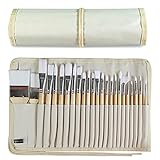
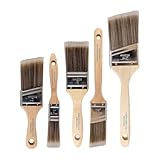
I remember staring at a fresh canvas, a set of pristine brushes lined up like soldiers, and wondering. It sounds like a silly question, right? Brushes are tools. You dip them in paint, you move them around. End of story. But then I started thinking about what ‘media’ actually means in art. Is it just the stuff you put on the canvas, or does the thing that applies it count too? This is where the question of whether are paint brushes considered media really starts to get interesting.
For years, I just grabbed whatever felt right in my hand, assuming the brush was just… a brush. Turns out, the right brush can change everything. It’s not just about getting paint from point A to point B; it’s about how that journey happens. The texture, the control, the sheer feel of the bristles against the surface – it all adds up.
Why a Brush Isn’t Just a Stick with Hair
Let’s get this straight: a paint brush is a tool, absolutely. But calling it just a tool is like calling a chef’s knife ‘just a metal stick’. It vastly undersells its role in the creative process. Think about it. When you’re working with oil paints, the kind of brush you use dictates how you lay down thick impasto or delicate glazes. A stiff hog bristle brush will push paint differently than a soft sable. One might leave visible strokes that add character, while the other will yield a smooth, almost airbrushed finish. It’s the ‘how’ of the application that starts blurring the lines between tool and medium.
I learned this the hard way, trying to save a buck on a cheap synthetic brush for a detailed watercolor commission. I wanted those fine, wispy lines. What I got was a brush that splayed out like a distressed dandelion, bleeding color everywhere. It was frustrating, and I ended up spending more money on a decent synthetic sable to fix my mess. That’s when it hit me: the brush wasn’t just applying the watercolor; its poor quality was actively interfering with the intended effect of the watercolor medium itself. The tool was directly impacting the outcome of the ‘medium’.
The texture a brush imparts is a physical characteristic of the final artwork, just like the pigment’s opacity or a canvas’s weave. A fan brush can create a subtle blend or wispy grass. A rigger brush can lay down impossibly thin, consistent lines that are impossible to achieve otherwise. These aren’t just mechanical functions; they are elements of visual language. The brush is an active participant in communicating the artist’s intent. It’s not merely an extension of the hand; it’s an integral part of the artistic vocabulary being used. So, are paint brushes considered media? When you consider their active contribution to texture, line quality, and application style, the argument becomes compelling.
The Bristles: More Than Just Hair Transplants
The type of bristles is where things get really interesting. You’ve got your natural fibers – sable, hog, squirrel – and your synthetics. Each has a personality, a ‘feel’ that translates directly into how paint behaves. Hog bristles, for example, are stiff and resilient. They have a natural split end, called a ‘flag’, which holds a lot of paint and releases it with a satisfying, textured stroke. They’re fantastic for oils and acrylics when you want that visible brushwork, that painterly quality. I’ve used cheap hog brushes that felt like scrubbing pads and incredibly expensive ones that felt like controlled explosions of pigment. The quality within the type matters a lot.
Sable, on the other hand, is famously soft and springy. It comes to a fine point, making it ideal for watercolors and fine detail work in oils or acrylics. The way a sable brush can hold a large amount of water or thin paint and release it in a controlled, delicate stream is almost magical. When I’m doing delicate floral petals or the glint of light in an eye, a good sable is indispensable. Trying to achieve that with a stiff synthetic feels like trying to write a love letter with a shovel.
Synthetics have come a long way. They’re often more durable and easier to clean than natural bristles, and many are designed to mimic the properties of sable or hog. Some are fantastic, offering great value and performance.
Others are just… plastic. They can feel stiff and unforgiving, or too slick, refusing to hold pigment effectively. The common advice is that synthetics are for beginners or acrylics, and naturals are for oils or ‘serious’ work.
I disagree. I’ve seen artists create breathtaking work with a mix of synthetics and naturals, and I’ve seen folks struggle with expensive sable brushes because they didn’t understand how to care for them or how they behave. The real key is understanding the properties of the bristle material and how they interact with your chosen paint medium. It’s not about ‘natural’ vs. (See Also: Can Acrylic Paint Go In An Air Brush )
‘synthetic’; it’s about function.
Handles and Ferrules: The Unsung Heroes
Don’t overlook the handle and ferrule, either. These might seem purely functional, but they absolutely contribute to the artistic experience. The ferrule, that metal bit connecting the bristles to the handle, is usually made of aluminum or brass.
A well-made ferrule is smooth, strong, and doesn’t let bristles escape (the bane of every painter’s existence). A cheap, poorly crimped ferrule can loosen over time, leading to wobbly bristles and a general sense of impending doom for your artwork. I had a set of brushes where the ferrule on one cracked after only a few months of use. Every time I used it, I heard a faint metallic creak, and I was constantly worried about loose hairs getting into my paint.
It was a constant, low-level distraction that pulled me out of the creative zone.
The handle itself is about ergonomics and balance. Is it long and slender for distant control on a large canvas, or short and stubby for close-up detail work? The material – wood, plastic, even composite – and its finish can affect how it feels in your hand over hours of painting. Some artists prefer a smooth, lacquered handle; others like a more textured, natural wood feel for better grip.
I tend to favor a slightly heavier handle because it feels more balanced in my grip, giving me a sense of more precise control, especially when I’m working on smaller, detailed areas. It’s a subtle thing, but over a long painting session, comfort and control really matter. These components aren’t just there to hold the brush together; they are part of the physical interface between you and your art.
They are part of the ‘how’ of the artistic process, which, as we’ve seen, is where the ‘media’ debate really takes hold.
The ‘people Also Ask’ Debate: Where Does the Brush Fit?
You see questions pop up all the time: ‘What is the best brush for beginners?’ or ‘How do I clean my paint brushes?’ These are practical questions, sure, but they also highlight how integral brushes are.
Nobody asks ‘how do I clean my canvas’ in the same way, because the canvas is a passive surface. The brush, however, requires care, understanding, and technique. (See Also: Can Acrylic Paints Be Used In An Aqua Brush )
This suggests a more active role than just being a simple applicator. If a brush is so important that its maintenance and selection are major topics, it’s pushing towards being considered more than just a passive tool.
It’s an active component in the creation of art, impacting the final look and feel in ways that are directly related to the paint itself.
Consider the concept of ‘medium’ in photography. Is the camera just a tool, or does its specific model, lens, and settings contribute to the ‘medium’ of the final photograph? Most would argue the latter. The camera influences the image’s grain, depth of field, and overall aesthetic. Similarly, the paint brush, by virtue of its material, shape, and size, directly influences the texture, stroke, and flow of the paint, thereby becoming an integral part of the artistic expression. The question of are paint brushes considered media is less about a strict definition and more about understanding the active role they play in the artistic outcome.
A Brush’s Role: More Than Just Application
The way a brush applies paint is not just about putting color on a surface; it’s about creating texture, form, and movement. A large, flat brush can be used to lay down broad, sweeping strokes that define the sky or a large area of water. The bristles can leave subtle lines, adding a sense of roughness or dynamism. A small, round brush, on the other hand, is perfect for intricate details, creating sharp lines and precise shapes. Think of a portrait painter using a fine brush to render individual eyelashes or the subtle curve of a lip. The brush isn’t just a delivery system; it’s a sculptor of the paint.
I’ve spent hours experimenting with different brush shapes and sizes for a single painting. For a landscape, I might use a large mop brush for washes of color, a fan brush for distant trees, and a stiff bristle brush for foreground textures like rocks or bark. Each brush is chosen for how it will interact with the paint and the surface to achieve a specific visual effect.
This deliberate selection and use of brushes for their unique application characteristics strongly suggests they are more than mere tools. They are instruments that shape the very ‘feel’ of the paint, directly contributing to the artistic language.
This active contribution is why many artists, myself included, lean towards considering them part of the artistic media.
The Verdict Table: Brushes in the Art Ecosystem
Here’s a breakdown of why a brush can be argued as more than just a tool, impacting the ‘media’ of the artwork:
| Brush Component/Attribute | How it Acts Like Media | My Verdict |
|---|---|---|
| Bristle Material (Sable, Hog, Synthetic) | Dictates paint absorption, release, and texture. Creates visible strokes or smooth blends. | Important Impact. The primary driver of how paint behaves. |
| Bristle Shape (Round, Flat, Fan, Filbert) | Determines line width, stroke shape, and edge quality. Enables specific techniques. | High Impact. Defines the character of marks. |
| Ferrule Quality and Size | Affects bristle stiffness, paint load, and durability. A weak ferrule compromises control. | Supportive Role. Makes sure consistent performance. |
| Handle Ergonomics and Balance | Influences artist’s control, precision, and comfort during prolonged use. | Comfort & Control. Aids artistic expression. |
| Interaction with Paint Type (Oil, Acrylic, Watercolor) | Different brushes are optimized for different paint viscosities and drying times, fundamentally altering application. | Synergistic. The brush and paint must work together. |
Common Brushing Mistakes and How to Avoid Them
One of the biggest mistakes I see beginners make is using the wrong brush for the job. They grab a stiff, cheap brush for delicate watercolor washes, or a floppy synthetic for thick impasto oil paint. This leads to frustration and poor results. Always consider the properties of your paint and the effect you want to achieve. For watercolors, you need brushes that hold a lot of water and release it smoothly – usually soft synthetics or natural sables. For thick acrylics or oils, you want brushes with more stiffness and spring, like hog bristles or firm synthetics, that can push the paint around without bending too much. (See Also: A Brushes Digital Painting )
Another common error is poor brush care. Letting paint dry in the bristles is a cardinal sin.
It ruins the brush’s shape and makes it unusable for anything requiring precision. Clean your brushes thoroughly immediately after use. For oils and acrylics, that means using appropriate solvents or soap and water. For watercolors, just rinsing with water usually suffices.
Don’t just rinse them under the tap; gently work the paint out. And for the love of art, don’t let brushes sit bristle-down in water or cleaning fluid. This bends the bristles and ruins the brush’s point or edge. Always store them bristle-up or lying flat, or in a brush case.
The Art and Creative Materials Institute (ACMI) sets standards for art materials, and while they don’t specifically classify brushes as ‘media’, their focus on material safety and performance underscores their importance in the creative process.
Are Paint Brushes Considered Art Supplies?
Yes, absolutely. Paint brushes are fundamental art supplies. They are the primary tools used to apply paint and other liquid media to a surface. Their design, material, and how they interact with different paints are all key considerations for artists.
Can a Brush Be Part of the Art Medium?
Many artists would argue yes. While traditionally ‘medium’ refers to the substance used to create the artwork (like oil paint or watercolor), the brush’s role in shaping texture, stroke, and application means it actively contributes to the artwork’s final appearance and ‘feel’. It’s an active participant, not just a passive tool.
What Is the Difference Between a Tool and a Medium?
A tool is something used to perform a task, often in a more passive or mechanical way. A medium is the substance or material through which an artist expresses ideas or feelings, and which has inherent qualities that contribute to the final artwork. The debate around brushes often stems from their active influence on the application and texture of the actual paint medium.
Is a Palette Knife a Medium?
Similar to a brush, a palette knife is often considered a tool. However, it can also be argued to be part of the medium due to the unique textures, marks, and application methods it enables. A palette knife can create thick impasto effects and sharp edges that are distinct from brushwork.
Final Verdict
So, are paint brushes considered media? While the strict definition of ‘medium’ usually points to the paint itself, the way brushes actively shape and define how that paint is applied – influencing texture, stroke, and overall visual language – makes them far more than just simple tools. They are indispensable partners in the artistic process. I’ve definitely wasted money on cheap brushes that failed to do anything but frustrate me. Learning to select and care for the right brushes has been a big deal, allowing me to express myself more effectively than I ever thought possible.
Ultimately, whether you classify them as ‘media’ or not, understanding their impact is what matters. Think about how that brush feels in your hand, how it dances with the paint, and what it allows you to create. That active participation is what lifts it beyond a mere implement. It’s a conduit for creativity.
Next time you pick up a brush, take a moment to appreciate its role. Experiment with different types, feel how they interact with your paint, and see how it changes your art. You might just find that your brush is a more significant creative force than you ever imagined.