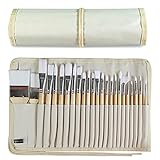
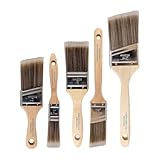
I remember staring at a wall of paint brushes, each one looking vaguely the same to my untrained eye. Hundreds of them. And I just needed one, maybe two, decent ones for a small touch-up job. The price tags blurred together, and the descriptions were a mix of technical jargon and frankly, a lot of fluff. It was overwhelming. I ended up grabbing a generic set, and guess what? The bristles splayed out faster than a gossip at a party. It got me thinking, what actually makes a good brush, and are paint brushes made of pig hair? It’s a question that pops up more than you’d think.
The answer isn’t as simple as a yes or no, and frankly, the market is flooded with misinformation. Let’s cut through the noise.
The Bristle Breakdown: Why Pig Hair Matters (sometimes)
Okay, let’s get straight to it. Are paint brushes made of pig hair? Yes, many are, and historically, they’ve been a go-to for a reason.
Hog bristles, particularly from Chinese hogs, have this amazing ability to hold a lot of paint. Think of them as little reservoirs. They have a natural split end, called a ‘flag,’ which creates a larger surface area.
This means you can load up more paint and lay it down more smoothly, with fewer strokes. This is especially important for oil-based paints and varnishes, where you want that super smooth, even finish. I learned this the hard way trying to paint a tricky cabinet door with synthetic brushes; it looked like a toddler had attacked it with a glue stick.
The natural texture of pig hair also gives it a bit of stiffness, which is great for cutting in edges and creating sharp lines. You get more control. It’s why pros often swear by them for certain tasks.
However, it’s not all sunshine and rainbows. Hog bristles can absorb water, which can make them swell and lose their shape. This is a major pain if you’re working with water-based paints, especially if you’re cleaning the brush frequently.
They can also leave behind a slightly ‘stippled’ texture if you’re not careful, which might not be ideal for a glass-smooth finish. So, while they’re fantastic for certain jobs, they’re not a universal solution.
The quality also varies wildly depending on the breed of pig and how the bristles are processed. Don’t assume all pig hair brushes are created equal; some are downright rubbish.
Synthetic Showdown: The Modern Alternatives
When you’re looking at brushes today, you’ll see a huge variety made from synthetic materials like nylon, polyester, or a blend. These were developed to overcome some of the limitations of natural bristles, particularly with water-based paints. Synthetics don’t absorb water, so they maintain their shape even when wet, making them fantastic for latex and acrylic paints. They’re generally easier to clean, too. Just a quick rinse, and you’re good to go. This makes them a lifesaver for DIYers who might not be as meticulous with brush cleaning as a professional painter. (See Also: Can Acrylic Paint Go In An Air Brush )
My first apartment renovation was a baptism by fire with gallons of cheap, water-based paint. I tried a few hog bristle brushes, and they turned into a soggy, unmanageable mess.
Switching to a good quality synthetic brush was a revelation. The paint flowed beautifully, and cleaning up took me maybe two minutes. Synthetics are also often more durable and can be engineered for specific tasks. You can get synthetics that are super soft for delicate finishes or stiffer for more aggressive applications.
However, here’s the contrarian bit: everyone seems to rave about synthetics being superior for all water-based paints. I disagree. For certain high-gloss acrylics or some very specific waterborne varnishes, I still find a good quality, flagged synthetic or even a blended brush offers a superior lay-off.
The super-fine flagging on some premium synthetics can mimic natural bristles surprisingly well, but you often pay a premium for that quality.
The key with synthetics is the quality of the material and the manufacturing. A cheap synthetic brush will feel stiff, shed bristles everywhere, and give you a terrible finish. A well-made synthetic, however, can be just as good, if not better, than a natural bristle for many tasks. It’s about finding the right tool for the job and not being afraid to try different materials. The technology has come a long way.
What to Look for: Beyond the Animal Itself
So, you’re standing there, overwhelmed again. What do you actually look for? Forget the animal source for a second and focus on the brush’s construction. The ferrule – that’s the metal band holding the bristles to the handle – should be sturdy and well-crimped. A cheap ferrule will loosen, and you’ll end up with bristles in your paint. Look for stainless steel or copper, not aluminum, as they’re less likely to rust or corrode.
Next, the bristles themselves. For natural bristles (pig hair), look for ‘flagging.’ This is the natural splitting at the tip of the bristle, which looks like a tiny flag. More flagging means more surface area, better paint holding, and a smoother finish.
The bristles should also feel resilient – when you bend them, they should spring back into shape. If they stay bent, they’re probably old or of poor quality.
For synthetic brushes, feel the tips. They should be finely tapered or flagged, not blunt and chunky. This is what allows them to hold paint and spread it evenly without leaving harsh lines. (See Also: Can Acrylic Paints Be Used In An Aqua Brush )
The density of the bristles also matters. A denser brush generally holds more paint and provides a smoother finish.
The handle comfort is also a factor, especially for larger projects. Does it feel good in your hand? Does it offer good grip? A poorly designed handle can lead to fatigue and inaccurate strokes. I once used a brush with a handle that felt like a wet bar of soap for a whole weekend. My hand was cramping by Sunday morning. Investing a few extra bucks for a comfortable handle is a no-brainer. Remember, this tool is an extension of your hand. It needs to feel right.
Common Mistakes People Make (and I Made Them Too)
The biggest mistake people make is thinking one brush fits all. Seriously. Using a stiff, natural bristle brush for a delicate, high-gloss finish is a recipe for disaster. You’ll get streaks and a texture that looks like sandpaper. Conversely, using a super-soft synthetic for a thick, textured paint might mean you don’t get enough pressure or paint coverage. It’s like trying to hammer a nail with a screwdriver – it’s just the wrong tool.
Another huge blunder is skimping on quality. I’ve bought those multi-packs of ‘artist’ brushes for under $10, thinking I was getting a deal. Within an hour, they’re shedding like a husky in July. Bristles end up in your paint, in your finish, and you’re constantly trying to pick them out. It’s infuriating and wastes more time (and potentially paint) than buying a decent brush from the start. Expect to pay at least $10-$20 for a single good quality brush, and maybe $30-$50 for a really high-end one. For a decent set of varied synthetics, I wouldn’t expect to spend less than $50-$80.
Cleaning is another big one. If you’re using water-based paints, you need to clean your brush thoroughly and immediately after use. Letting paint dry in the bristles is like setting them in concrete.
They’ll never recover their shape or performance. For oil-based paints, use the appropriate solvent (mineral spirits or turpentine).
Even with good cleaning, natural bristles can degrade over time, especially with harsh solvents. My own graveyard of abused brushes is testament to this. I once left a solvent-cleaned brush out in the sun to dry, thinking it would speed things up.
It warped the bristles something fierce. Patience and proper care are key. Oh, and don’t use your good brushes for stripping paint or heavy-duty cleaning unless you plan to retire them afterwards.
Real-World Use: When to Grab Which Bristle
So, let’s talk practical applications. When do you actually reach for a pig hair brush? For oil-based paints, varnishes, lacquers, and enamels, hog bristle is often king. Think of staining furniture, varnishing a deck, or applying oil-based trim paint. The stiffness helps you spread these thicker coatings evenly, and the paint-holding capacity means fewer dips and a smoother lay-off. I used a good quality hog bristle brush to apply a dark walnut stain to my kitchen cabinets, and the result was a deep, rich, even finish that a synthetic just couldn’t replicate without a lot more effort and potential streaking. (See Also: A Brushes Digital Painting )
On the flip side, for water-based paints – think latex, acrylics, chalk paint, and most modern interior wall paints – synthetics usually win. They handle the water content better, resist swelling, and are far easier to clean. If you’re painting a wall, a fence, or furniture with acrylics, a good synthetic brush is your best bet. They provide a smooth, consistent finish with minimal effort. For the average homeowner tackling a weekend project, a quality synthetic brush is probably what you’ll use 90% of the time. It’s the workhorse for most DIY scenarios.
What about blended brushes? These are often a mix of natural and synthetic bristles. They try to offer the best of both worlds. They can be excellent for certain situations, offering good paint pickup and a smoother finish than pure hog bristle, while still having some of the stiffness. I’ve found them particularly good for certain primers and some water-reducible alkyd paints. They can be a bit more expensive, but if you find one you like, it can be a really versatile tool in your arsenal. It’s worth experimenting to see what works best for the specific products you’re using. Don’t be afraid to try a few different types on a scrap piece of material before committing to your project.
| Brush Type | Best For | Pros | Cons | My Verdict |
|---|---|---|---|---|
| Hog Bristle (Pig Hair) | Oil-based paints, varnishes, stains | Excellent paint holding, stiff for cutting in, natural flagging for smooth finish | Absorbs water (swells), can leave texture, harder to clean | A classic for a reason, but only for specific jobs. Not for everyday use with latex. |
| Synthetic (Nylon, Polyester) | Water-based paints (latex, acrylics) | Resists water, maintains shape, easy to clean, durable, versatile | Can be less paint-holding than natural, some cheap ones shed badly | The go-to for most DIYers. Quality matters hugely here. |
| Blended Bristles | Primers, some water-reducible alkyds, versatile | Combines benefits of both, good paint pickup and smooth finish | Can be more expensive, specific formulations work best for specific paints | A great all-rounder if you find the right one for your go-to paints. |
Faq: Clearing Up Brush Confusion
Why Do Some Paint Brushes Have Pig Hair?
Pig hair bristles have a natural split end, called flagging, which creates a larger surface area. This allows them to hold and release more paint, leading to a smoother application with fewer strokes, especially with oil-based paints. They also offer good stiffness for control when cutting in edges.
Are Synthetic Paint Brushes Better Than Pig Hair?
Neither is definitively ‘better’; it depends on the paint type. Synthetic brushes excel with water-based paints (latex, acrylics) because they don’t absorb water and maintain their shape. Pig hair brushes are often preferred for oil-based paints and varnishes due to their superior paint-holding capacity and stiffness.
Can I Use a Pig Hair Brush with Latex Paint?
It’s generally not recommended. Latex paint is water-based, and pig hair bristles will absorb water, swell, and lose their stiffness and shape. This makes them difficult to control and can lead to an uneven finish. Stick to synthetic brushes for latex paint.
How Do I Know If a Paint Brush Is Good Quality?
Look for a sturdy ferrule (the metal part) that is well-crimped. For natural bristles, check for ample flagging (split ends). Bristles should feel resilient and spring back when bent. For synthetics, the tips should be finely tapered or flagged. A denser bristle fill and a comfortable handle also indicate quality.
What Is the Difference Between a Natural Bristle Brush and a Synthetic Brush?
The primary difference is the material: natural bristles are animal hair (like pig), while synthetic brushes are made from man-made fibers like nylon or polyester. Natural bristles hold more paint and have a unique texture, while synthetics are more durable, easier to clean, and better suited for water-based paints.
Conclusion
So, to circle back to the original question: are paint brushes made of pig hair? Yes, they are, and they’ve earned their place in the painter’s toolkit for specific applications, especially with oil-based products. But they aren’t the be-all and end-all. For most of us tackling everyday painting projects with modern latex and acrylics, a good quality synthetic brush is going to be your best friend. Don’t get caught up in the hype; focus on the bristles, the construction, and the type of paint you’re using.
My advice? Have both. Keep a decent hog bristle brush for those oil-based jobs where it truly shines, and invest in a few quality synthetics for everything else. It’s not about following trends; it’s about having the right tools to get the job done well, without frustration. Next time you’re at the paint store, take a moment, feel the bristles, and ask yourself what you’re actually painting. Your finish will thank you.