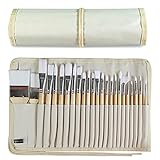
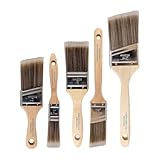
Okay, let’s cut the fluff. The sheer volume of makeup brushes out there is enough to make anyone’s head spin. For years, I watched tutorials, saw perfectly blended eyeshadow, and wondered if I was missing some secret weapon. Then I saw those fancy art supply stores, filled with rows of pristine brushes, and a thought hit me: are paint brushes good for makeup?
It sounds a bit wild, I know. But honestly, I’ve wasted enough cash on overpriced “beauty tools” that do absolutely zilch to be open to unconventional ideas. So, I decided to do some digging and some real-world testing. What I found might surprise you, and it might just save you some money too.
The Art of Application: Why Brushes Matter
Look, at its core, applying makeup is about putting color and texture onto your skin in a controlled way. Think about it: what’s better at picking up pigment and laying it down smoothly than a brush? Whether you’re an artist with a canvas or a makeup artist with a face, the tool is key. The shape, the density, the material – it all plays a role in how the product behaves.
Years ago, before the beauty industry really blew up and started charging $50 for a fluffy powder brush, people absolutely used whatever they could get their hands on. Necessity is the mother of invention, right? And for makeup application, brushes have always been a go-to. The real question isn’t if brushes can be used, but which brushes are actually good for makeup and why.
The biggest difference between a dedicated makeup brush and a standard art brush comes down to a few things. First, the bristles. Makeup brush bristles are generally softer and more flexible. They’re designed to be gentle on your skin, especially the delicate areas around your eyes. Art brushes, especially for oil or acrylics, can be stiffer and sometimes scratchier, which you definitely don’t want buffing foundation onto your face. Second, hygiene. Makeup brushes are typically made with synthetic or natural hairs that are easier to clean and less likely to harbor bacteria when cared for properly. Art brushes, depending on the medium, might be more difficult to sanitize thoroughly for skin contact.
But here’s the thing: not all makeup brushes are created equal, and not all art brushes are stiff brutes. There’s a whole spectrum. A dense, flat art brush meant for applying gesso might be awful for foundation, but a super-soft, fluffy synthetic brush designed for watercolor washes? That could actually be surprisingly decent for a wash of eyeshadow or highlighter. It’s all about understanding the properties and how they translate. I remember one disastrous attempt trying to use a stiff bristle brush for cream blush. It was patchy, streaky, and felt like I was sandpapering my cheekbones. Lesson learned: texture and flexibility are everything.
The common advice you hear is that you must use makeup-specific brushes. And for the most part, they’re right. The industry has developed these tools for a reason, tailoring them to the specific needs of makeup application – blending, buffing, precise lining, sheer application. But that doesn’t mean there isn’t a gray area, and for some specific tasks, an art brush might just do the trick, provided you choose wisely.
What to Actually Look for in a Makeup Brush
So, if you’re brave enough to venture beyond the beauty aisles, or if you’re just trying to make sense of the madness, what should you be looking for? Forget the glittery handles and the cartoon characters for a second. Let’s talk about the actual business end of the brush.
First up: Bristle Type. This is probably the most important factor. You’ll see synthetic and natural bristles. Synthetic brushes (like nylon or polyester) are fantastic for cream and liquid products. They don’t absorb as much product, they’re easy to clean, and they tend to be more durable. Think foundation brushes, concealer brushes, cream blush brushes. Natural bristles (like sable, goat, or pony hair) are usually best for powder products. They have tiny scales that grab onto powder pigments and distribute them beautifully. So, a fluffy goat-hair brush is great for setting powder or bronzer.
Next, Density and Shape. A dense brush will pick up more product and provide fuller coverage. A fluffy, less dense brush will give you a lighter, sheerer application. For eye makeup, a smaller, more precise shape is key. For face products, you might want something larger and more diffused. A flat, dense brush is good for packing on color, while a tapered or domed brush is better for blending.
Then there’s Flexibility and Softness. This is where the ‘art brush’ debate really kicks in. You want bristles that have some give but aren’t so stiff they scratch your skin. If you’ve ever used a cheap, scratchy makeup brush, you know the pain. Conversely, if a brush is too soft and floppy, it won’t pick up or apply product effectively. It’ll just sort of… waft it around. (See Also: Can Acrylic Paint Go In An Air Brush )
Finally, Handle and Ferrule. While less important for performance, a good handle provides balance and control. The ferrule (the metal part that holds the bristles) should be secure. If it’s loose, the bristles will shed like crazy, and that’s just annoying. When I first started, I bought a cheap brush set where the ferrules loosened after about a month, and I spent more time picking hairs out of my foundation than applying it. Never again.
Here’s a little table I put together to break down some common brush types and what you might look for, even if you’re eyeing up your art supplies:
| Makeup Task | Ideal Bristle Type | Density/Shape | Verdict (Makeup vs. Art) |
|---|---|---|---|
| Foundation (Liquid/Cream) | Synthetic (Dense, flat or buffing) | Dense for full coverage, slightly less dense for airbrushed finish. | Makeup brush wins for gentleness and blendability. A dense, soft synthetic art brush might work for buffing. |
| Powder (Setting/Finishing) | Natural (Fluffy, large) | Looser, airy density for light dusting. | A large, fluffy natural hair art brush (like a soft fan brush for watercolor) could be a good stand-in. |
| Blush (Powder) | Natural (Angled or domed) | Medium density, shaped to fit cheekbone. | A soft, domed natural hair art brush could work. Avoid stiff acrylic brushes. |
| Eyeshadow (All-over lid) | Synthetic or Natural (Flat, paddle-shaped) | Moderately dense to pack on color. | A flat, soft synthetic art brush (like for gouache) might be surprisingly good. |
| Eyeliner (Winged) | Synthetic (Thin, stiff, angled) | Very fine and precise. | This is where makeup brushes excel. Most art brushes for lining are too stiff or too thick. |
Common Mistakes People Make with Makeup Brushes
You’d think applying makeup with a brush would be straightforward, but there are definitely pitfalls. I’ve fallen into most of them myself, so trust me, I know.
One of the biggest mistakes is using the wrong brush for the product. Trying to apply a thick cream foundation with a fluffy powder brush is just asking for streaks and wasted product. Likewise, using a stiff, small brush for bronzer will give you harsh lines instead of a sun-kissed glow. It’s like trying to paint a mural with a toothpick – you’ll get there eventually, but it’s going to be a mess.
Another huge one is not cleaning your brushes. Seriously, this is a cardinal sin in the makeup world. Dirty brushes are breeding grounds for bacteria. They can cause breakouts, make your makeup look muddy, and just generally perform poorly. I used to go weeks, maybe months, between cleans. My foundation would look streaky, my eyeshadow wouldn’t blend, and I’d blame the products. Then I finally did a deep clean, and wow. It was like having new makeup. Now, I aim for a thorough clean at least once a week, sometimes more if I’m using a lot of cream products.
Then there’s the whole “more expensive is always better” myth. While good quality brushes do make a difference, you don’t need to drop $500 on a brush set to get good results. I’ve found some incredibly affordable brushes that perform just as well, if not better, than some of their pricier counterparts. Conversely, I’ve also seen some ridiculously expensive brushes that were just… meh. It’s about the design and the bristles, not just the brand name or the price tag.
People also often over-apply product. They dip their brush in, load it up, and then slap it on. Start with a little product and build up. You can always add more, but it’s a pain to take it off. This is especially true for foundation and concealer. A light hand is usually your friend.
Finally, not understanding the brush’s purpose. A brush designed for blending shouldn’t be used for packing on pigment. A brush for precise lining isn’t meant for buffing. Each brush has a job. Trying to force it to do something else leads to frustration and suboptimal results. It’s about respecting the tool and its intended use. If you’re using an art brush, this is even more important – understand what that brush was designed to do in the art world and see if it can translate to a similar function in makeup.
When ‘art’ Brushes Actually Work (and When They Don’t)
Okay, let’s get down to brass tacks. Can you genuinely use art brushes for makeup? My honest answer is: sometimes, for specific tasks, and with caveats. It’s not a blanket yes or no.
Where I’ve found art brushes can surprisingly hold their own is in powder application and some eye shadow blending. Think about those big, fluffy fan brushes artists use for dry brushing or applying washes of watercolor. A soft, natural hair fan brush can be pretty decent for dusting on a loose highlighter or a light dusting of setting powder. The key is softness and fluffiness. If it feels scratchy, send it back to the art studio. (See Also: Can Acrylic Paints Be Used In An Aqua Brush )
For eyeshadow, a flat, synthetic brush that an artist might use for gouache or acrylic washes could work for packing color onto the lid. If it’s soft and holds pigment well without being too stiff, it can do the job. Blending is trickier. A very soft, fluffy natural hair brush, like a watercolor blending brush, could potentially work for softening harsh lines, but you need to be careful not to over-blend or create patchiness. It’s a delicate dance.
Where art brushes generally fall short for makeup? Anything liquid or cream. Most art brushes, especially those intended for thicker paints, have bristles that are too stiff and porous. They’ll soak up all your expensive foundation, leave streaks, and be a nightmare to clean properly. Synthetic makeup brushes are specifically designed to handle these formulas without absorbing them and to provide a smooth, streak-free finish. The texture of synthetic makeup brush fibers is just different.
Also, precision work is usually out. Think detailed eyeliner wings or filling in brows with hair-like strokes. Art brushes for these tasks are often either too thick, too stiff, or not designed for the fine control needed. Makeup brush manufacturers spend a lot of time engineering the tip shapes and bristle stiffness for these very specific applications. A fine-liner art brush is usually much stiffer than you want for your eyelid.
My personal experience: I tried using a really soft, flat synthetic brush I had for blending out watercolor edges to apply cream contour. It was a disaster. It just wasn’t dense enough to pick up enough product, and it felt a bit too flimsy, making it hard to control where the contour went. It ended up looking muddy and patchy. On the flip side, I found a ridiculously soft, almost cloud-like natural hair brush that an artist friend gave me, originally for dry brushing pastels. It’s unexpectedly amazing for dusting a subtle highlighter onto the tops of my cheekbones when I want a really sheer, lit-from-within glow. It’s all about the specific brush.
The bottom line is, while there are overlaps, dedicated makeup brushes are usually engineered for the specific textures and application methods of cosmetics. If you’re going to experiment, stick to softer, more flexible brushes, ideally synthetic for creams/liquids and natural for powders. And for the love of all that is holy, make sure it’s easy to clean and doesn’t feel like you’re exfoliating with steel wool.
Building Your Brush Arsenal (without Breaking the Bank)
So, you’re convinced you need brushes, but the thought of a $200 set makes you want to weep? I get it. I’ve been there. The good news is, you absolutely do not need to spend a fortune to build a functional and effective makeup brush collection. In fact, I’d argue that spending a little strategically is better than blowing it all on one fancy brush that might not even work for you.
First, start with the essentials. What makeup do you actually wear regularly? If you’re all about eyes, focus on a good blending brush, a flat shader brush, and a liner brush. If you wear foundation daily, a decent foundation brush and a powder brush are your priorities. Don’t buy a 30-piece set if you only use five types of products.
Second, explore affordable brands. There are so many fantastic brands out there now that offer high-quality brushes at drugstore prices. Brands like Real Techniques, e.l.f., Wet ‘n’ Wild, and BH Cosmetics consistently put out great brushes that perform way above their price point. I’ve replaced some of my older, more expensive brushes with their affordable alternatives and honestly couldn’t tell the difference in performance for many applications. I remember buying a Real Techniques buffing brush for about $8, and it was leagues better than a $30 brush I had from a department store brand.
Third, consider synthetic vs. natural. For beginners, or for anyone using a lot of liquid and cream products, synthetic brushes are often the way to go. They’re easier to clean, more durable, and more affordable on average. You can get an entire set of synthetic brushes for face and eyes for under $50 that will serve you well. If you’re a powder person, a few well-chosen natural hair brushes for blush, bronzer, and setting powder can make a difference, but you can still find good quality natural hair brushes at reasonable prices.
Fourth, don’t underestimate brush sets, but be selective. Sometimes, buying a hand-picked set can be more cost-effective than buying individual brushes. Just make sure the set actually contains brushes you’ll use. I once bought a set filled with tons of tiny detail brushes that I never, ever reached for. It was a waste of money. Look for sets that focus on core essentials: a foundation brush, a powder brush, a blush brush, an eyeshadow blending brush, and a shader brush. (See Also: A Brushes Digital Painting )
Finally, take care of what you have. Even the most affordable brushes will last you a long time if you clean them regularly and store them properly. Don’t just toss them in a makeup bag where they can get bent out of shape or the bristles can get damaged. Use a brush holder or keep them in their original packaging if it’s suitable.
The idea isn’t to have the most brushes, but to have the right brushes for you. And you can absolutely achieve that without emptying your bank account. Investing a little time in research and choosing wisely will pay off in the long run, both for your makeup application and your wallet.
Frequently Asked Questions About Makeup Brushes
Can I Use Any Brush for Makeup?
No, you can’t use any brush. While some art brushes can be adapted for specific makeup tasks, you need to consider bristle type, density, softness, and hygiene. Stiff, scratchy, or overly porous brushes can damage your skin, apply makeup unevenly, or harbor bacteria. Always prioritize gentleness and suitability for the product you’re using.
Are Expensive Makeup Brushes Really Worth It?
Not always. While high-quality brushes can offer superior performance and longevity, many affordable brands provide excellent brushes that rival their expensive counterparts. It’s more about the brush’s design, bristle type, and density for your specific needs than the price tag alone. Test and research to find what works for you.
How Often Should I Clean My Makeup Brushes?
It’s recommended to clean your makeup brushes thoroughly at least once a week, especially if you use cream or liquid products. Brushes used solely for powder can sometimes go a bit longer, but weekly cleaning is ideal for hygiene and performance. Even a quick spot clean with a brush cleanser between uses can help.
What’s the Difference Between Synthetic and Natural Makeup Brushes?
Synthetic brushes are man-made and ideal for liquid and cream products because they don’t absorb as much product and are easy to clean. Natural hair brushes, often made from animal hair like goat or sable, are typically best for powder products as they have a porous surface that grabs and distributes powder pigments beautifully.
The Final Brushstroke: Are Paint Brushes Good for Makeup?
So, after all this, what’s the verdict on whether paint brushes are good for makeup? It’s not a simple yes or no. For the most part, dedicated makeup brushes are designed with your skin and specific cosmetic formulas in mind. They offer the best blend of softness, precision, and hygiene for the wide range of products we use.
However, are paint brushes ever good for makeup? Yes, with significant caveats. If you happen to have some very soft, flexible synthetic or natural hair brushes from your art supplies – particularly those designed for watercolor or softer acrylic techniques – they might work for certain tasks. Think dusting on powder or a light wash of eyeshadow. You have to be incredibly discerning about the bristle quality and make sure they’re not too stiff or scratchy.
Personally, I’ve come to appreciate the engineering that goes into good makeup brushes. They make the process smoother, the results better, and frankly, are just more pleasant to use. While I might experiment with a fluffy art brush for a very specific, light-handed highlight, I wouldn’t build my entire collection on them. The risk of irritation, poor application, and hygiene issues is just too high for everyday use. Stick to reputable makeup brush brands, even the affordable ones, for the bulk of your tools. You’ll save yourself a lot of hassle and get better results, I promise.
Conclusion
Look, the world of makeup brushes can be overwhelming, and the temptation to grab something that looks vaguely similar from the art supply store might be strong. But after years of experimenting, I’ve learned that while there’s a sliver of overlap, dedicated makeup brushes are generally superior. They’re designed for your skin’s sensitivity and the unique textures of cosmetic products.
If you’re on a tight budget, there are fantastic, affordable makeup brush brands out there that perform beautifully. Don’t feel pressured to buy the most expensive tools. Focus on getting a few good quality brushes that suit the makeup you actually wear. Clean them regularly – this is a must for healthy skin and good application.
Ultimately, while I’m all for creative solutions, when it comes to applying makeup, the right tool makes a noticeable difference. For most people, that tool is a well-made, dedicated makeup brush. So, while the question ‘are paint brushes good for makeup’ has a complex answer, for consistent, great results, I’d steer you towards the beauty aisle.