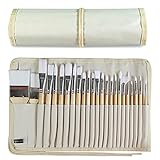
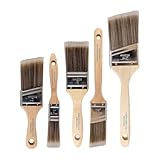
I remember the first time I saw a genuinely vintage badger hair paintbrush at an antique shop. It looked like it had survived a war but still felt strangely… important. It got me thinking about the stuff we use every day, the tools of our trades. Are paint brush items tradeable? Not in the stock market sense, obviously, but can you actually make a buck or at least get a decent swap for that old set of brushes gathering dust in your studio? I’ve spent enough years wrestling with cheap synthetics and overhyped bristles to have some solid opinions on what has actual value, and what’s just taking up space.
It’s a question I get asked more than you’d think. People inherit art supplies, they upgrade, or they simply declutter. Before you chuck that bin of brushes, let’s talk about whether there’s life, and maybe even some cash, left in them.
What Makes a Paint Brush Worth More Than Its Bristles?
Look, most of the time, when you’re asking if are paint brush items tradeable, you’re not talking about your basic dollar-store synthetics. Those things are designed to be disposable. They get stiff, they splay out, and honestly, they’re more frustrating than useful after a few sessions. The real value, the kind that makes something potentially tradeable, lies in a few key areas: material, craftsmanship, brand, and condition. Let’s break it down.
First off, materials. Natural hair brushes, especially those made from high-quality animal hair, are the gold standard. Badger hair, sable (like Kolinsky sable, which is the king of squirrel hair, not actual badger), hog bristle, and ox hair all have different properties that artists prize. Kolinsky sable, for instance, holds a ridiculous amount of pigment and water, has a beautiful snap, and comes to a needle-sharp point, making it incredible for fine detail work in watercolors or oils. Hog bristle, on the other hand, is stiff and resilient, perfect for oils and acrylics where you want texture and control. If you’ve got a brush with genuine Kolinsky sable bristles that haven’t been butchered, you’ve got something potentially valuable.
Then there’s the ferrule – the metal part that holds the bristles to the handle. High-quality brushes typically use smooth nickel-plated brass ferrules. They’re strong, corrosion-resistant, and don’t have those annoying seams that can snag. Cheap brushes often use aluminum or plated steel ferrules that can corrode or bend easily. The handle itself matters too. Usually, they’re made of wood, often lacquered for durability. An ergonomically shaped handle from a good hardwood is a sign of a well-made brush. Even the way the bristles are set into the ferrule is a sign of quality – they should be securely glued and packed tightly.
Brand reputation plays a huge role. Brands like Winsor & Newton, Grumbacher, Raphael, Rosemary & Co., and Da Vinci have been around for ages and are known for consistent quality. If you find an old set of brushes from one of these names, especially their higher-end lines, they’re more likely to retain some value than something from a no-name brand.
I once inherited a box of old art supplies from my aunt, and tucked away was a nearly pristine set of Winsor & Newton Series 7 Kolinsky sable brushes. I almost tossed them thinking they were just old, but a quick clean revealed they were still incredibly supple and sharp. I ended up selling them for a decent amount to a collector who appreciated their vintage quality.
Condition is king, though. A brush can be made of the finest materials by the best brand, but if the bristles are splayed, split, or glued together with dried paint, its tradeable value plummets. A brush that’s been meticulously cleaned and cared for, with bristles that still have their shape and snap, is exponentially more valuable. This is where most people go wrong – they assume old means worthless, but often it just means neglected. Proper care is most important for preserving value.
The Art of the Trade: Where and How to Sell or Swap
So, you’ve identified some potentially valuable brushes. Now what? The marketplaces for used art supplies aren’t exactly Wall Street, but there are definitely avenues. For higher-end or vintage brushes, online platforms are your best bet. eBay is the obvious giant. You need good photos showing the condition clearly, a detailed description highlighting the materials, brand, and any unique features, and a realistic price. Expect to get a fraction of the original retail price, especially if the brushes are used, but still, a few dollars here and there can add up, or you might score a surprisingly good return on something you thought was junk. (See Also: Can Acrylic Paint Go In An Air Brush )
Specialty art supply forums and Facebook groups dedicated to artists or collectors are also goldmines. People in these communities often have a keen eye for quality and are looking for specific vintage items or brands they can no longer find new. You can often post pictures and ask for opinions on value, and then arrange sales or trades directly. These places often have a more knowledgeable buyer base, which can lead to fairer prices. I’ve seen artists swap entire sets of high-quality brushes for a single, rare vintage sable brush they desperately needed.
Local art guilds, art schools, or even some established art supply stores might have bulletin boards or informal swap meets. This is less about making money and more about trading for something you actually need. If you have a set of oil brushes but you’ve switched to watercolor, trading them for a decent watercolor set can be a win-win. It’s a good way to refresh your supplies without spending cash. I once traded a box of decent acrylic brushes for a beautiful, hand-carved wooden palette that someone else didn’t have space for. It felt like a much more satisfying transaction than just selling for cash.
When selling, be brutally honest about condition. If there’s dried paint, mention it. If a ferrule is slightly loose, state it. Buyers in these niche markets are often experienced and can spot dishonesty a mile away. Your reputation as a seller matters. Instead of a hard sell, focus on describing the brush’s history or potential. For example, ‘This vintage hog bristle brush would be perfect for impasto oil techniques’ sounds much better than ‘Old hog brush for sale’.
One thing to consider is bulk selling versus individual sales. If you have a lot of moderately valuable brushes, selling them as a lot might be easier and faster, though you’ll likely get less per brush. If you have one or two truly exceptional brushes, focusing on individual sales will yield a higher return. It’s a trade-off between time and money.
Common Mistakes That Kill Brush Value (and What to Avoid)
The biggest mistake people make is just letting their brushes sit in a drawer, neglected. Dried paint is the enemy. It seizes up the bristles, making them stiff and unusable, and no amount of cleaning afterwards will ever fully restore them to their original suppleness. It’s like leaving concrete to dry in your hair – you can rinse it, but it’s never going to be the same.
Another common error is improper cleaning. People scrub too hard, use harsh soaps, or soak the ferrule in water. Soaking the ferrule is a big no-no. It can weaken the glue holding the bristles and damage the handle. You should always clean brushes by rinsing them gently under running water (not too hot!) and working the paint out with a mild soap or brush cleaner. For oils, you need a solvent like odorless mineral spirits, but you must rinse thoroughly afterwards and then wash with soap and water. Never leave brushes soaking in water or solvent.
Storage is another huge killer. Storing brushes bristle-down in a jar means the tips are constantly bent and misshapen. This is terrible for the bristles’ integrity and means the brush will never hold a sharp edge or fine point again. The best way to store brushes long-term is bristle-up in a jar or container, or flat in a brush roll or case. If you’re storing them for a while, I like to put a little bit of gum arabic solution on the bristles to help them hold their shape, almost like a temporary hairspray for brushes. Then, just rinse it out before you use them again.
People also make the mistake of assuming all brushes from a certain brand are equal. Even within top brands, there are different series and quality levels. A student-grade brush from Winsor & Newton might not have the same long-term value as their professional-grade Series 7 Kolinsky sable brushes. Do your research on the specific series or line of brushes you have. Look for terms like ‘artist quality,’ ‘professional grade,’ or specific material names like ‘Kolinsky sable’ on the handle or ferrule. (See Also: Can Acrylic Paints Be Used In An Aqua Brush )
Finally, there’s the ‘set it and forget it’ mentality. You can’t just buy a good brush and expect it to last forever without any care. Even the best brushes need maintenance. Cleaning them properly after every use, storing them correctly, and using them for their intended purpose (e.g., not using delicate watercolor brushes for heavy-duty acrylic scraping) will preserve their condition and, therefore, their value. I learned this the hard way with a set of beautiful Raphael watercolor brushes; I used them for some gritty acrylic work once and ended up ruining the tips. Lesson learned.
Real-World Use: When Is a Brush Just a Brush?
Let’s be blunt: for 90% of the brushes out there, they are just tools. They are meant to be used, to create art, and to wear out eventually. The idea of ‘trading up’ or selling old brushes is really only applicable to a specific subset of the brush world. If you’re a hobbyist who buys a pack of synthetic brushes from Michaels every year or two because the old ones get beat up, those are not tradeable items. They are consumables. Their value is in the art you make with them, not in their resale potential.
The brushes that hold value are typically those that are either vintage and made with exceptional, often natural, materials, or professional-grade brushes that are still in excellent condition. Think of it like cars. A beat-up old Honda Civic isn’t going to be a collector’s item. But a pristine, low-mileage 1960s Porsche? That’s a different story. Paint brushes are similar. A well-maintained, older, high-quality natural hair brush can be more desirable than a brand-new, cheap synthetic.
I’ve personally found that certain brands have a cult following. Rosemary & Co.
brushes, for example, are beloved by many for their quality and price point. If you have a set of their older, well-kept brushes, they might fetch a decent price because artists know and trust the brand.
Similarly, vintage badger brushes, even if they look a bit rough, can still have value because badger hair is incredibly soft and absorbent, perfect for certain glazing techniques or even for applying makeup. I once sold an old badger shaving brush (which is basically a type of artist brush!)
that I found at a flea market for more than I expected, simply because it was well-made and had a beautiful, worn patina.
The key differentiator is craftsmanship and material science that just isn’t as common or as affordable in mass-produced brushes today. Many modern synthetic brushes are fantastic for certain applications – they’re durable, consistent, and often much cheaper. But they don’t have that same organic feel, the way natural hairs can adapt to the medium and the surface. When you find a brush that embodies that old-school quality – a perfectly balanced handle, a ferrule that’s smooth and secure, and bristles that feel alive in your hand – you’ve found something potentially more than just a tool. You’ve found an artifact of artistry. (See Also: A Brushes Digital Painting )
Don’t get me wrong, I love my modern synthetic brushes for acrylics. They hold up to the abuse, and I don’t wince when a few bristles get mangled. But for watercolors and delicate oil glazes? I’m reaching for the natural hairs. If you’ve got a collection of those high-end natural hair brushes from brands known for quality, and they’re in good shape, then yes, are paint brush items tradeable? Absolutely. But if it’s just a random assortment of synthetics, probably not.
A Quick Guide to Brush Value Assessment
Here’s a simplified way to think about assessing the value of your brushes. It’s not an exact science, but it’s a good starting point.
| Factor | High Value Potential | Medium Value Potential | Low Value Potential | My Verdict |
|---|---|---|---|---|
| Material | Kolinsky Sable, Pure Badger, High-Quality Ox/Hog Bristle | Synthetic Sable Blend, Good Quality Hog Bristle | Generic Synthetic, Nylon | Natural hair, especially Kolinsky, is always a winner. |
| Brand | Winsor & Newton (Series 7), Raphael, Da Vinci, Rosemary & Co. (professional lines) | Grumbacher, Liquitex, Blick (student/intermediate lines) | Generic art store brands, unbranded | Established names signal quality and history. |
| Condition | Bristles perfectly shaped, no splaying, clean ferrule, no paint buildup, handle intact. | Minor bristle bending, some paint residue that can be cleaned, ferrule slightly tarnished. | Splayed, split bristles, significant dried paint, loose ferrule, damaged handle. | Cleanliness and shape are everything. Treat them like hair! |
| Age/Vintage | Pre-1980s, rare or discontinued lines, unique handle designs. | 1980s-2000s, common professional lines. | Modern mass-produced. | Older brushes can be exceptional if cared for, but verify quality. |
| Overall Potential | Likely to be tradeable for decent return or good swaps. | May have some trade value, best for swaps or low-price sales. | Likely not tradeable, best to use or donate. | If it looks and feels like a serious tool, it might be. |
This isn’t a definitive price guide, of course. The market dictates value. But if your brushes tick most of the ‘High Value Potential’ boxes, you’ve probably got something worth exploring further. I’ve seen vintage single sable brushes go for over $50, and a full set of pristine Kolinsky sables could fetch hundreds, depending on the brand and age. Conversely, a bucket of assorted synthetics might be worth a few dollars at best, or simply good for donating.
People Also Ask: Can I Sell My Old Art Supplies?
Yes, you absolutely can sell your old art supplies, but the value depends heavily on what the supplies are. High-quality, professional-grade materials like natural hair brushes (especially Kolinsky sable), well-maintained easels, or vintage pigments in good condition can often be sold. Student-grade or cheap synthetic items are much harder to sell and may be better suited for donation or giving away.
People Also Ask: How Do I Know If My Paint Brushes Are Valuable?
To know if your paint brushes are valuable, examine the materials (natural hair like Kolinsky sable is a strong indicator), the brand reputation (look for established names like Winsor & Newton, Raphael), and their condition (are the bristles clean, shaped, and free of damage?). Vintage brushes made with high-quality materials in excellent condition are often more valuable than modern, mass-produced ones.
People Also Ask: Where Can I Sell Used Art Supplies?
You can sell used art supplies on platforms like eBay, Etsy (for vintage or handmade items), and specialized art supply forums or Facebook groups. Local art schools, community centers, or even some independent art stores might have bulletin boards for sales or swaps. Always be honest about the condition of your items.
People Also Ask: Are Old Paint Brushes Worth Anything?
Old paint brushes can be worth something, but it’s not a guarantee. Their value hinges on their original quality, materials, brand, and especially their condition. A vintage Kolinsky sable brush from a reputable maker that’s been meticulously cared for might be quite valuable. However, an old, heavily used synthetic brush that’s splayed and full of dried paint is likely worth very little, if anything.
Conclusion
So, the short answer to are paint brush items tradeable? Yes, but with significant caveats. It’s not about just any old brush; it’s about quality, material, brand, and condition. Think of it like vintage clothing – a worn-out t-shirt isn’t going to fetch much, but a well-preserved designer piece from decades ago can be a treasure.
Before you relegate that dusty bin of brushes to the landfill or a donation box, take a closer look. Do a quick search for the brands and materials. Clean them up properly. You might be surprised at what you find lurking in your supply closet. Even if you don’t make a fortune, you might be able to trade them for something you’ll actually use, which is a win in my book.
The real value, of course, is always in the art you create. But knowing that a good tool has its own intrinsic worth, and that it can sometimes be passed on or sold to another artist who will appreciate it, that’s a nice bonus. Don’t just hoard old supplies; assess them. You might be sitting on more than you think.